
Key Takeaways
-
Watch for early warning signs like slow heating, strange noises, water leaks, and error codes—addressing them quickly prevents expensive replacements and full system breakdowns.
-
Maintain proper water chemistry (pH 7.4-7.6, alkalinity 80-120 ppm, calcium hardness 200-400 ppm) because imbalanced water corrodes heat exchangers and creates scale buildup that damages heaters fast.
-
Follow a preventive maintenance schedule: monthly visual inspections, quarterly cleaning, semi-annual professional checks, and annual tune-ups before peak heating season to avoid costly repairs.
-
Check your pool's circulation system first—clogged filters, weak pumps, and blocked valves often cause heater failures, not the heater itself, and fixing these issues is cheaper than heater repair.
-
Use a quality pool cover to reduce heat loss by up to 70%, lowering your heater's runtime and wear while saving significant energy costs throughout the year.
-
Leave gas heater repairs, heat exchanger work, and electrical component fixes to licensed professionals—DIY attempts on these systems create serious safety risks and equipment damage.
Picture this: you walk out to your Tampa backyard, ready for a relaxing evening swim, and your pool heater is acting up. No warm water. No comfort. Just frustration. Sound familiar? You are definitely not alone. Pool heater repair in Tampa is one of the most common service calls we see — and in many cases, the problem could have been avoided entirely.
Tampa’s unique climate is beautiful, but it is also tough on pool equipment. The humidity, salty air, and year-round sun create conditions that can wear down even the best heaters faster than you might expect. Whether you have a gas heater, electric heater, or heat pump, the mistakes pool owners make are surprisingly similar — and surprisingly costly.
The good news? Most of these mistakes are easy to fix once you know what to look for. In this article, we will walk you through the six biggest pool heater repair mistakes Tampa homeowners make, and show you exactly how to avoid them. Let’s dive in!
Why Pool Heater Health Matters in Tampa
Tampa’s climate means pools get used nearly year-round. That puts consistent demand on your heater. When a heater fails, it does not just affect comfort — it can signal deeper equipment problems that get worse over time. Understanding pool heater installation and maintenance basics can save you from expensive surprises down the road.
According to the EPA’s pool water efficiency guidelines, well-maintained pool equipment runs more efficiently and lasts significantly longer. That is great news for your wallet and your swimming schedule. Staying ahead of problems is always smarter than waiting for a breakdown.
Mistake 1: Ignoring Early Warning Signs
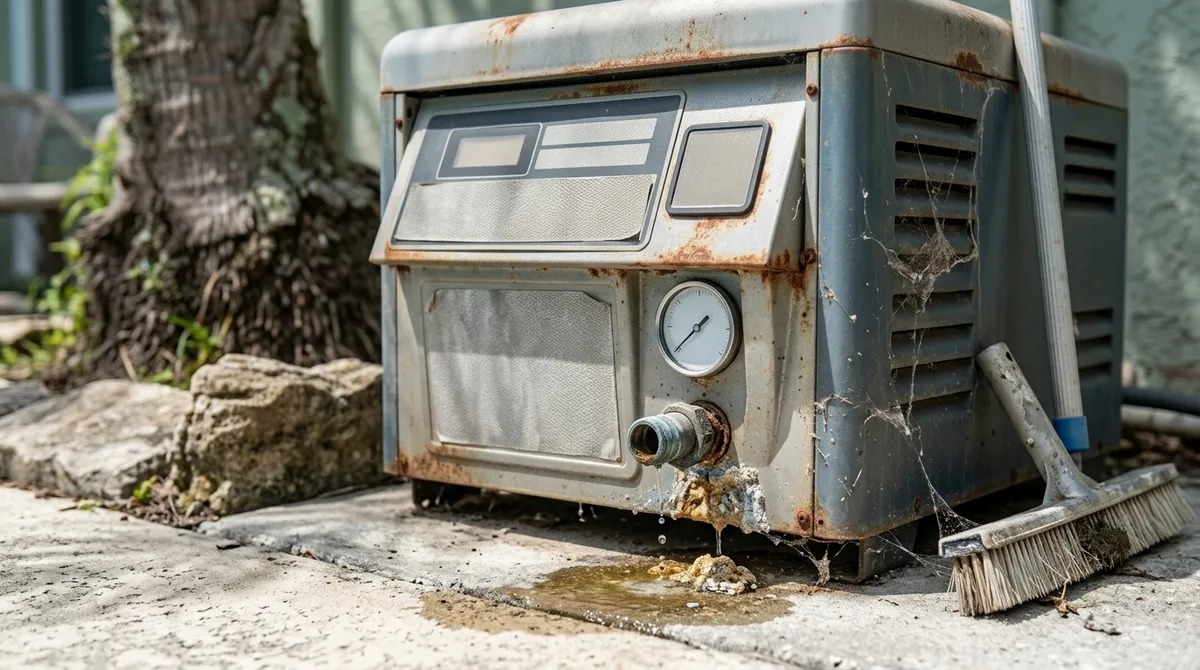
This is probably the most common mistake pool owners make. Your heater will almost always give you warning signs before it completely breaks down. The trouble is, most people ignore them — hoping the problem will just go away on its own.
Here are the most common warning signs to watch for:
- Water that takes much longer than usual to heat up
- Loud banging, clicking, or rattling noises from the heater unit
- Visible water leaks around the heater base or connections
- Error codes or flashing lights on the heater display panel
- Inconsistent water temperatures from one day to the next
- Heater cycling on and off more frequently than normal
If you notice any of these signs, do not wait. A quick inspection now can prevent a full replacement later. Check out our guide on how to fix pool heater issues fast for more helpful tips on early diagnosis.
Mistake 2: Skipping Regular Preventive Maintenance
Think of your pool heater like your car. You would not skip oil changes and expect it to run perfectly forever, right? The same logic applies to your heater. Skipping routine maintenance is a fast track to expensive pool heater repair in Tampa.
Tampa’s humid air and salty coastal breeze accelerate corrosion and mineral buildup inside heater components. Without regular cleaning and inspection, heat exchangers clog, burners corrode, and thermostats fail prematurely. These are problems that compound over time.
Here is a simple preventive maintenance schedule to follow:
- Monthly: Visually inspect the heater for debris, leaks, and corrosion signs
- Every 3 months: Clean the heater exterior and check the burner assembly (for gas heaters)
- Every 6 months: Have a professional inspect internal components, pressure settings, and connections
- Annually: Schedule a full professional tune-up before the peak heating season
Want to understand more about comprehensive equipment care? The pool equipment repair guide for Tampa owners covers everything you need to know.
Mistake 3: Neglecting Water Chemistry
Here is something that surprises a lot of pool owners: your water chemistry directly affects your heater’s lifespan. When water is imbalanced, it becomes either too corrosive or too scale-forming. Both conditions damage internal heater components — fast.
Low pH water eats through copper heat exchangers. High pH water creates calcium scale that blocks flow and reduces efficiency. Either way, your heater suffers. According to the Florida Swimming Pool Association (FSPA), maintaining proper water balance is one of the most effective ways to extend pool equipment life in Florida’s climate.
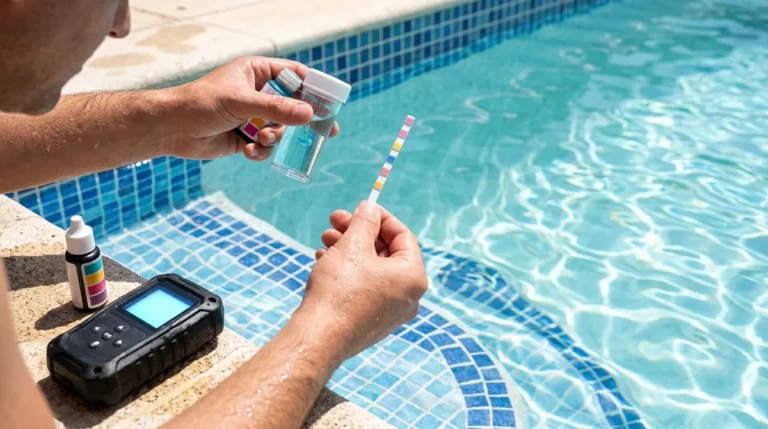
Key water chemistry ranges to maintain for heater health:
- pH: 7.4 to 7.6 (keeps water from being corrosive or scale-forming)
- Total Alkalinity: 80 to 120 ppm (stabilizes pH levels)
- Calcium Hardness: 200 to 400 ppm (prevents corrosion of metal components)
- Cyanuric Acid: 30 to 50 ppm (protects chlorine from UV breakdown)
For a deep dive into water balance, check out our 10 pool water balancing tips every Tampa owner needs. Getting this right protects not just your heater, but your entire pool system.
Mistake 4: Poor Circulation and Flow Issues
Your pool heater needs proper water flow to work correctly. When circulation is poor, the heater overheats, shuts down, or fails entirely. Many Tampa pool owners blame the heater when the real culprit is actually their pump or filter system.
Common circulation problems that damage heaters include:
- Clogged or dirty pool filters restricting water flow
- A failing pump that cannot move enough water volume
- Blocked skimmer baskets reducing intake flow
- Closed or partially closed valves limiting circulation
Before calling for pool heater repair in Tampa, always check your filter and pump first. A clean filter and a healthy pump make a world of difference. Our article on maintaining your pool’s filters is a great starting point. You can also learn more about pool pump maintenance tips every Tampa owner needs to keep circulation strong.
If your pump is showing signs of struggle, do not ignore it. Read our guide on 7 pool pump repair signs you need help now to catch issues early.
Mistake 5: Attempting DIY Repairs Without Proper Knowledge
We completely understand the appeal of DIY repairs. YouTube makes everything look easy, and saving money is always attractive. But pool heater repair — especially gas heater repair — is genuinely dangerous if you do not know what you are doing.
Gas heaters involve combustion systems, gas lines, and pressure controls. Electric heaters and heat pumps involve high-voltage components. Getting these wrong does not just damage your equipment — it creates real safety risks for your family. This is one area where professional help is absolutely worth it.
Here is a quick comparison of what is DIY-friendly versus what requires a professional:
| Task | DIY Friendly? | Professional Required? |
|---|---|---|
| Cleaning heater exterior | ✅ Yes | No |
| Checking for visible leaks | ✅ Yes | No |
| Replacing thermostat settings | ⚠️ With caution | Recommended |
| Gas line inspection or repair | ❌ No | ✅ Always |
| Heat exchanger cleaning or replacement | ❌ No | ✅ Always |
| Electrical component repair | ❌ No | ✅ Always |
| Pressure testing and diagnostics | ❌ No | ✅ Always |
The Independent Pool and Spa Service Association (IPSSA) strongly recommends licensed professionals for all internal heater repairs. It is not worth the risk. For more on the difference between DIY and professional pool work, see our DIY pool care vs. pool technicians comparison.
Mistake 6: Not Using a Pool Cover to Protect Heater Efficiency
This one surprises a lot of people. Not using a pool cover is a pool heater mistake! Here is why: without a cover, your pool loses heat rapidly through evaporation — especially overnight and during cooler months. That means your heater has to work much harder and run much longer to maintain temperature.
All that extra work adds wear and tear to your heater components. It also drives up energy costs significantly. A quality pool cover can reduce heat loss by up to 70%, giving your heater a much easier job and a longer life.
Here is what a pool cover does for your heater and your pool:
- Reduces heat loss overnight and between uses
- Lowers the heater’s runtime, reducing mechanical wear
- Decreases chemical evaporation, helping maintain water balance
- Keeps debris out, protecting circulation and filter systems
- Saves energy and reduces operating costs over time
Want to learn more about pool covers? Our 9 pool cover installation tips every Tampa owner needs is packed with helpful advice.
Types of Pool Heaters Repaired in Tampa
Not all pool heaters are the same, and each type comes with its own common issues. Understanding your heater type helps you communicate better with technicians and understand what repairs might be needed.
| Heater Type | Common Issues in Tampa | Best For |
|---|---|---|
| Gas Heater | Burner corrosion, gas valve failure, ignition problems | Fast heating, larger pools |
| Electric Resistance Heater | Element burnout, thermostat failure, electrical shorts | Smaller pools, spas |
| Heat Pump | Refrigerant issues, fan motor failure, defrost problems | Energy efficiency, mild climates |
Tampa’s humidity and salt air affect each heater type differently. Gas heaters face corrosion risks in the burner assembly. Heat pumps can develop refrigerant leaks in extreme heat. No matter what type you have, regular professional inspections catch these issues before they become major repairs. For more on related equipment issues, explore our 9 pool equipment repairs every Tampa owner should know.
How Panther Pools Handles Pool Heater Repair in Tampa
At Panther Pools, we take pool heater repair seriously. As a family-owned company serving Tampa with a Certified Pool Operator credential (CPO 648855) and CPC License (CPC1461336), we bring real expertise to every heater inspection and repair. Our technicians are trained on all major heater brands and types — gas, electric, and heat pump systems.
We believe in doing things right the first time. No rush jobs, no shortcuts. Just honest, thorough work that keeps your pool warm and your equipment running longer. Our seven-days-a-week customer support means you never have to wait long when something goes wrong. We also offer free estimates, so you always know exactly what you are getting before any work begins.
Whether you need a quick diagnostic visit or a full heater service, our pool cleaning and repair services in Tampa are designed to make pool ownership easy and stress-free. We also help you stay ahead of problems with our comprehensive pool maintenance services.
Quick Tips to Extend Your Pool Heater’s Life
Beyond avoiding the six big mistakes above, here are a few more bonus tips to keep your heater running strong for years to come:
- Install a heater cover to protect against Tampa’s salty, humid air when the unit is not in use
- Keep vegetation and debris cleared away from the heater unit for proper airflow
- Set your thermostat to a consistent temperature rather than constantly adjusting it up and down
- Consider a variable-speed pump to optimize water flow and improve heater efficiency
- Schedule a professional tune-up at the start of each cooler season, even in Tampa’s mild winters
Also, do not overlook the importance of professional pool equipment repairs to catch issues before they escalate. Our guide on pool heater repair mistakes that cost Tampa homeowners goes even deeper on this topic.
When to Call a Professional for Pool Heater Repair in Tampa
Knowing when to call in the pros is just as important as knowing how to maintain your heater. Here is a simple checklist to help you decide:
- Your heater is not producing any heat despite being turned on
- You smell gas near a gas heater unit — call immediately
- There is active water leaking from the heater connections or body
- The heater displays persistent error codes that will not clear
- Your energy bills have spiked without any change in pool usage habits
- The heater is more than 10 years old and showing performance drops
If any of these apply to you, it is time to pick up the phone. Do not let a small problem turn into a full replacement. Our team is ready to help with fast, reliable diagnostics and repairs. You can also explore our 7 emergency pool repair signs you cannot ignore in Tampa for a broader look at urgent equipment issues.
Conclusion
Avoiding these six common pool heater repair mistakes in Tampa is easier than you might think. It comes down to staying observant, keeping up with maintenance, protecting your water chemistry, ensuring good circulation, leaving complex repairs to the pros, and using a pool cover. Each of these steps adds years to your heater’s life and keeps your pool comfortable all year long.
Tampa pool owners deserve warm water without the worry. Whether you are a busy family, a retiree enjoying your backyard oasis, or a commercial property manager keeping guests happy, a well-maintained pool heater makes all the difference. Do not wait until something breaks to take action.
Ready to get your pool heater inspected or repaired by Tampa’s trusted team? Reach out to the Panther Pools team today for a free estimate and friendly, expert service — seven days a week.
FAQs
Q: How much does pool heater repair in Tampa typically cost?
A: Great question! Pool heater repair costs in Tampa can vary depending on the issue and heater type. Diagnostic visits typically run around $150, with many providers crediting a portion of that toward your repair. The best way to get an accurate number is to schedule a free estimate — that way there are no surprises!
Q: What are the most common pool heater problems in Tampa?
A: Tampa’s humid, salty climate means corrosion and mineral buildup are the most frequent culprits. Other common issues include burner failures in gas heaters, heat pump refrigerant problems, thermostat malfunctions, and poor water flow caused by clogged filters or weak pumps. Catching these early makes a huge difference!
Q: How often should I service my pool heater in Tampa?
A: We recommend a professional inspection at least once a year, ideally before the cooler months when you will lean on your heater most. In between, do monthly visual checks for leaks or corrosion. Tampa’s climate can be tough on equipment, so staying consistent with maintenance really pays off!
Q: Can pool heater repairs be done quickly in the Tampa Bay area?
A: Absolutely! Most professional pool service companies in the Tampa Bay area offer same-week diagnostic visits. The sooner you call when something seems off, the faster you can get back to enjoying a warm, comfortable pool. Do not wait — early action almost always means a simpler, less expensive fix.
Q: Does Tampa’s climate really affect how long a pool heater lasts?
A: It really does! Tampa’s humidity and salty coastal air speed up corrosion inside heater components, and the year-round pool usage means heaters work harder here than in many other regions. With proper maintenance, water chemistry management, and protective measures like heater covers, you can still enjoy many years of reliable warmth.