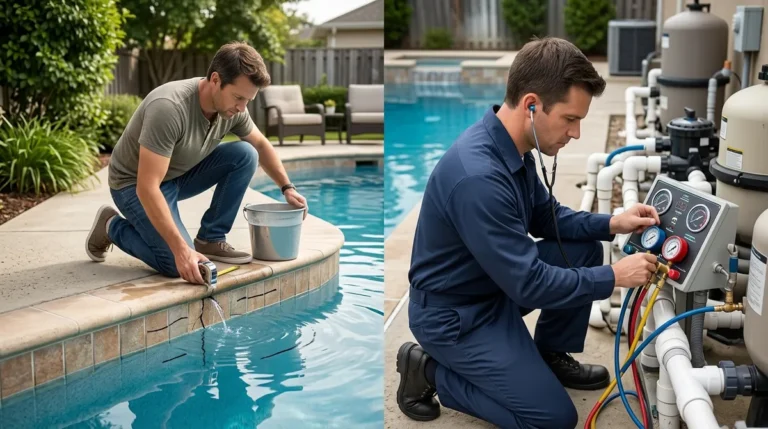

Key Takeaways
-
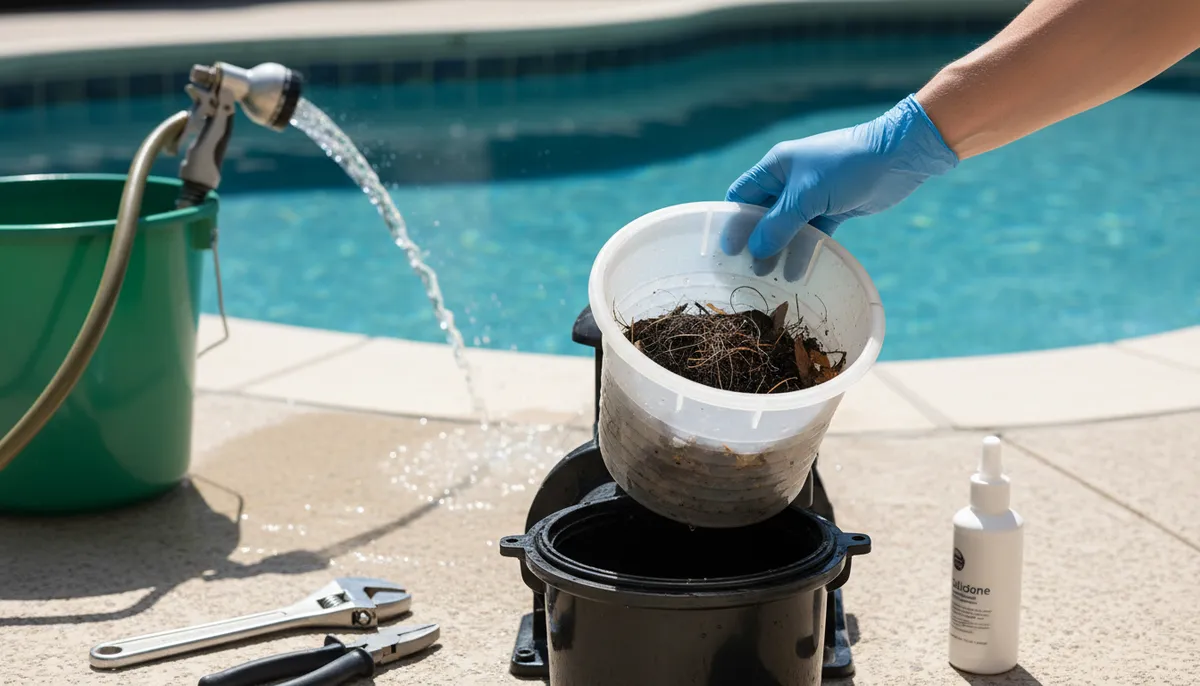
Clean your pump strainer basket weekly by turning off the pump, removing the lid, and rinsing the basket with a garden hose to prevent clogs and reduced water flow.
-
Check and replace the O-ring under your pump lid regularly, as cracks or dryness allow air into the system, causing the pump to overheat and fail prematurely.
-
Lubricate all O-rings and gaskets monthly with silicone-based lubricant (never petroleum-based products) to maintain flexibility, extend their lifespan, and preserve proper seals.
-
Maintain water level at least halfway up the skimmer opening and check it several times weekly, as low water causes the pump to suck air instead of water, damaging the motor.
-
Schedule an annual professional inspection to identify worn parts, verify electrical safety, and confirm proper priming and flow rates before they cause costly failures.
-
Listen for unusual pump sounds like grinding, gurgling, or screeching, as these indicate air leaks, debris blockages, or motor bearing failure that require immediate professional attention.
Your pool pump works hard every single day. It keeps water moving, chemicals mixing, and your pool sparkling clean. But like any hardworking machine, it needs a little love to keep running at its best. Skipping pool pump maintenance can lead to murky water, skyrocketing energy bills, and costly repairs down the road. Whether you’re a busy parent trying to keep the backyard pool ready for weekend fun, a retiree who just wants a stress-free swim, or a property manager keeping a commercial pool up to code — this guide is for you. We’ve put together nine practical, easy-to-follow tips that will help you get the most out of your pool pump, season after season. Let’s dive in!
Why Pool Pump Maintenance Matters
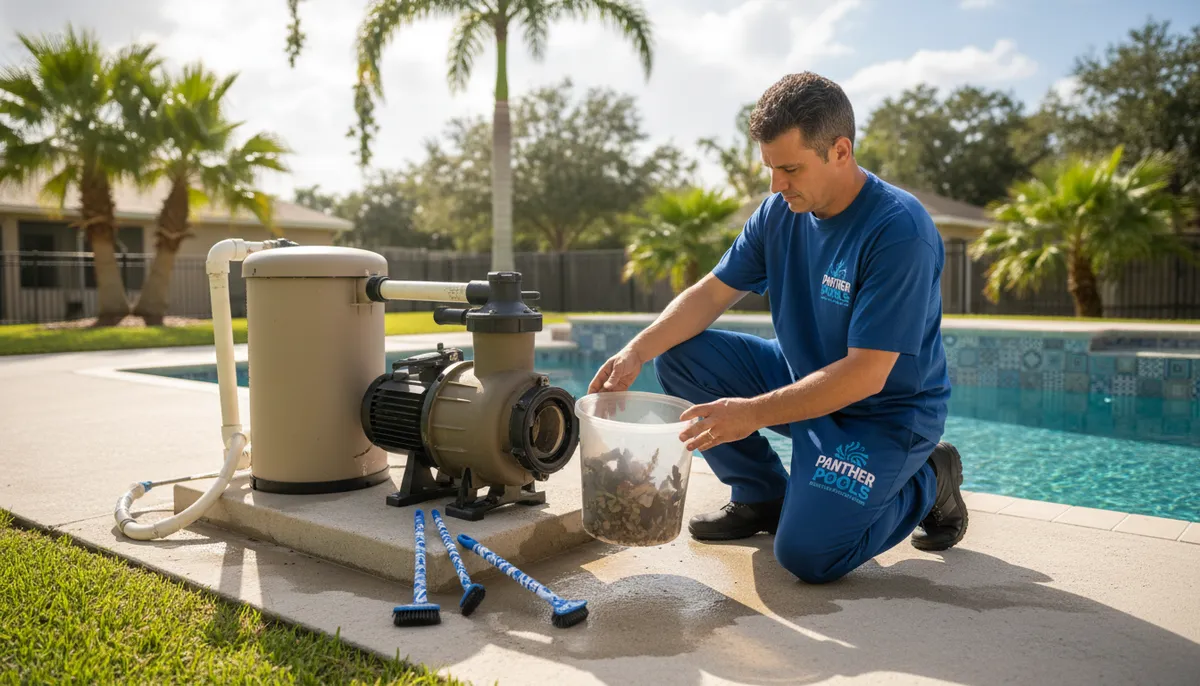
Your pool pump is the heart of your entire circulation system. Without it, water stagnates, algae blooms, and bacteria thrive. Regular pool pump maintenance keeps water flowing through filters, ensures chemicals are distributed evenly, and protects your equipment from premature wear. A well-maintained pump can last many years. A neglected one? It might fail in the middle of the hottest Tampa summer — and nobody wants that.
According to industry professionals and resources like the Independent Pool and Spa Service Association (IPSSA), consistent pump care is one of the most impactful things you can do for overall pool health. It saves money, extends equipment life, and keeps your pool safe for everyone who swims in it.
The Pool Pump Maintenance Schedule at a Glance
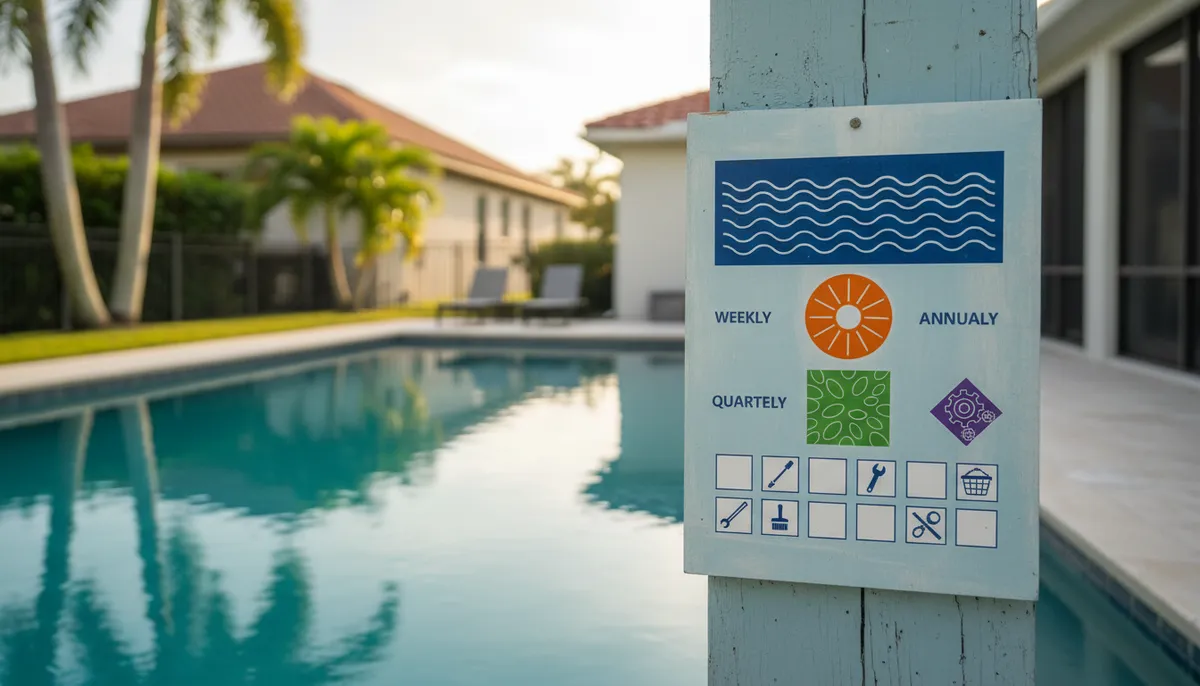
Before we get into the tips, here’s a quick reference table to help you stay on track. Think of it as your pool pump care calendar.
| Frequency | Task | Why It Matters |
|---|---|---|
| Daily | Skim pool surface | Reduces debris entering the pump |
| Weekly | Empty pump strainer basket | Prevents clogs and reduced flow |
| Weekly | Check for unusual noises or leaks | Catches problems early |
| Monthly | Lubricate O-rings and gaskets | Prevents air leaks and overheating |
| Every 2 Months | Inspect pump impeller | Ensures proper water flow |
| Annually | Professional pump inspection | Identifies hidden issues before they worsen |
9 Pool Pump Maintenance Tips You Should Follow
1. Clean the Pump Strainer Basket Every Week
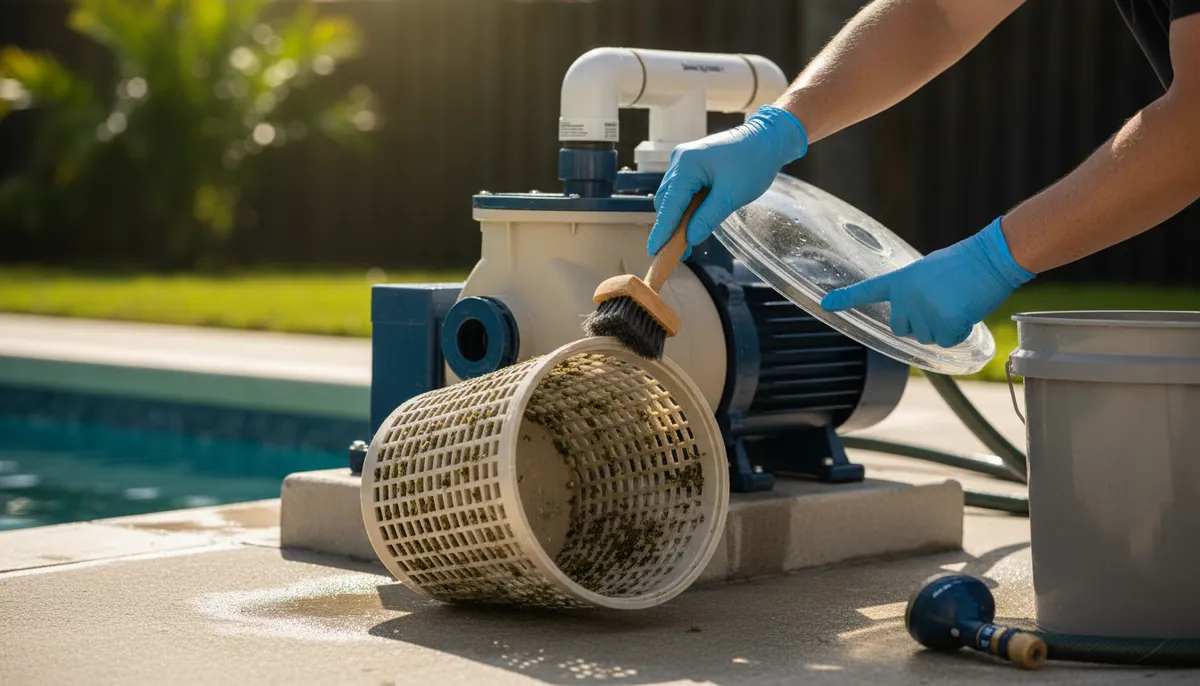
This is one of the simplest and most important tasks you can do. Your pump strainer basket catches leaves, bugs, hair, and other debris before they reach the pump motor. When it’s full, water flow slows down and your pump works harder than it needs to.
Make it a habit to empty the basket every week. Turn off the pump first, remove the lid carefully, pull out the basket, and rinse it with a garden hose. It takes just a few minutes and makes a big difference.
2. Inspect the Pump Lid O-Ring Regularly
The O-ring sits under your pump lid and creates an airtight seal. If it cracks or dries out, air gets into the system. Air in the pump causes it to run dry, overheat, and eventually fail. That’s a repair bill nobody wants.
Each time you clean the basket, take a quick look at the O-ring. If it looks flat, cracked, or brittle, replace it right away. It’s a cheap fix that prevents expensive damage.
3. Lubricate O-Rings and Seals Monthly
Even a healthy O-ring needs a little maintenance. Every month, apply a silicone-based lubricant to all O-rings and gaskets. This keeps them flexible, extends their life, and maintains a proper seal. Never use petroleum-based products like Vaseline — they can degrade rubber over time and cause more harm than good.
- Use only silicone-based lubricant
- Apply a thin, even coat
- Check for any swelling or discoloration
- Replace any O-rings that look worn
4. Keep the Water Level Right
This one surprises many pool owners. Your water level directly affects how your pump performs. If the water drops too low, your pump starts sucking in air instead of water. This can seriously damage the motor and reduce circulation efficiency.
The ideal water level is at least halfway up the skimmer opening. During Tampa’s hot summers, water evaporates faster than you might expect. Check the level a few times a week and top it off as needed. The EPA’s pool water efficiency guidelines also recommend mindful water management to reduce waste while keeping your pool healthy.
5. Check Hoses and Fittings for Leaks
Once a month, take a slow walk around your pump and look at all the hoses, fittings, and connections. Even a small drip can become a big problem over time. Leaks reduce water pressure, put extra strain on the pump, and can cause water damage to your pool equipment pad.
Here’s what to look for during your monthly check:
- Wet spots or drips around fittings
- White mineral deposits (a sign of slow leaks)
- Cracked or brittle hose sections
- Loose clamps or connections
If you spot something that doesn’t look right, it’s a good idea to have a professional take a look before the issue gets worse. The team at Panther Pools’ pool cleaning services in Tampa can help assess and address equipment issues quickly.
6. Inspect the Pump Impeller Every Two Months
The impeller is the spinning part inside your pump that moves water. Debris like small leaves, twigs, or even a wayward twist tie can get past the basket and jam the impeller. When that happens, water flow drops and your pump motor strains under the load.
Every couple of months, shut off the pump and check the impeller housing for obstructions. Flush the pump housing with water to clear out any buildup. If you’re not sure how to access the impeller, a professional pool maintenance technician can handle it safely and efficiently.
7. Listen for Unusual Noises
Your pump will tell you when something is wrong — you just have to listen. A healthy pump runs with a steady, low hum. If you start hearing grinding, rattling, screeching, or gurgling sounds, that’s your pump asking for help.
| Sound | Possible Cause | Action to Take |
|---|---|---|
| Grinding | Worn bearings or debris in impeller | Schedule professional inspection |
| Gurgling | Air leak in the suction line | Check O-rings and water level |
| Screeching | Motor bearings failing | Turn off pump, call a technician |
| Rattling | Loose parts or debris in pump | Inspect basket and housing |
Don’t ignore these sounds or assume they’ll go away on their own. Catching motor problems early can save you from a full pump replacement.
8. Schedule an Annual Professional Inspection
Even if you’re diligent about weekly and monthly tasks, an annual professional inspection is worth every penny. A trained pool technician can inspect the motor, electrical connections, internal seals, and mechanical components in ways that aren’t easy for most homeowners to do safely.
Annual inspections help:
- Identify worn parts before they fail
- Ensure electrical connections are safe and up to code
- Verify proper priming and flow rates
- Extend the overall lifespan of your pump
- Give you peace of mind heading into swim season
Organizations like the Florida Swimming Pool Association (FSPA) recommend annual professional service as part of responsible pool ownership. Our Westchase pool service team is available seven days a week to keep your equipment running at its best.
9. Prep Your Pump at the Start of Each Season
In Tampa, pools are used year-round — but spring is still a great time to give your pump a thorough once-over before peak swim season hits. Use this seasonal prep checklist to make sure everything is ready to go:
- Clean and inspect the strainer basket
- Check and lubricate all O-rings and gaskets
- Inspect hoses, fittings, and the pump housing for damage
- Test the pump to confirm it primes correctly
- Verify water level is at the proper height
- Run the pump and listen for any unusual sounds
- Schedule a professional tune-up if anything seems off
Starting the season with a well-prepped pump means fewer surprises when the weather heats up and your pool is getting daily use.
Signs Your Pool Pump May Need Repair or Replacement
Sometimes maintenance isn’t enough. If your pump is showing any of the following signs, it may be time to call in a professional for a more detailed evaluation.
- The pump won’t turn on at all
- Water flow is noticeably weak despite a clean basket
- The pump frequently loses prime and needs to be restarted
- You notice consistently high energy bills without explanation
- The motor runs hot to the touch
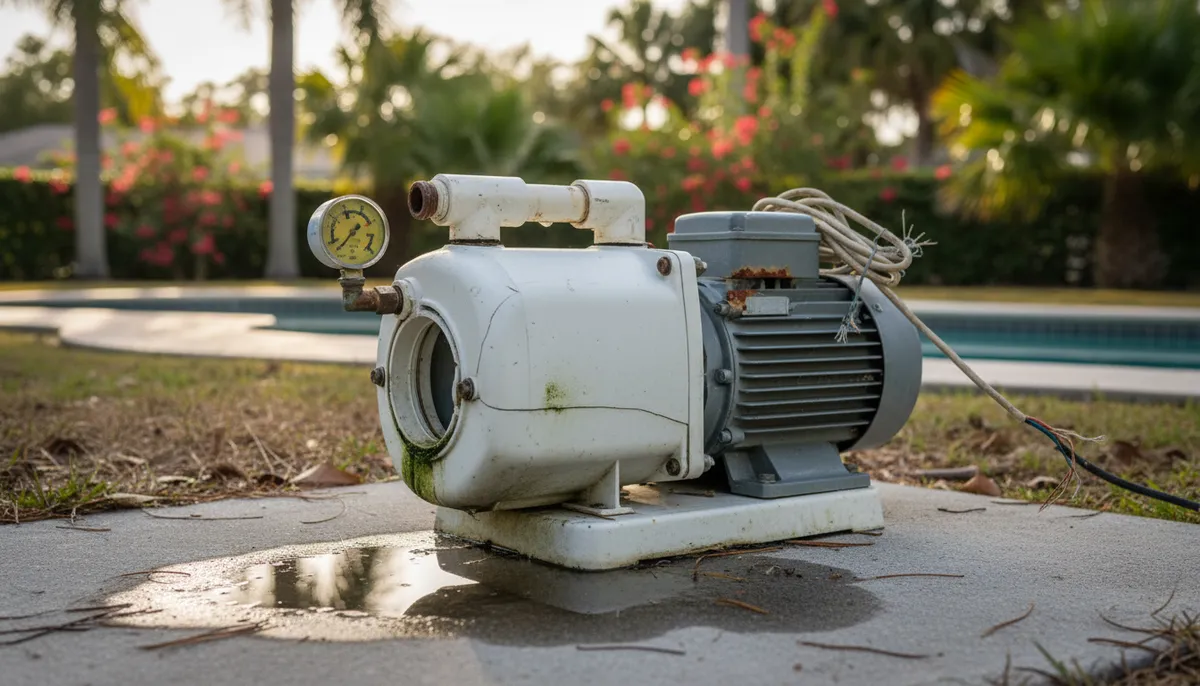
- Visible cracks or damage to the pump housing
Pool filters that are cleaned and maintained regularly should only need full replacement every 3–5 years. But when your pump itself starts showing these warning signs, getting a professional opinion quickly is the smartest move you can make.
What to Do If Your Pump Breaks Down
If your pump stops working, your pool still needs basic care to stay safe. Here’s a quick action plan to keep things from going sideways while you wait for repairs:
- Manually skim the surface daily to remove debris
- Test and adjust chemical levels more frequently — aim for chlorine at around 3 ppm since circulation is limited
- Brush the pool walls and floor to prevent algae from settling
- Vacuum manually if possible to remove dirt buildup
- Reach out to a pool care professional as soon as possible for repair assistance
Keep Your Pump Running Strong All Year Long
Pool pump maintenance doesn’t have to be complicated or time-consuming. With a simple routine and a little attention each week, you can avoid most pump problems before they start. And when something feels beyond your comfort zone, there’s no shame in calling in the experts — that’s exactly what we’re here for.
At Panther Pools, we’re passionate about helping Tampa homeowners and property managers keep their pools in peak condition. Our certified technicians are available seven days a week and treat every pool like it’s their own. Whether you need routine maintenance, equipment inspections, or emergency repairs, we’ve got you covered. Get in touch with our friendly team today and let’s make sure your pool pump — and your whole pool — is ready for whatever the season brings.
FAQs
Q: How often should I clean my pool pump basket?
A: Great question! You should empty and rinse your pump strainer basket at least once a week. If your pool gets heavy use or lots of debris — think big backyard trees or frequent summer storms — check it even more often. A clean basket means a happy pump!
Q: How do I know if my pool pump has an air leak?
A: A gurgling or hissing sound from your pump is often the first clue. You might also notice air bubbles returning through the pool’s return jets. Most air leaks come from a cracked O-ring or a water level that’s dropped too low — both are easy fixes when caught early.
Q: What are the signs that my pool pump needs professional repair?
A: If your pump won’t turn on, keeps losing prime, sounds like it’s grinding or screeching, or your energy bills are suddenly higher than usual, it’s time to call a pro. These signs usually mean there’s an internal issue that goes beyond basic maintenance.
Q: How do I properly lubricate pool pump O-rings and seals?
A: Always use a silicone-based lubricant — never petroleum-based products like Vaseline, which can actually damage rubber seals over time. Apply a thin, even coat to all O-rings and gaskets monthly. It only takes a minute and keeps everything sealed tight and leak-free.
Q: How can I maintain my pool if the pump breaks down temporarily?
A: Don’t panic! While your pump is being repaired, skim the surface daily, brush the walls and floor, and keep your chlorine levels up around 3 ppm since the water isn’t circulating. The sooner you get the pump fixed, the better — so reach out to a pool professional right away.