
Key Takeaways
-
Most pool equipment problems are preventable through regular inspections and maintenance; catching early warning signs like unusual noises, cloudy water, or high filter pressure prevents expensive breakdowns.
-
Establish a proactive maintenance schedule with weekly chemistry checks, monthly filter backwashing, and annual full equipment inspections to avoid costly repairs and keep your pool running smoothly year-round.
-
Know your equipment replacement timelines: pumps last 8-12 years, heaters 10-15 years, liners 7-10 years, and cartridge filters need replacing every 1-2 years to maintain system efficiency.
-
Don’t attempt electrical repairs, heater service, or pump motor replacements yourself; professional technicians have proper tools, licensing, and expertise to diagnose issues correctly and safely.
-
Monitor water chemistry carefully (pH 7.4-7.6, chlorine 1-3 ppm) as imbalanced water corrodes heater components and degrades pool liners faster than almost anything else.
-
Listen for red flags from your pump like cavitation (gurgling noises), motor overheating, or seal leaks; early detection prevents impeller damage and motor failure that can disable your entire system.
Your pool is one of the best parts of your Tampa home. Whether you’re splashing around with the kids or relaxing after a long week, it should always be ready for you. But when your pool equipment starts acting up, the fun can stop fast. A broken pump, a clogged filter, or a struggling heater can turn your backyard oasis into a headache overnight.
The good news? Most pool equipment problems are preventable. And when repairs are needed, knowing what to look for makes all the difference. This guide walks you through everything you need to know about pool equipment repair — from spotting early warning signs to knowing when to call a professional. Let’s dive in!
Why Pool Equipment Repair Matters
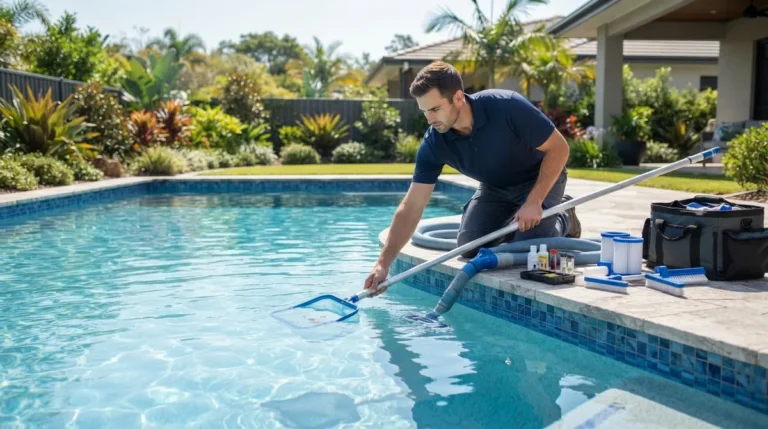
Pool equipment works hard every single day. Pumps, filters, heaters, and chemical feeders all run together to keep your water clean and safe. When one part fails, the whole system suffers. Water quality drops, energy bills rise, and small problems can grow into expensive ones.
For families, a broken pool means missed swim days. For commercial property managers in Tampa, it can mean safety issues or code violations. Staying on top of repairs — and better yet, preventing them — keeps your pool running smoothly all year long. Our team at Pool Cleaning Services Tampa understands exactly how important that is.
The Most Common Pool Equipment Problems
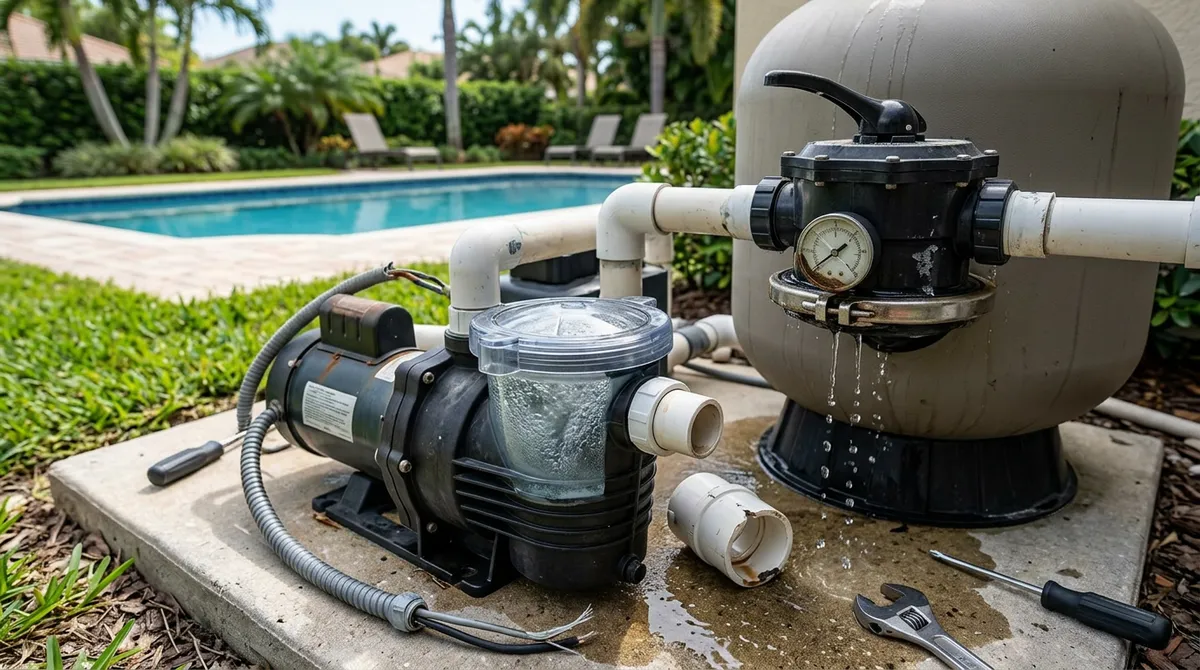
Before you can fix a problem, you need to know what you’re dealing with. Here are the most common pool equipment issues Tampa pool owners face:
- Pool pump failure: Strange noises, low water flow, or the pump not starting at all
- Clogged or dirty filters: Cloudy water, reduced circulation, or high filter pressure readings
- Heater malfunctions: Water not reaching the desired temperature or heater shutting off unexpectedly
- Leaking valves or pipes: Wet spots around equipment, loss of water level, or air in the system
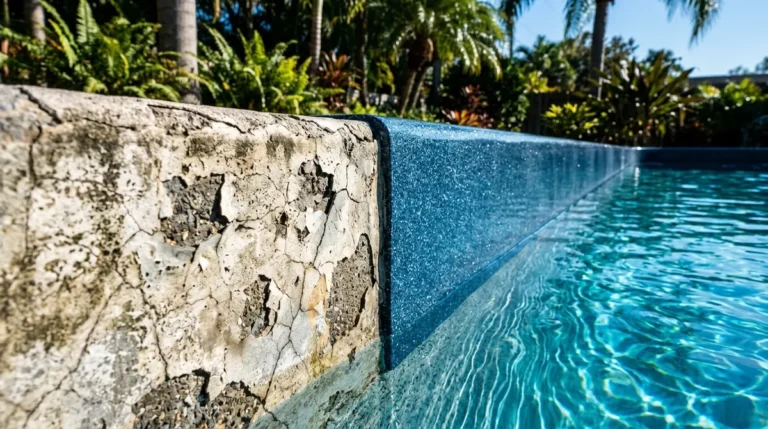
- Pool liner damage: Tears, wrinkles, or fading that affect water retention and appearance
- Chemical feeder issues: Inconsistent chlorine levels or equipment corrosion from improper chemical exposure
Catching these issues early saves you time and money. That’s why regular inspections are so important. The Independent Pool and Spa Service Association (IPSSA) recommends routine maintenance checks to prevent small issues from becoming big repairs.
Pool Equipment Repair: Signs You Shouldn’t Ignore
Your pool will often give you warning signs before equipment fully breaks down. Here’s what to watch for:
- Unusual grinding or humming sounds from your pump
- Water that stays cloudy even after chemical treatment
- A noticeable drop in your pool’s water level
- Higher-than-normal energy bills without explanation
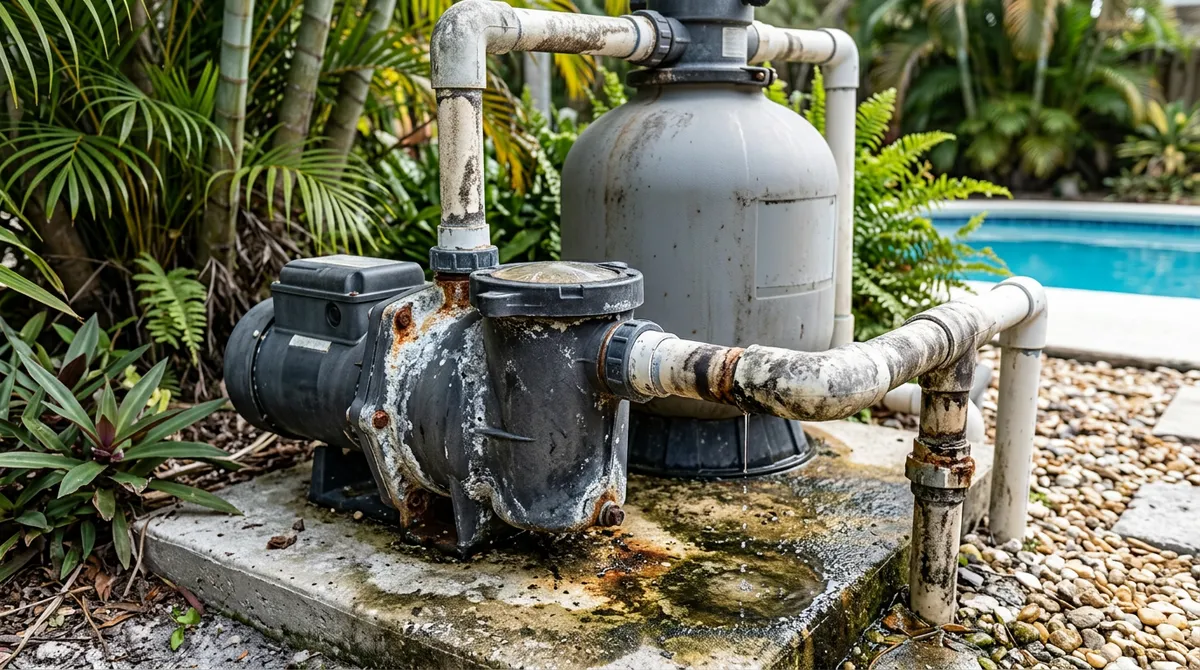
- Visible rust, cracks, or corrosion on equipment
- Weak return jets or poor water circulation
If you notice any of these signs, don’t wait. Early action on pool equipment repair almost always costs less than fixing a full breakdown. You can also reach out to our team through our contact page for a free estimate and professional advice.
Understanding Your Pool’s Key Equipment
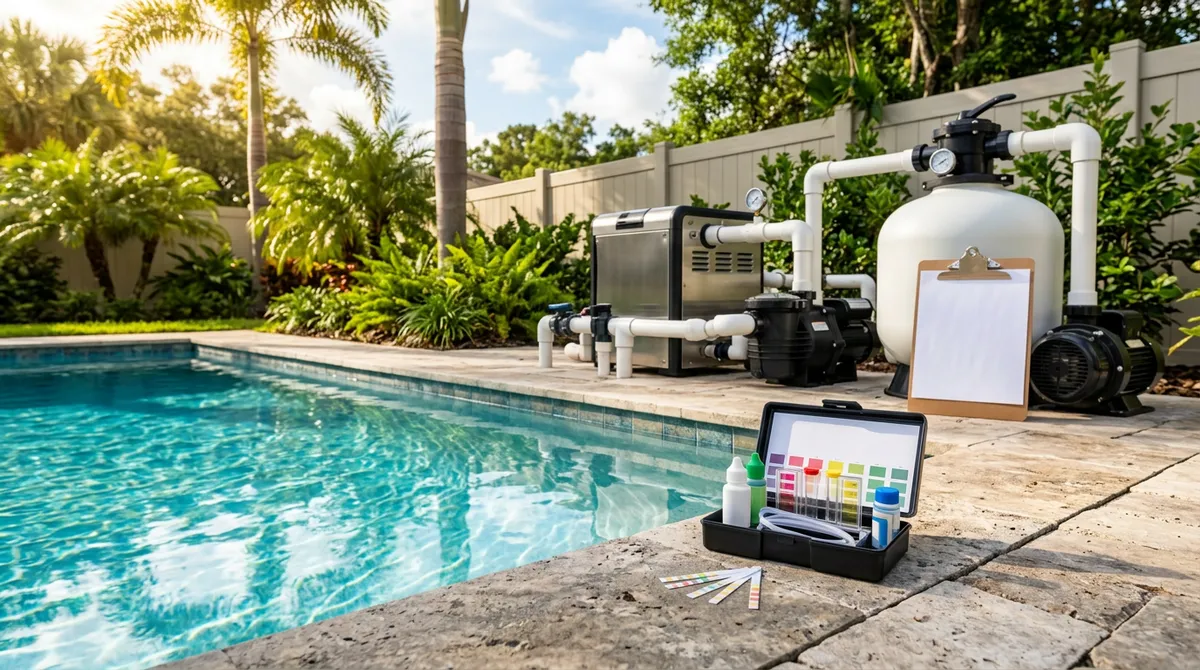
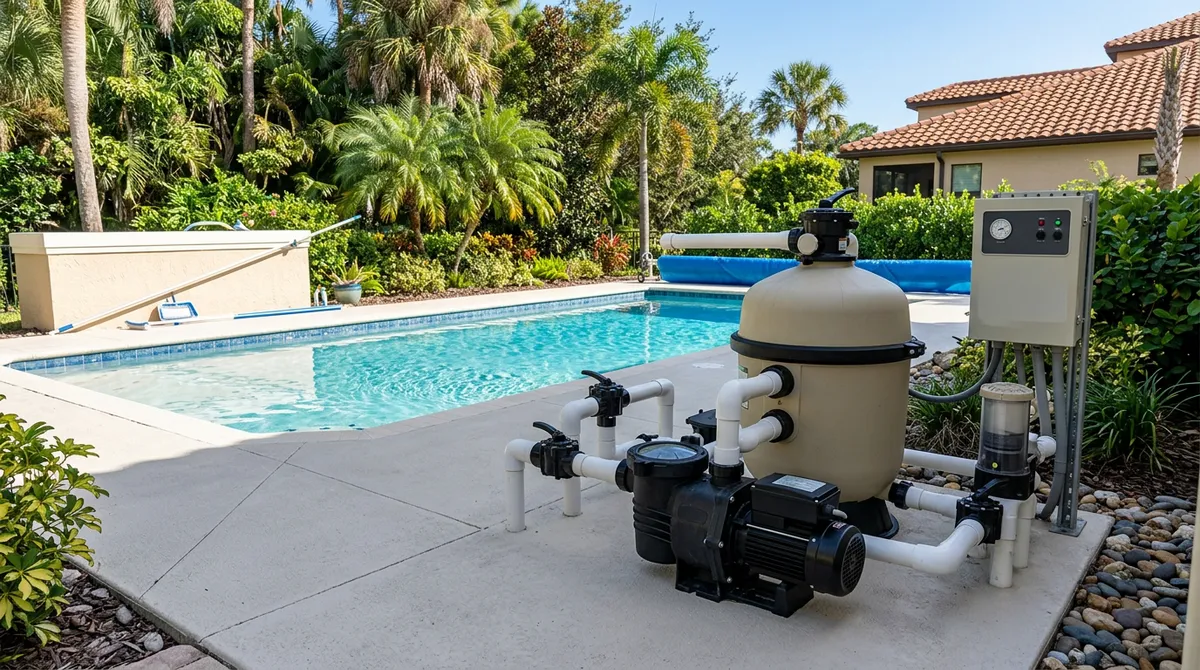
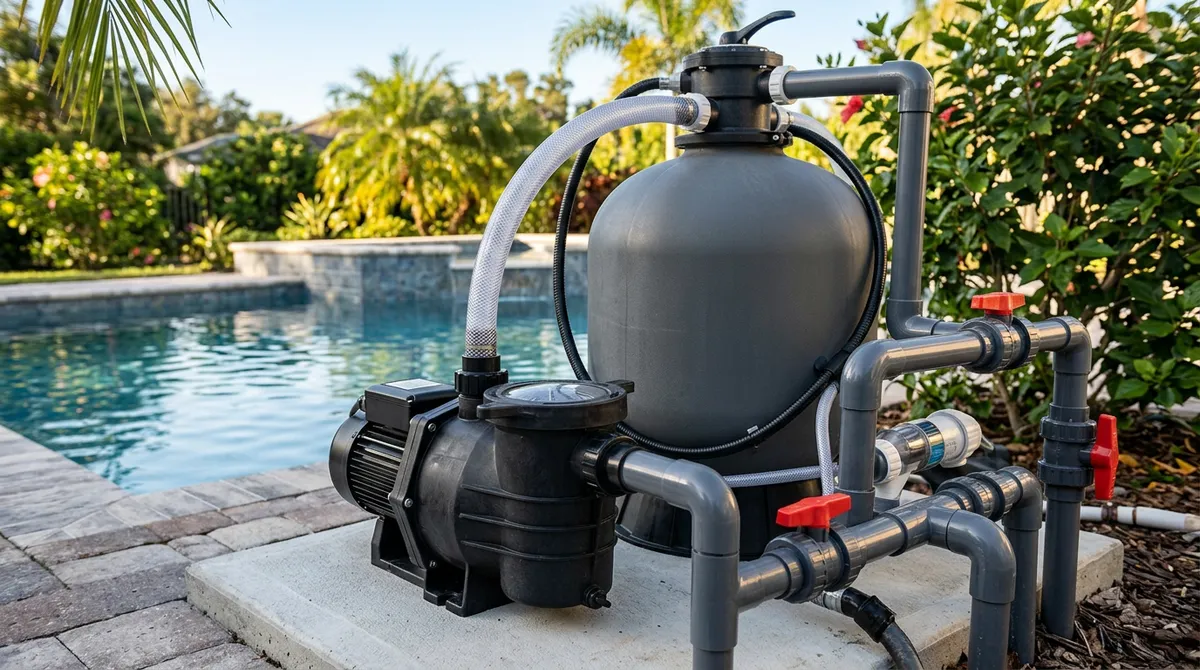
Knowing your equipment helps you understand what might need repair. Here’s a quick overview of the main components and what they do:
| Equipment | Function | Common Repair Need | Replacement Timeline |
|---|---|---|---|
| Pool Pump | Circulates water through the system | Motor failure, seal leaks | 8–12 years |
| Sand Filter | Removes debris from water | Clogging, broken laterals | Sand: every 3–5 years |
| Cartridge Filter | Traps fine particles | Tears, dirty cartridges | Cartridge: every 1–2 years |
| Pool Heater | Warms pool water | Ignition issues, scaling | 10–15 years |
| Pool Liner | Holds water and provides finish | Tears, fading, wrinkles | 7–10 years |
| Chemical Feeder | Distributes sanitizer evenly | Corrosion, clogs | Varies by use |
Understanding this table helps you plan ahead. For example, if your pool liner is approaching the 7–10 year mark, it’s smart to start budgeting for a replacement before a major tear occurs.
Pool Filter Maintenance: Keep the Water Clear
Your filter is one of the hardest-working parts of your pool system. Without proper care, it can become a source of problems rather than a solution. Here’s what you need to know about the three main filter types:
Sand Filters
Sand filters are popular and durable. They work by trapping debris as water passes through sand media. To keep them working well, backwash every few weeks to flush out accumulated dirt. Replace the sand every 3–5 years, as it wears down over time and becomes less effective.
Cartridge Filters
Cartridge filters catch finer particles than sand filters. Rinse the cartridge regularly and inspect it for tears. Most cartridges need replacing every 1–2 years, depending on how hard they work. A torn cartridge lets debris pass right through — which means cloudy water and more strain on other equipment.
DE (Diatomaceous Earth) Filters
DE filters offer the finest filtration of all three types. They need to be backwashed and recharged with DE powder after each cleaning. Over time, the internal grids can crack and need repair. A well-maintained DE filter is incredibly effective and worth the extra care.
Pool Pump Repair: What to Look For
The pump is the heart of your pool. It keeps water moving through the filter and back into the pool. When it fails, your whole system suffers. Here are the most common pump problems and what causes them:
- Cavitation: This happens when the pump struggles to pull water. It causes a loud, gurgling noise and can damage the impeller over time.
- Seal leaks: Water leaking from around the pump housing often points to a worn seal. Catching this early prevents motor damage.
- Motor overheating: Poor ventilation, low voltage, or running dry can cause the motor to overheat and shut off.
- Clogged impeller: Leaves, hair, and debris can jam the impeller, reducing water flow and putting stress on the motor.
- Capacitor failure: The pump hums but won’t start? A failed start capacitor is often the culprit and is usually a simple fix.
Regular pump inspections catch most of these issues before they become serious. If you’re in West Chase or nearby areas, our Pool Maintenance in West Chase team can help keep your pump in top shape.
Pool Heater Repair and Seasonal Care
Even in sunny Tampa, a pool heater is a great addition — especially for cooler months or early mornings. Heaters can develop problems from scale buildup, corrosion, or ignition issues. Here’s a simple seasonal care checklist:
- Inspect the heater for rust, cracks, or corrosion at the start of each season
- Test the ignition system to make sure it fires up properly
- Check for proper gas pressure (for gas heaters) or electrical connections (for heat pumps)
- Clean out any debris or insect nests that may have formed around the unit
- Verify that water flow through the heater meets the manufacturer’s minimum requirements
Maintaining proper water chemistry also protects your heater. The EPA Pool Water Efficiency guidelines recommend keeping pH between 7.4 and 7.6 and chlorine between 1 and 3 ppm. Imbalanced water corrodes heater components faster than almost anything else.
Pool Liner Care and Repair Tips
A healthy pool liner does more than look good — it holds your water in! Pool liners typically last 7–10 years with proper care. Here’s how to extend their life and catch problems early:
- Inspect the liner regularly for small tears, especially around fittings and steps
- Watch for wrinkles, which can indicate water or chemical imbalances
- Maintain proper pH (7.4–7.6) and chlorine levels to prevent liner degradation
- Avoid using sharp tools or toys in the pool that could puncture the liner
- Keep the pool filled to the appropriate level — running the pool too low stresses the liner
Small tears can sometimes be patched with a vinyl repair kit. But larger tears, widespread fading, or consistent wrinkling usually mean it’s time for a full replacement. The Florida Swimming Pool Association (FSPA) offers great resources for Florida-specific pool care standards that apply to liner maintenance too.
DIY vs. Professional Pool Equipment Repair
It’s tempting to handle pool repairs yourself. But not all repairs are created equal. Here’s a simple breakdown to help you decide:
| Repair Task | DIY Friendly? | Why Professional Help Helps |
|---|---|---|
| Backwashing a sand filter | Yes | Easy with basic knowledge, but pros catch bigger issues |
| Rinsing a cartridge filter | Yes | Simple rinse, but inspection for tears needs a trained eye |
| Patching a small liner tear | Sometimes | Kits work for small holes; larger tears need expert work |
| Pump motor replacement | No | Electrical work and proper sizing require expertise |
| Heater repair or replacement | No | Gas and electrical systems need licensed professionals |
| Valve or pipe leak repairs | Sometimes | PVC gluing is manageable, but leak location can be tricky |
When in doubt, always call a professional. A quick inspection can save you from a costly mistake — and keep your family safe.
A Proactive Maintenance Schedule for 2026
The best pool equipment repair is the kind you never have to do. A proactive maintenance schedule helps you stay ahead of problems. Here’s a simple plan to follow throughout the year:
- Weekly: Check water chemistry, skim debris, inspect pump basket and skimmer
- Monthly: Backwash filter, check equipment for visible wear or leaks, review water clarity
- Every 3–6 months: Inspect pool liner, test heater function, lubricate O-rings and gaskets
- Annually: Full equipment inspection, test automation systems, review service history for recurring issues
- Every 1–5 years: Replace cartridge filters, sand media, or DE grids based on age and condition
In 2026, many professional pool service companies use scheduling software to track maintenance history and flag upcoming repairs. This means fewer surprises and more time enjoying your pool. Our Westchase Pool Service team uses a structured approach to keep every pool on track.
Why Choose Professional Pool Equipment Repair in Tampa
Tampa’s warm climate is a blessing for pool owners. But it also means pools get heavy use year-round — which means equipment works harder and wears faster. Professional pool technicians bring the right tools, knowledge, and experience to diagnose issues quickly and fix them right the first time.
At Panther Pools, our certified technicians (CPO #648855) provide reliable, in-house pool equipment repair and maintenance across Tampa. We offer free estimates, seven-days-a-week support, and monthly service plans that keep your pool in peak condition all year long. No rush jobs, no shortcuts — just quality service you can count on.
Conclusion: Keep Your Pool Equipment Running Strong
Your pool deserves the best care. Whether it’s a pump making strange noises, a filter that needs fresh sand, or a liner showing its age, staying on top of pool equipment repair keeps your water clean, your family safe, and your investment protected. The key is to catch problems early, follow a regular maintenance schedule, and know when to call in the pros.
Don’t wait for a breakdown to take action. Get in touch with our friendly Tampa pool care team today for a free estimate and let us help you enjoy your pool without the worry. We’re here seven days a week — because your pool doesn’t take weekends off, and neither do we!
FAQs
Q: How often should I backwash my pool filter?
A: Great question! Sand filters generally need backwashing every 2–4 weeks, depending on how much your pool gets used. If you notice rising filter pressure or cloudy water, that’s your pool’s way of saying it’s time for a backwash sooner than usual.
Q: What are the signs that my pool pump needs repair?
A: Your pump will usually give you a heads-up before it fails completely! Listen for unusual humming, grinding, or gurgling sounds. Also watch for weak water flow from your return jets, water leaking around the pump housing, or the pump shutting off on its own — all of these are worth a professional look.
Q: When should I replace my pool filter sand or cartridge?
A: Pool filter sand typically needs replacing every 3–5 years, while cartridge filters usually last 1–2 years depending on use. If your water stays cloudy after backwashing or rinsing, or if your filter pressure stays high even after cleaning, it’s probably time for a fresh replacement.
Q: How do I know if my pool liner needs repair or full replacement?
A: Small tears and pinhole leaks can often be patched with a vinyl repair kit — quick and easy! But if you’re seeing widespread fading, major tears, persistent wrinkles, or a liner that’s 7–10 years old, a full replacement is usually the smarter and more cost-effective choice in the long run.
Q: Is it worth hiring a professional for pool equipment repair in Tampa?
A: Absolutely — especially for pumps, heaters, and electrical components, where DIY mistakes can be costly or even dangerous. A professional pool technician can quickly spot the root cause of a problem, fix it correctly the first time, and often catch other issues before they become expensive repairs. It’s peace of mind well worth it!