
Key Takeaways
-
Verify that your pool repair service holds proper state licenses and CPO (Certified Pool Operator) certifications in Florida before hiring, as this is non-negotiable for quality work and legal compliance.
-
Choose a full-service provider that offers both regular cleaning and repairs, since technicians who service your pool regularly can spot developing problems early and prevent costly emergencies.
-
Ask specific questions about repair specialties before hiring—confirm they handle leak detection, equipment repair, automation systems, and offer warranties on completed work to avoid unpleasant surprises.
-
Invest in preventive maintenance with weekly or bi-weekly inspections to catch small issues early; this strategy significantly reduces overall repair costs year-round compared to emergency repairs.
-
Prioritize providers with seven-day availability and fast emergency response times, since pool damage from delayed repairs (like pipe leaks) can worsen quickly and cause structural problems.
-
Read detailed customer reviews beyond star ratings, looking for mentions of on-time arrivals, clear communication, and honest pricing, plus before-and-after photos that demonstrate actual results.
Your pool should be a place of fun, relaxation, and cool relief from the Tampa heat. But when something goes wrong — a leaking pipe, a sputtering pump, cracked tiles — that backyard oasis can quickly become a source of stress. Knowing how to choose a great pool repair service is one of the most valuable things you can do as a pool owner. The right team will fix problems fast, prevent future damage, and keep your pool safe for your family, guests, or customers.
In 2026, the pool cleaning and maintenance industry is worth an estimated $28.79 billion globally — and growing. That means there are more service providers than ever. So how do you separate the truly skilled from the rest? This guide walks you through everything you need to know, step by step, so you can make a confident, informed decision.
What Does a Pool Repair Service Actually Do?
A professional pool repair service covers a wide range of fixes that go beyond routine cleaning. While cleaning keeps your water clear and safe, repairs restore the physical components and systems that make your pool function properly. Think of it this way: cleaning is like washing your car, and repair is like fixing the engine.
Understanding what falls under repair work helps you communicate clearly with your service provider. It also helps you spot small issues before they become expensive emergencies. Here are the most common types of pool repairs:
- Leak detection and repair — Finding and sealing cracks, fittings, or plumbing leaks that cause water loss
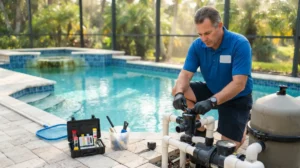
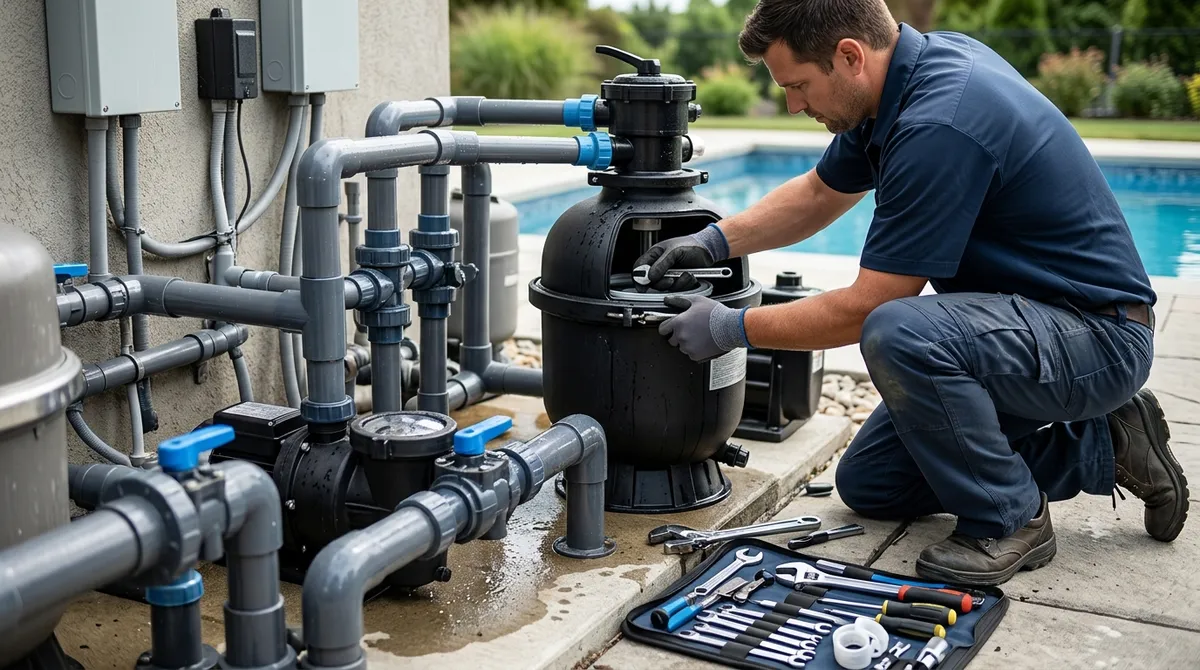
- Pump and motor repair — Fixing or replacing pumps that are noisy, inefficient, or failing
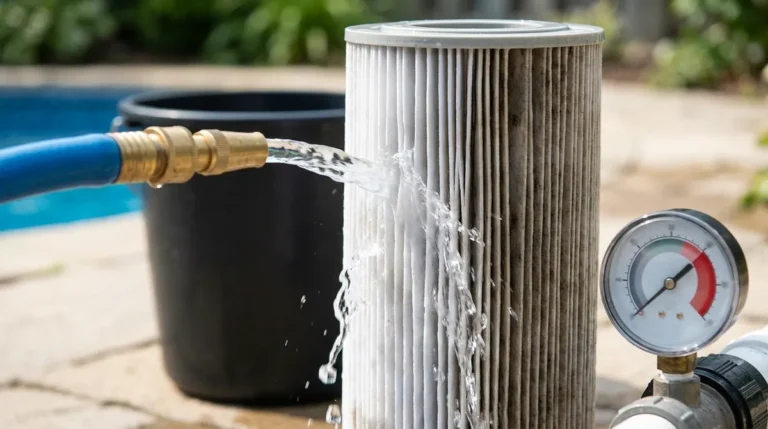
- Filter system repair — Restoring proper water filtration to maintain clean, clear water
- Heater repair — Addressing heating malfunctions that leave your pool too cold or overheating
- Tile and surface repair — Fixing cracked, chipped, or deteriorating pool surfaces and waterline tiles
- Plumbing and drainage repair — Correcting blocked, broken, or leaking underground pipes
- Automation and equipment repair — Servicing smart pool systems, salt chlorinators, and automated controls
If you want to understand more about the full scope of what a repair team handles, check out this helpful overview: What Pool Repair Services Do You Really Need.
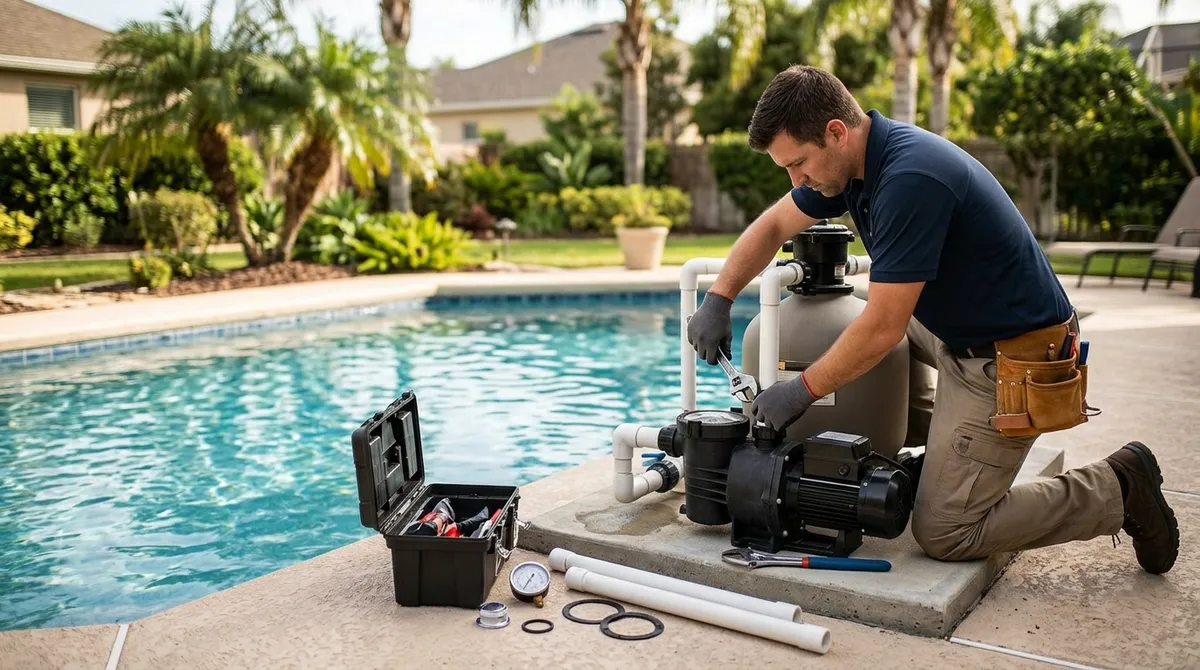
Step-by-Step Guide to Choosing the Right Pool Repair Service
Step 1: Identify the Problem Before You Call
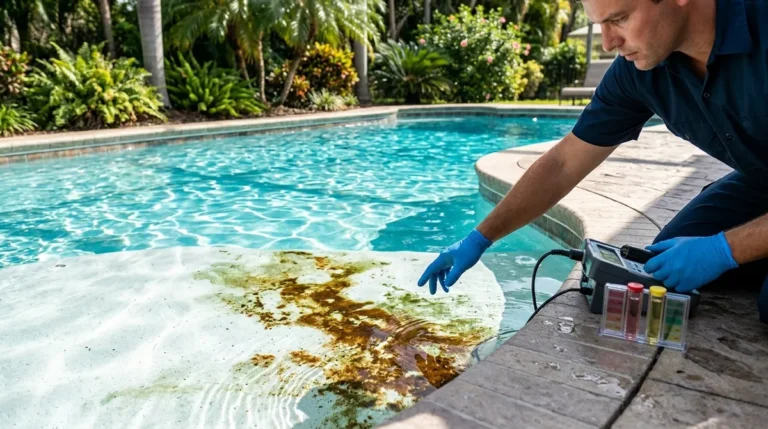
Before reaching out to a pool repair service, take a few minutes to observe and document what’s happening. Is the water level dropping? Is the pump making unusual sounds? Are there visible cracks or stains? The more detail you can share, the faster a technician can diagnose and fix the issue.
Some issues — like algae blooms or cloudy water — may look like repair problems but are actually maintenance or chemical issues. Knowing the difference saves you time and money. Learn more about common signs that something needs professional attention at 7 Signs You Need Pool Service Near Me in Tampa 2026.
Step 2: Look for Proper Licensing and Certifications
This step is non-negotiable. Any reputable pool repair service should hold the appropriate state licenses and professional certifications. In Florida, pool contractors must carry a valid Certified Pool Operator (CPO) credential and relevant contractor licenses for plumbing and structural work.
Certifications from recognized industry organizations add another layer of assurance. Resources like the Independent Pool and Spa Service Association (IPSSA) and the Florida Swimming Pool Association (FSPA) provide standards that reputable service providers follow. A licensed team is less likely to cut corners or leave your pool in a worse state than they found it.
Panther Pools holds a CPO certification (CPO 648855) and a CPC License (CPC1461336), giving Tampa pool owners confidence that their repairs are done right the first time.
Step 3: Choose a Company That Offers Both Cleaning and Repairs
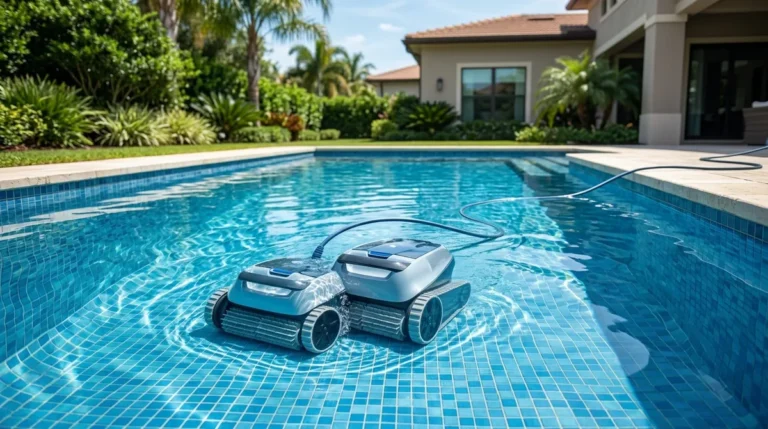
The best pool repair service providers don’t just show up for emergencies — they also offer ongoing maintenance and cleaning. Why does this matter? Because technicians who regularly service your pool already know its history, quirks, and vulnerabilities. They’re far more likely to spot a developing problem before it becomes a costly repair.
Combining repair services with a regular cleaning plan is also more convenient and often more cost-effective. If you’re exploring this option, take a look at Pool Cleaning Services Tampa to see how a full-service approach works.
Step 4: Ask About Their Repair Specialties
Not every pool service company handles every type of repair. Some focus on equipment, while others specialize in structural work or resurfacing. Make sure the provider you choose is experienced in the specific type of repair your pool needs.
Here are some useful questions to ask a pool repair service before hiring them:
- Do you handle leak detection in addition to the actual repair work?
- Are your technicians trained and certified to work on pool automation systems?
- Do you repair and install equipment like pumps, heaters, and salt systems?
- Can you handle pool resurfacing or tile replacement if needed?
- Do you offer a warranty on repairs completed?
Getting clear answers to these questions upfront protects you from unpleasant surprises later. You can also review what a full equipment repair scope looks like at Pool Equipment Repair: What Tampa Owners Need to Know.
Step 5: Read Reviews and Look at Real Results
Customer reviews are one of the most reliable ways to gauge a pool repair service’s quality. Look beyond the star rating — read the actual comments. Do customers mention on-time arrivals? Clear communication? Honest pricing? Lasting results? Those details reveal far more than a number rating ever could.
Photos of before-and-after work (like green-to-clean transformations or repaired equipment) are a great bonus. They show you what a company can actually deliver, not just what they claim.
Step 6: Confirm Availability and Response Time
Pool problems don’t always happen on a Monday morning. A cracked pipe or failed pump on a Saturday afternoon can ruin your weekend plans — and cause serious water damage if left unaddressed. That’s why you want a pool repair service that offers support seven days a week.
Emergency repairs, in particular, need a provider who responds quickly. For more on what to look for in urgent situations, visit 7 Emergency Pool Repair Signs You Can’t Ignore in Tampa. Fast response time isn’t just convenient — it can prevent a small issue from becoming a major structural problem.
Common Pool Repairs by Pool Age
Older pools require more repair attention. As a pool ages, its components wear down and its surfaces become more prone to damage. Knowing what to expect can help you plan ahead and budget accordingly.
| Pool Age | Common Repair Issues | Priority Level |
|---|---|---|
| 0–5 Years | Minor equipment adjustments, automation setup | Low |
| 5–10 Years | Pump wear, filter issues, tile cracking | Moderate |
| 10–15 Years | Heater failure, surface deterioration, plumbing leaks | High |
| 15+ Years | Structural cracks, full resurfacing, plumbing replacement | Critical |
If your pool is showing signs of aging, don’t wait for a full breakdown. Regular inspections by a qualified pool repair service can catch problems early. Learn more about surface-related warning signs at 15 Pool Resurfacing Signs Every Tampa Pool Owner Must Know.
Red Flags to Avoid When Hiring a Pool Repair Service
Not every company that offers pool repairs will deliver quality results. Keep an eye out for these warning signs when evaluating potential service providers:
- No license or certification — This is an immediate disqualifier in Florida
- Vague estimates with no breakdown — Reputable companies give free, itemized estimates
- Pressure to make immediate decisions — Good technicians give you time to review your options
- No warranty on repairs — Quality work should come with a guarantee
- Poor communication or unavailability — If they’re hard to reach before the job, they’ll be harder after
For even more guidance on what to watch for, check out 7 Pool Equipment Repair Mistakes You Should Never Make. Avoiding these mistakes can save you hundreds — sometimes thousands — of dollars.
How Preventive Maintenance Reduces Repair Costs
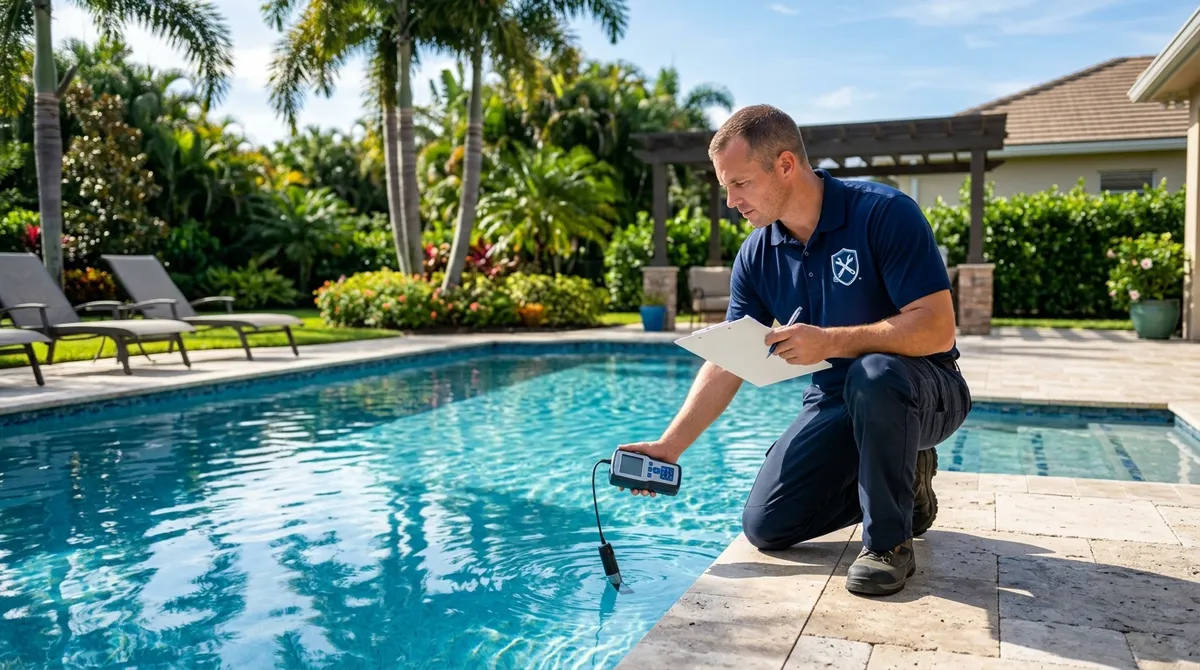
One of the smartest things a pool owner can do is invest in regular preventive maintenance. Think of it the same way you think about an annual car checkup — small, routine services prevent massive breakdowns down the road.
A professional pool cleaning and maintenance team will:
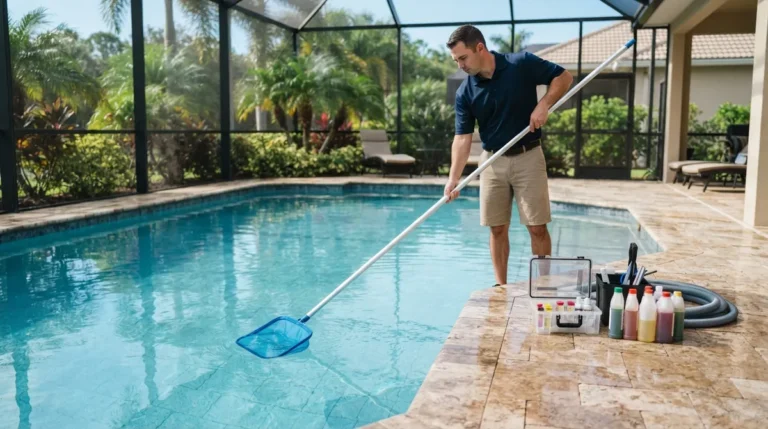
- Check and balance water chemistry at every visit
- Inspect equipment like pumps, filters, and heaters for early signs of wear
- Clean baskets, skimmers, and filters to maintain proper flow
- Identify and report any visible cracks, leaks, or structural concerns
- Recommend timely repairs before small issues grow into expensive problems
The EPA Pool Water Efficiency resources also highlight how proper maintenance helps conserve water and energy — which is good for your wallet and the environment. Staying on top of regular service visits is one of the best ways to minimize your overall pool repair costs year after year.
If you want a more detailed look at what a well-rounded maintenance plan covers, visit Pool Maintenance Services: What Every Tampa Pool Owner Needs to Know.
What Sets a Great Pool Repair Service Apart
When you strip away the marketing language, the best pool repair service providers share a few key qualities. Here’s a quick comparison to help you evaluate your options:
| Quality | What to Look For |
|---|---|
| Licensing | Valid CPO certification and state contractor licenses |
| Experience | Years of hands-on repair experience in your pool type |
| Communication | Clear estimates, honest timelines, and regular updates |
| Availability | Seven-day support and emergency response capability |
| Full-Service Scope | Handles cleaning, repairs, equipment, and renovations |
| Reputation | Strong reviews, visible results, and community trust |
When all of these qualities come together, you get a service provider you can truly rely on. If you’re still weighing your options, 7 Signs of a Truly Reliable Pool Service in Tampa offers a helpful checklist to guide your decision.
Special Considerations for Commercial Pool Owners
If you manage a hotel, apartment complex, or community facility in Tampa, your pool repair needs are even more urgent. A pool that’s out of service means unhappy guests, potential liability issues, and regulatory fines. Commercial pool owners need a repair service that understands compliance standards, responds quickly, and offers consistent seven-day availability.
Look for a provider experienced in commercial environments who can handle everything from equipment repair to water chemistry compliance. For more on this topic, visit Why Is Commercial Pool Service Essential for Tampa Facilities?.
Making the Right Call for Your Pool
Choosing the right pool repair service doesn’t have to be overwhelming. When you know what to look for — proper licensing, full-service capabilities, strong reviews, and seven-day availability — you can make a smart choice with confidence. The goal is to find a team that treats your pool like their own and backs their work with real expertise.
Whether you’re a busy family in the suburbs, a luxury homeowner, a first-time pool owner, or a property manager overseeing multiple facilities, the right pool repair service makes all the difference. Don’t wait for a small problem to become a big headache. Reach out to a trusted team today and keep your pool in top shape all year long.
Ready to get started? Get in touch with our team at Panther Pools for a free estimate and discover why Tampa pool owners trust us to handle their repairs, maintenance, and everything in between.
FAQs
Q: What is included in a pool repair service?
A: A pool repair service typically covers leak detection, pump and motor repair, filter system fixes, heater repairs, tile and surface repairs, and plumbing work. Many providers also handle equipment upgrades and automation system repairs. The best services bundle repairs with regular cleaning and maintenance for a complete care plan.
Q: What are the most common pool repairs for Tampa homeowners?
A: In Tampa, some of the most common pool repairs include leak detection and sealing, pump motor replacement, tile and surface repair, and heater servicing. The warm Florida climate and heavy pool use mean equipment works hard year-round, which can accelerate wear. Scheduling regular inspections helps catch these issues early before they become costly.
Q: How often should a pool be inspected for repair needs?
A: Ideally, your pool should be inspected at every routine service visit — which for most Tampa homeowners means weekly or bi-weekly. At minimum, a thorough equipment and structural inspection should happen at least once a year. Older pools (10+ years) benefit from more frequent checks since aging components are more prone to failure.
Q: Can a pool repair service also fix leaks and plumbing problems?
A: Yes! A qualified pool repair service should be able to handle both leak detection and the actual plumbing repairs needed to fix them. This includes identifying the source of water loss, sealing cracks, and repairing underground pipes. Always confirm that your service provider holds the proper licensing for plumbing work in Florida before booking.
Q: What is the difference between pool maintenance and pool repair?
A: Pool maintenance involves routine care like cleaning, water balancing, and filter cleaning — the tasks that keep your pool healthy day to day. Pool repair, on the other hand, involves fixing broken or damaged components like pumps, tiles, plumbing, or pool surfaces. Think of maintenance as prevention and repair as the fix when something goes wrong. The best providers offer both!