
Key Takeaways
-
Recognize early signs of pool surface deterioration like rough texture, stains, and cracks to prevent costly future repairs.
-
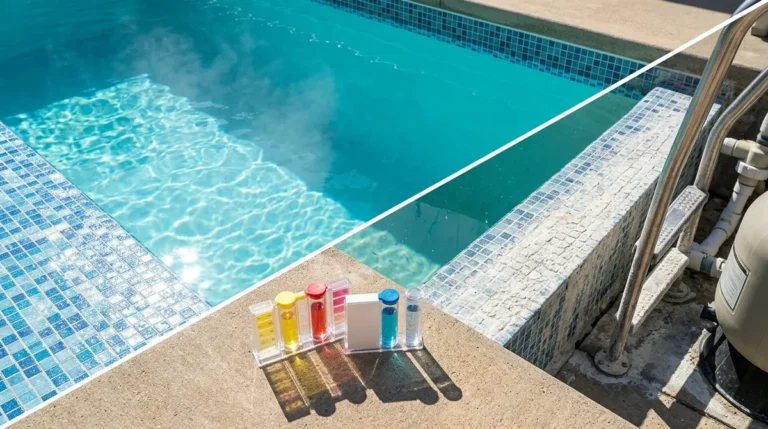
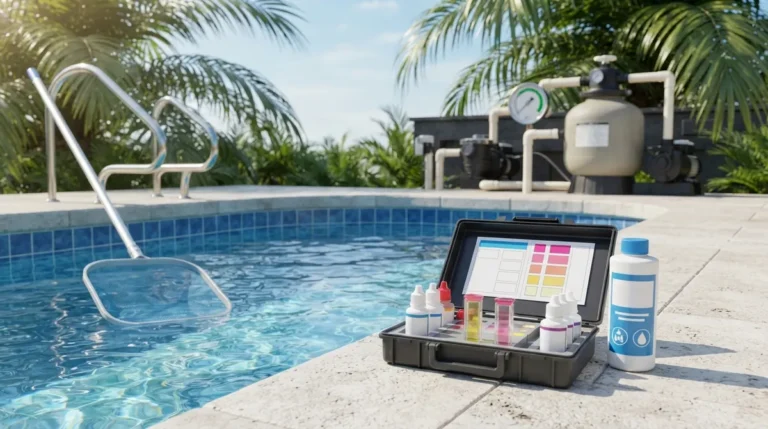
Monitor water chemistry and pool surface condition; frequent chemical imbalances can indicate underlying surface problems needing resurfacing.
-
Pool surfaces typically need resurfacing every 7-18 years, depending on material and maintenance in Tampa’s challenging climate.
-
Visible surface issues like chalky residue, pitting, and discoloration signal that professional resurfacing is necessary to maintain pool integrity.
-
Age of pool surface is a critical factor; most finishes have a specific lifespan that determines optimal resurfacing timing.
-
Water loss and difficulty maintaining cleanliness are key indicators that your pool surface might require professional attention.
-
Modern pool resurfacing offers advanced materials with better durability, UV resistance, and aesthetic options compared to older finishes.
Your pool is more than just a place to cool off during Tampa’s hot summers—it’s a backyard oasis where families gather, kids learn to swim, and neighbors become friends. But over time, even the most beautiful pools can start to show their age. Rough surfaces, stubborn stains, and unexpected cracks can turn your sparkling retreat into a source of stress. That’s where pool resurfacing comes in, and understanding when your pool needs this essential service can save you thousands of dollars in future repairs.
Pool resurfacing isn’t just about making your pool look pretty again. It’s about protecting your investment, ensuring swimmer safety, and maintaining the structural integrity of your pool. Whether you’ve inherited an older pool with your new home or you’ve enjoyed your pool for years, knowing the warning signs that it’s time to resurface can help you act before minor issues become major headaches. In this guide, we’ll walk you through everything Tampa pool owners need to know about pool resurfacing, from recognizing the telltale signs to understanding what the process involves.
At Panther Pools, we’ve helped countless Tampa families restore their pools to pristine condition, and we’re here to share our expertise with you.
Understanding What Pool Resurfacing Really Means
Pool resurfacing is the process of renewing the interior surface of your swimming pool to restore its appearance, safety, and functionality. Think of it like refinishing hardwood floors in your home—you’re removing the worn, damaged layer and applying a fresh, protective coating that makes everything look and feel brand new again.
The process typically involves draining your pool completely, removing the old surface material through sandblasting or hydro-blasting, making any necessary structural repairs, and then applying a new finish. Most concrete and gunite pools need resurfacing every 7 to 18 years, depending on the materials used and how well the pool has been maintained. In Tampa’s unique climate, with our intense sun, high humidity, and frequent rain, pools often show wear faster than in other parts of the country.
Different pool types require different approaches. Concrete and gunite pools are the most common candidates for traditional resurfacing, while vinyl liner pools need liner replacement rather than resurfacing, and fiberglass pools may require specialized coatings or gel coat repairs. Understanding your pool type is the first step in knowing what kind of resurfacing service you’ll need.
15 Clear Signs Your Pool Needs Resurfacing
1. Rough or Abrasive Surface Texture
Have you noticed that your feet feel scratchy or uncomfortable when walking on the pool floor? This is one of the earliest and most common signs that your pool surface is deteriorating. Over time, the smooth plaster or finish wears away, exposing the rough aggregate beneath. This isn’t just uncomfortable—it can actually cause cuts and scrapes, especially for children who love to play on the pool floor.
When you run your hand along the pool walls or floor and it feels like sandpaper instead of smooth finish, that’s your pool telling you it needs attention. The rough texture also makes it harder to keep your pool clean, as dirt and algae can cling to the uneven surface more easily.
2. Visible Cracks and Fissures
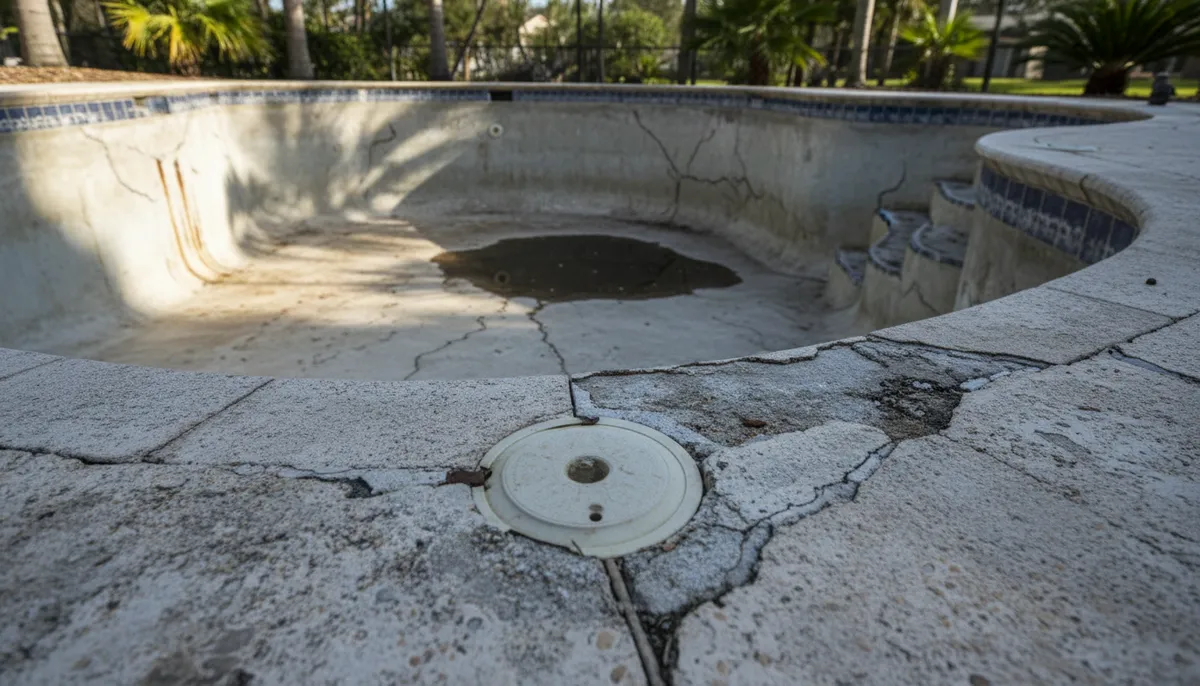
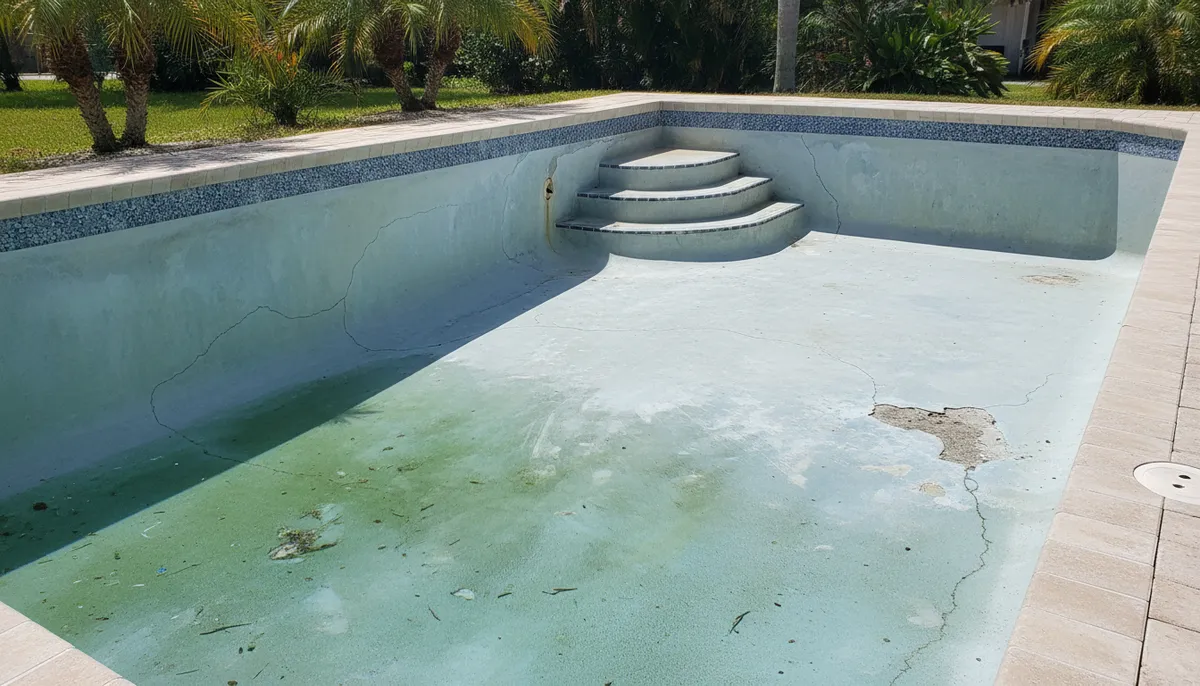
Cracks in your pool surface can range from tiny hairline fractures to larger structural cracks that look like spider webs across your pool floor. While small surface cracks might seem like just cosmetic issues, they can quickly become bigger problems. Water can seep through these cracks, potentially damaging the underlying structure and causing leaks that waste water and increase your utility bills.
In Tampa’s climate, the constant cycle of heat and occasional cold snaps can cause pool surfaces to expand and contract, making existing cracks worse over time. If you’re spotting new cracks each season, it’s definitely time to consider resurfacing before the damage becomes more extensive and expensive to repair.
3. Persistent Staining That Won’t Go Away
Every pool gets stains occasionally, but if you’re dealing with discoloration that won’t budge no matter how much you scrub or what chemicals you use, your pool surface has likely absorbed the staining material. Common culprits include iron deposits that create rust-colored stains, copper that leaves blue-green marks, or organic material that causes brown or purple discoloration.
When stains penetrate deep into the porous surface of aging plaster, regular cleaning and chemical treatments become ineffective. These permanent stains not only make your pool look neglected, but they’re also a sign that the protective surface layer has broken down and can no longer properly seal against contaminants.
4. Blotchy or Mottled Appearance
Does your pool surface look uneven in color, with some areas darker or lighter than others? This blotchy appearance, often called mottling, happens when the chemical composition of the plaster becomes inconsistent. It’s particularly common in older pools where patches and repairs have been made over the years with slightly different materials.
While mottling doesn’t always indicate structural problems, it does show that your pool surface is aging and losing its uniformity. This uneven appearance can make your whole backyard look less appealing and suggests that the surface material is breaking down at different rates across your pool.
5. Frequent Chemical Imbalances
Are you constantly adjusting your pool chemistry, but the pH and alkalinity levels just won’t stay balanced? A deteriorating pool surface can leach minerals and compounds into the water, throwing off your chemical balance no matter how carefully you monitor it. This is especially true as plaster ages and begins to break down.
When you find yourself adding more chemicals than usual or struggling to maintain proper water chemistry despite following all the right procedures, your pool surface might be the hidden culprit. A fresh, properly sealed surface makes water chemistry much easier to manage and can actually save you money on chemicals in the long run.
6. Chalky Residue or White Buildup
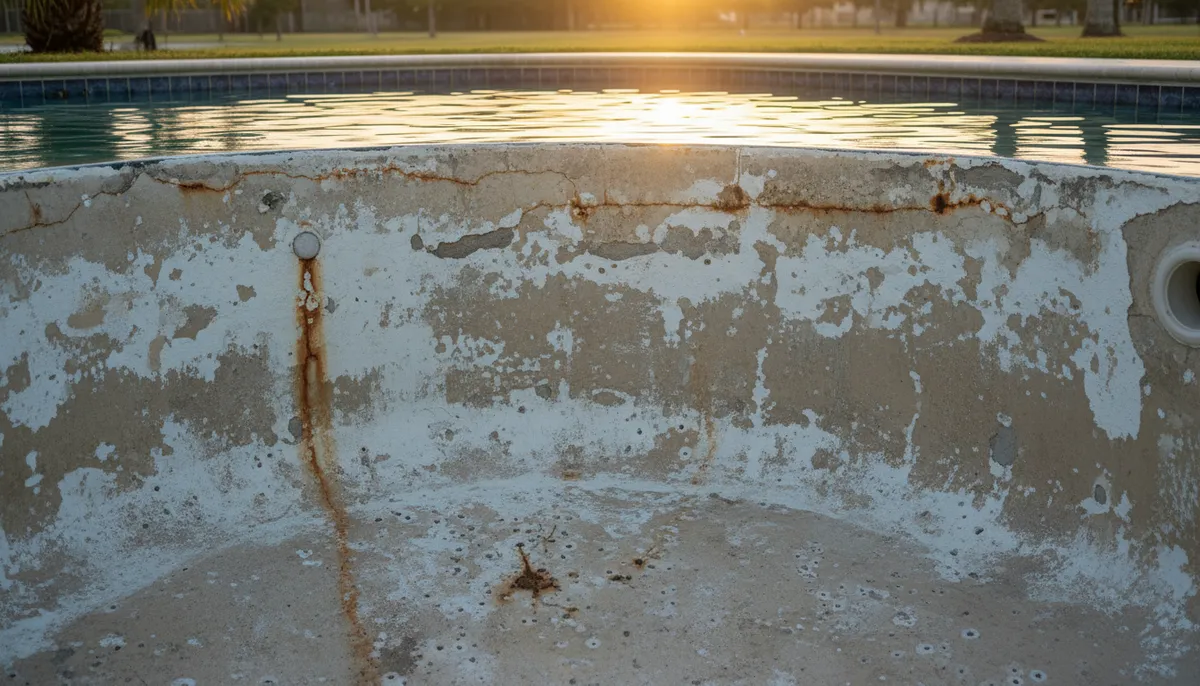
Have you noticed a chalky white residue on your pool walls or a cloud of white dust when you brush the surface? This is calcium carbonate leaching out from the plaster, a condition called chalking. As pool plaster ages, it can release calcium into the water, leaving this powdery coating behind.
Chalking not only makes your pool look dingy, but it also indicates that the binding materials in your plaster are breaking down. The more you see this white residue, the weaker your pool surface is becoming. Professional resurfacing is the only way to stop this deterioration and restore a solid, sealed surface.
7. Visible Erosion or Pitting
Small holes, divots, or pitted areas in your pool surface are clear signs of advanced deterioration. This erosion happens when chemicals eat away at the pool finish, or when poor water chemistry has attacked the surface over time. Tampa’s hard water can accelerate this process, especially if calcium hardness levels haven’t been properly maintained.
Pitting creates little pockets where algae and bacteria can hide, making your pool harder to clean and potentially less safe for swimmers. These rough spots can also snag swimsuits and pool cleaning equipment. Once pitting starts, it typically spreads and worsens, so addressing it sooner rather than later saves you from more extensive repairs.
8. Mysterious Water Loss
Is your pool losing more water than normal evaporation would explain? While Tampa’s hot weather does cause significant evaporation, if you’re adding water more than once a week, you might have a leak. Deteriorating pool surfaces often develop tiny cracks that allow water to seep through into the surrounding soil.
A simple bucket test can help you determine if water loss is from evaporation or a leak. If you discover you’re losing water due to surface damage, resurfacing with modern materials can create a better seal and help you stop wasting water and money.
9. Age of Your Current Surface
Even if your pool doesn’t show obvious problems, age alone can be a valid reason to consider resurfacing. Standard plaster finishes typically last 7 to 12 years, quartz surfaces last 10 to 15 years, and pebble finishes can last 12 to 18 years with proper maintenance. If your pool is approaching or has passed these milestones, it’s wise to start planning for resurfacing.
Being proactive about resurfacing based on age can actually prevent many of the more serious problems we’ve discussed. Think of it as preventive maintenance—like getting your car’s oil changed regularly instead of waiting for the engine to fail.
10. Difficulty Maintaining Cleanliness
Have you noticed that your pool seems to get dirty faster than it used to, or that algae blooms appear more frequently despite regular pool cleaning services? A deteriorating surface with microscopic pores and rough areas provides the perfect environment for algae and bacteria to take hold.
When the smooth, sealed surface of your pool breaks down, it becomes like a sponge, harboring contaminants even after brushing and vacuuming. Professional resurfacing creates a fresh, non-porous barrier that’s much easier to keep clean and requires less intensive maintenance.
11. Discoloration Around Fittings and Returns
Pay special attention to the areas around your pool’s returns, drains, and light fixtures. If you see rust stains, discoloration, or deterioration in these spots, it could indicate that water is getting behind the surface and affecting the structural components underneath. This is particularly concerning because it can lead to equipment failures and more expensive repairs.
These problem areas often appear first because there are seams and joints where the surface meets the fittings, creating natural weak points. Addressing these signs early with proper resurfacing can prevent damage to expensive equipment and keep your pool systems running smoothly.
12. Surface Delamination or Peeling
Delamination occurs when the pool surface begins to separate from the underlying structure, creating bubbles, raised areas, or sections that seem to be peeling away. This is one of the more serious signs that resurfacing is urgently needed, as it indicates that the bond between the finish and the shell has failed.
Delamination usually results from poor initial installation, inadequate surface preparation, or extreme age. Once it starts, it rapidly worsens and can lead to large sections of surface material breaking away. This isn’t just an aesthetic problem—it’s a safety hazard that needs immediate professional attention.
13. Fading or Dull Appearance
While some fading is natural over time, especially under Tampa’s intense Florida sun, a pool that has lost all its luster and looks washed out is showing its age. The pigments in pool finishes break down from constant exposure to UV rays and pool chemicals, leaving your once-vibrant pool looking tired and neglected.
A faded pool doesn’t just lack visual appeal—it often indicates that the protective qualities of the surface have also degraded. Modern resurfacing materials include UV-resistant compounds and advanced pigments that maintain their color much longer than older finishes, giving your pool lasting beauty.
14. Exposed Aggregate or Rebar
If you can see the aggregate stones that make up the underlayment of your pool surface, or worse, if you can see the metal rebar reinforcement showing through, you have a serious problem that requires immediate attention. This level of surface deterioration means there’s essentially no protective layer left, and the structural components of your pool are exposed to water and chemicals.
Exposed rebar is particularly concerning because it will rust when in contact with water, weakening the structural integrity of your pool. This is one situation where delaying resurfacing can lead to exponentially more expensive repairs, including potential structural rebuilding.
15. Your Pool Feels Dated and Uninviting
Sometimes there’s no single dramatic problem—your pool just looks and feels old. Maybe the color is outdated, the texture is ho-hum, or it simply doesn’t match your vision for your backyard anymore. In 2026, modern pool finishes offer stunning options that weren’t available when your pool was built, from glass bead surfaces to natural pebble finishes in designer colors.
There’s nothing wrong with wanting your pool to look beautiful and reflect current trends. Pool resurfacing is an investment in your home’s value and your family’s enjoyment. A fresh, modern surface can completely transform your backyard and make you fall in love with your pool all over again.
The Pool Resurfacing Process Step by Step
Understanding what happens during pool resurfacing can help you prepare and know what to expect. The process typically follows these carefully orchestrated steps:
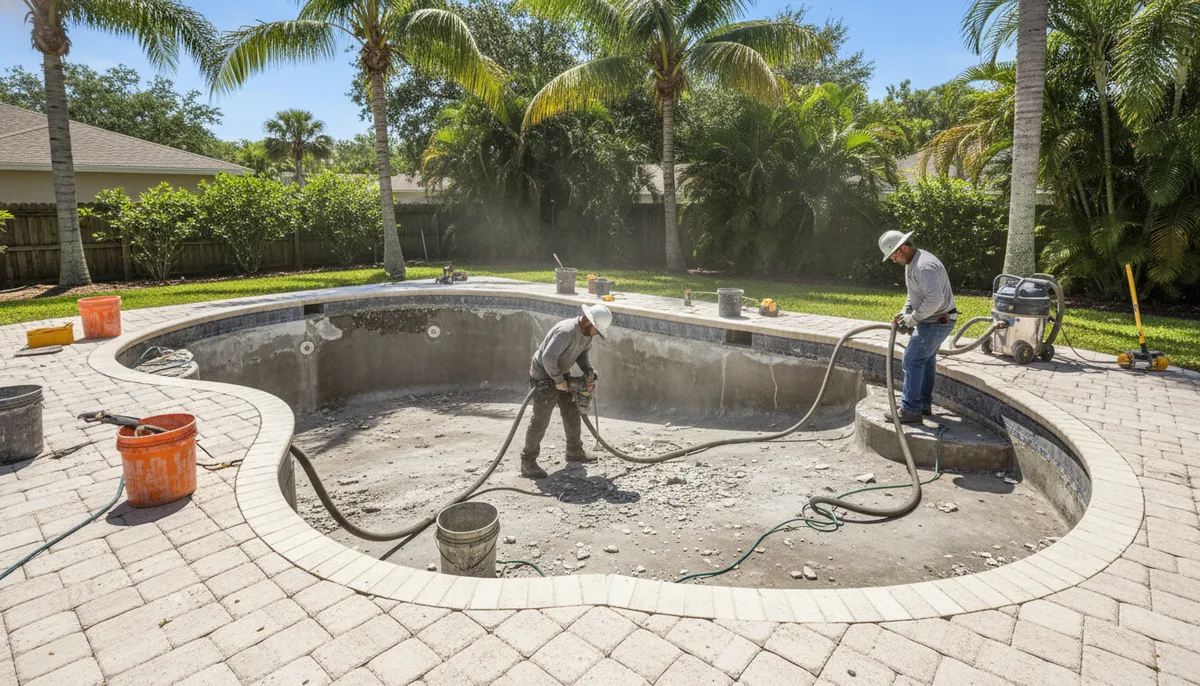
- Draining the Pool: The first step is completely emptying your pool, which usually takes 8 to 12 hours depending on pool size and drainage capacity.
- Surface Removal: Professionals use sandblasting or hydro-blasting equipment to remove the old surface material, exposing the underlying concrete or gunite shell.
- Structural Inspection and Repairs: With the old surface removed, technicians can identify and repair any cracks, damage to the pool shell, or problems with rebar or structural components.
- Surface Preparation: The pool shell is thoroughly cleaned and prepared to ensure proper bonding of the new surface material.
- Bond Coat Application: A special bonding agent is applied to help the new surface material adhere properly to the pool shell.
- New Surface Installation: The chosen finish material—whether plaster, quartz, pebble, or specialty coating—is applied using specialized equipment and techniques.
- Curing Period: The new surface needs time to cure properly, typically 3 to 7 days depending on the material and weather conditions.
- Filling and Startup: The pool is refilled with properly balanced water, and all systems are tested to ensure everything works correctly.
Professional companies handle every step with precision because proper technique at each stage is crucial for a long-lasting, beautiful result. This isn’t a DIY project—specialized equipment, materials, and expertise are essential for quality resurfacing.
Popular Pool Resurfacing Materials for 2026
The pool industry has come a long way in recent years, and today’s resurfacing materials offer impressive durability, beauty, and performance. Here are the most popular options Tampa pool owners are choosing in 2026:
| Material Type | Lifespan | Key Benefits | Best For |
|---|---|---|---|
| Standard Plaster | 7-12 years | Affordable, smooth surface, classic look | Budget-conscious homeowners, traditional pools |
| Quartz Plaster | 10-15 years | Stain-resistant, smoother than plaster, more durable | Families wanting balance of value and performance |
| Pebble Finish | 12-18 years | Extremely durable, natural look, slip-resistant texture | Long-term investment, natural aesthetic preferences |
| Glass Bead | 15-20 years | Luxurious feel, shimmering appearance, stain-resistant | Luxury pools, modern designs, premium properties |
Each material has distinct characteristics that make it suitable for different needs and preferences. Standard plaster remains popular for its affordability and classic smooth feel, perfect for families who plan to update their pool’s look every decade or so. Quartz finishes have become increasingly popular in recent years because they offer enhanced durability and stain resistance at a moderate price point.
Pebble finishes have been trending upward in 2026, particularly among Tampa homeowners who appreciate the natural, beach-inspired aesthetic and want a surface that will last for decades with minimal maintenance. The slightly textured surface also provides good traction for safety. Glass bead finishes represent the premium end of the market, offering a smooth, luxurious feel and stunning visual effects that make pool water sparkle.
Why Professional Pool Resurfacing Matters
You might be wondering whether pool resurfacing is something you could tackle yourself to save money. The honest answer is that professional resurfacing is essential for several important reasons. First, the equipment required—including specialized sprayers, mixers, and surface preparation tools—represents a significant investment that professionals use regularly but homeowners would use only once.
More importantly, proper surface preparation and application technique determine whether your new surface will last 10-15 years or begin failing within months. Professionals understand the precise water-to-material ratios, proper curing conditions, and application methods that ensure a durable, beautiful result. They also know how to identify and address underlying structural issues that could compromise your new surface if left unrepaired.
When you work with experienced professionals, you get the benefit of their knowledge about which materials work best in Tampa’s climate, how to handle our specific water chemistry challenges, and what finishes will give you the aesthetic and performance you’re looking for. They also typically guarantee their work, giving you peace of mind that your investment is protected. According to the Independent Pool & Spa Service Association, working with certified professionals ensures your pool receives proper care using industry best practices.
Maintaining Your Pool After Resurfacing
Once your pool has been beautifully resurfaced, proper maintenance becomes crucial to protecting your investment and ensuring the new surface lasts as long as possible. The first few weeks after resurfacing are especially critical for the curing process. You’ll need to follow specific water chemistry guidelines, typically maintaining lower chlorine levels initially and brushing the surface daily to remove any residual compounds.
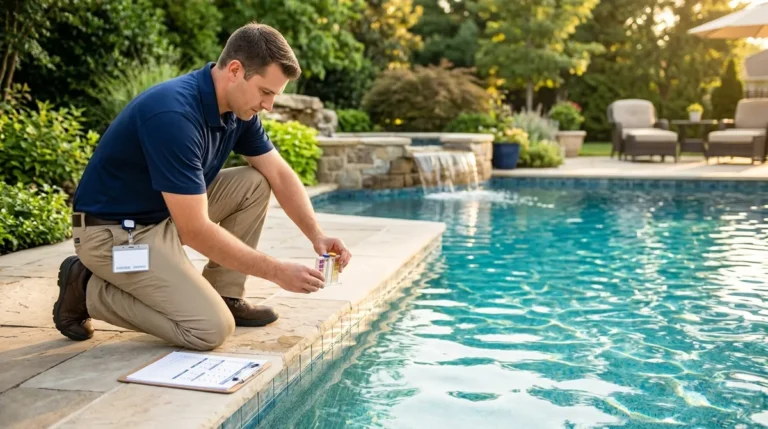
Long-term maintenance involves keeping your water chemistry balanced within optimal ranges. This means testing regularly and adjusting pH (7.4-7.6), alkalinity (80-120 ppm), and calcium hardness (200-400 ppm) to protect your new surface from chemical damage. Tampa’s hard water can be particularly challenging, so working with professional pool maintenance services can help ensure your water chemistry stays in the sweet spot.
Essential Maintenance Practices for Resurfaced Pools
- Test water chemistry 2-3 times per week, especially during the first month after resurfacing
- Brush the entire pool surface at least twice weekly to prevent buildup and maintain smoothness
- Maintain proper water levels to prevent the waterline from becoming permanently stained
- Use appropriate pool cleaning tools—soft brushes for delicate finishes, slightly firmer brushes for pebble surfaces
- Address stains and discoloration immediately before they become permanent
- Keep your filtration system clean and running efficiently to reduce chemical demand
Many modern pool finishes, particularly pebble and glass bead surfaces, are designed to be low-maintenance and resistant to common problems like staining and algae growth. However, no surface is completely maintenance-free. The good news is that with proper care, your beautifully resurfaced pool can provide years of trouble-free enjoyment for your family.
Common Pool Resurfacing Mistakes to Avoid
Even when working with professionals, understanding common mistakes can help you make better decisions about your pool resurfacing project. One frequent error is choosing a finish based solely on appearance without considering durability and maintenance requirements. That gorgeous dark plaster might look stunning, but if you’re not prepared for the extra maintenance it requires in Tampa’s climate, you might regret your choice.
Another mistake is resurfacing without addressing underlying problems. If your pool has structural issues, leaks, or equipment problems, simply covering them with a new surface won’t solve anything. The problems will persist and potentially damage your expensive new finish. This is why working with thorough professionals who conduct complete inspections is so important.
Timing matters too. Trying to rush resurfacing during Tampa’s rainy season can compromise curing and lead to problems with the finished surface. Similarly, cutting corners on the curing process—like adding water too soon or using the pool before it’s fully ready—can cause permanent damage to the new surface. Patience during those first few days pays off with decades of beautiful results.
How Pool Resurfacing Adds Value to Your Home
Beyond the immediate benefits of safety, beauty, and easier maintenance, pool resurfacing represents a smart investment in your property value. In Tampa’s competitive real estate market, pools are a significant selling feature, but only when they’re in excellent condition. A deteriorated pool can actually hurt your home’s value, signaling to potential buyers that the property hasn’t been well maintained.
A freshly resurfaced pool, on the other hand, shows that you’ve invested in your home and taken care of major maintenance items. It removes a potential negotiating point for buyers and may even help your home sell faster. Real estate professionals consistently note that updated outdoor spaces, including well-maintained pools, contribute to strong first impressions and higher perceived value.
The return on investment extends beyond just dollars and cents. For your family, a beautifully resurfaced pool enhances your quality of life right now. It becomes a space you’re proud to show off when friends visit, a safe place for kids to play, and a relaxing retreat after long days. Those intangible benefits add up to significant value over the years you continue to enjoy your home.
Special Considerations for Tampa Pool Owners
Tampa’s unique climate and environment present specific challenges and opportunities when it comes to pool resurfacing. Our intense sunshine and high UV exposure can accelerate fading and surface degradation, making UV-resistant finish materials particularly valuable. The near-constant humidity and warm temperatures create an ideal environment for algae growth, so choosing a smooth, non-porous surface helps with ongoing maintenance.
Tampa’s hard water is another important factor. High calcium levels in our municipal water can lead to scale buildup and calcium deposits on pool surfaces, which is why maintaining proper calcium hardness is especially important here. When selecting resurfacing materials, consider options that resist calcium deposits and scaling. The EPA’s pool water efficiency resources provide valuable guidance on water management in various climates.
Tampa-Specific Pool Resurfacing Tips
- Schedule resurfacing during our drier months (typically October through April) for optimal curing conditions
- Choose lighter-colored finishes to reflect heat and keep water temperatures more comfortable
- Consider finishes with built-in algae inhibitors to combat our warm, humid environment
- Plan for water chemistry adjustments to account for Tampa’s hard municipal water
- Factor in hurricane season when timing your project—you don’t want a newly resurfaced pool when a storm approaches
- Work with local professionals who understand Tampa’s specific challenges and have experience with our climate
The Florida State Pool Association (FSPA) provides additional resources specific to pool care in our region, offering guidance on everything from water chemistry to seasonal maintenance considerations.
Making the Decision: Is It Time to Resurface Your Pool?
After learning about all the signs and considerations, you might still be wondering whether now is the right time for your pool resurfacing project. Start by honestly assessing your pool’s condition against the 15 signs we discussed. If you’re experiencing three or more of these issues, resurfacing should be a serious consideration. If you’re seeing major problems like exposed aggregate, significant structural cracks, or delamination, resurfacing is urgent and shouldn’t be delayed.
Consider your timeline and budget as well. Pool resurfacing is a significant investment, but it’s also one that protects an even larger investment—your pool itself. Waiting too long can lead to structural damage that makes the eventual resurfacing project more expensive and complicated. On the other hand, if your pool is functioning well and the surface is still in decent shape, you might be able to plan for resurfacing in the next year or two rather than immediately.
Think about your family’s needs too. If you have young children who are getting scratched by rough surfaces, or if you’re constantly battling algae and water chemistry issues, the quality-of-life improvements from resurfacing might justify moving forward sooner. Your pool should be a source of joy and relaxation, not a constant source of frustration and maintenance headaches.
Transform Your Pool with Professional Resurfacing
Your pool represents countless summer memories, family gatherings, and peaceful evenings relaxing in your backyard oasis. When it starts showing signs of age and wear, professional resurfacing can restore it to like-new condition and set you up for many more years of enjoyment. The key is recognizing the warning signs early and working with experienced professionals who understand the unique needs of Tampa pools.
Whether you’re dealing with rough surfaces, persistent stains, mysterious water loss, or simply want to modernize your pool’s appearance, resurfacing offers a comprehensive solution. Modern materials provide impressive durability, beautiful aesthetics, and easier maintenance than ever before. With proper care after resurfacing, your renewed pool can serve your family beautifully for 10 to 20 years or more.
Don’t let a deteriorating pool surface diminish your backyard enjoyment or risk causing more serious structural problems. Professional assessment and timely resurfacing protect your investment, enhance safety, and restore the beauty that makes your pool the centerpiece of your outdoor living space. At Panther Pools, we’re passionate about helping Tampa families maintain beautiful, safe pools that bring joy for generations. Our team understands the specific challenges of pool ownership in Florida’s climate, and we’re committed to providing the expert care your pool deserves.
Ready to give your pool the fresh start it deserves? Contact our team today for a professional pool assessment and discover how resurfacing can transform your backyard oasis. Your family’s perfect pool days are just a resurface away.
FAQs
Q: How often does a pool need resurfacing in Tampa?
A: Most pools in Tampa need resurfacing every 7 to 18 years, depending on the surface material and maintenance quality. Standard plaster lasts about 7-12 years, while more durable options like pebble finishes can last 12-18 years. Tampa’s intense sun, high humidity, and hard water can accelerate wear, so regular inspections help you catch problems early and plan accordingly.
Q: Can I use my pool immediately after resurfacing?
A: No, you’ll need to wait while the new surface properly cures, which typically takes 3 to 7 days depending on the material used. During this time, you’ll follow specific water chemistry guidelines and brushing schedules provided by your resurfacing professionals. Rushing this process can permanently damage your new surface, so patience during those first few days is essential for long-lasting results.
Q: What’s the best resurfacing material for Tampa’s climate?
A: Pebble and quartz finishes perform exceptionally well in Tampa’s climate because they resist algae growth, withstand UV exposure better than standard plaster, and handle our hard water more effectively. These materials offer great durability with manageable maintenance requirements. Your specific choice should balance your budget, aesthetic preferences, and how long you plan to enjoy your pool before potentially updating it again.
Q: Will pool resurfacing fix leaks in my pool?
A: Resurfacing can fix small surface cracks that cause minor leaks, but it won’t solve major structural leaks or plumbing issues. Professional resurfacing teams inspect your pool’s structure before starting and will identify whether additional repairs are needed beyond just the surface. It’s essential to address any underlying structural problems at the same time as resurfacing to ensure your investment is protected.
Q: How do I maintain my pool after resurfacing to make it last longer?
A: The key is maintaining balanced water chemistry, especially keeping pH, alkalinity, and calcium hardness in optimal ranges. Brush your pool surface regularly, test water chemistry 2-3 times weekly, and address any stains or problems immediately. Working with professional pool maintenance services ensures consistent care and helps you avoid the common chemical imbalances that can shorten your resurfaced pool’s lifespan.