
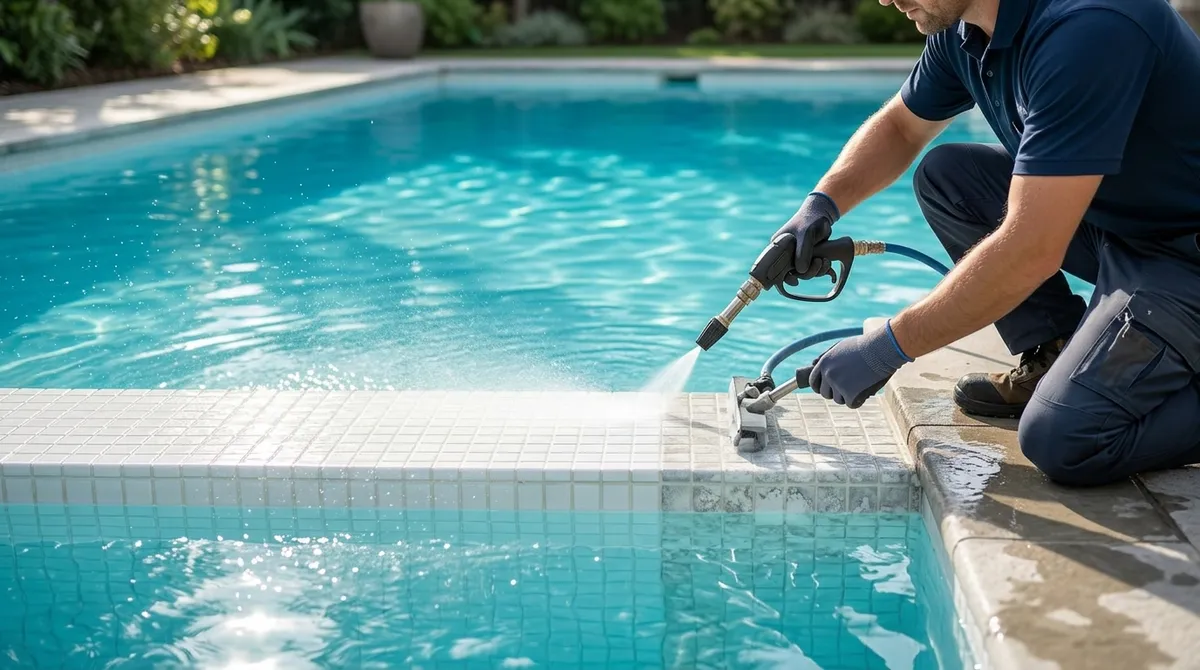
Key Takeaways
-
Professional tile cleaning prevents costly structural damage by catching loose tiles, eroding grout, and water seepage before they require expensive repairs.
-
Schedule professional tile cleaning 1-2 times yearly for Tampa-area pools due to hard water and high evaporation, with trained technicians using glass bead blasting or specialized methods safe for all tile types.
-
Calcium buildup at the waterline is caused by hard water evaporation and improper water chemistry—fixing pH and calcium hardness levels reduces how often you need professional cleaning.
-
Verify that tile cleaning services have CPO credentials, explain their methods for your tile type, include inspection for repairs, and offer free estimates before hiring.
-
Weekly tile brushing and balanced water chemistry between professional visits extend cleaning results, while DIY approaches risk tile damage and miss underlying structural problems.
-
Quality professional services provide post-cleaning inspection reports, water chemistry advice, and personalized maintenance recommendations—benefits that DIY cleaning cannot deliver.
Your pool tiles are one of the first things people notice. When they sparkle, your whole backyard looks amazing. When they’re covered in white crusty buildup or green algae, even the most beautiful pool loses its appeal. Sound familiar? You’re not alone. Pool tile cleaning is one of the most overlooked parts of pool care — until the problem gets bad enough to ignore.
Whether you’re a busy parent in the Tampa suburbs, a retiree who just wants to relax poolside, or a commercial property manager keeping a facility in top shape, choosing the right tile cleaning service makes all the difference. This guide walks you through everything you need to know — from spotting the signs your tiles need attention to picking a pro you can actually trust.
Why Pool Tile Cleaning Is More Important Than You Think
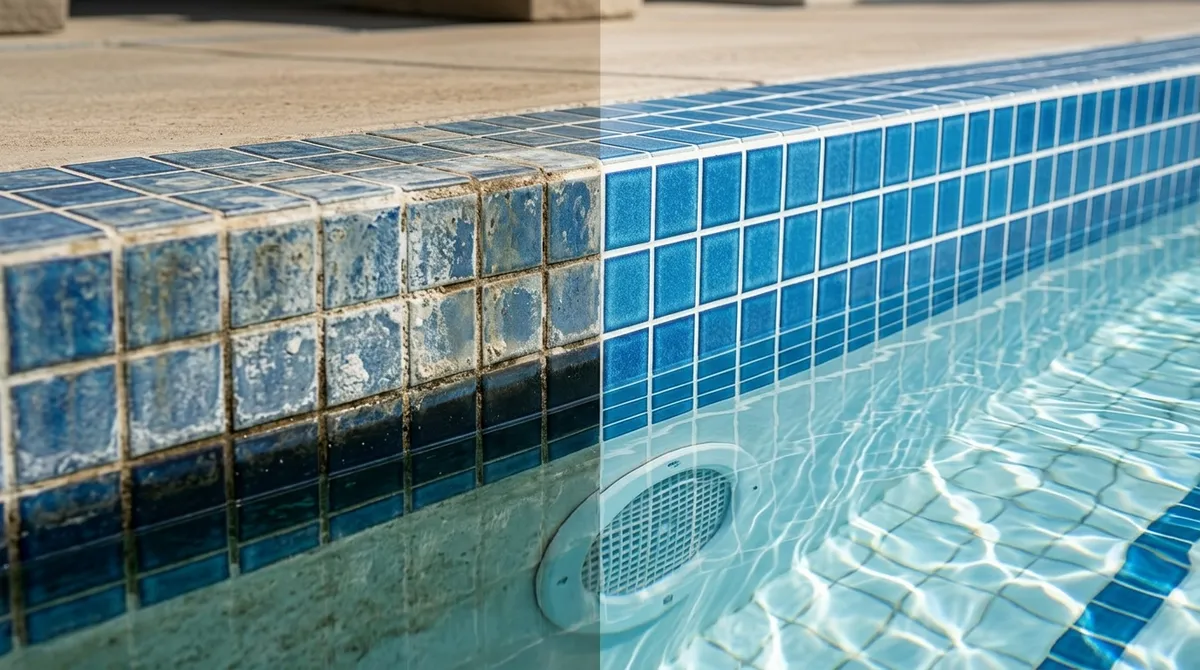
Pool tiles don’t just look pretty. They protect the structure of your pool. When calcium deposits, mineral buildup, and algae are left untreated, they can cause real damage over time. Grout erodes. Tiles crack. Water seeps behind the surface and causes costly structural problems.
A professional tile cleaning service does more than scrub surfaces. Trained technicians inspect for loose tiles, deteriorating grout, and early signs of damage — catching small problems before they turn into expensive repairs. It’s a bit like getting a dental cleaning. Nobody loves it, but skipping it always costs more in the long run.
For luxury homeowners and commercial property managers especially, clean tiles also signal that a pool is well-maintained and safe. That matters for guests, residents, and property value alike. You can learn more about what full-service pool care looks like by visiting Pool Cleaning Services Tampa.
Common Signs Your Pool Tiles Need Professional Cleaning
Not sure if your tiles need attention? Here are the most common warning signs to watch for:
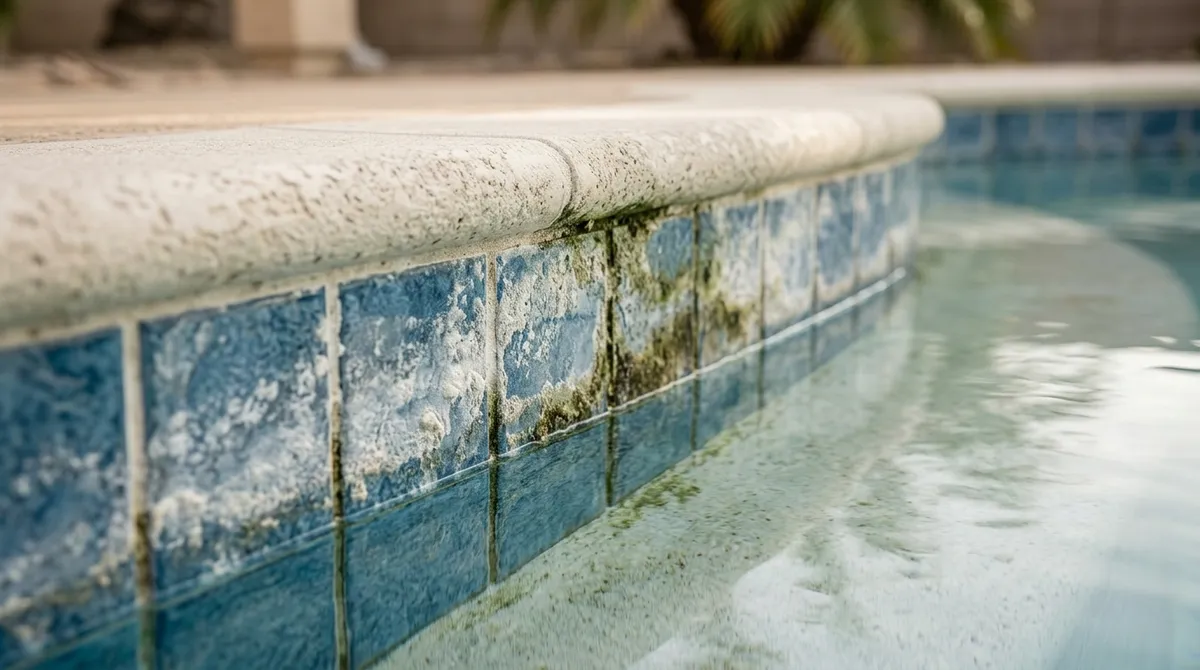
- White or gray crusty buildup along the waterline — this is calcium scale, one of the most stubborn deposits
- Green or brown discoloration from algae and organic matter
- Dull, faded tiles that no longer reflect light the way they used to
- Slippery or rough texture on tile surfaces
- Visible cracks or chips forming around tile edges or grout lines
- Staining that DIY brushing won’t remove despite repeated scrubbing
If you’re seeing any of these signs, it’s time to call in the professionals. Trying to remove heavy calcium buildup with household cleaners can actually scratch or damage your tiles — especially if they’re glass, natural stone, or custom decorative work.
What Causes Calcium Buildup on Pool Tiles
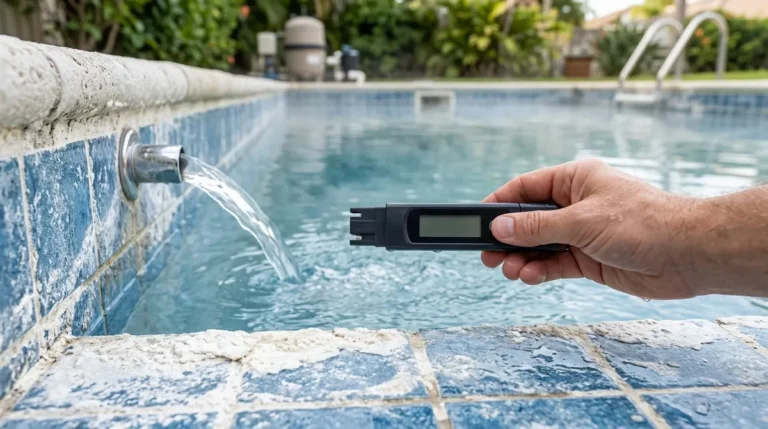
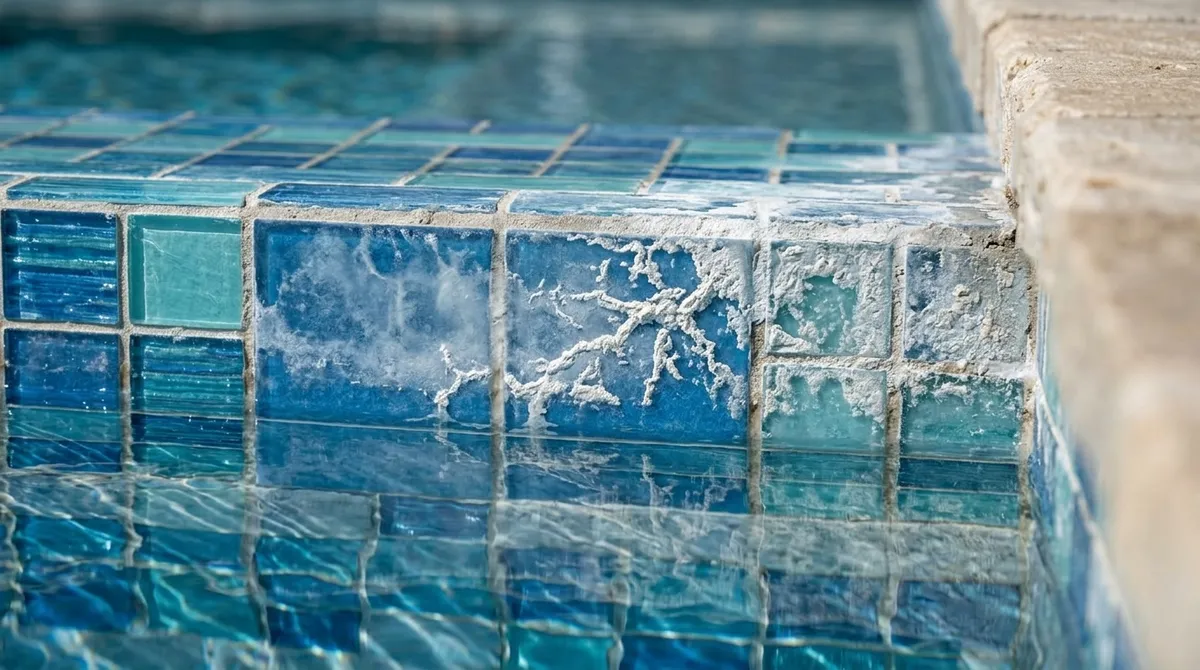
Understanding the cause helps you prevent the problem from coming back. Calcium buildup — also called calcium scaling — happens when hard water evaporates from your pool surface. The water leaves behind mineral deposits that stick to tiles at the waterline.
Several factors speed this process up:
- High calcium hardness levels in your pool water
- High pH or alkalinity that’s not properly balanced
- Hot, sunny climates (like Tampa, Florida!) that increase evaporation rates
- Infrequent water chemistry testing and adjustments
- Inconsistent brushing of tile surfaces
A skilled tile cleaning technician doesn’t just clean the buildup — they can spot water chemistry issues contributing to excessive scaling. Fixing those issues reduces how often you need professional cleaning. The EPA Pool Resources page offers helpful guidance on water efficiency and chemistry management for pool owners.
How Professional Pool Tile Cleaning Works
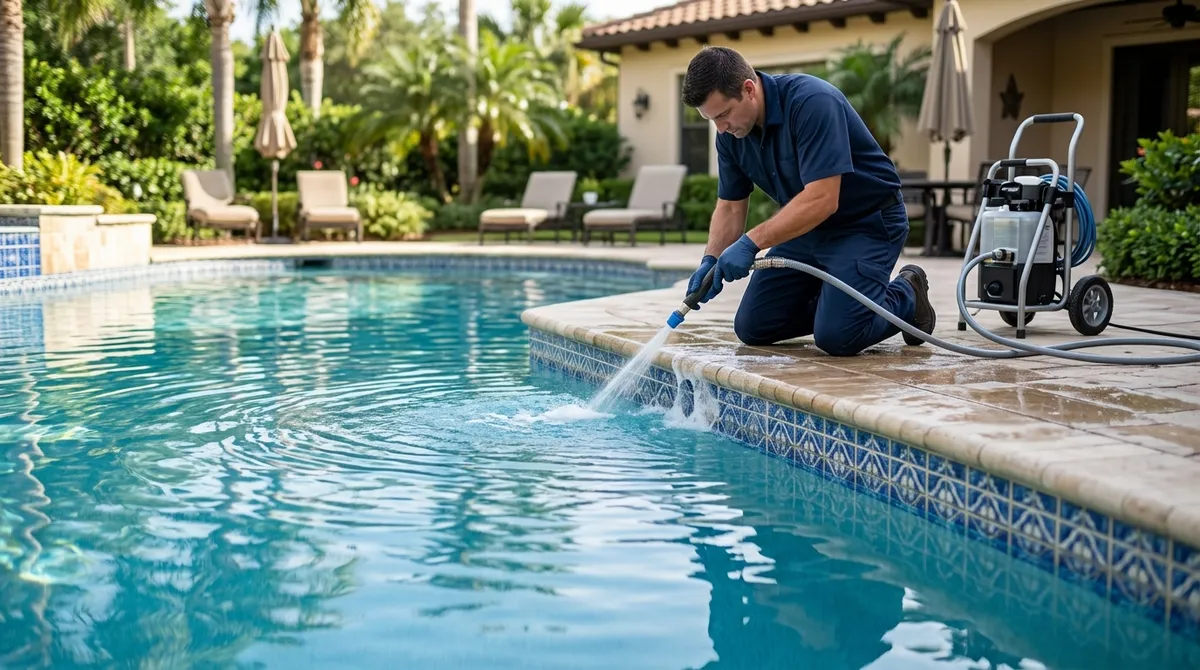
Professional tile cleaning is nothing like scrubbing with a brush and some elbow grease. Trained technicians use specialized equipment and techniques designed to remove years of buildup safely and effectively.
Step 1: Initial Tile Inspection
The process starts with a thorough inspection. Technicians check for loose tiles, cracked grout, and surface damage before any cleaning begins. This step protects your tiles and identifies any repairs needed.
Step 2: Choosing the Right Cleaning Method
Not all tiles are the same. A professional service selects the method based on your tile material and the severity of the buildup:
- Glass bead blasting — Uses tiny glass beads propelled at high pressure to remove calcium and mineral deposits. This method is highly effective and gentle enough for delicate tile materials.
- High-pressure water systems — Powerful water jets blast away algae, staining, and light mineral deposits without chemicals.
- Specialized acid treatments — Used for heavy calcium scaling, applied carefully by trained professionals to avoid damage to tile surfaces or pool water chemistry.
Glass bead blasting is widely considered one of the safest and most thorough methods available. It’s safe for ceramic, glass, and natural stone tiles when performed by trained professionals.
Step 3: Cleaning and Rinsing
The actual cleaning is methodical and thorough. Technicians work around the entire waterline, removing buildup evenly without rushing. Any debris or residue is carefully managed so it doesn’t affect your pool water.
Step 4: Post-Cleaning Inspection and Recommendations
After cleaning, a quality professional service gives you a full update on your tile condition. They’ll flag any areas needing repair and offer recommendations to keep your tiles cleaner longer. Services like Pool Maintenance In West Chase include this kind of thorough, attentive care.
DIY vs. Professional Pool Tile Cleaning: A Quick Comparison
Wondering if you can handle tile cleaning yourself? Here’s an honest look at how the two approaches compare:
| Factor | DIY Cleaning | Professional Service |
|---|---|---|
| Time Required | Entire weekend or more | Typically a few hours |
| Equipment | Basic brushes and household cleaners | Glass bead blasters, high-pressure systems, specialized acids |
| Risk of Tile Damage | Higher — especially with wrong products | Low — trained professionals use tile-safe methods |
| Effectiveness on Heavy Buildup | Limited | Highly effective |
| Inspection for Repairs | Unlikely | Included with quality services |
| Water Chemistry Advice | Not available | Often provided |
The verdict? Light, regular maintenance at home is great for upkeep. But for deep cleaning and long-term tile health, professional service wins every time. Most pool experts recommend a combination approach — light brushing between visits, with professional tile cleaning once or twice a year.
How to Choose the Right Pool Tile Cleaning Service
Not every pool cleaning company offers the same quality of tile care. Here’s what to look for when making your choice:
- Verify licensing and credentials. Always hire a licensed pool contractor. Look for certifications like Certified Pool Operator (CPO) credentials, which demonstrate real expertise and professional standards.
- Ask about their cleaning methods. A quality provider should be able to explain what techniques they use and why those methods are safe for your specific tile type.
- Check for comprehensive services. The best tile cleaning services go beyond scrubbing. Look for providers who also offer filter cleaning, vacuuming, stain removal, and expansion joint repairs.
- Read customer reviews and testimonials. Real feedback from homeowners and property managers tells you more than any marketing material. Look for consistent praise about reliability, quality, and responsiveness.
- Confirm they offer a free estimate. Any reputable service will assess your pool before giving you a price. This shows transparency and professionalism.
- Look for ongoing support. Pool care doesn’t stop after one cleaning. Choose a provider that offers regular maintenance plans and is available when you need them.
Industry organizations like the Florida Swimming Pool Association (FSPA) and the Independent Pool and Spa Service Association (IPSSA) are great resources for finding qualified, reputable pool service professionals in your area.
How Often Should You Schedule Professional Tile Cleaning
The right frequency depends on several factors specific to your pool. Here’s a simple guide:
- Once a year — Suitable for pools with good water chemistry, light use, and regular brushing maintenance
- Twice a year — Recommended for most Tampa-area pools due to our warm climate, high sun exposure, and hard water conditions
- Every few months — Best for heavily used commercial pools, pools with persistent chemistry imbalances, or pools that have gone without professional cleaning for several years
Your pool technician can give you a personalized recommendation after inspecting your tiles. The goal is to stay ahead of heavy buildup — not chase it after it’s already become a major problem. Regular Westchase Pool Service can help keep your tiles in great shape year-round.
What to Expect from a Quality Tile Cleaning Visit
When a professional technician arrives, here’s what a thorough tile cleaning visit should include:
- A full visual inspection of all tile surfaces, grout lines, and expansion joints
- Selection of the appropriate cleaning method for your tile type and buildup level
- Careful, methodical cleaning around the entire pool waterline
- Removal of all debris and residue from the pool water
- A post-cleaning report on tile condition, including any repair recommendations
- Water chemistry notes if imbalances are contributing to scaling
The best providers also treat your property with respect — showing up on time, communicating clearly, and not rushing through the job. That kind of professionalism is exactly what Panther Pools delivers to homeowners and commercial clients across Tampa every single week.
Keeping Your Pool Tiles Cleaner Between Professional Visits
You can extend the life of your professional cleaning with some simple habits:
- Brush tiles weekly. A soft tile brush used along the waterline each week prevents light buildup from hardening into stubborn scale.
- Test and balance your water chemistry regularly. Keeping calcium hardness, pH, and alkalinity in the ideal range dramatically slows mineral buildup.
- Keep water levels consistent. Fluctuating water levels expose more tile surface to evaporation, speeding up calcium deposits.
- Use a pool cover when not in use. Covers reduce evaporation and keep debris out, which lowers the workload on your tiles and your filtration system.
These simple steps, combined with regular professional tile cleaning, will keep your pool looking its best all year long. And if you’re not sure where to start with pool maintenance, the team at Panther Pools is always happy to help.
Ready to Give Your Pool Tiles the Attention They Deserve?
Clean pool tiles aren’t just about looks — they protect your investment, maintain water quality, and keep your pool safe for everyone who uses it. Whether you’re dealing with years of calcium buildup or just want to stay ahead of the problem, a professional tile cleaning service is the smartest move you can make for your pool.
Panther Pools serves residential and commercial pool owners throughout Tampa, Florida, with expert care, licensed technicians, and a commitment to quality that shows in every single job. We offer free estimates, seven-day customer support, and the kind of service that keeps our customers coming back year after year.
Don’t wait until your tiles are in rough shape. Get in touch with our team today for a free estimate and let us show you what clean pool tiles really look like.
FAQs
Q: How often should I schedule a professional pool tile cleaning service?
A: For most Tampa-area pools, we recommend professional tile cleaning at least once or twice a year. Our warm climate and hard water conditions speed up calcium buildup, so staying on a regular schedule keeps things manageable and protects your tiles from long-term damage.
Q: Will professional tile cleaning damage my glass or natural stone pool tiles?
A: Not at all — when done by trained professionals! Quality tile cleaning services choose methods specifically suited to your tile material. Techniques like glass bead blasting are gentle enough for delicate surfaces like glass and natural stone while still removing even stubborn mineral deposits.
Q: What is the difference between glass bead blasting and pressure washing for pool tiles?
A: Glass bead blasting uses tiny beads propelled at controlled pressure to lift calcium and mineral deposits without scratching tile surfaces. Pressure washing uses high-force water jets and works well for algae and lighter staining. A professional technician will recommend the right method based on your specific tile type and buildup level.
Q: Can a pool tile cleaning service identify other problems with my pool?
A: Absolutely! One of the great perks of professional tile cleaning is the inspection that comes with it. Trained technicians look for loose tiles, cracked grout, deteriorating expansion joints, and water chemistry issues — catching small problems early before they become costly repairs.
Q: What can I do between professional cleanings to keep my pool tiles looking great?
A: The best thing you can do is brush your tiles weekly along the waterline and keep your water chemistry balanced. Consistent pH, alkalinity, and calcium hardness levels dramatically slow down mineral buildup, which means your professional cleaning stays effective for longer.