
Key Takeaways
-
Professional pool inspections cost $85-$499 on average but prevent thousands in emergency repairs by catching structural cracks, liner deterioration, and equipment failures early before they cause water loss and costly damage.
-
Hire only certified pool inspectors with credentials like Certified Pool Operator (CPO) or Certified Service Professional through IPSSA, as uncertified handymen may miss critical safety and structural issues that endanger families.
-
Schedule inspections at least annually in Tampa plus after major storms and at the start of swim season, not just during real estate transactions, because Florida’s intense UV exposure and humidity accelerate equipment wear year-round.
-
Distinguish between inspections (diagnostic evaluations producing detailed written reports) and maintenance (ongoing weekly cleaning and chemical balancing)—both are essential but serve completely different purposes for pool health.
-
Ensure inspections include safety compliance checks for electrical hazards, pool fencing height, drain covers, and ladder stability, as these aren’t optional for properties with children or commercial facilities serving guests.
-
Request detailed inspection reports with photos, severity ratings, and equipment lifespan notes within 48 hours, which helps you plan repairs strategically and understand the full scope of your pool’s condition.
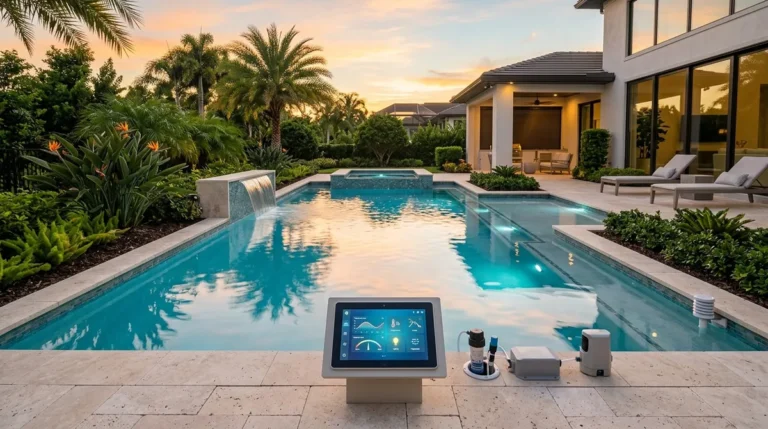
Your pool looks sparkling clean on the surface. But underneath that calm water, problems could be quietly growing. A cracked liner, a struggling pump, or a faulty electrical connection — these issues don’t announce themselves. That’s exactly why a professional pool inspection service is one of the smartest investments a Tampa pool owner can make.
Whether you’re a busy parent trying to keep the kids safe, a retiree who loves hosting weekend swims, or a property manager keeping a commercial facility running smoothly, skipping regular inspections is a gamble. And in Florida’s intense heat and humidity, small problems become big (and expensive) ones faster than you’d expect.
In this guide, we’re breaking down the six most common pool inspection mistakes Tampa homeowners make — and how to avoid every single one of them. Let’s keep your pool healthy, safe, and ready to enjoy all year long.
Why Pool Inspection Services Matter More Than You Think
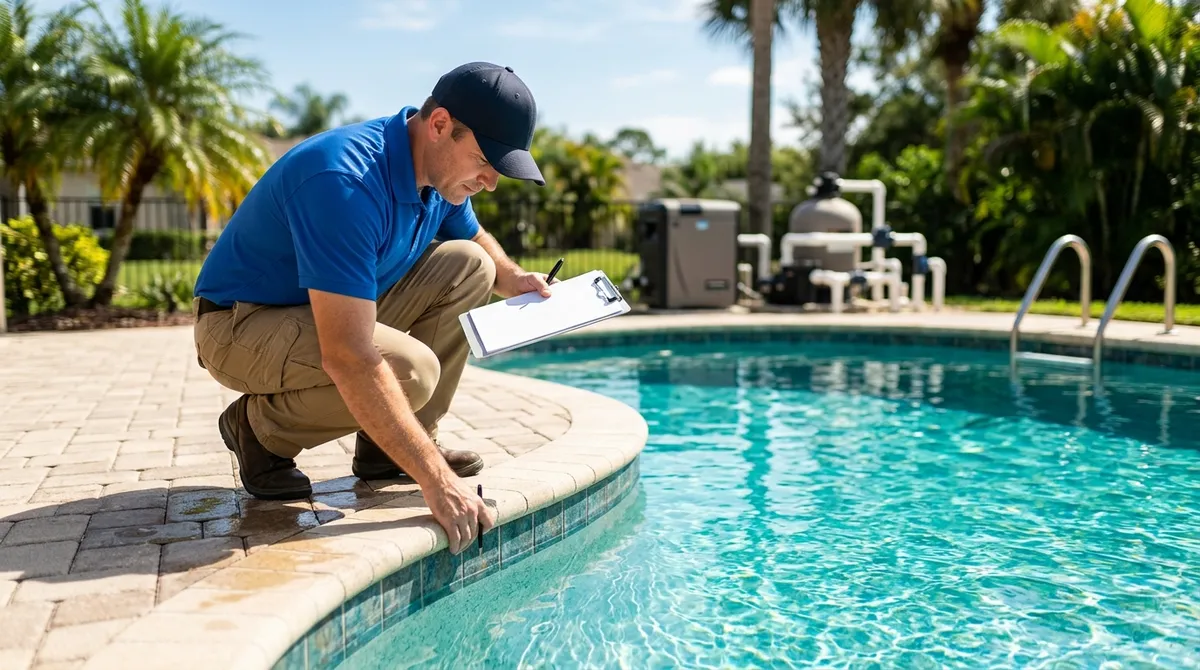
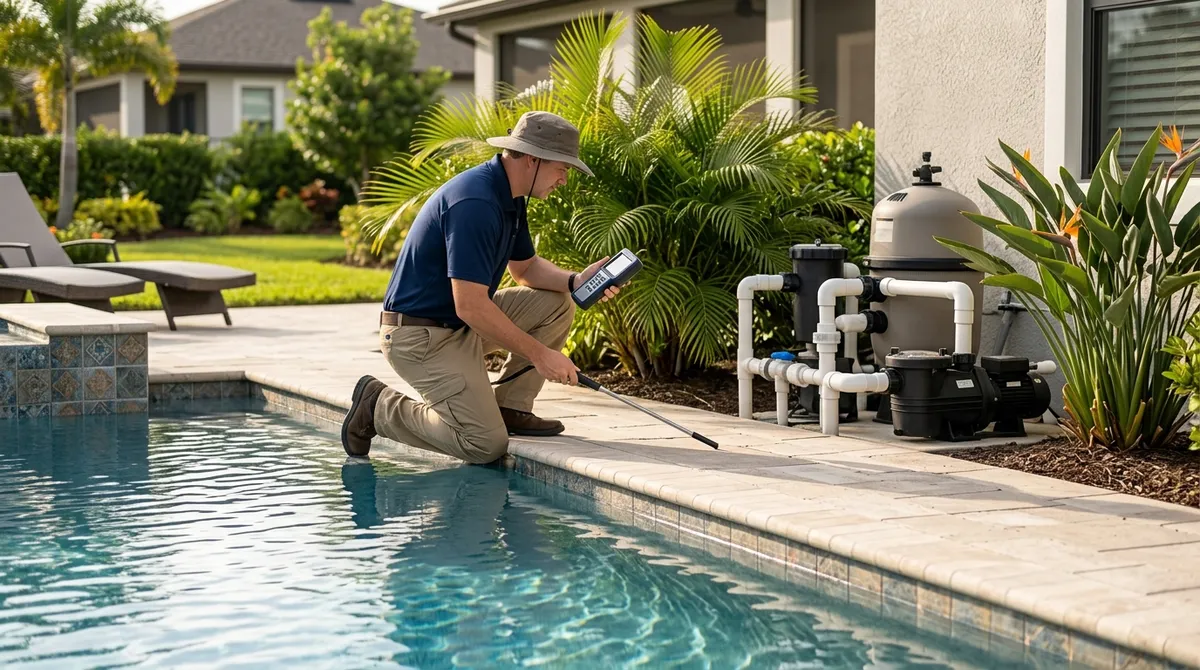
A pool inspection service is a thorough evaluation of your pool’s entire system. It goes way beyond skimming the surface or checking the water color. A trained inspector examines your pool’s structure, equipment, plumbing, electrical systems, and safety features — all in one visit.
Think of it like a health checkup for your pool. You wouldn’t skip your annual physical just because you feel fine, right? The same logic applies here. Regular inspections catch small issues before they turn into costly repairs. According to industry data, the average pool inspection costs around $175, with a range of $85 to $499 depending on the complexity. That’s a small price compared to thousands of dollars in emergency repairs.
For Tampa homeowners, inspections are especially important. Florida’s year-round swimming season, high UV exposure, and humid climate put extra stress on pool equipment and surfaces. The Florida Swimming Pool Association (FSPA) recognizes how critical regular upkeep is in our climate — and professional inspections are a core part of that.
Mistake 1: Skipping the Structural Inspection
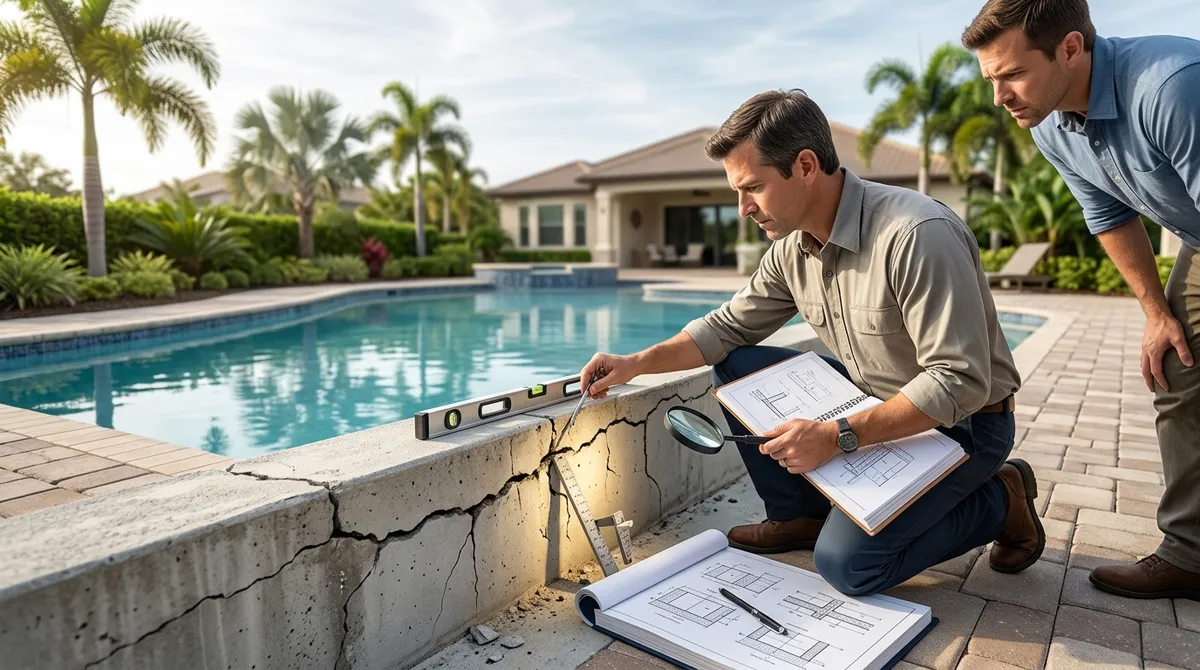
Many pool owners assume their pool looks fine just because the water is clear. But the structure of your pool — the shell, liner, coping, decking, and foundation — needs a close, hands-on look from a trained eye.
During a proper structural inspection, a professional checks for:
- Cracks or chips in the pool shell or plaster
- Deterioration in the pool liner
- Loose or damaged coping stones
- Uneven or cracked pool decking
- Sharp edges that could cause injury
- Signs of ground movement or foundation settling
These issues may look minor at first. But a small crack can let water seep into the ground, causing leaks that silently raise your water bill and damage your yard. If you’ve ever noticed your pool losing water faster than normal, our article on pool leak detection mistakes that cost Tampa homeowners thousands is a must-read.
Don’t let what you can’t see hurt what you love. Always include a full structural review in any pool inspection you schedule.
Mistake 2: Ignoring Equipment During the Inspection
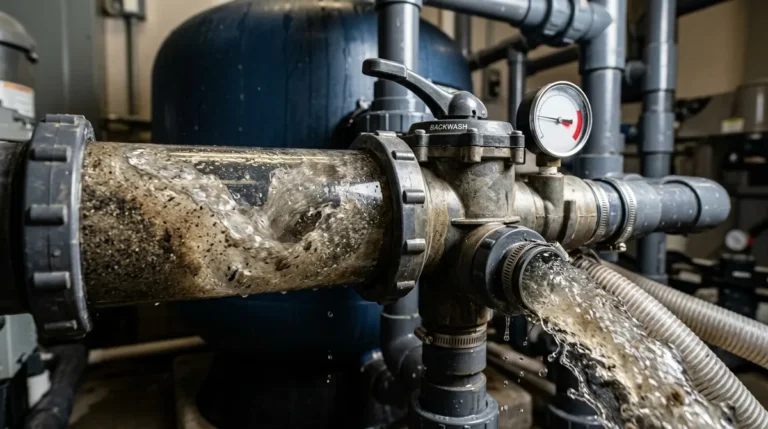
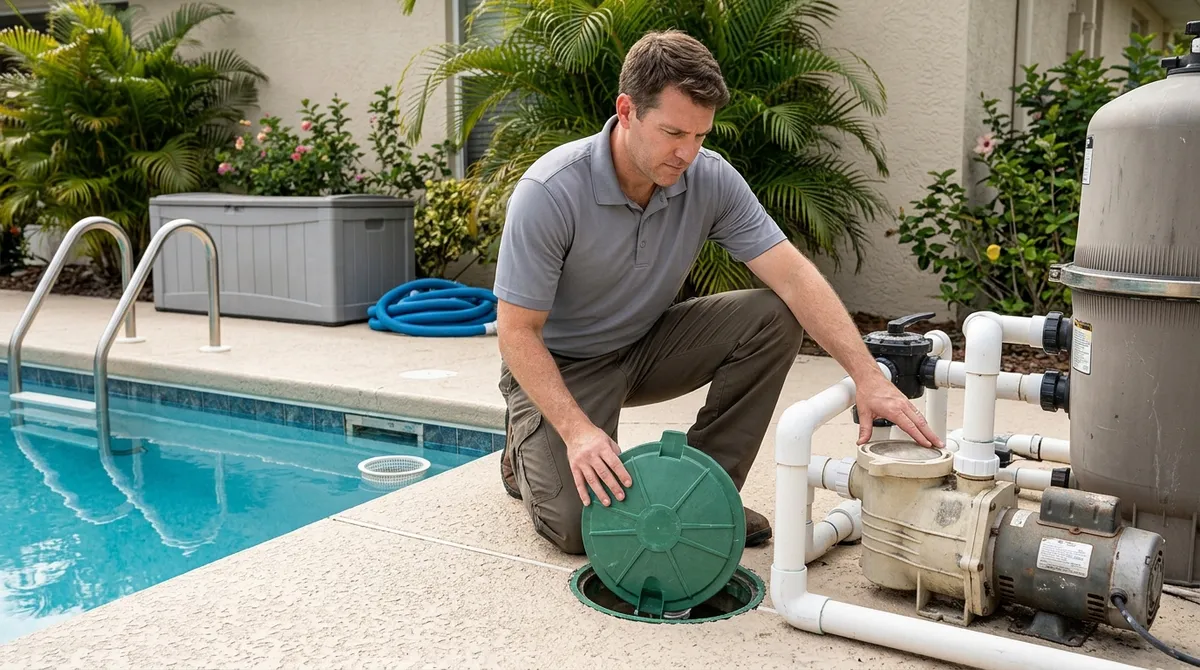
Your pool’s equipment is its beating heart. Pumps, filters, heaters, and circulation systems keep the water clean and safe. When any of these components start to fail, water quality drops fast — and repair bills climb even faster.
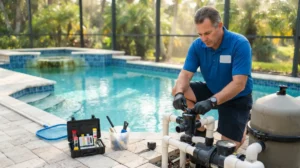
A complete pool inspection service should always evaluate the following equipment:
- Pool pump — Check for unusual noises, leaks, and proper water flow
- Filter system — Assess cleanliness, pressure readings, and overall function
- Pool heater — Inspect for corrosion, ignition issues, and heat output
- Circulation system — Confirm that water moves evenly through all zones
- Electrical components and pool lights — Look for wiring hazards and grounding issues
- Plumbing and valves — Check for leaks, blockages, and proper pressure
Missing even one of these items during an inspection can mean a costly surprise down the road. A failing pump, for example, can quickly lead to algae blooms and water chemistry problems. Learn more about keeping your equipment in top shape by reading our guide on 9 pool pump maintenance tips every Tampa owner needs.
If your inspector notices early signs of pump trouble, catching it now is far better than dealing with a full breakdown later. You can also check out our resource on 7 pool pump repair signs you need help now for a deeper look.
Mistake 3: Hiring an Uncertified Inspector
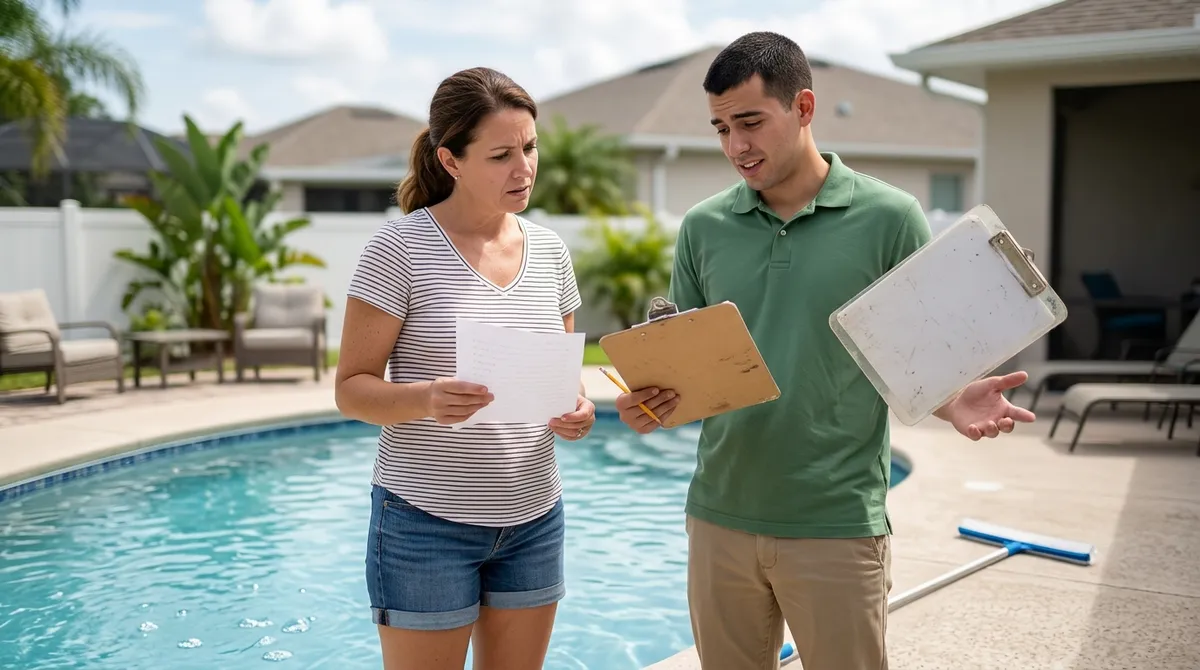
Not all pool inspectors are created equal. One of the biggest mistakes Tampa pool owners make is hiring someone without proper credentials — or worse, assuming any handyman can do the job.
Professional pool inspectors typically hold certifications such as:
- Certified Pool Operator (CPO) — The gold standard in the industry
- Certified Service Professional — Issued through organizations like the Independent Pool and Spa Service Association (IPSSA)
- Certified Maintenance Specialist — Focused on ongoing pool health
- Certified Building Professional — Relevant for structural and construction assessments
These certifications matter. They mean your inspector knows what to look for, how to document it, and what recommendations to make. When you hire a team with verified credentials, you’re getting an expert — not a guess.
At Panther Pools, our team holds a Certified Pool Operator (CPO) credential, meaning every inspection and service we perform is backed by professional training and real expertise. We’re proud to serve Tampa families and businesses with the knowledge that our work meets the highest industry standards.
Mistake 4: Treating Inspection and Maintenance as the Same Thing
This is a common mix-up, and it’s easy to understand why. Both inspection and maintenance involve someone looking at your pool, right? But they serve very different purposes.
| Pool Inspection Service | Pool Maintenance Service |
|---|---|
| One-time or periodic evaluation | Ongoing weekly or monthly service |
| Focuses on identifying problems | Focuses on preventing and fixing problems |
| Produces a detailed written report | Produces a service visit log |
| Evaluates structure, equipment, and safety | Cleans, balances chemicals, and maintains equipment |
| Recommended at key milestones | Recommended year-round, especially in Florida |
An inspection tells you the current state of your pool. Maintenance keeps it in that good state — or better. You need both. Think of inspection as the diagnosis and maintenance as the ongoing treatment plan.
For Tampa homeowners, combining a thorough inspection with a reliable maintenance program is the best approach. Explore your options with our pool cleaning services in Tampa to find a plan that fits your needs and schedule.
Mistake 5: Only Getting an Inspection When Buying or Selling
Pool inspections are absolutely essential during real estate transactions — that’s a fact. But limiting inspections to only those moments is a big mistake many Tampa pool owners make.
Here’s when you should schedule a professional pool inspection service:
- Before buying or selling a home — Know exactly what you’re getting or disclosing
- At the start of each swim season — Especially after a long winter period, even in Florida
- After a major storm — Tampa’s hurricane season can stress pool structures significantly
- When you notice warning signs — Water loss, strange noises, or discolored water
- Every 1-2 years as routine practice — Even for well-maintained pools
Florida’s weather alone is a good reason to inspect more often. Heavy rains, high winds, and intense UV rays take a toll on every component of your pool. Staying proactive with inspections is far smarter than waiting for visible problems to appear.
If you’ve recently spotted any red flags with your pool, check out our guide on 7 signs you need pool service near me in Tampa to see if an inspection is overdue.
Mistake 6: Overlooking Safety and Compliance Checks
A pool inspection isn’t just about keeping your equipment running. It’s also about keeping people safe. Electrical hazards, broken fencing, sharp pool edges, and malfunctioning lights are all serious safety risks — especially with children around.
A thorough pool inspection service should include safety checks for:
- Pool fencing and gate latches (height, self-closing mechanisms)
- Pool lighting and underwater electrical connections
- Anti-entrapment drain covers
- Ladder and step stability
- Emergency equipment accessibility
The EPA’s pool water efficiency guidelines also remind us that safe pool operation extends beyond structure — it includes responsible water use and chemical management. A complete inspection covers all of these angles.
For families with young children or commercial properties serving guests, these safety checks aren’t optional. They’re essential. If you manage a commercial pool, make sure your inspection covers all compliance requirements. Our Tampa pool cleaning services support commercial clients with exactly this level of thorough care.
What a Quality Pool Inspection Report Should Include
Once your inspection is complete, you should receive a detailed written report. A good report isn’t just a checklist — it tells a story about your pool’s health. Here’s what to expect from a professional inspection report:
- Photos documenting each area inspected
- A clear description of any issues found
- Severity ratings (minor, moderate, urgent)
- Recommended repairs or follow-up services
- Notes on equipment age and expected lifespan
Some inspection companies aim to deliver full reports with photos within 48 hours of the initial call. That’s a helpful benchmark when you’re evaluating who to hire. A fast turnaround with detailed documentation shows professionalism and respect for your time.
Once you have your report, use it to plan your next steps. If repairs are needed, resources like our guides on 9 pool repairs every Tampa homeowner should know and pool filter repairs that save money can help you understand what’s involved.
How Panther Pools Supports Tampa Pool Owners Year-Round
Staying on top of your pool’s condition doesn’t have to be stressful. With the right partner by your side, it can actually be pretty enjoyable. Panther Pools is Tampa’s trusted family-owned pool cleaning and maintenance company. We offer residential and commercial services, equipment repairs, and full-service maintenance packages — all backed by CPO-certified professionals and 7-days-a-week customer support.
Whether you need a one-time inspection, regular weekly service, or help with a specific repair, our team is here with no rush jobs, no shortcuts, and a genuine commitment to keeping your pool in perfect condition. We also offer free estimates so you always know what to expect before any work begins.
From pool maintenance in West Chase to full equipment overhauls across Tampa, we cover it all with the care and expertise your pool deserves. You can also explore our helpful articles like why hiring a pool cleaning service in West Chase is a smart idea to see how professional support makes a real difference.
Bring It All Together: Inspect, Maintain, Enjoy
A professional pool inspection service is one of the most valuable things you can do for your pool. It protects your investment, keeps your family safe, and prevents small problems from becoming expensive nightmares. And when you avoid the six mistakes we’ve covered here, you’re already ahead of most pool owners in Tampa.
Don’t wait for something to go wrong. Be proactive, stay informed, and lean on professionals who genuinely care about your pool’s health. Ready to get started? Reach out to the Panther Pools team today and let’s make sure your pool gets the attention it deserves — from a team that truly has your back.
FAQs
Q: What does a professional pool inspection service include?
A: A professional pool inspection service covers a thorough review of your pool’s structure, liner, decking, coping, and fencing — plus all equipment like pumps, filters, heaters, plumbing, and electrical components. You’ll also receive a detailed written report with photos and recommended next steps. Think of it as a full head-to-toe checkup for your pool!
Q: How often should I schedule a pool inspection in Tampa?
A: For Tampa pool owners, we recommend scheduling a pool inspection at least once a year — and more often after major storms or if you notice anything unusual like water loss or strange noises. Florida’s year-round swim season and intense climate mean your pool works harder than most, so staying proactive really pays off.
Q: What certifications should a pool inspector have?
A: Look for inspectors who hold a Certified Pool Operator (CPO) credential, as this is the gold standard in the pool industry. Other valuable certifications include Certified Service Professional and Certified Maintenance Specialist through recognized organizations like IPSSA. These credentials mean you’re getting someone who truly knows what they’re doing!
Q: Can a pool inspection detect leaks in my swimming pool?
A: Yes! A thorough pool inspection service includes checks for structural cracks, liner deterioration, and plumbing issues that can all cause water loss. If your inspector suspects a leak, they’ll flag it in your report so you can address it before it becomes a much bigger (and more expensive) problem.
Q: Is a pool inspection the same as regular pool maintenance?
A: Not quite — they’re actually two different but complementary services. A pool inspection is a periodic evaluation that identifies problems and produces a detailed report, while pool maintenance is the ongoing, hands-on work that keeps your pool clean, balanced, and running smoothly. You really do need both for a happy, healthy pool!