
Key Takeaways
-
Professional pool closing prevents expensive damage by properly draining equipment, blowing out plumbing lines, and adjusting water levels—protecting pumps, filters, and heaters from freeze damage worth thousands of dollars.
-
Precise water chemistry balancing (pH 7.2-7.6, alkalinity 80-120 ppm, calcium hardness 175-225 ppm) combined with shock treatment and winterizing chemicals creates a protective shield that prevents algae blooms and surface staining during closure.
-
In Tampa’s climate, schedule pool closing when nighttime temperatures consistently drop below 65°F and book early since professional services fill up fast in fall to ensure your pool is properly protected before the off-season.
-
A properly installed and secured cover is critical—poorly installed covers can blow off, sag with debris, or become safety hazards; professionals ensure tight tensioning, full coverage, and damage checks to maximize protection.
-
DIY pool closing often misses critical steps in chemical balancing and equipment draining, leading to costly repairs; hiring certified professionals following FSPA and IPSSA standards ensures proper closure and makes spring reopening much easier.
-
Professional pool closing supports water conservation by significantly reducing evaporation losses through proper maintenance and covering, making it both a smart financial investment and environmentally responsible choice for pool owners.
Your pool has given you months of fun in the Florida sun. Now it’s time to give it the care it deserves before the cooler season arrives. A professional pool closing service does more than just toss a cover on the water and call it a day. It’s a detailed process that protects your investment, saves you money on repairs, and makes reopening a breeze. Whether you’re a busy Tampa family, a new pool owner, or managing a commercial property, understanding what goes into a proper pool closing helps you make smarter decisions. Let’s walk through the nine key things a pool closing service handles — and why each one matters for your pool’s long-term health.
1. Final Water Chemistry Balancing
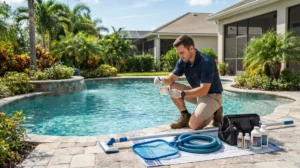
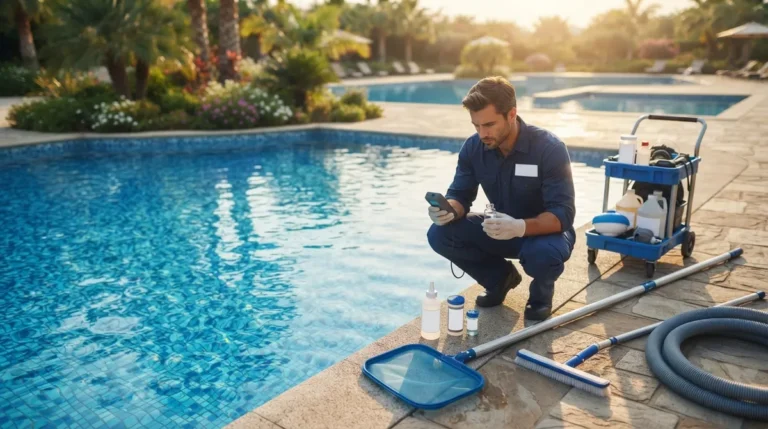
The first step in any quality pool closing service is getting your water chemistry exactly right. Professionals test and adjust the pH to sit between 7.2 and 7.6. They also bring alkalinity to 80–120 ppm and calcium hardness to 175–225 ppm. These specific targets prevent corrosion and staining while the pool sits untouched. Skipping this step can lead to damaged surfaces and expensive fixes later.
2. Thorough Pool Cleaning
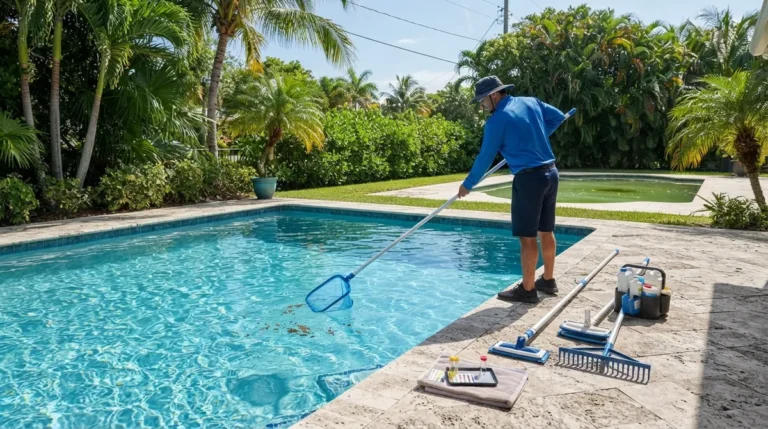
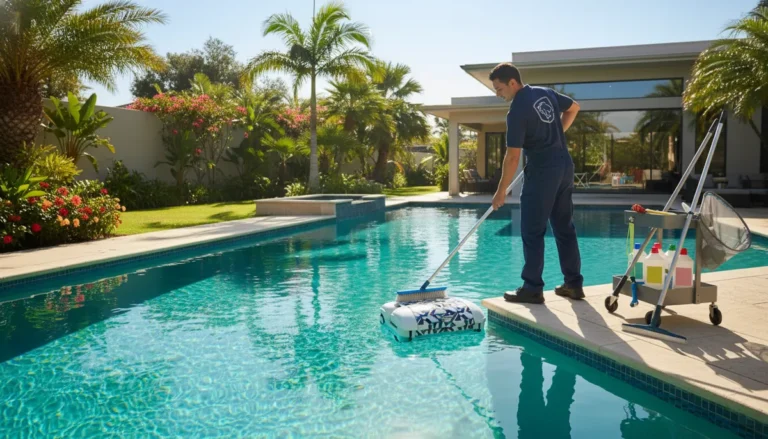
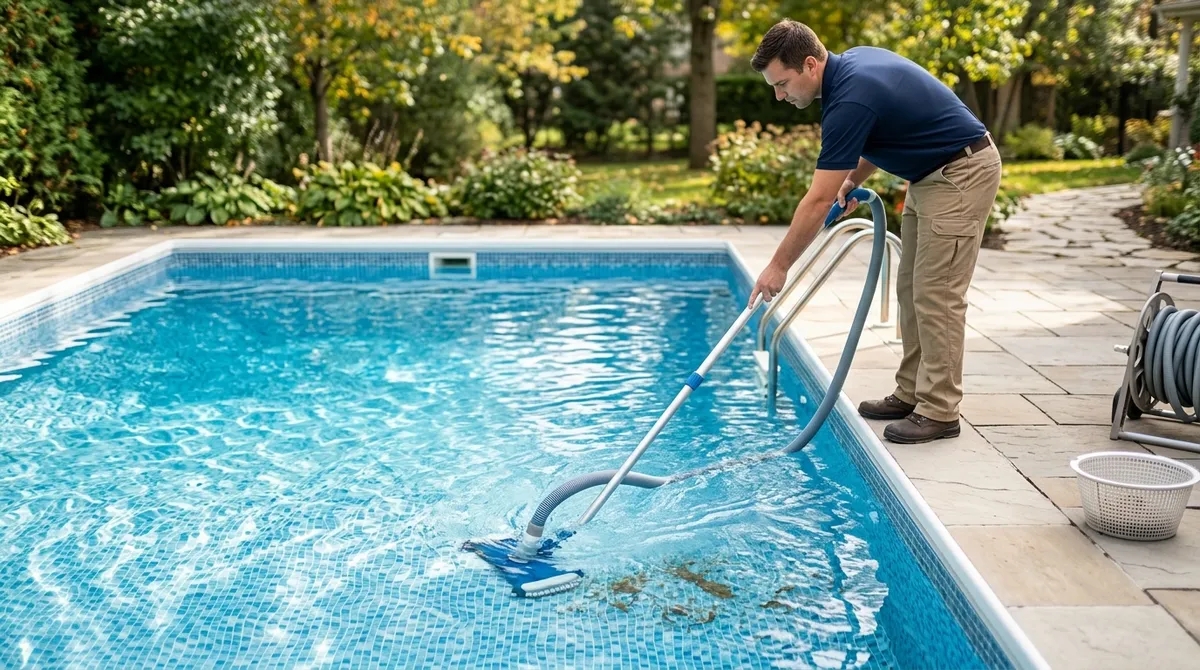
A pool closing service always includes a deep clean before covering. Technicians brush the walls and floor, skim the surface, and vacuum up all debris. They also empty all skimmer baskets. Leaving dirt and organic matter in a covered pool is a recipe for algae growth and stubborn staining. Starting the off-season with a sparkling clean pool makes a huge difference when you’re ready to reopen.
3. Shock Treatment
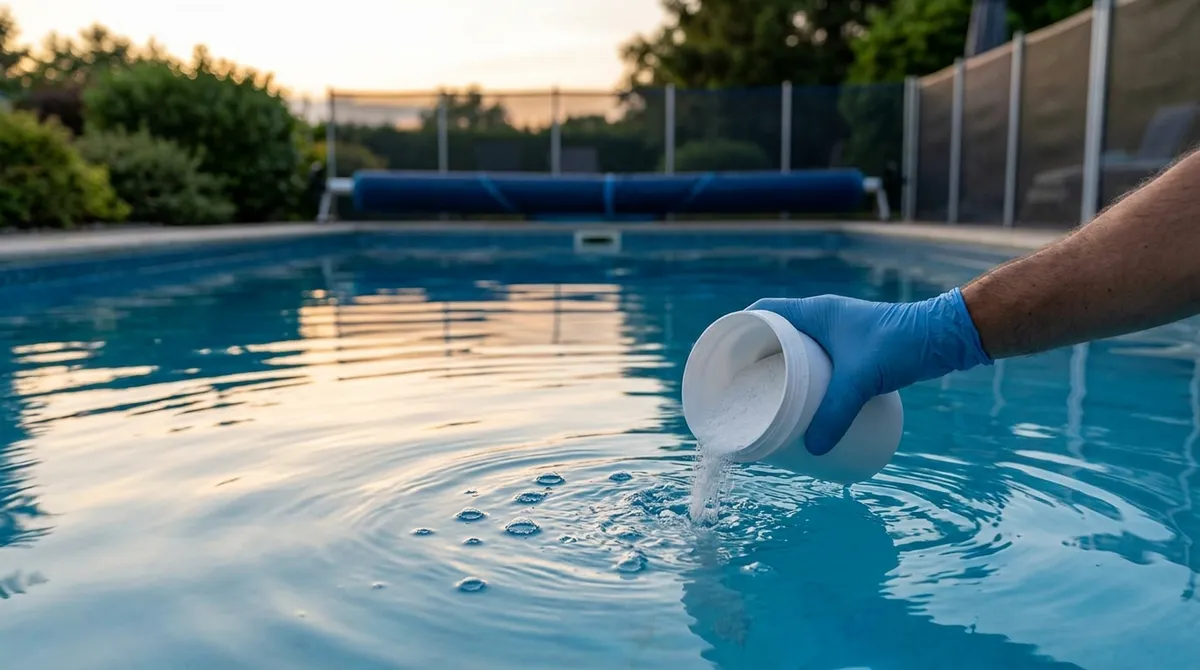
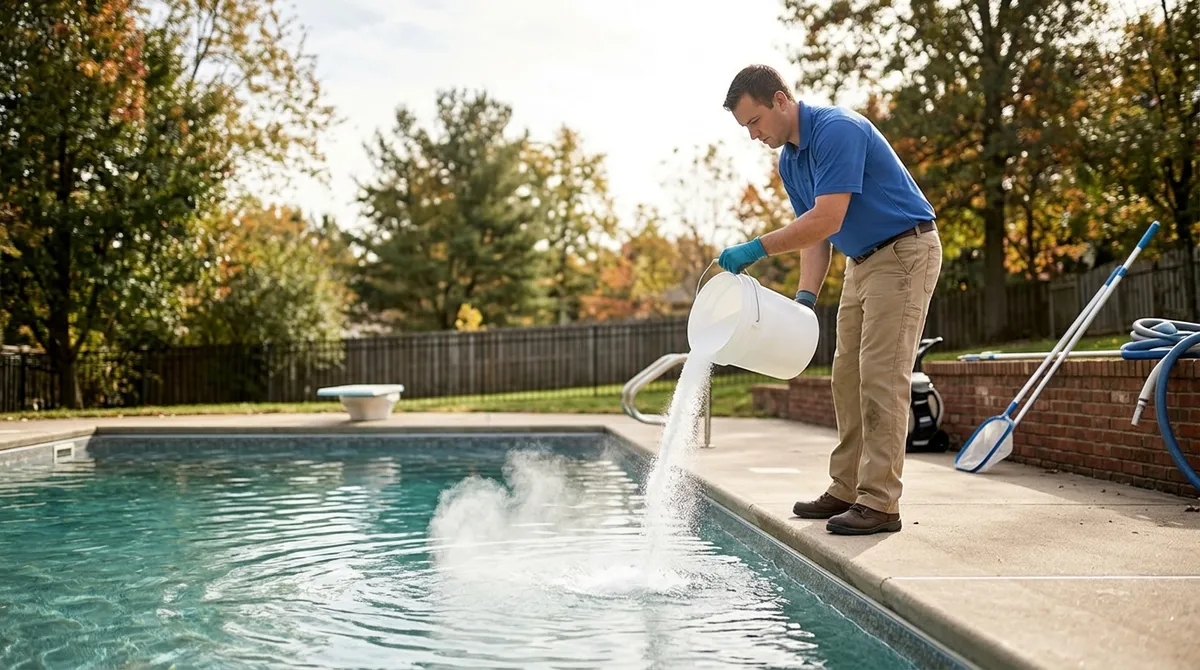
Before closing, professionals apply a shock treatment to the water. This step eliminates bacteria, algae spores, and other organic contaminants. A typical dose is 1–2 pounds of non-chlorine shock per 10,000 gallons of water. This powerful treatment ensures your pool water stays cleaner during the closure period. It’s one of the most important steps for keeping reopening costs low.
4. Winterizing Chemical Application
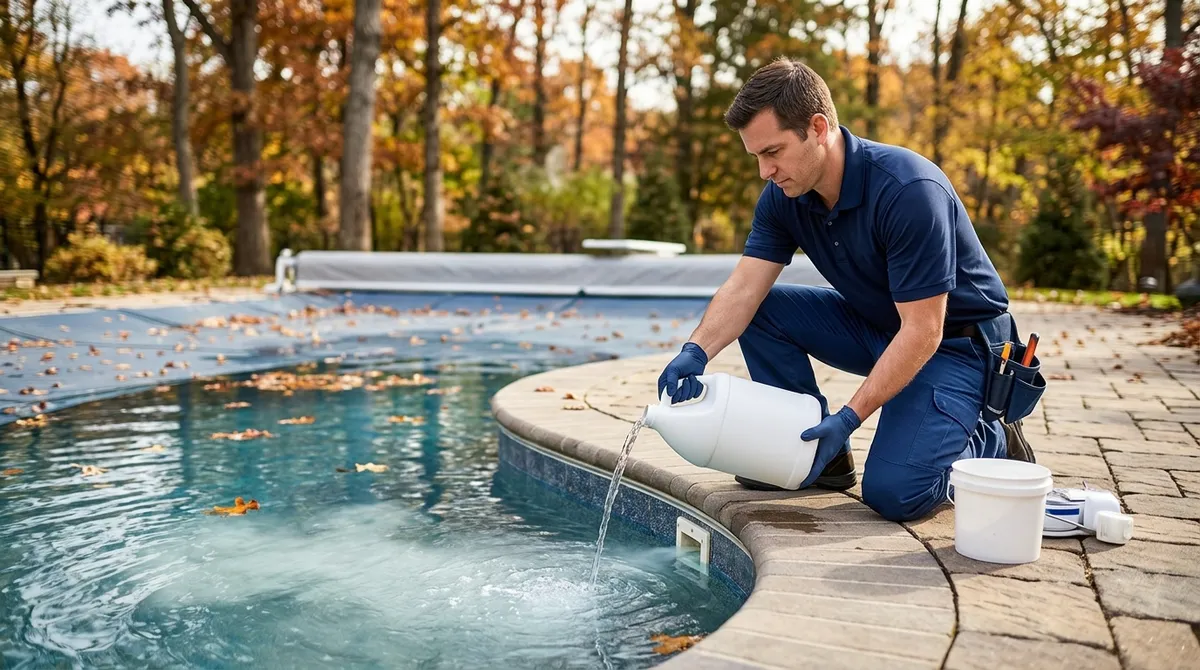
Beyond shock treatment, a pool closing service adds a winterizing chemical kit to your water. These kits typically include algaecide, stain prevention chemicals, and sometimes a chlorine floater. Together, they create a protective shield in the water throughout the off-season. This multi-layer chemical approach keeps algae and bacteria at bay without requiring you to do anything while the pool is closed.
Here’s a quick look at the key chemicals used during pool closing:
|
Chemical |
Purpose |
Typical Target |
|---|---|---|
|
pH Adjuster |
Prevents corrosion and staining |
7.2–7.6 |
|
Alkalinity Increaser |
Stabilizes pH levels |
80–120 ppm |
|
Calcium Hardness Increaser |
Protects pool surfaces |
175–225 ppm |
|
Chlorine Shock |
Eliminates bacteria and algae |
1–2 lbs per 10,000 gal |
|
Algaecide |
Prevents algae growth |
Per manufacturer guidelines |
5. Equipment Draining and Winterization
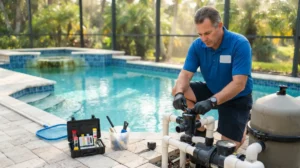
One of the most technical parts of a pool closing service is properly draining the equipment. Pumps, filters, heaters, and chlorinators all need to be drained completely. In Tampa and surrounding areas, even mild cold snaps can cause damage to water left inside equipment. Professionals know exactly how to drain each component without causing harm. This step protects some of the most expensive parts of your pool system.
Key equipment that gets attention during closing:
-
Circulation pump and motor
-
Sand, cartridge, or DE filter
-
Pool heater or heat pump
-
Chlorinator or salt cell
-
Automation systems and controllers
6. Plumbing Line Blowout and Plugging
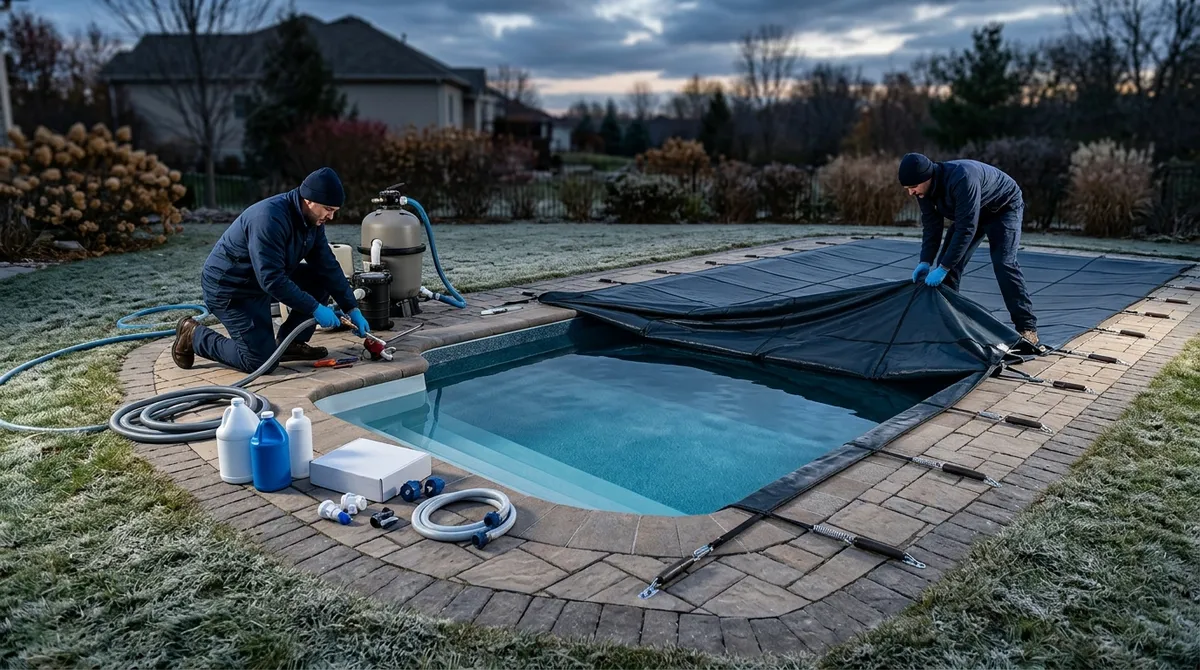
In areas with hard freezes, pool plumbing lines must be blown out using an air compressor. Professionals use compressors rated at 5–8 CFM operating at 50–80 PSI to force all water out of the lines. After blowing out the lines, they insert rubber plugs or expansion plugs into each opening. This prevents any remaining water from freezing, expanding, and cracking your pipes. Even in Tampa’s milder climate, this step is smart protection during unexpected cold snaps.
7. Water Level Adjustment
A proper pool closing service lowers the water level below the skimmer openings. This protects the skimmers from any water that expands during cold temperatures. The exact level depends on your pool type and cover system. Getting this right prevents cracked skimmers, which are one of the most common — and annoying — off-season repairs pool owners deal with. Your technician will know exactly where to set the water level for your specific pool setup.
Here’s a simple comparison of in-ground vs. above-ground pool closing considerations:
|
Factor |
In-Ground Pool |
Above-Ground Pool |
|---|---|---|
|
Water Level |
Below skimmer opening |
Below return jets |
|
Cover Type |
Safety or solid cover with water bags |
Winter cover with air pillow |
|
Plumbing Blowout |
Required in freeze zones |
Disconnect and store hoses |
|
Equipment Storage |
Drained and left in place |
Some components removed and stored |
8. Pool Cover Installation
Installing the pool cover is the final visible step — but it takes real skill to do it right. A poorly installed cover can blow off in Tampa’s strong winds, sag and collect debris, or even become a safety hazard. Professional technicians secure covers tightly and properly. They check for tears, proper tensioning, and full coverage. A well-installed cover is your pool’s last line of defense during the off-season.
Types of covers used in professional pool closings:
-
Solid safety covers — block sunlight and debris, great for families with kids
-
Mesh safety covers — allow rainwater to drain through while keeping debris out
-
Standard winter covers — budget-friendly option for mild climates like Tampa
-
Automatic covers — motorized systems that offer convenience year-round
9. Final Inspection and Documentation
A top-quality pool closing service doesn’t just pack up and leave. Technicians do a final walk-through and inspection of the entire pool area. They check for any visible damage, leaks, or concerns that should be addressed before next season. Many professional services document the pool’s condition with notes or photos. This gives you a clear starting point when it’s time to reopen, and it helps catch problems early before they become costly repairs.
For Tampa pool owners looking for reliable year-round care, Pool Cleaning Services Tampa from Panther Pools covers everything from routine maintenance to seasonal services. Our team of trained professionals handles every step of the closing process with care and attention to detail.
Why Hire a Professional Pool Closing Service?
You might be tempted to handle pool closing yourself. But the truth is, there’s a lot that can go wrong without the right knowledge and equipment. Professional technicians understand the exact chemical ratios, equipment steps, and cover installation techniques needed for a proper closure. Getting it wrong can lead to algae blooms, cracked pipes, stained surfaces, or damaged equipment — all of which cost far more to fix than a professional service.
The FSPA (Florida Swimming Pool Association) recommends working with certified professionals for all seasonal pool services. Similarly, the IPSSA (Independent Pool and Spa Service Association) sets professional standards that ensure technicians are trained to handle every aspect of pool care correctly. Choosing a certified service provider gives you confidence that your pool is in expert hands.
It’s also worth noting that proper pool closure supports water conservation goals. According to the EPA Pool Water Efficiency guidelines, well-maintained and properly covered pools lose significantly less water to evaporation. This makes professional pool closing a smart environmental choice too.
Residents in the Westchase area of Tampa can explore dedicated Westchase Pool Service options, or check out Pool Maintenance in West Chase for ongoing care plans that keep your pool in top shape all year long.
Closing vs. Winterizing: What’s the Difference?
People often use these terms interchangeably, but there’s a subtle difference. Closing a pool generally refers to shutting it down for the season with chemical treatment and a cover. Winterizing goes a step further — it involves removing all water from the plumbing lines and equipment vessels to protect against freezing. In Tampa’s climate, full winterization isn’t always necessary, but protecting equipment is always a good idea. A professional service helps you decide exactly what level of closure your pool needs.
Here’s a quick breakdown of the key differences:
-
Pool closing — chemicals, cleaning, cover installation, water level adjustment
-
Winterizing — all of the above PLUS plumbing blowout and full equipment draining
-
In warm climates like Tampa, a standard closing often suffices
-
In freeze-prone areas (USDA Zones 1–6), full winterization is essential
Tips for a Smooth Pool Closing Experience
Want to make the process as easy as possible? Here are a few simple steps you can take before the technician arrives:
-
Remove all pool toys, floats, and accessories from the water
-
Note any equipment issues or unusual sounds you’ve noticed recently
-
Clear the area around the pool for easy technician access
-
Have your pool’s recent service history available if possible
-
Ask your technician about what to expect when reopening next season
If you’re caring for aging parents or helping coordinate household services, home care teams like InCare understand how important it is to keep the home environment safe and well-maintained — and that includes the backyard pool. Similarly, if your home’s exterior needs attention before closing season, Buckhorn Power Wash is a great resource for keeping decks and pool surrounds clean and ready for the off-season.
When to Schedule Your Pool Closing Service
Timing matters more than most people realize. In Tampa, the pool season runs longer than in northern states, but there’s still a sweet spot for scheduling your closing service. Here’s a simple guide:
-
Watch the temperature — Schedule closing when nighttime temps consistently drop below 65°F
-
Book early — Professional services fill up fast in the fall; don’t wait until the last minute
-
Check your usage — If you haven’t used the pool in several weeks, it’s a good sign it’s time to close
-
Avoid closing after heavy rain — Wait for the water chemistry to stabilize first
Learn more about Panther Pools’ commitment to Tampa pool owners by visiting our About page. We’re a family-owned team that genuinely cares about keeping your pool beautiful and protected, season after season.
Conclusion
A professional pool closing service is one of the smartest investments you can make as a pool owner. It protects your equipment, keeps your water clean, prevents costly damage, and makes reopening next season a joy rather than a chore. From water chemistry balancing and shock treatment to cover installation and final inspection, every step plays an important role in preserving your pool. Don’t leave your biggest backyard investment to chance — trust the professionals to do it right. Reach out to our team at Panther Pools today for a free estimate and experience the peace of mind that comes with expert pool care, seven days a week.
FAQs
Q: What is included in a pool closing service?
A: A pool closing service typically includes water chemistry balancing, deep cleaning, shock treatment, winterizing chemical application, equipment draining, water level adjustment, and pool cover installation. It’s a thorough process that protects your pool during the off-season and makes reopening much easier!
Q: Do I need a pool closing service in Tampa’s warm climate?
A: Absolutely — even in Tampa, a proper pool closing protects your equipment from unexpected cold snaps and keeps your water chemistry stable while the pool isn’t in use. It also prevents algae growth and surface staining, saving you money when it’s time to reopen.
Q: What is the difference between pool closing and winterizing?
A: Pool closing involves chemicals, cleaning, and covering the pool for the off-season, while winterizing goes further by blowing out plumbing lines and fully draining equipment to prevent freeze damage. In Tampa’s milder climate, a standard closing often does the job, but your technician can help you decide what’s right for your pool.
Q: How long does a professional pool closing service take?
A: Most professional pool closing services take between 1 to 3 hours depending on pool size and the condition of the water. Having a clean, well-maintained pool before the technician arrives can help speed things along nicely!
Q: Can I close my pool myself instead of hiring a professional?
A: While DIY pool closing is possible, it’s easy to miss important steps like precise chemical balancing or proper equipment draining, which can lead to costly repairs. Hiring a professional ensures every step is done correctly, protecting your pool and giving you total peace of mind.