
Key Takeaways
-
Maintain salt levels between 2,700-3,500 ppm and test monthly; add salt to the deep end with the pump running for 24 hours to ensure even distribution.
-
Test and balance pH weekly (target 7.2-7.6) since the salt generator’s electrolysis process naturally raises pH, which reduces chlorine effectiveness if left unchecked.
-
Clean your salt cell every 3-4 months by soaking it in a mild acid solution (1 part muriatic acid to 4 parts water) to remove calcium buildup and maintain chlorine production.
-
Run your pump at least 8 hours daily (10-12 hours in summer), as the salt chlorine generator only produces chlorine when the pump is operating.
-
Perform monthly chemical testing for salinity, alkalinity, calcium hardness, and stabilizer levels; these work together to prevent expensive equipment damage and water chemistry problems.
-
Schedule professional seasonal inspections to catch worn equipment, weakening salt cells, and corrosion issues that DIY maintenance might miss, especially in Florida’s intense year-round climate.
Owning a saltwater pool is one of the best decisions you can make for your Tampa backyard. The water feels silky smooth. Your eyes don’t sting. And you’re not constantly hauling heavy chlorine jugs home from the store. But here’s the thing — salt pool maintenance still takes some effort. It’s simpler than a traditional chlorine pool, but it’s not hands-off.
Whether you’re a busy parent, a new homeowner, or someone enjoying retirement poolside, knowing the right maintenance steps keeps your water crystal clear all year long. Florida’s warm climate means your pool gets used a lot — and that means it needs consistent care. The good news? Once you know the basics, it’s a breeze. Let’s walk through the nine most important tips to keep your saltwater pool in top shape.
What Makes Salt Pool Maintenance Different?
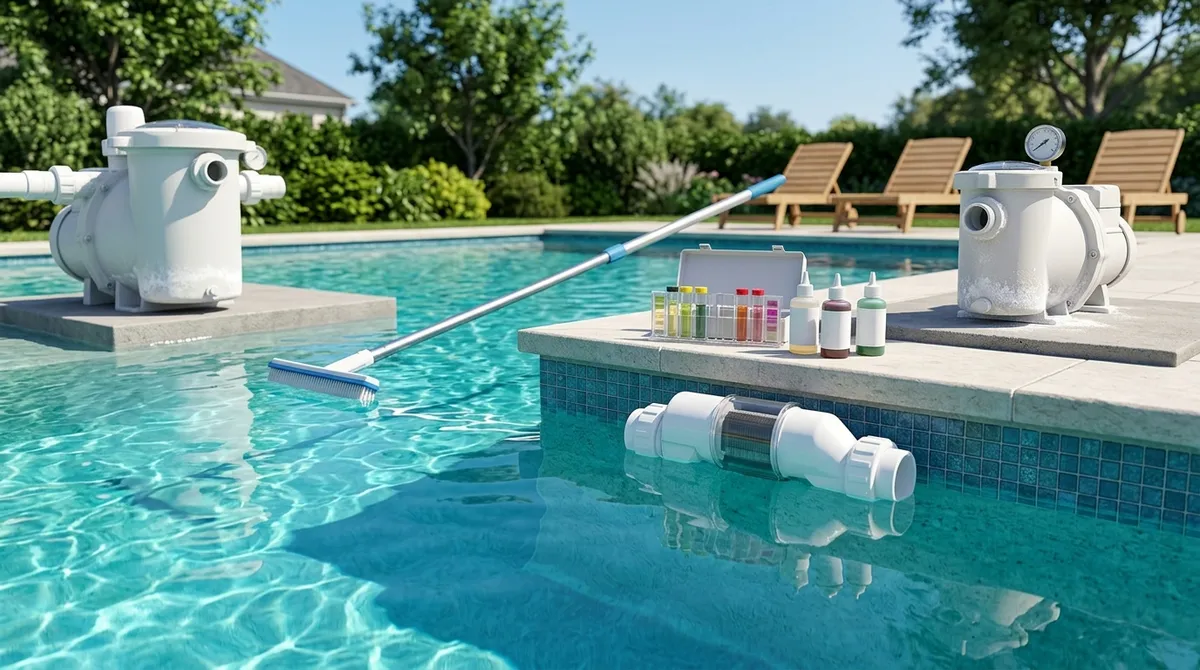
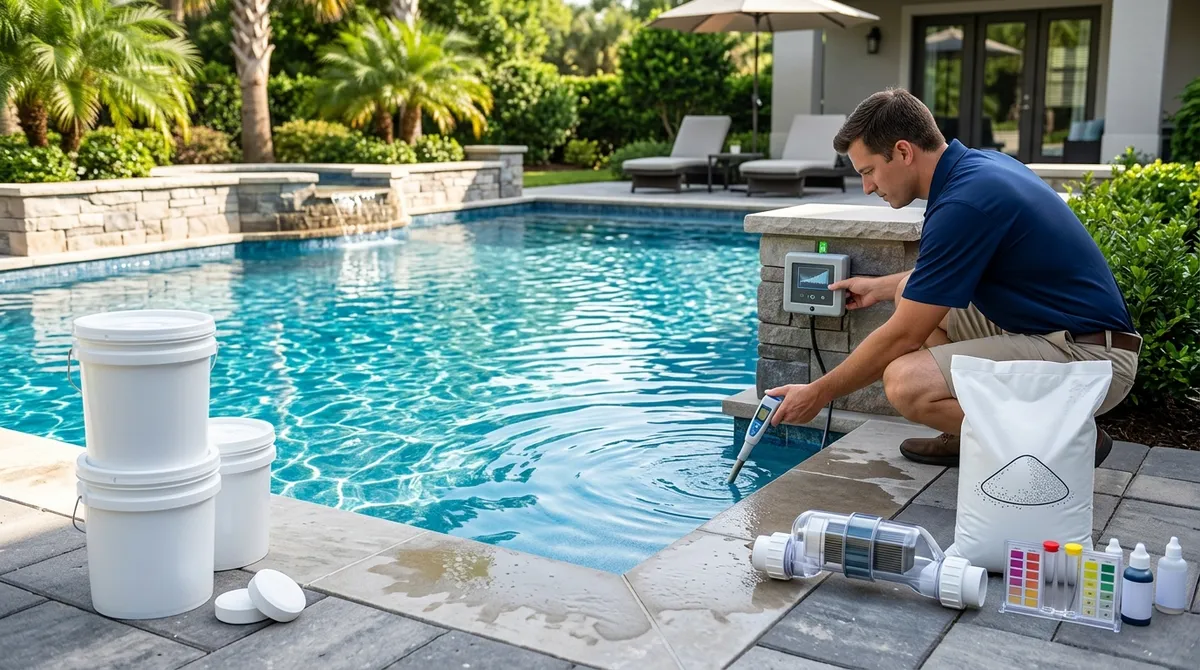
A saltwater pool uses a salt chlorine generator (SCG) to convert dissolved salt into chlorine. This means you don’t manually add chlorine as often. But the chemistry still needs to be balanced, and the equipment still needs regular attention. According to EPA Pool Resources, proper pool water management also supports water efficiency — a big deal here in Florida.
Salt pools are generally easier to manage, but they have their own quirks. pH tends to rise faster in saltwater pools. Salt cells need periodic cleaning. And salinity levels have to stay in a specific range for the generator to work properly. Staying on top of these tasks makes all the difference.
The 9 Essential Salt Pool Maintenance Tips
1. Keep Salt Levels in the Right Range
Your salt chlorine generator needs a specific amount of salt to work efficiently. The ideal salinity range is 2,700 to 3,500 ppm (parts per million). Too low, and your generator won’t produce enough chlorine. Too high, and you risk damaging equipment and irritating swimmers’ skin.
Test your salt levels at least once a month. When you need to add salt, pour it directly into the deep end with the pump running. Let the pump run for at least 24 hours so the salt dissolves evenly throughout the pool.
2. Test and Balance pH Every Week
This one is super important for saltwater pools. The electrolysis process in your salt generator naturally raises the pH over time. If pH gets too high, your chlorine becomes less effective, water gets cloudy, and swimmers may experience skin or eye irritation.
Aim to keep pH between 7.2 and 7.6. Test weekly and add a pH decreaser (muriatic acid or sodium bisulfate) as needed. This simple habit protects both your swimmers and your equipment.
3. Monitor Free Chlorine Levels Regularly
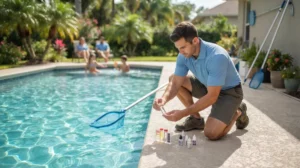
Even though your SCG produces chlorine automatically, you still need to verify the output. Free chlorine should stay between 1 and 3 ppm for safe, clean water. Test chlorine levels at least once a week, especially during peak swimming season.
If levels consistently drop below 1 ppm, check your generator’s output setting. You may need to increase the run time or adjust the chlorine production percentage on your SCG unit.
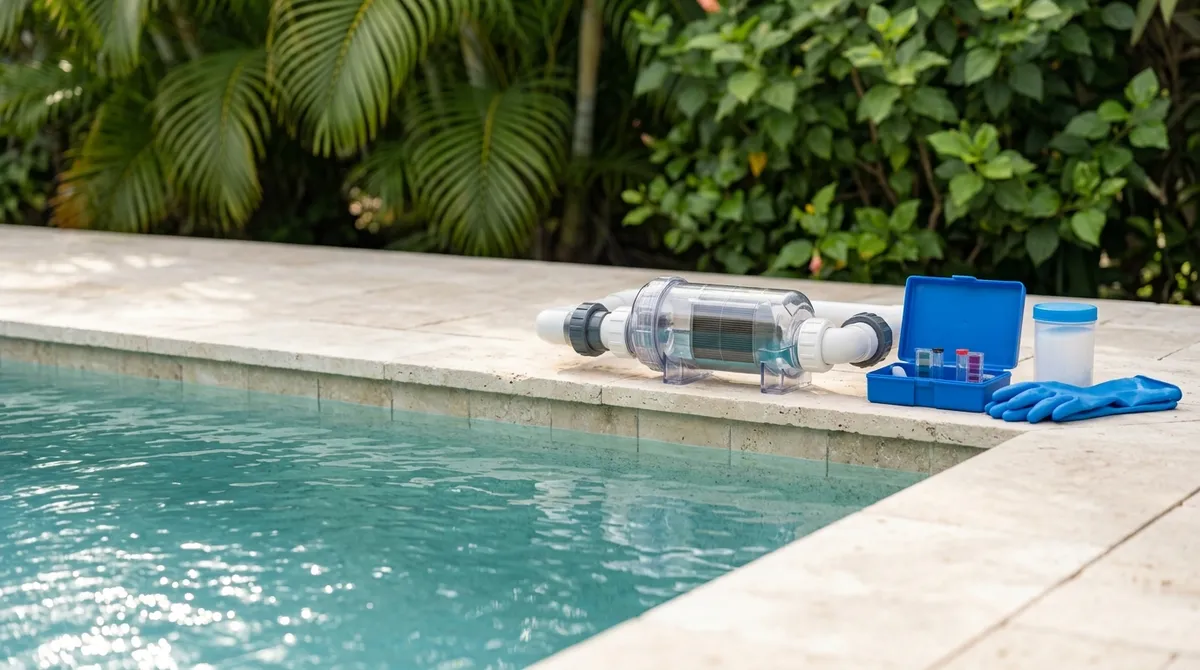
4. Clean Your Salt Cell Every 3 to 4 Months
The salt cell is the heart of your system — and it needs regular TLC. Over time, calcium scale builds up on the cell’s metal plates. This buildup reduces chlorine production and shortens the cell’s lifespan.
Here’s a simple cleaning process:
- Turn off the pump and remove the salt cell from its housing.
- Inspect the plates for white, crusty calcium deposits.
- Soak the cell in a mild acid solution (one part muriatic acid to four parts water) for 15 minutes.
- Rinse thoroughly with a garden hose before reinstalling.
- Always wear protective gloves and eyewear during this process.
Some modern SCGs have a self-cleaning mode, but manual cleaning every 3 months is still recommended as a best practice. The IPSSA recommends regular equipment inspections as part of a complete pool maintenance routine.
5. Run Your Pump at Least 8 Hours a Day
Good water circulation is essential for any pool — but especially for saltwater pools. Your SCG only produces chlorine when the pump is running. That means less pump time equals less chlorine and more algae risk.
Run your pump for a minimum of 8 hours per day. In Tampa’s hot summer months, consider running it 10 to 12 hours to keep up with higher bather loads and heat-driven algae growth. A timer makes this easy to automate.
6. Skim, Brush, and Vacuum Consistently
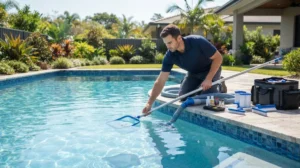
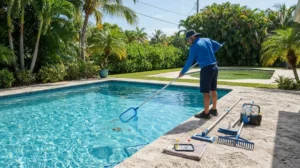
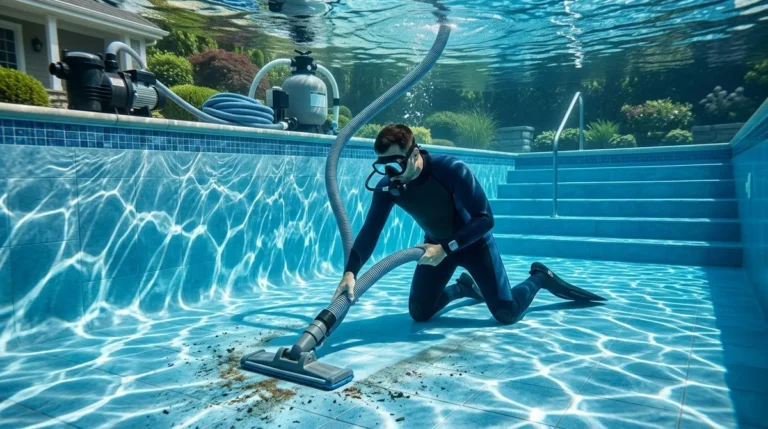
Physical cleaning is just as important as chemical balance. Debris left in the water — leaves, bugs, grass clippings — can affect water chemistry and clog your filter. Here’s a simple weekly cleaning checklist:
- Skim the surface daily to remove floating debris
- Brush pool walls and floor weekly to prevent algae buildup
- Vacuum the pool floor weekly or as needed
- Empty skimmer and pump baskets at least twice a week
- Wipe down the tile line to prevent calcium deposits
Staying consistent with these tasks keeps your pool looking inviting and reduces the workload on your filtration system. If you’re looking for a trusted team to handle this for you, our Pool Cleaning Services Tampa team is ready to help.
7. Shock the Pool After Heavy Use
Even with a salt generator running, shocking your pool is sometimes necessary. After a big pool party, a heavy rainstorm, or when you notice cloudy water, it’s time to boost chlorine levels. Many modern SCGs have a “super chlorinate” or “boost” mode that temporarily increases chlorine output — use it!
You can also use a non-chlorine shock or a granular shock product for weekly maintenance. This helps break down contaminants like sunscreen, sweat, and body oils that regular chlorine levels can’t fully handle on their own.
8. Perform Monthly Chemical Testing
Beyond weekly pH and chlorine checks, there are other chemicals you should monitor every month. Here’s a quick reference table for your monthly testing targets:
| Chemical Parameter | Ideal Range | Why It Matters |
|---|---|---|
| Salinity | 2,700 – 3,500 ppm | Powers the salt chlorine generator |
| Free Chlorine | 1 – 3 ppm | Sanitizes the water and kills bacteria |
| pH | 7.2 – 7.6 | Keeps chlorine effective and water comfortable |
| Total Alkalinity | 80 – 120 ppm | Stabilizes pH levels |
| Calcium Hardness | 200 – 400 ppm | Prevents scale and surface erosion |
| Cyanuric Acid (Stabilizer) | 70 – 80 ppm | Protects chlorine from UV degradation |
Keeping all these levels balanced works together. For example, low alkalinity makes pH swing wildly. High calcium hardness causes scale on your salt cell and pool surfaces. Monthly testing catches problems early before they become expensive repairs.
9. Schedule Professional Seasonal Inspections
Even the most diligent DIY pool owner benefits from a professional eye. A seasonal inspection can catch issues you might miss — things like worn o-rings, a weakening salt cell, or early signs of corrosion. Professionals can also perform a deep clean, backwash or replace filter media, and calibrate your SCG settings.
The Florida Swimming Pool Association (FSPA) recommends regular professional servicing to extend equipment life and maintain water safety. For homeowners in the Tampa area, getting a pro involved is especially smart given our year-round swimming season and intense sunshine.
Salt Pool Maintenance Schedule at a Glance
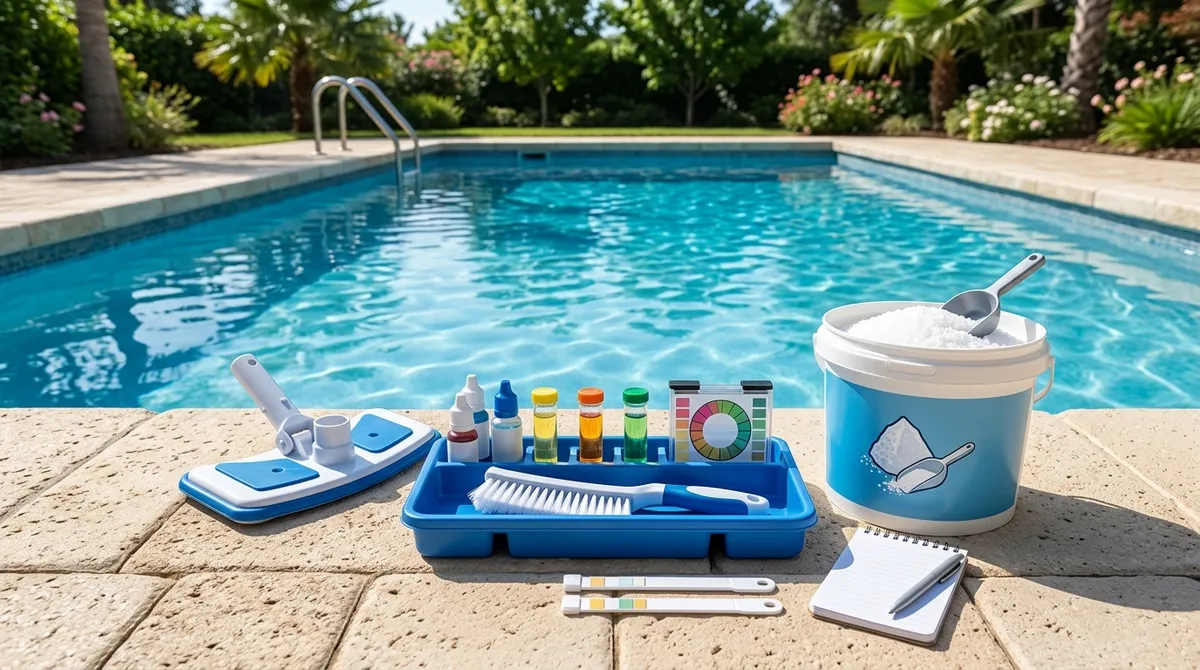
Here’s a simple schedule to follow so nothing slips through the cracks:
| Frequency | Task |
|---|---|
| Daily | Skim debris, check pump is running |
| Weekly | Test pH and chlorine, brush walls, vacuum, shock if needed |
| Monthly | Test salinity, alkalinity, calcium, and stabilizer |
| Every 3–4 Months | Clean salt cell, backwash or service filter |
| Seasonally | Professional inspection, deep cleaning, equipment check |
Common Salt Pool Maintenance Mistakes to Avoid
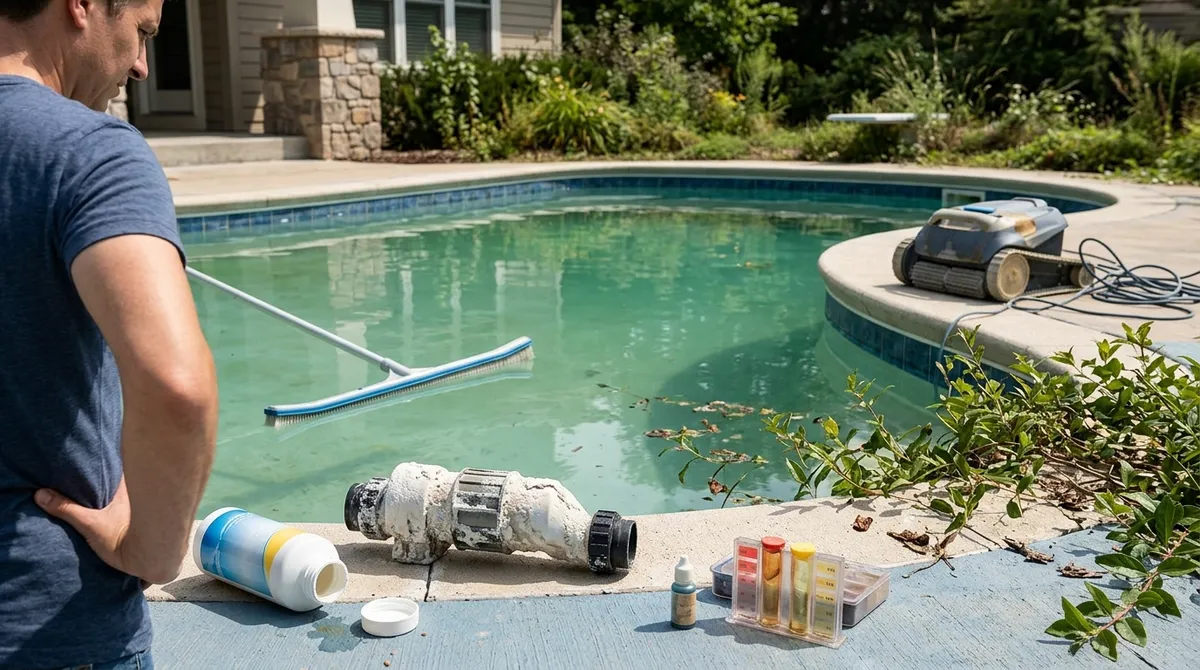
Even experienced pool owners can fall into some bad habits. Here are the most common mistakes and how to avoid them:
- Ignoring pH for weeks at a time — Salt generators raise pH fast. Test weekly, not monthly.
- Skipping salt cell cleaning — Calcium scale is a silent equipment killer. Stick to a quarterly cleaning schedule.
- Adding salt to the shallow end — Always add to the deep end with the pump running to prevent concentrated brine from damaging the pool surface.
- Running the pump too few hours — Less circulation means less chlorine production and more algae risk.
- Assuming saltwater pools are maintenance-free — They’re easier, not effortless. Consistency is key.
Why Tampa Homeowners Trust Panther Pools
Keeping up with salt pool maintenance in Florida’s climate can feel overwhelming, especially during the busy summer months when your pool sees the most action. That’s where having a reliable local team makes all the difference. Panther Pools is a family-owned pool cleaning company serving residential and commercial customers throughout Tampa. With seven-day-a-week customer support, certified technicians, and a genuine commitment to quality, they take the stress out of pool ownership.
From routine weekly maintenance to seasonal salt cell cleaning and equipment inspections, Panther Pools handles every aspect of keeping your saltwater pool in peak condition. Whether you’re in Westchase, West Chase, or anywhere across Tampa Bay, professional pool maintenance in West Chase and surrounding areas is just a call away.
Wrapping It All Up
Salt pool maintenance doesn’t have to be stressful. With the right routine — weekly testing, regular brushing, quarterly salt cell cleaning, and monthly chemistry checks — your pool will stay sparkling and safe for everyone who dives in. The key is consistency. Small, regular efforts prevent big, expensive problems down the road.
Whether you love handling your own pool care or prefer to hand it off to the pros, keeping these nine tips in mind will serve you well. Your saltwater pool is an investment in fun, relaxation, and your home’s value. Treat it right, and it’ll reward you every single day.
Ready to take the hassle out of pool ownership? Reach out to the Panther Pools team today for a free estimate and discover how easy professional salt pool maintenance can be.
FAQs
Q: What is the ideal salt level for a saltwater pool?
A: The sweet spot is between 2,700 and 3,500 ppm — that’s where your salt chlorine generator runs most efficiently. Test your salinity monthly and add pool-grade salt to the deep end with the pump running if levels drop below that range.
Q: How often should I clean my salt cell?
A: Plan to clean your salt cell every 3 to 4 months, or whenever you spot white, crusty calcium buildup on the plates. Regular cleaning keeps your generator producing chlorine effectively and helps extend the life of the cell significantly.
Q: Do saltwater pools still need to be shocked?
A: Yes, they do! After heavy pool parties, big rainstorms, or when the water starts looking cloudy, it’s time to shock. Many salt generators have a super chlorinate mode built right in — use it! It’s a quick and easy way to blast away contaminants and get your water crystal clear again.
Q: Why does the pH keep rising in my saltwater pool?
A: That’s totally normal! The electrolysis process inside your salt chlorine generator naturally produces a slightly alkaline byproduct, which pushes pH upward over time. That’s why weekly pH testing is so important — keeping it in the 7.2 to 7.6 range ensures your chlorine stays effective and your water stays comfortable.
Q: Are saltwater pools easier to maintain than traditional chlorine pools?
A: They’re definitely more convenient — no lugging heavy chlorine bags home every week! But saltwater pools aren’t completely maintenance-free. You still need to test water chemistry regularly, clean the salt cell quarterly, and run the pump daily. The good news is, with a consistent routine (or a great local pool service!), it’s very manageable.