
Key Takeaways
-
Never fully drain your above ground pool; water supports the structure and liner. Instead, lower the water level slightly below the skimmer when needed, as draining completely risks wall buckling and liner damage.
-
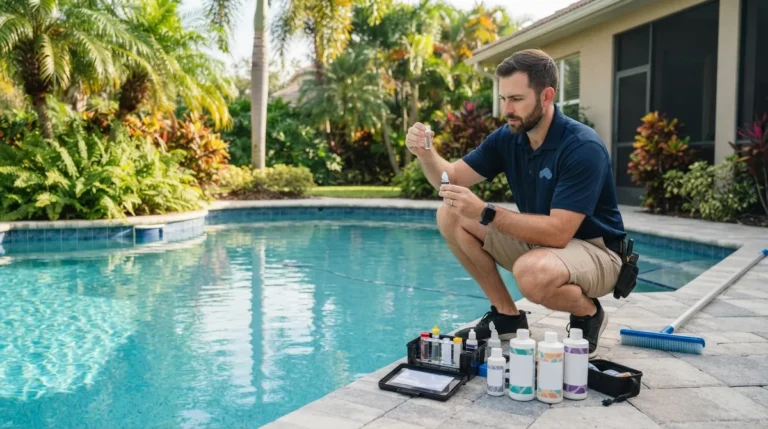
Test water chemistry weekly and maintain free chlorine at 2.0-4.0 ppm, pH at 7.4-7.6, and total alkalinity at 80-120 ppm. Chemical imbalances in smaller pools (5,000-15,000 gallons) create problems much faster than in larger inground pools.
-
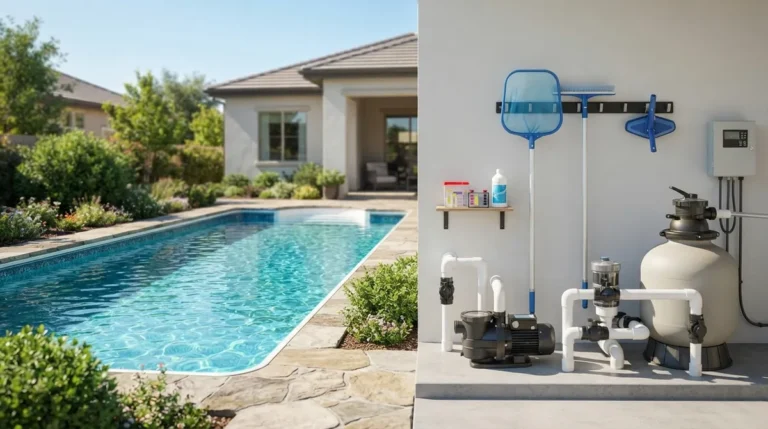
Run your filter 8-12 hours daily during swimming season to cycle all pool water at least once per day. Monitor the pressure gauge weekly and backwash when pressure rises 7-10 psi above normal to prevent clogged filters.
-
Follow a consistent weekly maintenance routine: skim debris, empty baskets, brush walls, vacuum the floor, and test chemistry (about 1 hour total). Skipping steps causes algae blooms and cloudy water in smaller pools where everything changes quickly.
-
Check water level weekly and keep it at the middle of the skimmer opening. If water drops too low, the pump can suck air and burn out; if too high, the skimmer can't remove surface debris properly.
-
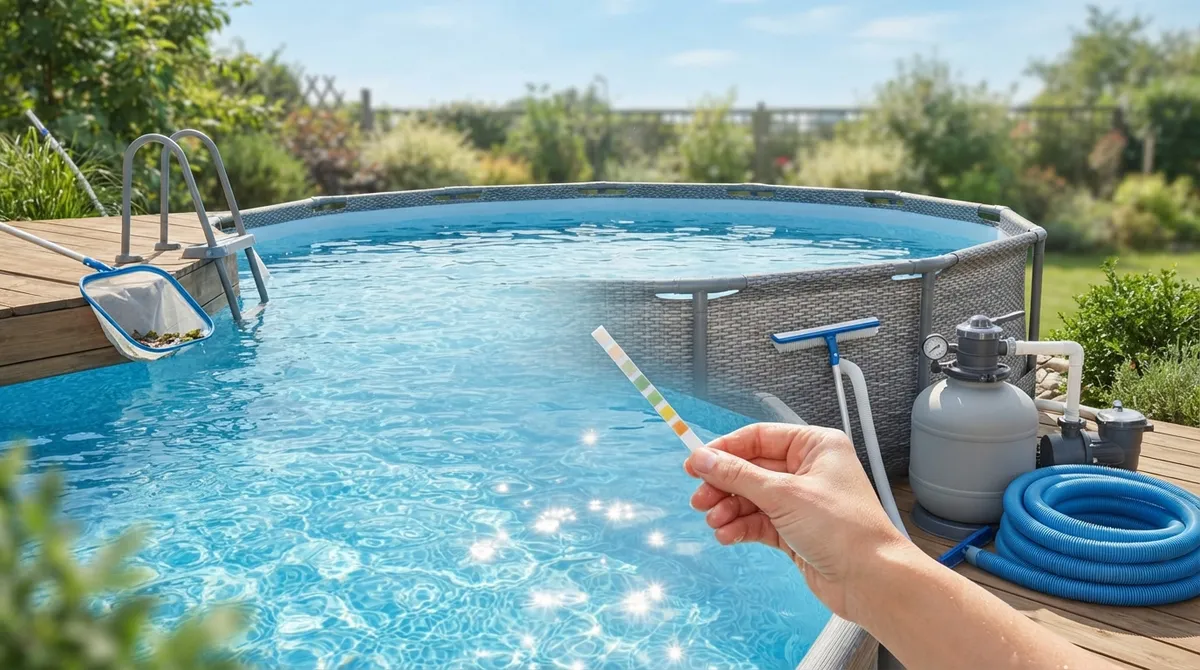
Prevent green pool water by catching early algae spots on walls or steps before they spread, maintaining steady chlorine levels, and not letting pH or alkalinity drift out of range for extended periods.
Owning an above ground pool in Tampa is a wonderful thing. You get sunny afternoons with the kids, quiet evenings floating under the stars, and instant backyard fun without the huge price tag of an inground pool. But here’s the thing nobody tells you when you buy one: above ground pools need a little extra love. Because they hold less water, things can go sideways fast if you skip a step or two.
Don’t worry, though. Maintaining above ground pool care doesn’t have to feel like a chore that eats your whole weekend. Once you understand the basics, it becomes second nature, kind of like remembering to water your plants or take out the trash. And if you’d rather leave it to the pros, that’s where we come in. This guide walks you through everything you need to know to keep your pool sparkling clean, safe, and ready for fun all season long.
Why Above Ground Pools Need Special Attention
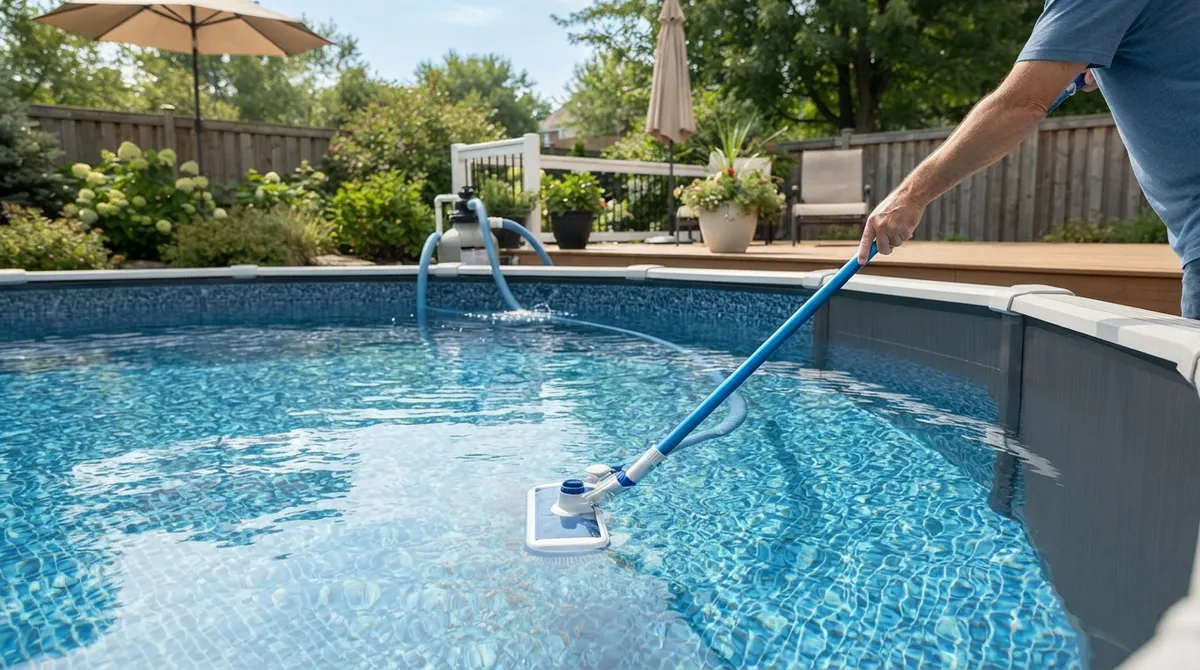
Above ground pools are treated differently in pool care guides, and for good reason. They typically hold around 5,000 to 15,000 gallons of water, compared to 20,000 to 40,000 gallons in a typical inground pool. That smaller volume means chemicals and debris have a much bigger impact, much faster.
Think of it like the difference between adding a spoonful of sugar to a small cup versus a big pitcher. In a smaller pool, everything changes quicker, whether it’s pH swings, chlorine loss, or algae blooms. That’s why staying on top of a regular schedule matters so much for above ground owners.
The Structural Side of Things
Above ground pools also rely on water to help hold their shape. The water pressing against the walls actually supports the structure and liner. This is one reason experts almost always advise against fully draining your pool, even during cleaning or seasonal shutdowns.
- Water helps keep the liner smooth and wrinkle-free
- It prevents walls from buckling or shifting
- It reduces the risk of liner damage from sun exposure
- It keeps the frame stable during storms and heavy winds
Your Weekly Above Ground Pool Maintenance Checklist
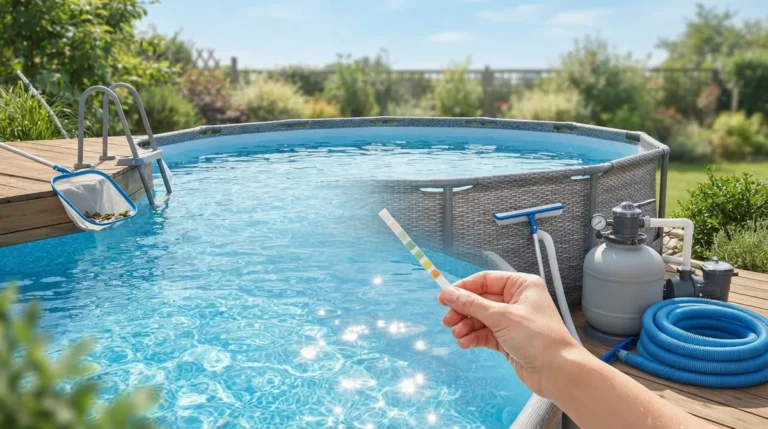
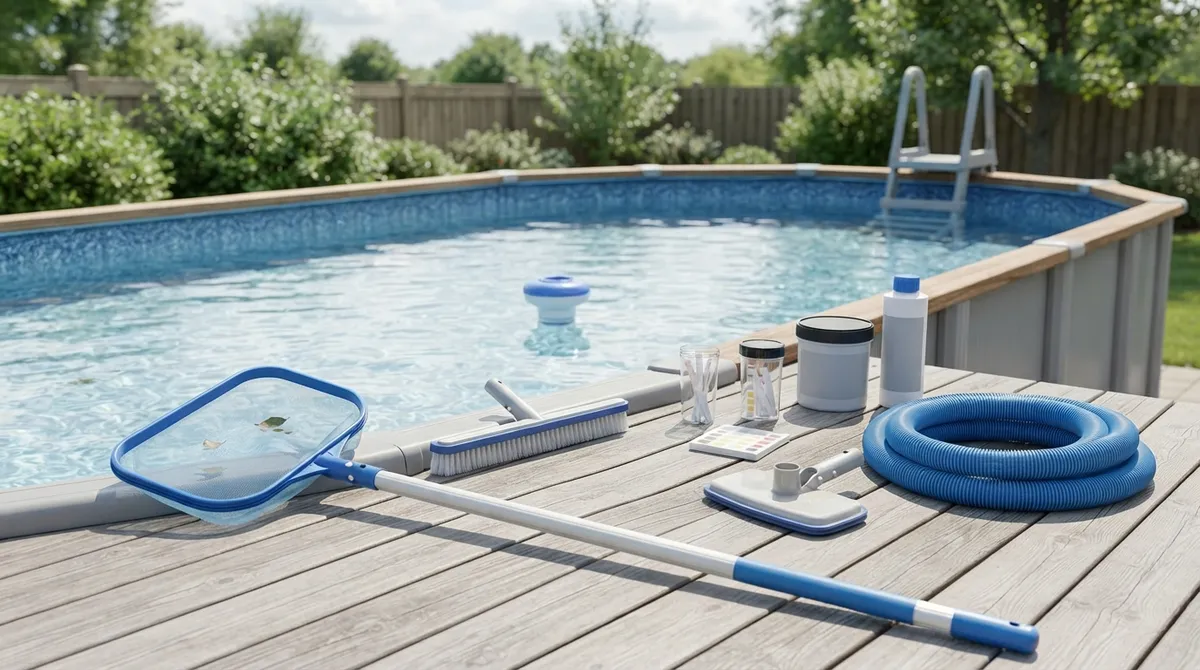
Good pool care is really about small, consistent habits. Most homeowner guides suggest that a full weekly routine takes about an hour, broken into a few simple tasks. Here’s a simple order to follow:
- Skim the surface for leaves, bugs, and debris (5-10 minutes)
- Empty the skimmer basket and pump basket
- Brush the walls and floor to prevent algae buildup
- Vacuum the pool floor to remove settled dirt
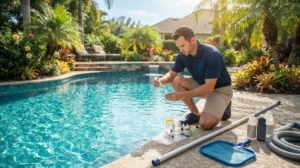
- Test the water chemistry with strips or a liquid kit
- Adjust chemicals as needed based on your results
- Check the filter pressure gauge
If this feels like a lot to juggle around work, kids, and everything else life throws at you, you’re definitely not alone. Many Tampa families turn to professional pool cleaning services in Tampa so they never have to stress about it.
Getting Your Water Chemistry Just Right
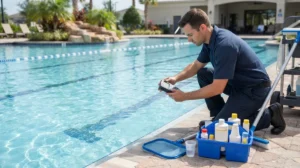
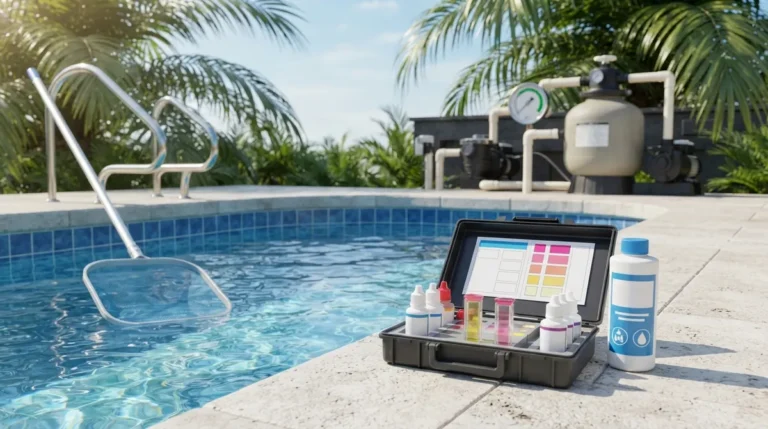
Balanced water is the heart of maintaining above ground pool health. When chemistry drifts out of range, you’ll start seeing cloudy water, itchy skin, or worse, that dreaded green tint. Testing weekly is the best way to catch problems before they grow.
| Chemical | Ideal Range | Why It Matters |
|---|---|---|
| Free Chlorine | 2.0-4.0 ppm | Kills bacteria and prevents algae |
| pH Level | 7.4-7.6 | Comfortable for skin and eyes, protects equipment |
| Total Alkalinity | 80-120 ppm | Keeps pH stable and prevents swings |
| Calcium Hardness | 200-400 ppm | Prevents corrosion and liner damage |
If you’re not confident reading test strips, our article on test strips versus liquid kits breaks down which method gives you the most accurate results. And if chemistry feels overwhelming, groups like FSPA offer helpful consumer resources for Florida pool owners.
Signs Your Water Chemistry Is Off
- Cloudy or hazy water that won’t clear up
- Green tint developing along the walls or floor
- Strong chemical smell (this usually means low chlorine, not too much)
- Skin or eye irritation after swimming
- Scaling or rough spots on pool surfaces
Keeping the Water Moving: Filtration and Circulation
Your filter is basically the lungs of your pool. Without good circulation, even perfectly balanced water can turn cloudy or grow algae. Most guides recommend running your filter 8 to 12 hours a day during swimming season, with some homes needing up to 18 hours if the pool sees heavy use or lots of sun.
Here’s a simple way to think about it: the goal is to cycle all the water in your pool at least once per day. Smaller above ground pools can usually hit that target faster than big inground pools, which is actually a nice perk of pool ownership.
When to Clean or Backwash Your Filter
Watch your pressure gauge closely. When it rises about 7 to 10 psi above your normal clean reading, it’s time to clean or backwash. A clogged filter works harder, wastes energy, and won’t clean your water properly.
- Check pressure gauge weekly during peak season
- Turn off the pump before servicing the filter
- Backwash sand or DE filters according to manufacturer instructions
- Rinse cartridge filters with a hose to remove debris
- Replace filter media on schedule (varies by filter type)
Not sure if your filter type is right for your setup? Our comparison of sand versus DE filter backwashing can help you understand the differences. And if your filter keeps giving you trouble, check out our guide on pool filter repairs that save you money down the road.
Water Level: The Detail Everyone Forgets
This one surprises a lot of new pool owners. Your water level should sit around the middle of the skimmer opening, not too high and not too low. If the level drops too far, your pump can suck air and burn out. If it’s too high, your skimmer can’t pull in surface debris properly.
- Check water level weekly, especially after storms or heavy swimming
- Top off with a garden hose as needed
- Watch for rapid drops, which could signal a leak
- Never let the pump run with water below the skimmer line
Seasonal Care for Above Ground Pools
Tampa’s warm climate means your pool sees a lot of action, but seasonal shifts still matter. Heavy rain, pollen, and even cooler winter nights can all change how you care for your pool.
Opening Your Pool for the Season
- Remove and clean the winter cover thoroughly
- Reconnect and inspect all equipment for damage
- Shock the water to kill any bacteria that built up
- Test and rebalance all chemical levels
- Run the filter for a full 24 hours before swimming
Closing or Slowing Down for Winter
Remember, you should never fully drain an above ground pool. Instead, lower the water slightly below the skimmer, balance chemicals one last time, and add a winterizing cover. Our detailed guide on pool winterization steps walks through this process step by step.
Common Mistakes That Turn Pools Green
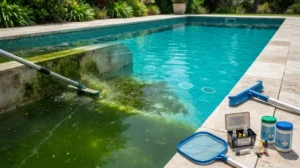
Nobody wants to walk outside and find a swamp where their pool used to be. Green water almost always comes down to a few repeat offenders:
- Skipping weekly water testing
- Letting chlorine levels drop too low, especially after rain
- Not running the filter long enough each day
- Ignoring early algae spots on walls or steps
- Ph or alkalinity drifting out of range for weeks at a time
If you’re already dealing with a green mess, our step-by-step guide on removing pool algae and restoring clear water can help you fix it fast. Organizations like IPSSA also offer great educational materials on pool water safety for homeowners who want to dig deeper.
Why So Many Tampa Families Choose Professional Help
Life in Tampa is busy. Between work, school schedules, and weekend plans, above ground pool maintenance can slip down the priority list fast. That’s completely normal, and it’s exactly why Panther Pools exists.
As a family-owned company, we understand what it’s like juggling a full life while trying to keep a pool safe and swim-ready. Our technicians show up on time, treat your property with respect, and never rush through a job. We’re proud to hold our Certified Pool Operator credential, and we back every visit with real expertise, not guesswork.
Whether you’re a busy parent who just wants the pool ready for Saturday, a retiree who’d rather relax than scrub walls, or a property manager overseeing a shared above ground pool, our pool maintenance services are built around your needs. We offer monthly service packages, free estimates, and support seven days a week, because pool problems don’t wait for business hours.
What Makes Panther Pools Different
- Certified Pool Operator (CPO 648855) and licensed technicians (CPC1461336)
- On-time, courteous service every single visit
- No rush jobs, ever
- Free estimates before you commit to anything
- Real customer testimonials showing dramatic green-to-clean transformations
- In-house repairs for pumps, heaters, salt systems, and more
If your equipment needs attention beyond routine care, our team also handles everything from pump maintenance to heater troubleshooting. And for homeowners considering an upgrade to their pool’s climate control, working with trusted HVAC partners like Marks Air can help keep your whole outdoor living space comfortable year-round.
Quick Reference: Daily, Weekly, and Monthly Tasks
| Frequency | Tasks |
|---|---|
| Daily | Skim surface debris, check water clarity |
| Weekly | Test chemistry, brush walls, vacuum, empty baskets |
| Monthly | Deep clean filter, inspect equipment, check water level trends |
Following this rhythm keeps small problems from turning into big, expensive ones. It’s the same approach we recommend in our pool maintenance tips for Tampa owners guide.
Proper water care isn’t just about aesthetics either. The EPA’s pool water efficiency resources highlight how good maintenance habits can also reduce water waste, which is a win for your wallet and the environment.
Bringing It All Together
Maintaining above ground pool care really comes down to consistency. Skim often, test weekly, keep that filter running, and never let the water level drop too low. Do these simple things, and your pool will reward you with clear, inviting water all summer long.
But if life gets busy, or you’d simply rather spend your weekends relaxing by the pool instead of working on it, you don’t have to do this alone. Panther Pools has proudly served Tampa families and businesses with reliable, honest, and professional care. Ready to enjoy your pool without the hassle? Reach out to our team today and let us show you why we’re considered Tampa’s premier pool cleaning company.
FAQs
Q: How often should I clean an above ground pool?
A: You’ll want to skim daily if you can, but a full cleaning routine, including brushing and vacuuming, should happen weekly. Think of it like tidying your kitchen: a little daily upkeep makes the weekly deep clean much easier!
Q: What chemicals do I need to maintain an above ground pool?
A: The basics include chlorine for sanitizing, pH increaser or decreaser for balance, and alkalinity adjusters to keep things stable. Testing weekly helps you know exactly what your pool needs, so you’re never guessing.
Q: Should I drain an above ground pool completely to clean it?
A: Nope, and this is a big one! The water actually helps support your pool’s walls and liner, so draining it completely can cause real damage. Instead, just lower the level slightly when needed for maintenance.
Q: How long should I run the filter on an above ground pool each day?
A: Most experts recommend 8 to 12 hours daily during swimming season, though busier pools might need up to 18 hours. Running it consistently helps keep water clear and prevents algae from creeping in.
Q: How do I keep an above ground pool from turning green?
A: Stay on top of weekly testing, keep chlorine levels steady, and run your filter long enough each day. Catching small algae spots early, before they spread, is your best defense against a full green takeover.