
Key Takeaways
-
Test water chemistry 2-3 times per week during swim season and maintain pH, alkalinity, chlorine, and calcium hardness levels to prevent cloudy, green, or damaged pool water.
-
The four pillars of clean pool water—circulation, filtration, sanitization, and water chemistry—must all work together; weakness in any one area causes the entire pool to suffer.
-
Schedule professional pool maintenance at least monthly to catch small issues like failing pumps or slow leaks before they become expensive repairs and to fine-tune water chemistry faster than DIY methods.
-
Clean or backwash filters every 4-6 weeks and skim debris daily, as even the best chemicals cannot fix pools covered in leaves and grime that decompose in water.
-
Consider saltwater systems or alternative sanitizing methods like ozone or UV-C treatment if you want softer water with less harsh chemical smell and lower maintenance compared to traditional chlorine.
-
Embrace automation with robotic cleaners and smart sensors that monitor chemical levels and alert you to problems early, giving busy families more relaxation time and fewer maintenance worries.
There’s nothing quite like walking outside on a hot Tampa morning and seeing your pool sparkle like a gem. Clean water pools aren’t just pretty to look at. They keep your family safe, protect your equipment, and save you money down the road. If your water has ever turned cloudy or greenish overnight, you know how frustrating it can feel. The good news? Getting crystal-clear water isn’t magic. It just takes the right systems, a little know-how, and consistency.
In this guide, we’ll walk through six proven secrets that keep pools clean, clear, and safe all year long. Whether you’re a busy parent, a proud new pool owner, or managing a commercial property, this article has something for you. We’ll also share some real data showing why professional pool care is more popular than ever. By the end, you’ll know exactly what to do to keep your water looking its best.
Why Clean Water Pools Matter More Than Ever
Pool owners today care more about water quality than ever before. Health and safety concerns have pushed more people to think seriously about what’s actually in their pool water. According to recent industry research, the pool cleaning and maintenance services market was valued at USD 27.36 billion in 2025 and is expected to reach USD 45.49 billion by 2032. That’s a huge jump, and it shows just how much people value clean, safe swimming water.
This growth isn’t just about looks. Clean water pools reduce the risk of skin irritation, eye infections, and other health issues. They also protect your pool’s plaster, tile, and equipment from damage caused by poor water balance. When you invest in proper care, you’re really investing in your family’s health and your property’s value.
The Four Pillars of Clean Pool Water
Every clean water pool relies on four basic systems working together. Think of these as the foundation of a healthy pool, kind of like the four legs of a sturdy table.
- Circulation: Moving water through the pump and pipes so it doesn’t sit still and grow bacteria.
- Filtration: Trapping dirt, debris, and tiny particles before they cloud your water.
- Sanitization: Killing germs and bacteria with chlorine, salt systems, or other treatments.
- Water chemistry: Balancing pH, alkality, and other levels so the water stays gentle and effective.
If even one of these pillars is weak, your whole pool can suffer. That’s why professional pool cleaning services in Tampa focus on all four areas, not just one.
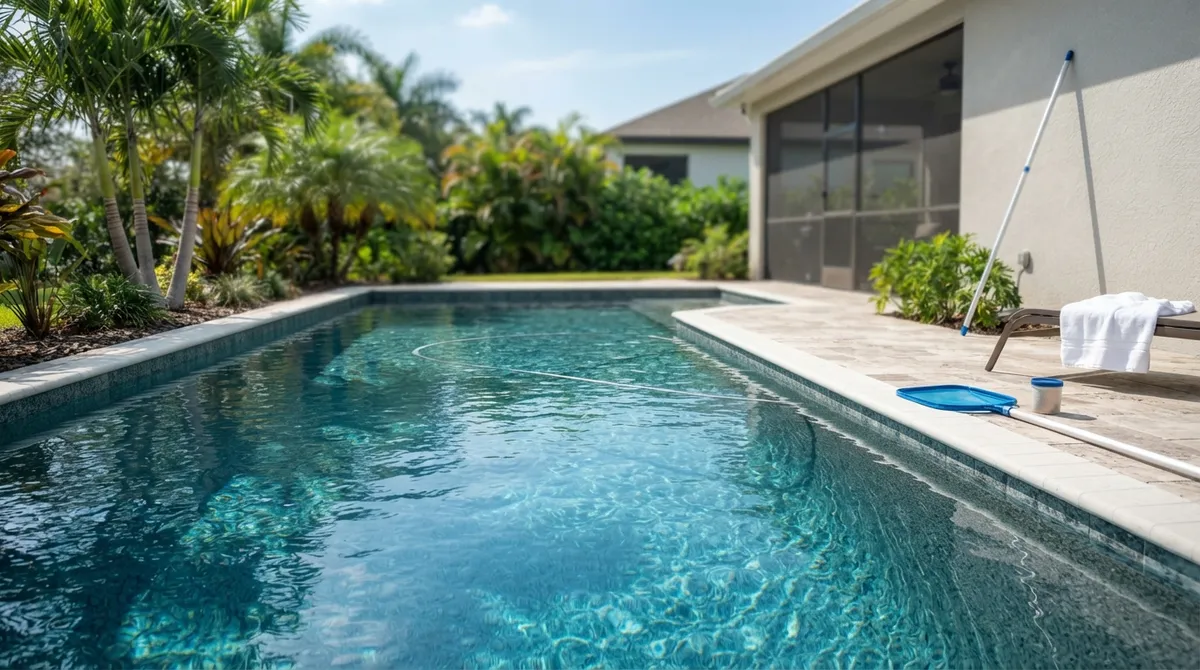
6 Secrets to Achieving Clean Water Pools
1. Master Your Water Chemistry First
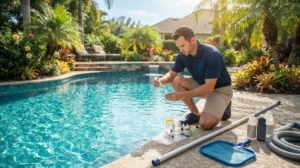
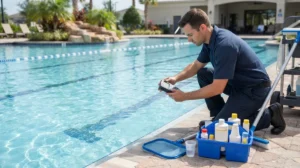
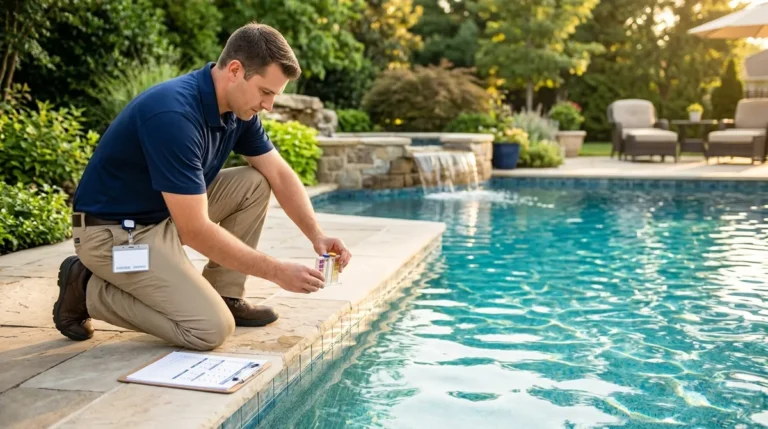
Before anything else, your water chemistry needs to be spot-on. This means checking your pH, chlorine, alkalinity, and calcium hardness regularly. When these levels drift too high or too low, your water can turn cloudy, itchy, or even damage your pool surfaces.
Many pool owners find testing confusing at first, and that’s totally normal. Learning the difference between test strips versus liquid kits can help you choose the right tool for your needs. Getting comfortable with testing your pool’s water weekly makes a huge difference in keeping things balanced.
2. Keep Your Filtration System in Top Shape
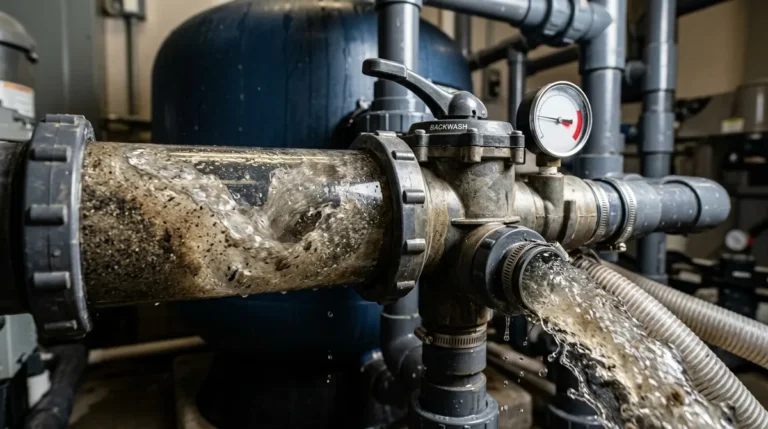
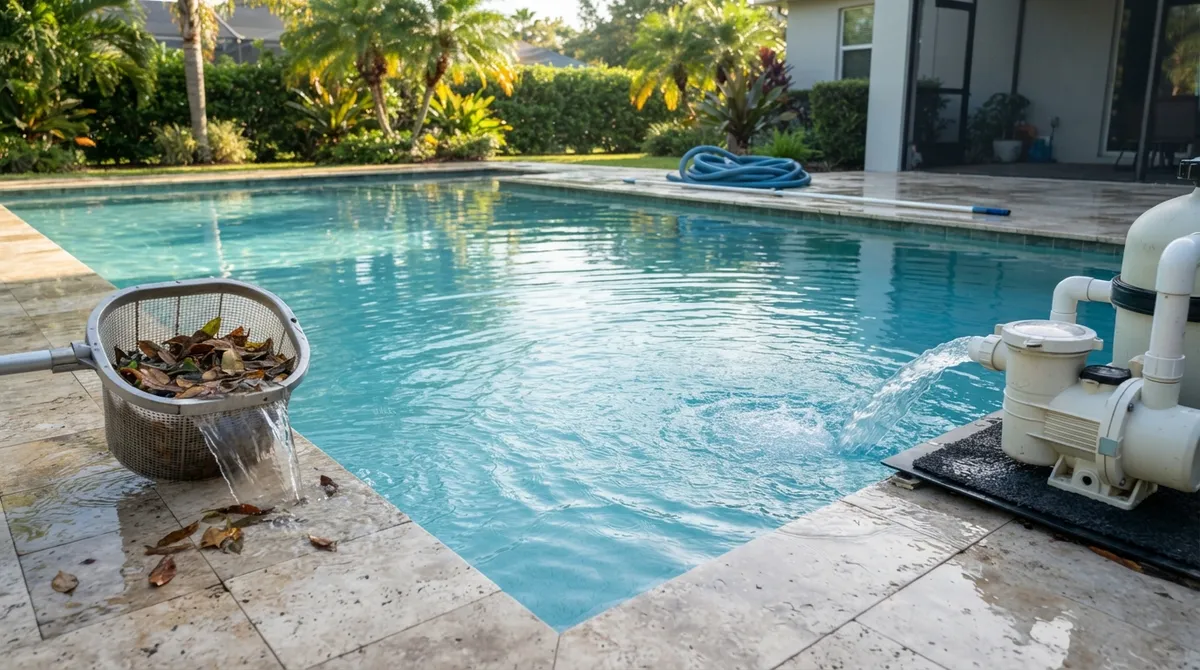
Your filter is basically your pool’s kidneys. It works around the clock to trap dirt, leaves, sunscreen, and other gunk floating in your water. But filters need love too. If you skip cleaning them, they get clogged and stop working properly.
Depending on your filter type, cleaning schedules vary. Sand filters and DE filters each have their own quirks, and comparing sand versus DE filter backwashing can help you understand which works best for your setup. Regularly maintaining your pool’s filters keeps water flowing clean and clear.
3. Don’t Skip Regular Brushing and Debris Removal
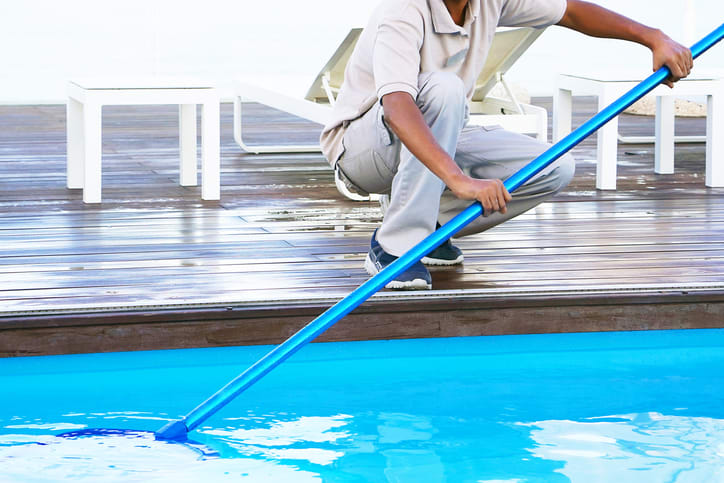
Even the best chemicals can’t fix a pool covered in leaves and grime. Brushing your pool walls and floor breaks up algae before it spreads. Skimming the surface daily removes bugs, leaves, and other debris before they sink and decompose.
This step feels tedious, but it’s one of the simplest ways to keep water looking fresh. Many Tampa families skip this step during busy weeks, which is exactly why weekly pool service is so popular. A professional handles the brushing and skimming so you don’t have to think about it.
4. Consider Saltwater or Alternative Sanitizing Systems
Traditional chlorine pools work great, but many homeowners are switching to gentler options. Saltwater systems, ozone treatment, and UV-C disinfection are all growing in popularity. These systems reduce the harsh chemical smell and feel softer on skin and eyes.
Saltwater pools use a generator to create chlorine naturally from salt, giving you clean water without constantly adding chemicals by hand. If you’re weighing the pros and cons, our guide on saltwater pool maintenance tips breaks it all down simply.
| Sanitizing Method | Best For | Maintenance Level |
|---|---|---|
| Traditional Chlorine | Budget-conscious owners | Moderate to High |
| Saltwater System | Softer water, less irritation | Low to Moderate |
| Ozone/UV-C | Eco-friendly households | Low |
5. Embrace Automation and Smart Monitoring
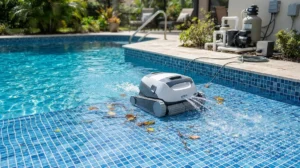
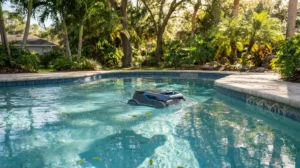
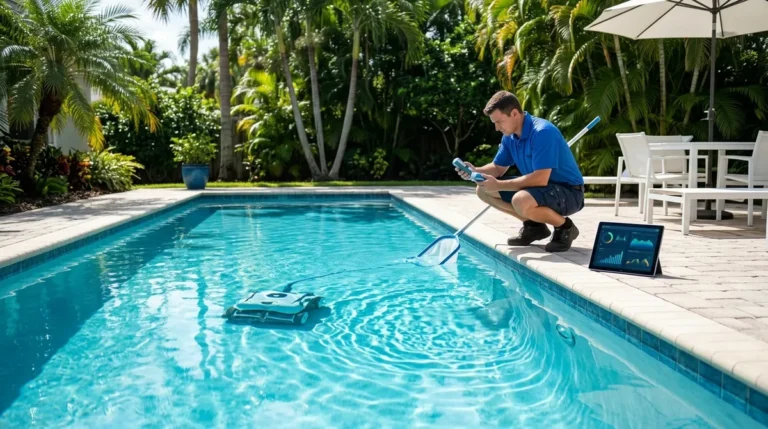
Technology has changed how pools stay clean. Robotic cleaners now handle the dirty work automatically, scrubbing walls and floors without any effort from you. The automatic pool cleaner market was valued at $2.4 billion in 2024 and is projected to hit $4.0 billion by 2030, showing just how much people trust these smart tools.
Smart sensors can even alert you when chemical levels shift, so problems get caught early. Pairing automation with pool automation systems gives busy families more time to relax and less time worrying about maintenance.
6. Schedule Professional Maintenance You Can Count On
Even with the best equipment, nothing beats having trained eyes on your pool regularly. Professionals catch small issues before they become expensive problems, like a failing pump or a slow leak. They also know how to fine-tune your water chemistry faster than most DIY methods.
This is where Panther Pools steps in as Tampa’s premier pool cleaning company. Our certified technicians handle everything from routine cleanings to full equipment repairs, so your water stays clean without the stress. We’re proud to hold a Certified Pool Operator credential (CPO 648855) and CPC License (CPC1461336), which means you’re getting trained, qualified care every single visit.
Common Problems That Ruin Clean Water Pools
Even with good intentions, plenty of things can throw your water off balance. Knowing what to watch for helps you catch issues early.
- Cloudy water: Usually caused by poor filtration, low chlorine, or high pH levels.
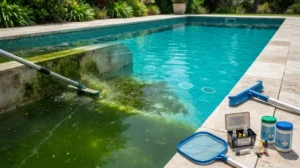
- Green or algae-filled water: Often from low sanitizer levels or poor circulation.
- Rapid chlorine loss: Can happen from too much sunlight or high bather load.
- Scaling or cloudy residue: Usually linked to high calcium hardness.
- Strong chemical smell: Often means chlorine is actually too low, not too high.
If you’re dealing with a green pool right now, don’t panic. Our step-by-step guide on removing pool algae and restoring clear water walks you through the process safely.
How Often Should You Test and Clean Your Pool?
Consistency is everything when it comes to clean water pools. Here’s a simple breakdown to keep you on track.
- Test water chemistry 2-3 times per week during swim season.
- Skim debris and empty skimmer baskets every few days.
- Brush walls and floors at least once a week.
- Clean or backwash filters every 4-6 weeks, depending on usage.
- Schedule a professional inspection monthly, even if things look fine.
Staying on this schedule prevents small problems from turning into big, expensive repairs. It’s much easier to maintain clean water than to fix a neglected pool later.
Who Benefits Most From Professional Clean Water Pool Care
Not every pool owner has the same needs, and that’s okay. Here’s how different Tampa residents benefit from consistent pool care.
- Busy suburban families get peace of mind knowing their pool is always safe for kids to swim in.
- Luxury homeowners protect their investment and keep their pool looking showroom-ready year-round.
- Young pool owners save time learning the ropes by letting professionals handle the technical side.
- Retired adults enjoy relaxing pool days without the physical work of scrubbing and testing.
- Commercial property managers stay compliant with health codes while keeping guests happy.
No matter which group you fall into, having a trusted team makes life easier. Learn more about our approach on the About page, where you can see why so many Tampa families trust us with their pools.
What Sets Panther Pools Apart in Tampa
We believe clean water pools shouldn’t be complicated or stressful. That’s why we built our business around reliability, honesty, and real expertise. Our technicians show up on time, work carefully, and never rush through a job just to move to the next appointment.
We also offer full equipment repair and installation services, covering everything from salt systems and pumps to heaters and automation. Whether you need a simple pump fix or a full remodel with new tile, pavers, or coping, our team handles it all in-house. And with support available seven days a week, help is never far away when you need it.
For commercial properties, we understand the added pressure of keeping pools compliant and guest-ready at all times. Our commercial pool service is designed to keep hotels, apartments, and businesses running smoothly without interruptions.
Industry Trends Shaping Clean Water Pools in 2026
The pool care industry is evolving fast, and it helps to know what’s coming. According to FSPA, sustainability and water efficiency are becoming top priorities for pool professionals nationwide. Meanwhile, IPSSA continues to emphasize the importance of certified training for anyone servicing pools, which is exactly why credentials matter so much.
The U.S. pool cleaning services market alone is worth about $7.2 billion, growing steadily each year. This growth reflects a bigger trend: people want dependable, professional care instead of guessing their way through pool maintenance. Water efficiency is also gaining attention, and resources from the EPA’s WaterSense program highlight simple ways to conserve water while still keeping pools clean and functional.
Quick Comparison: DIY vs Professional Pool Care
| Factor | DIY Maintenance | Professional Service |
|---|---|---|
| Time Commitment | 3-5 hours weekly | Minimal, hands-off |
| Chemical Accuracy | Varies, learning curve | Precise, trained technicians |
| Equipment Repairs | Often requires separate contractor | Included in-house |
| Consistency | Depends on schedule | Guaranteed routine visits |
If you’ve been handling pool care yourself and feel overwhelmed, you’re not alone. Many homeowners eventually realize professional help saves time and stress. It also protects your pool’s long-term health far better than occasional DIY attempts.
Bringing It All Together
Clean water pools come down to consistency, the right systems, and a little expert help along the way. From balancing chemistry to embracing automation, every step you take builds toward safer, clearer water. Whether you handle some tasks yourself or lean fully on professional support, the goal stays the same: a pool you can enjoy worry-free.
If your pool deck also needs some attention, pairing pool care with exterior cleaning makes your whole backyard shine. Many Tampa homeowners trust Buckhorn Power Wash for keeping decks and patios looking fresh alongside their sparkling pool.
Ready to stop stressing over cloudy water and start enjoying your pool again? Our friendly team is standing by seven days a week to help. Reach out to our team today for a free estimate and see why so many Tampa families trust Panther Pools with their clean water pools.
FAQs
Q: What does “clean water pools” mean in pool cleaning?
A: It simply means your pool water is properly balanced, filtered, and sanitized so it stays clear and safe to swim in. Think of it as the sweet spot where chemistry, filtration, and circulation all work together happily!
Q: How do you keep pool water clean and clear?
A: The best approach combines regular testing, consistent filtration, and routine brushing to remove debris. Sticking to a weekly schedule, or letting a trusted service handle it, makes a huge difference.
Q: What chemicals are needed for clean pool water?
A: Most pools need chlorine or a saltwater system for sanitizing, plus pH balancers and alkalinity adjusters. Testing regularly helps you know exactly what your water needs, so you’re never guessing.
Q: How often should a pool be cleaned and tested?
A: We recommend testing water 2-3 times weekly and skimming debris every few days. A full professional cleaning once a week keeps everything running smoothly without any guesswork.
Q: Are robotic pool cleaners worth it?
A: Absolutely! Robotic cleaners save time and provide consistent results, especially for busy families. They’re a great addition alongside professional maintenance, not necessarily a replacement for it.