
Key Takeaways
-
Robotic pool cleaners cannot replace professional pool service because they lack the ability to test water chemistry, inspect equipment, detect leaks, or handle algae outbreaks—tasks that require certified technicians with proper credentials.
-
Cordless robotic cleaners now dominate 55% of the market with 30%+ annual growth, but they’re limited to 60-120 minutes of runtime, making them best suited for quick touch-ups rather than deep cleaning of larger pools.
-
Modern robotic cleaners with Wi-Fi connectivity, obstacle avoidance sensors, and AI-powered navigation can reduce energy use by running independently from your main pump and improve filtration efficiency when paired with professional water testing.
-
Commercial properties cannot rely solely on robotic cleaners due to strict health regulations, heavy swimmer traffic, and continuous equipment demands—professional service remains essential for compliance and operational safety.
-
The most effective pool maintenance strategy combines daily robotic cleaner upkeep for debris removal with weekly professional service for water chemistry management, equipment repairs, and seasonal maintenance.
-
Robotic cleaners work like automated vacuums for surface-level cleaning but require regular filter emptying and maintenance, meaning owners who lack comfort with upkeep may still end up calling for professional help anyway.
If you’ve scrolled through social media lately, you’ve probably seen those cute little robots gliding across pool floors, scrubbing away like tiny underwater vacuums. Robotic pool cleaners are everywhere right now, and it’s easy to see why. But here’s the question every Tampa pool owner should ask before buying one: does a robot really replace what a professional pool service does? Grab some iced tea, get comfortable, and let’s talk this through together.
Whether you’re a busy parent trying to keep the backyard oasis safe for the kids, a retiree who just wants to relax by the water, or a property manager juggling a dozen responsibilities, this guide will help you understand robotic pool cleaners and how they stack up against working with a trusted team like Panther Pools. We’ll break down the tech, the trends, and the truth about what keeps your pool truly clean and safe.
What Exactly Is a Robotic Pool Cleaner?
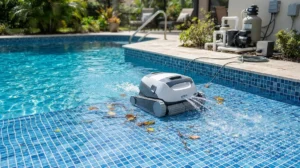
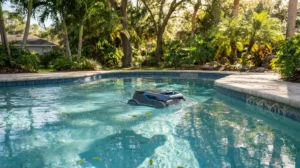
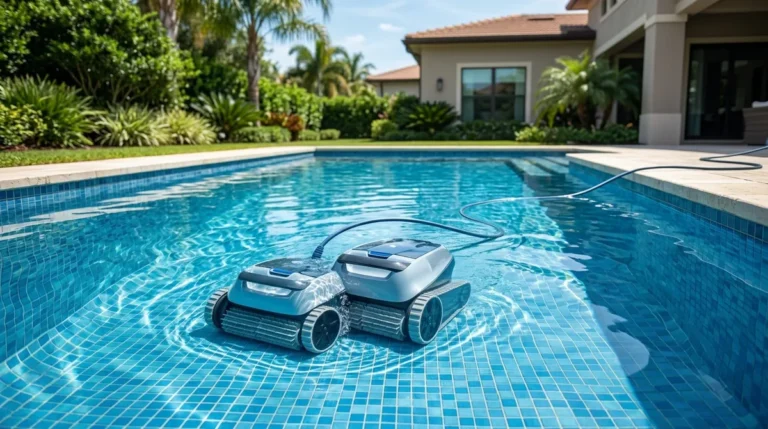
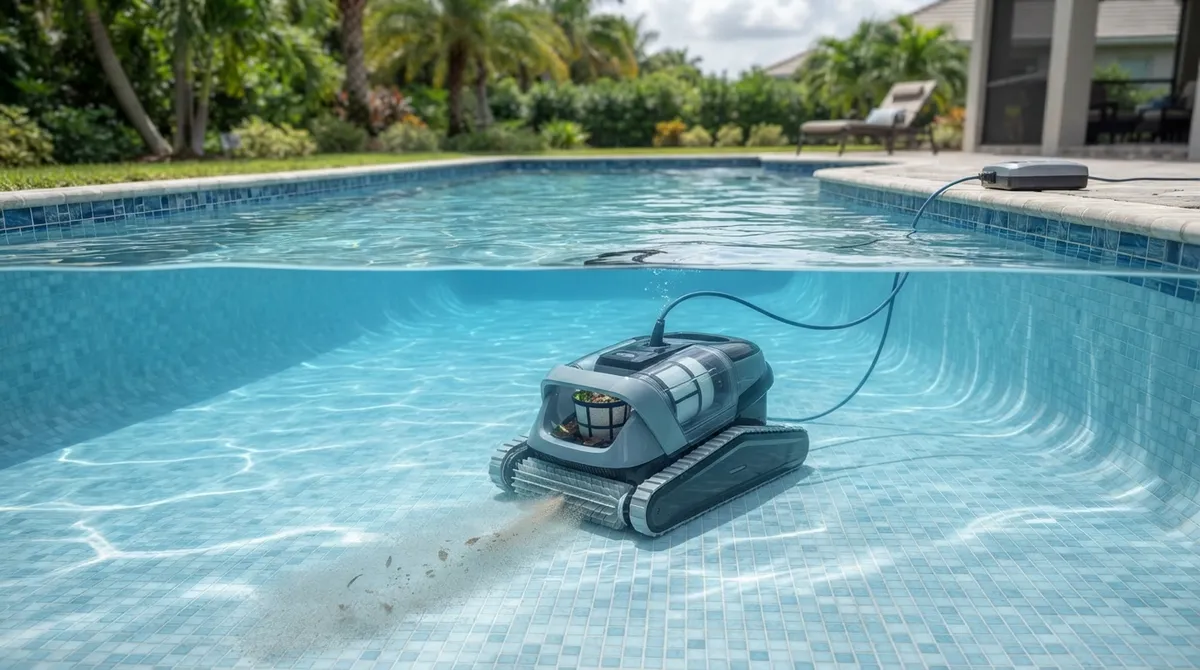
A robotic pool cleaner is a self-contained machine that scrubs, vacuums, and filters your pool without needing your home’s pump or filtration system. It drops into the water, drives itself around on wheels or tracks, and uses its own motor and filter bag to trap dirt and debris. Many newer models even connect to Wi-Fi so you can start a cleaning cycle from your phone.
These devices have grown fast in popularity. Market researchers estimate the global robotic pool cleaner industry was worth about USD 2.17 billion in 2024 and could reach USD 5.9 billion by 2034. Other forecasts put the market between USD 1.11 billion and USD 1.31 billion in recent years, growing at a rate of 12% to nearly 17% annually. No matter which report you look at, the story is the same: more pool owners want automated cleaning help.
How Does a Robotic Pool Cleaner Actually Work?
Most robotic cleaners use a simple three-step process:
- The robot enters the water and sinks to the pool floor using its own weight and motors.
- Internal brushes or scrubbing pads loosen dirt, algae, and grime from the surface.
- A built-in pump sucks up debris and stores it in a filter bag or cartridge inside the unit.
Some advanced models use AI-powered navigation and even 3D mapping to plan the most efficient cleaning path. This helps them cover the whole pool, including walls and steps, without missing spots or bumping into the same corner five times.
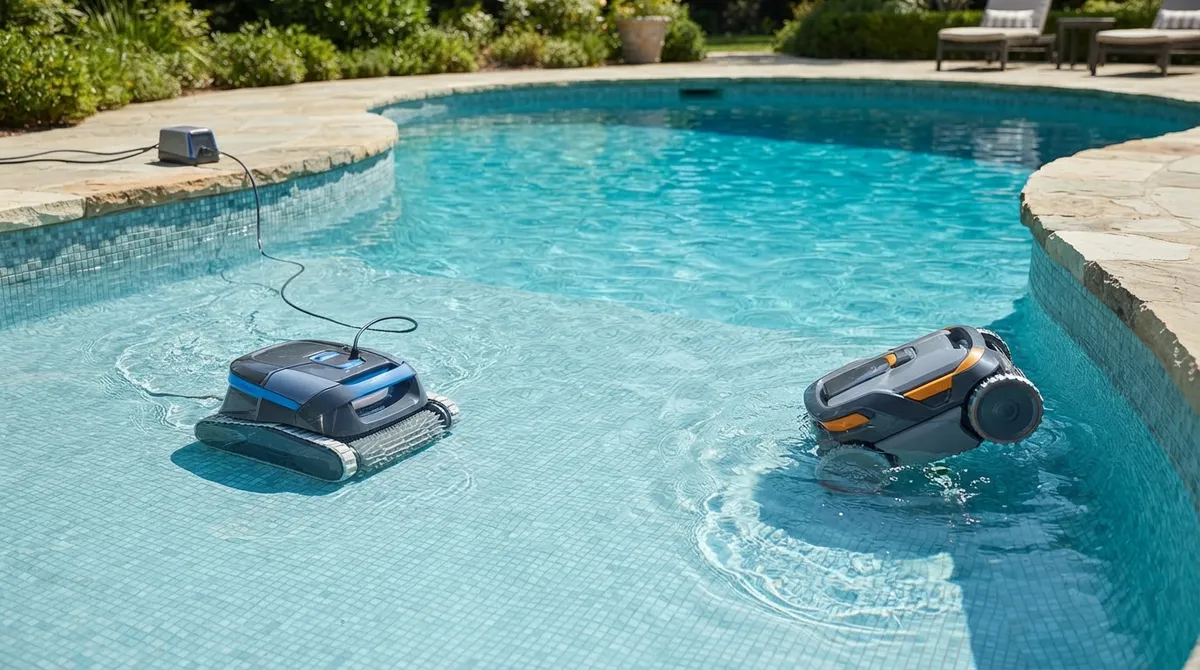
Corded vs. Cordless Robotic Pool Cleaners
One of the biggest shifts in this market is the move toward cordless, battery-powered robots. According to industry estimates, cordless units now make up roughly 55% of the robotic pool cleaner market, with year-over-year growth above 30%. Homeowners like the freedom of not dragging a cord across the patio, but there are trade-offs to consider.
| Feature | Corded Robotic Cleaner | Cordless Robotic Cleaner |
|---|---|---|
| Runtime | Unlimited while plugged in | Limited by battery life (usually 60-120 minutes) |
| Convenience | Cord can tangle or need untangling | Easy to drop in and walk away |
| Power | Generally stronger suction | Improving quickly with newer battery tech |
| Best for | Larger pools needing deep cleans | Quick touch-ups and smaller pools |
Robotic Cleaners vs. Suction and Pressure Cleaners
Robotic cleaners are steadily replacing older suction-side and pressure-side cleaners, and it’s not hard to understand why. Suction cleaners rely on your pool’s pump, which can strain your system and use more energy. Pressure cleaners need a booster pump, adding another piece of equipment to maintain. Robots skip all that by running independently.
That said, robots aren’t magic. They still need regular emptying, filter cleaning, and occasional repairs, just like any other pool equipment. If you’re not comfortable with that upkeep, you might find yourself calling for help anyway. Learning what pool cleaners are actually supposed to do can help set realistic expectations before you invest in one.
Key Features Worth Looking For
Not all robotic pool cleaners are created equal. Here are the features that matter most in 2026:
- Wi-Fi or Bluetooth connectivity for app-based scheduling and control
- Smart-home integration so it fits into your existing routines
- Obstacle avoidance sensors to prevent getting stuck on steps or ladders
- Diagnostic alerts that tell you when the filter needs emptying
- AI-powered navigation and mapping for full pool coverage
- Energy-efficient motors that keep your electric bill in check
More than 30% of robotic pool cleaners on the market now include some form of Wi-Fi or Bluetooth connection, according to industry data. That number is only expected to climb as smart home technology becomes standard in more households.
The Honest Limits of Robotic Pool Cleaners
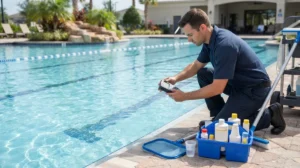
Here’s the thing nobody tells you in those slick commercials: robots clean the pool surface, but they don’t manage your water chemistry, check your equipment, or spot small problems before they become expensive ones. A robot won’t notice a cracked skimmer, a failing pump, or an early leak. That’s where professional eyes make all the difference.
Think of it this way: a robotic cleaner is like a robot vacuum for your living room. It’s great for daily upkeep, but you still need someone to check the plumbing, the roof, and the foundation. Your pool works the same way. Regular professional pool maintenance covers the parts a robot simply can’t.
What a Robot Can’t Do
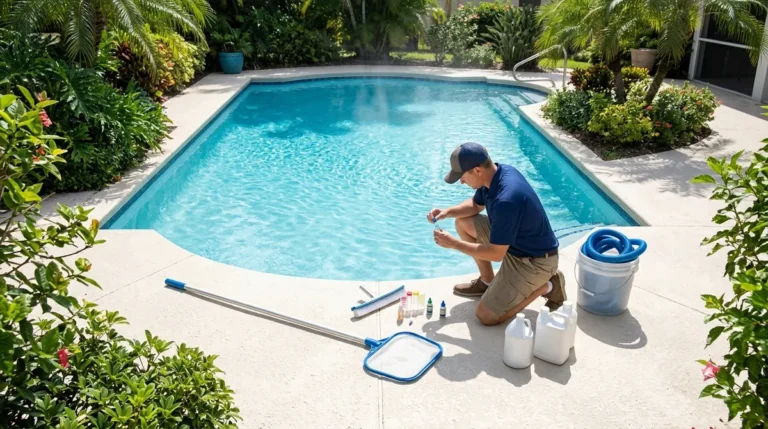
- Test and balance your water chemistry
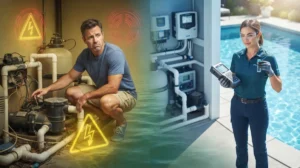
- Inspect and repair pumps, heaters, or salt systems
- Detect leaks before they cause major damage
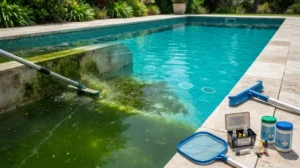
- Perform acid washes or handle algae outbreaks
- Service commercial pools to meet health code requirements
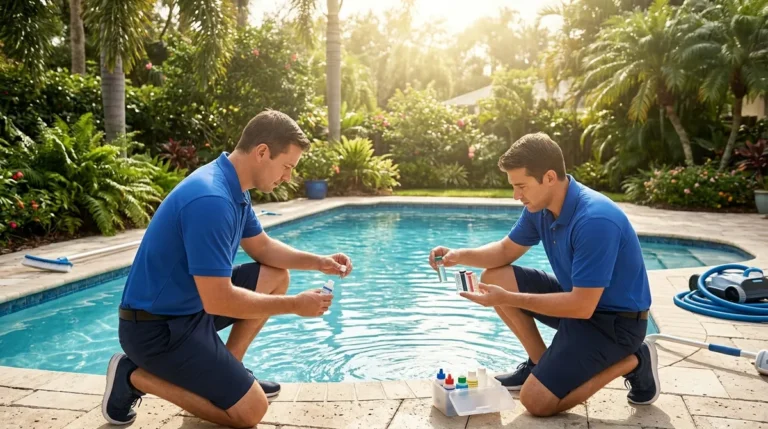
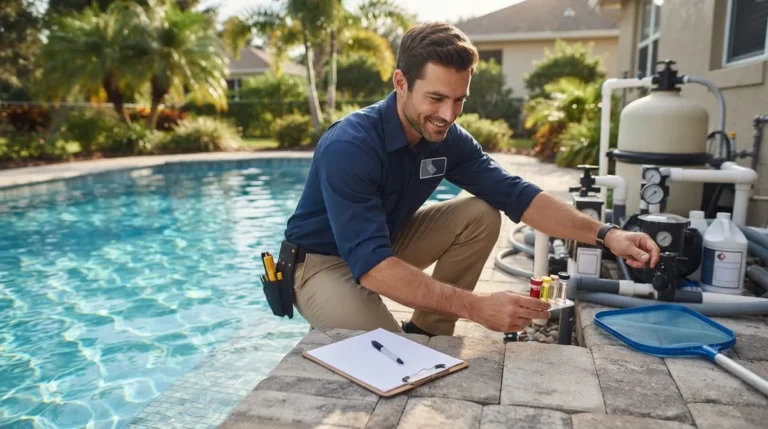
For issues like these, working with certified technicians matters. Panther Pools technicians hold a Certified Pool Operator credential and a CPC license, so you know the people caring for your water actually understand the science behind it, not just the surface-level scrubbing.
Why Tampa Families Still Choose Professional Pool Service
Busy families in Tampa suburbs don’t have time to babysit a robot, empty its filter bag every other day, or figure out why it stopped connecting to the app. What they want is a clean, safe pool their kids can jump into without a second thought. That’s exactly what weekly professional service delivers.
Luxury homeowners with custom pools featuring tile, coping, and specialty finishes need even more care. Robots can be rough on delicate surfaces if not used correctly, while trained technicians know how to protect your investment while keeping it spotless. If you want to understand the difference between routine upkeep and bigger fixes, our guide on pool resurfacing versus regular cleaning is a great place to start.
Benefits Young and Retired Pool Owners Both Love
Whether you’re a young homeowner enjoying your first pool or a retiree finally living the relaxed Florida lifestyle, professional service offers real peace of mind:
- No more guessing if your chemical levels are safe
- No wasted weekends untangling cords or cleaning filter baskets
- Friendly technicians who show up on time, every time
- Free estimates so you know exactly what you’re getting
- Support seven days a week if something unexpected comes up
Our weekly pool service in Tampa is designed around your schedule, not the other way around.
Commercial Pools Need More Than a Robot
Robotic cleaners might work fine for a small backyard pool, but commercial properties are a different story entirely. Hotels, apartment complexes, and community pools face strict health regulations, heavy swimmer traffic, and equipment that runs almost nonstop. A robot alone simply can’t keep up.
Growth in hotel construction and water parks is actually one of the reasons the robotic cleaner market keeps expanding, but commercial operators still rely heavily on professional teams for compliance and larger-scale upkeep. If you manage a commercial property, our article on why commercial pool service is essential for Tampa facilities breaks down what’s really required to stay operational and safe.
Energy and Chemical Savings: Robots and Pros Working Together
One of the best things about modern robotic cleaners is their energy efficiency. Because they run independently from your main pump, they can reduce overall energy use and, in some cases, cut down on chemical demand by keeping debris from breaking down in the water. The EPA’s pool water efficiency resources highlight how reducing unnecessary pump runtime and improving filtration can meaningfully lower a pool’s environmental footprint.
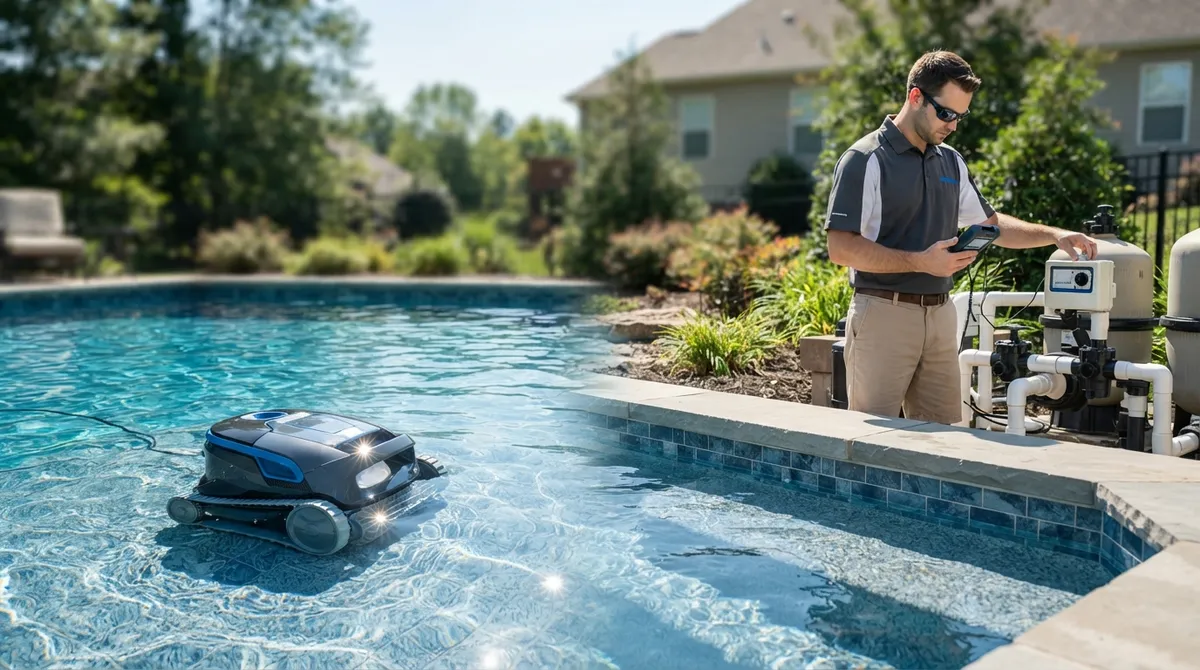
That said, pairing a robot with routine professional service gives you the best of both worlds. The robot handles daily debris, while your pool technician manages the deeper water chemistry balance, equipment checks, and seasonal needs like pool winterization or filter cleaning.
Choosing What’s Right for Your Pool
So, should you buy a robotic pool cleaner? Honestly, it depends on your goals. If you want a helpful daily tool that picks up leaves and light debris, a robot can be a nice addition. But if you want true peace of mind, reliable water safety, and a pool that stays sparkling without any guesswork, nothing beats a trusted professional service.
Here’s a quick way to decide what fits your lifestyle:
- If you love hands-on tech and don’t mind maintenance, a robotic cleaner can supplement your routine.
- If you want completely worry-free ownership, professional weekly service is the smarter choice.
- If you own a commercial property, professional service isn’t optional, it’s essential for safety and compliance.
- If you want the best of both, use a robot for daily upkeep and let professionals handle chemistry, repairs, and equipment.
Organizations like the Florida Swimming Pool Association and the Independent Pool and Spa Service Association both emphasize that proper training and consistent service standards matter just as much as the tools you use. Technology helps, but trained professionals make the real difference in water safety and equipment longevity.
Why Panther Pools Is Tampa’s Trusted Choice
At Panther Pools, we’ve built our reputation on being Tampa’s premier pool cleaning company, and we don’t take that lightly. Our technicians show up on time, treat your property with respect, and never rush through a job. We’re a family-owned business, and we treat every pool like it’s our own backyard.
From residential pool cleaning services to full equipment repair and installation, including salt systems, automation, pumps, heaters, acid washes, and even remodels with pavers, tile, and coping, we cover it all. Customers across Tampa trust us because we back it up with real results, visible green-to-clean transformations, and support seven days a week.
Ready to stop worrying about your pool and start enjoying it? Reach out to our friendly team today for a free estimate, and let us show you why so many Tampa families and businesses trust Panther Pools with their pools year after year.
FAQs
Q: What is a robotic pool cleaner?
A: A robotic pool cleaner is a self-contained device that scrubs and vacuums your pool floor and walls without using your home’s pump system. It runs on its own motor and filter, and many models even connect to an app for easy scheduling. Think of it as a helpful little assistant, but not a full replacement for professional care.
Q: Are robotic pool cleaners better than suction or pressure cleaners?
A: In many ways, yes! Robotic cleaners don’t strain your pool’s pump system and often clean more thoroughly thanks to smart navigation. That said, they still need regular maintenance, and they can’t replace the deeper care a professional service provides.
Q: Do robotic pool cleaners save energy and chemicals?
A: They can help, since they run independently and reduce wear on your main pump. Many owners also notice cleaner water needs less chemical correction. Pairing a robot with routine professional water testing gives you the best results.
Q: How much do robotic pool cleaners cost?
A: Prices vary widely based on features like Wi-Fi control, battery life, and navigation technology. Rather than focusing on price alone, we always recommend thinking about what actually keeps your pool safest and cleanest long-term, which usually means combining smart tools with trusted professional care.
Q: Should I still hire a pool service if I own a robotic cleaner?
A: Absolutely, and we say that with a smile because we genuinely want your pool to thrive! Robots handle daily debris, but they can’t test water chemistry, spot equipment issues, or perform repairs. A professional team like Panther Pools fills in those essential gaps.