
Key Takeaways
-
Weekly pool maintenance is essential for Florida residential pools due to warm climate conditions that accelerate algae and bacteria growth faster than cooler states.
-
Professional pool maintenance includes critical equipment checks (pumps, filters, heaters, salt systems) that prevent expensive repairs and equipment failure, not just surface cleaning.
-
Robotic pool cleaners are helpful tools but cannot replace professional technicians for water chemistry testing, equipment diagnostics, and early problem detection.
-
The global pool maintenance market reached $27.36 billion in 2025 and is projected to grow to $38.4 billion by 2030, reflecting increasing homeowner investment in professional care.
-
Skipping regular maintenance leads to costly problems like algae blooms requiring shock treatments, clogged filters, corroded equipment, and potential surface damage requiring resurfacing.
-
Choosing a certified pool operator (CPO credentials) with consistent scheduling, transparent communication, and responsive support ensures reliable service and prevents safety issues.
Picture this: it’s a hot Tampa Saturday, the kids are begging to jump in the pool, and you lift the cover to find cloudy green water staring back at you. Sound familiar? You’re not alone. Keeping a pool clean and safe takes more effort than most people expect, and that’s exactly why a solid pool maintenance service has become a must-have for homeowners and businesses across Florida.
The pool cleaning and maintenance industry has grown fast, and for good reason. The global market was valued at USD 25.52 billion in 2024 and climbed to USD 27.36 billion in 2025, with projections reaching USD 38.4 billion by 2030. Here in the United States, the market hit USD 8.08 billion in 2023 and is expected to grow to USD 10.33 billion by 2029. People are investing in their pools, and they want them to stay beautiful, safe, and ready for fun.
Whether you’re a busy parent, a retiree enjoying the Florida sunshine, or a property manager overseeing a hotel pool, this guide will walk you through everything you need to know about professional pool maintenance service. Let’s dive in (pun absolutely intended).
What Is Pool Maintenance Service, Really?
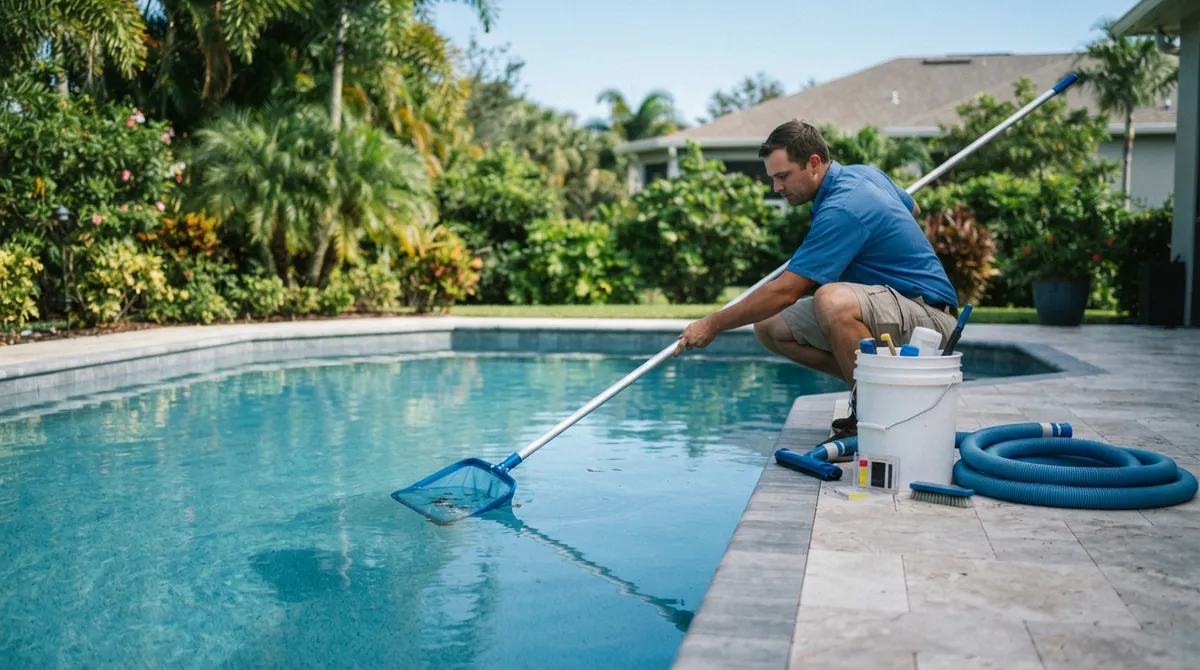
Pool maintenance service is the ongoing care your pool needs to stay clean, balanced, and safe for swimming. It’s not just skimming leaves off the top. It’s a full system of checks and tasks that keep your water healthy and your equipment running smoothly.
Think of it like a regular checkup for your pool. Just like you wouldn’t skip your car’s oil changes, your pool needs consistent attention to avoid bigger problems down the road. Our team at Pool Cleaning Services Tampa sees this every day: pools that get regular care simply last longer and cost less to maintain over time.
Core Tasks Included in Pool Maintenance
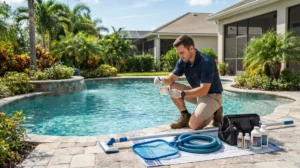
A proper pool maintenance service covers several key areas. Here’s what a trustworthy technician should be checking during every visit:
- Removing leaves, bugs, and debris from the water surface and floor
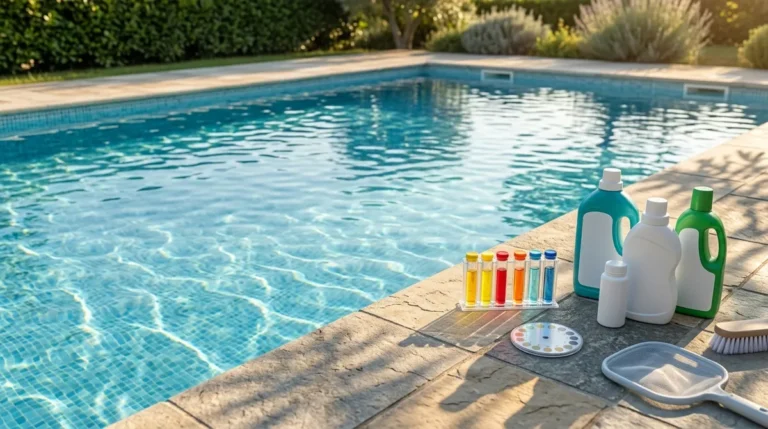
- Testing water chemistry, including chlorine, pH, and alkalinity levels
- Balancing chemicals to keep water safe and clear
- Brushing walls and tile lines to prevent algae buildup
- Checking filters, pumps, and heaters for proper function
- Emptying skimmer and pump baskets
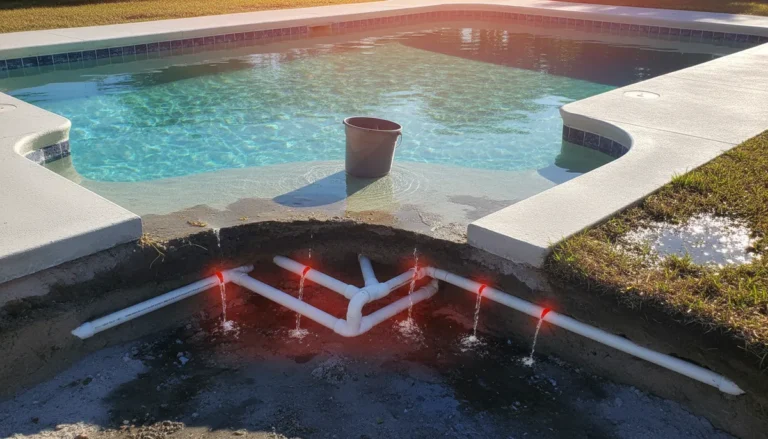
- Inspecting for leaks, cracks, or unusual wear
If you’re wondering what to expect from your provider, our article on what proper swimming pool maintenance really involves breaks it down even further.
Pool Cleaning vs. Pool Maintenance: What’s the Difference?
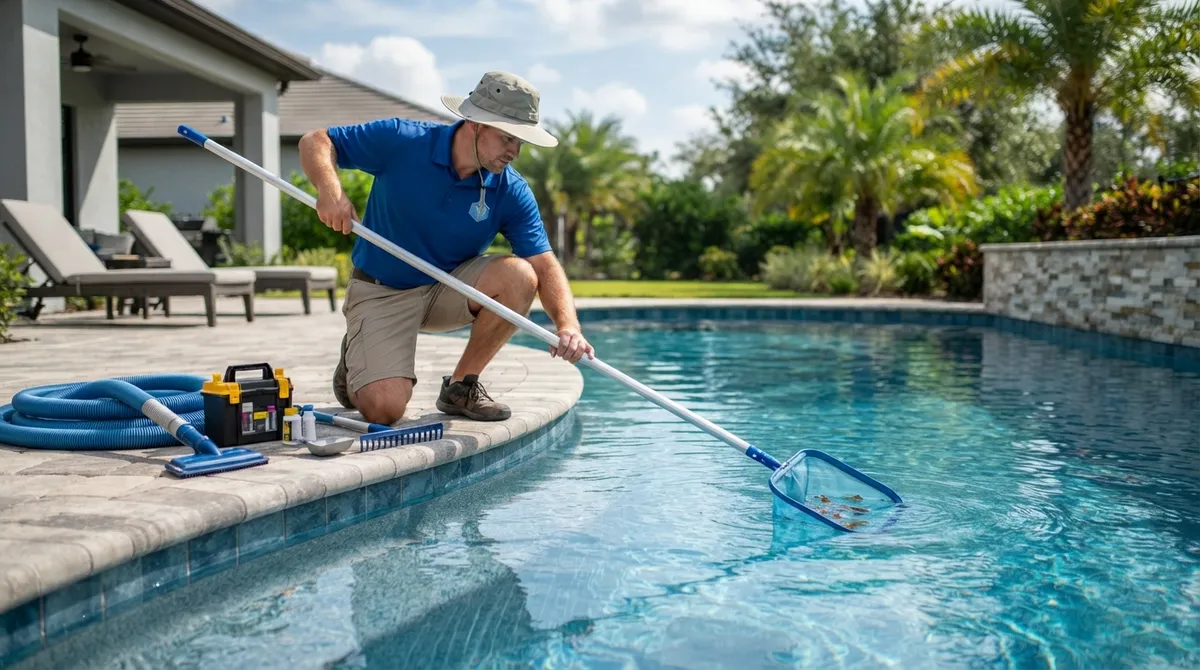
These terms get used interchangeably, but they actually mean slightly different things. Understanding this difference helps you know exactly what you’re paying for and what to expect.
| Service Type | What It Includes | How Often Needed |
|---|---|---|
| Pool Cleaning | Skimming, vacuuming, brushing, basket emptying | Weekly |
| Pool Maintenance | Water testing, chemical balancing, equipment checks | Weekly to bi-weekly |
| Pool Repair | Fixing pumps, heaters, filters, leaks | As needed |
Industry data shows that pool cleaning is often the largest single service category, but true maintenance combines cleaning with the technical side of keeping equipment running well. That’s why many providers, including our team, bundle these services together into one seamless package. You can learn more about how these categories work together in our guide on pool maintenance services every Tampa pool owner needs to know.
How Often Should You Schedule Professional Pool Service?
This is one of the most common questions we hear, and the answer depends on a few factors. Florida’s warm climate means algae and bacteria grow faster here than in cooler states, so most residential pools benefit from weekly visits.
Recommended Service Frequency by Pool Type
- Residential pools: Weekly service is standard for most Tampa homes, especially during summer months
- Pools with heavy use: Families with kids or frequent guests may need more frequent chemical checks
- Commercial pools: Daily or multiple weekly visits are often required to meet health codes
- Seasonal pools: Pools used only part of the year need special opening and closing service
- Saltwater pools: Require regular cell inspections in addition to standard care
For a deeper look at scheduling, check out our post on weekly pool service near me in Tampa. And if you’re managing a hotel, apartment complex, or gym pool, our guide on why commercial pool service is essential for Tampa facilities covers the stricter requirements you’ll face.
Residential vs. Commercial Pool Maintenance
Not all pools are created equal, and neither are their maintenance needs. Understanding these differences helps you choose the right service plan.
Residential Pool Care
Homeowners typically want convenience, safety, and a beautiful backyard oasis. Weekly visits usually cover everything needed to keep the water crystal clear and the equipment humming along nicely. Busy families especially appreciate not having to think about chemical balancing or filter checks themselves.
Commercial Pool Care
Hotels, apartment complexes, gyms, and municipal pools face stricter regulations and higher swimmer traffic. These properties often need daily monitoring, detailed record-keeping, and rapid response times when something goes wrong. Property managers can’t afford downtime, since a closed pool means unhappy guests or tenants.
Both segments matter greatly to the industry. Reports consistently identify residential and commercial pools as the two primary customer groups driving demand, with commercial facilities requiring more oversight due to health code compliance. That’s why organizations like the FSPA and IPSSA provide training and certification standards for pool professionals working in both markets.
Signs Your Pool Needs Professional Attention
Sometimes it’s obvious your pool needs help. Other times, small warning signs get overlooked until they become bigger, costlier problems. Here’s what to watch for:
- Cloudy or green-tinted water, even after adding chemicals yourself
- A strong chemical smell, which often means chlorine levels are off, not too high
- Slippery or discolored pool walls and steps
- Slow-draining skimmers or unusual pump noises
- Rising energy bills tied to an inefficient heater or pump
- Visible algae growth in corners or along the waterline
If any of these sound familiar, it might be time to call in the professionals. Our article on 7 signs you need pool service near me in Tampa goes into even more detail on these warning signs.
Why Equipment Checks Are Just as Important as Cleaning
A sparkling clean pool doesn’t mean much if the pump is about to fail or the heater is on its last leg. Equipment care is a huge part of any complete pool maintenance service, and it’s often the piece homeowners overlook the most.
Key Equipment That Needs Regular Attention
- Pumps: Circulate water and keep chemicals evenly distributed throughout the pool
- Filters: Trap debris and contaminants, whether sand, cartridge, or DE style
- Heaters: Extend your swimming season, especially important during Tampa’s cooler months
- Salt systems: Convert salt into chlorine and need periodic cell cleaning
- Automation systems: Control everything from lighting to chemical dosing remotely
Neglecting these systems can lead to expensive repairs. Our guide on pool filter repairs that save money shows how small fixes now can prevent major headaches later. We also recommend reading about how to fix pool heater issues fast if you’re dealing with inconsistent water temperatures.
Industry Trends Shaping Pool Maintenance Service Today
The pool care industry isn’t standing still. Several trends are changing how service providers operate and what customers expect.
What’s Driving Change in 2026
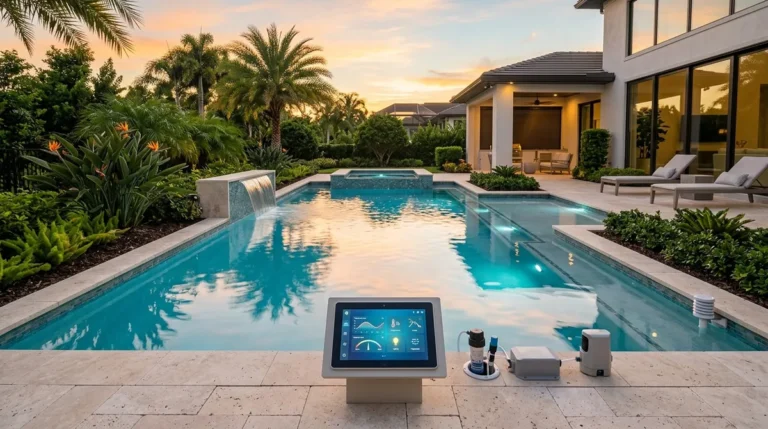
- Automation and technology: Smart systems now allow remote monitoring of chemical levels and equipment status
- Sustainability focus: Water-saving practices and energy-efficient equipment are becoming standard, a topic well covered by EPA Pool Resources
- Digital scheduling: Customers expect easy online booking and transparent communication
- Labor and material costs: Rising costs are pushing companies to become more efficient without cutting corners
- Robotic pool cleaners: These devices help with routine cleaning but don’t replace professional chemical balancing and inspections
Recent industry surveys, including Skimmer’s State of Pool Service report, highlight how automation is helping companies serve more customers without sacrificing quality. Still, nothing replaces a trained technician’s eye for spotting problems early. That’s the value a company like Panther Pools brings to every visit.
Are Automated Pool Cleaners Replacing Manual Service?
Short answer: not really. Robotic cleaners are fantastic tools for scrubbing floors and walls, but they can’t test your water chemistry or diagnose a failing pump. Think of them as helpful assistants, not full replacements for professional care.
A trained technician brings years of experience to every visit. They know what a slightly off chlorine reading means, they can spot early signs of equipment wear, and they understand how Florida’s heat and humidity affect your specific pool. Technology helps, but human expertise still matters most.
Choosing the Right Pool Maintenance Service Provider
Not all pool companies offer the same level of care. Here’s what to look for when choosing a provider you can trust:
- Proper certification: Look for Certified Pool Operator credentials and proper licensing
- Consistent scheduling: Reliable, on-time visits without constant rescheduling
- Transparent communication: Clear updates about your pool’s condition and any needed repairs
- Full-service capability: Ability to handle cleaning, chemical balancing, and equipment repairs
- Strong customer reviews: Real testimonials from local homeowners and businesses
- Responsive support: Availability for questions or emergencies, ideally seven days a week
Panther Pools proudly holds a Certified Pool Operator credential (CPO 648855) and CPC License (CPC1461336), and our technicians show up on time, every time, with no rushed jobs. We’re proud to be recognized as Tampa’s premier pool cleaning company, and our customers consistently praise our responsiveness and fair, honest service. If you want to learn more about what sets a reliable provider apart, check out our post on 7 signs of a truly reliable pool service in Tampa.
The Cost of Skipping Regular Pool Maintenance
It might be tempting to handle pool care yourself or skip a few weeks here and there. But neglect adds up fast, both in dollars and in headaches.
What Happens When Maintenance Gets Skipped
- Algae blooms that require expensive shock treatments or even acid washes
- Clogged filters that reduce water circulation and strain your pump
- Corroded equipment from imbalanced water chemistry
- Stained or damaged pool surfaces that need resurfacing sooner than expected
- Increased risk of unsafe swimming conditions for family and guests
Prevention truly is cheaper than repair. Our article on why pool repairs cost more than regular maintenance explains this in detail, and it’s worth a read if you’re on the fence about signing up for consistent service.
Special Considerations for Luxury and Saltwater Pools
If you own a high-end pool with custom features like tile work, coping, or a saltwater system, your maintenance needs are a bit more specialized. These pools often require gentler chemical handling and more careful attention to aesthetic details like tile lines and pavers.
Saltwater systems, in particular, need regular salt cell inspections to prevent scale buildup. Our guide on saltwater pool maintenance tips every owner needs walks through exactly what to expect. For luxury homeowners focused on preserving property value, working with a provider experienced in remodels, tile, and coping care makes all the difference.
Bringing It All Together
Whether you’re raising kids around a backyard pool, enjoying retirement by the water, or managing a commercial property with dozens of swimmers daily, professional pool maintenance service protects your investment and your peace of mind. The industry is growing for a reason: pools require consistent, expert care to stay safe, clean, and functional.
At Panther Pools, we’ve built our reputation on reliability, honesty, and genuine care for every pool we service. Our technicians show up on time, treat your property with respect, and never rush through a job. We proudly serve Tampa families, retirees, young homeowners, and commercial property managers alike, offering free estimates and support seven days a week.
Ready to stop worrying about your pool and start enjoying it? Get in touch with our team today for a free estimate and see why so many Tampa residents trust us with their backyard oasis.
FAQs
Q: What is included in pool maintenance service?
A: A full pool maintenance service usually covers debris removal, water testing, chemical balancing, and checking your pumps, filters, and heaters. Think of it as a complete health checkup for your pool, not just a quick skim of the surface. Our team makes sure nothing gets missed during every single visit.
Q: How often should a pool be professionally serviced?
A: Most Tampa homeowners do best with weekly service, especially given our warm climate and year-round swimming season. Commercial pools often need even more frequent visits to stay compliant with health codes. We’re happy to help you figure out the right schedule for your specific pool.
Q: What is the difference between pool cleaning and pool maintenance?
A: Pool cleaning focuses on physical tasks like skimming, vacuuming, and brushing, while maintenance includes water testing and equipment checks too. Most reliable providers, including us, bundle both together for complete care. That way, you never have to wonder what’s being covered.
Q: What chemicals are used in pool maintenance service?
A: Common chemicals include chlorine or salt for sanitizing, along with pH adjusters and alkalinity balancers. The exact mix depends on your pool type and current water conditions. Our technicians test your water every visit to make sure the balance stays just right.
Q: Are automated pool cleaners replacing manual pool service?
A: Not quite! Robotic cleaners are great helpers for scrubbing surfaces, but they can’t test chemistry or spot equipment problems like a trained technician can. We see them as a nice bonus tool, not a replacement for professional care. Your pool still needs a human expert checking in regularly.