
Key Takeaways
-
Weekly professional pool service (around $86/month) is essential in Florida’s climate to prevent algae blooms, maintain safe water chemistry, and catch equipment issues before they become expensive repairs.
-
Quality pool care includes water chemistry testing (chlorine, pH, alkalinity, calcium hardness, cyanuric acid), equipment inspections, and preventive maintenance—not just surface cleaning and debris removal.
-
When hiring a local pool company, verify Certified Pool Operator credentials, proper state licensing, insurance, and check references; be wary of quotes that seem unusually low as they may indicate corner-cutting.
-
Building a long-term relationship with one trusted technician provides faster problem-solving, consistent scheduling, and better equipment longevity compared to switching between multiple service providers.
Searching for “swimming pool care near me” usually means one thing: you’re tired of guessing whether your pool is safe, clean, and balanced. Maybe you’ve noticed cloudy water, or maybe you just don’t have time to test chemicals every week. Whatever brought you here, you’re in good company. Thousands of Tampa homeowners search for local pool help every single month, and the good news is that finding a trustworthy team is easier than you think once you know what to look for.
This guide walks you through exactly what quality pool care looks like, how much it typically costs, and how to spot the local pros who actually deliver. Whether you’re a busy parent juggling swim lessons and soccer practice, a retiree who just wants to relax poolside, or a property manager keeping a commercial pool compliant, this article has something for you. Let’s dive in (pun absolutely intended).
1. Understanding What Swimming Pool Care Near Me Really Means
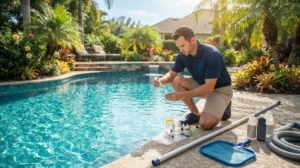
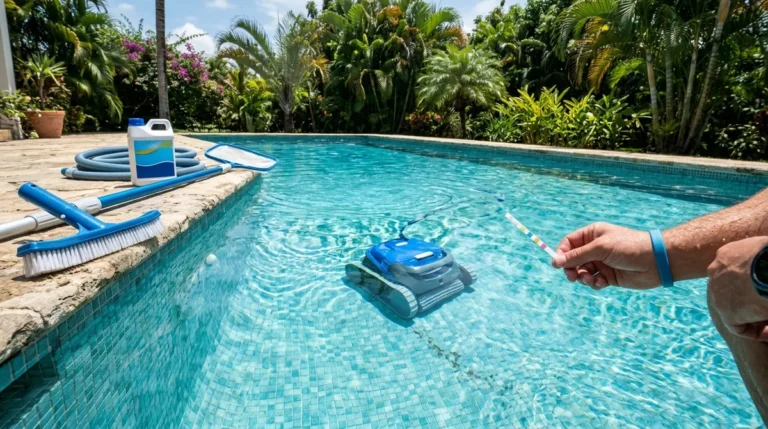
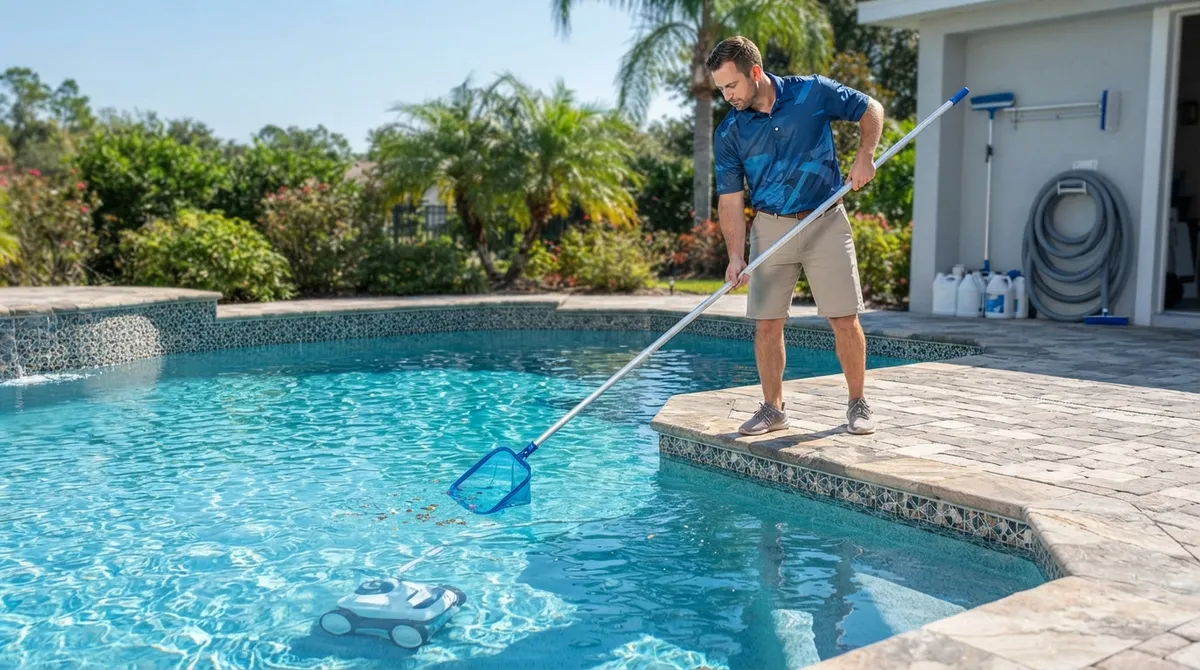
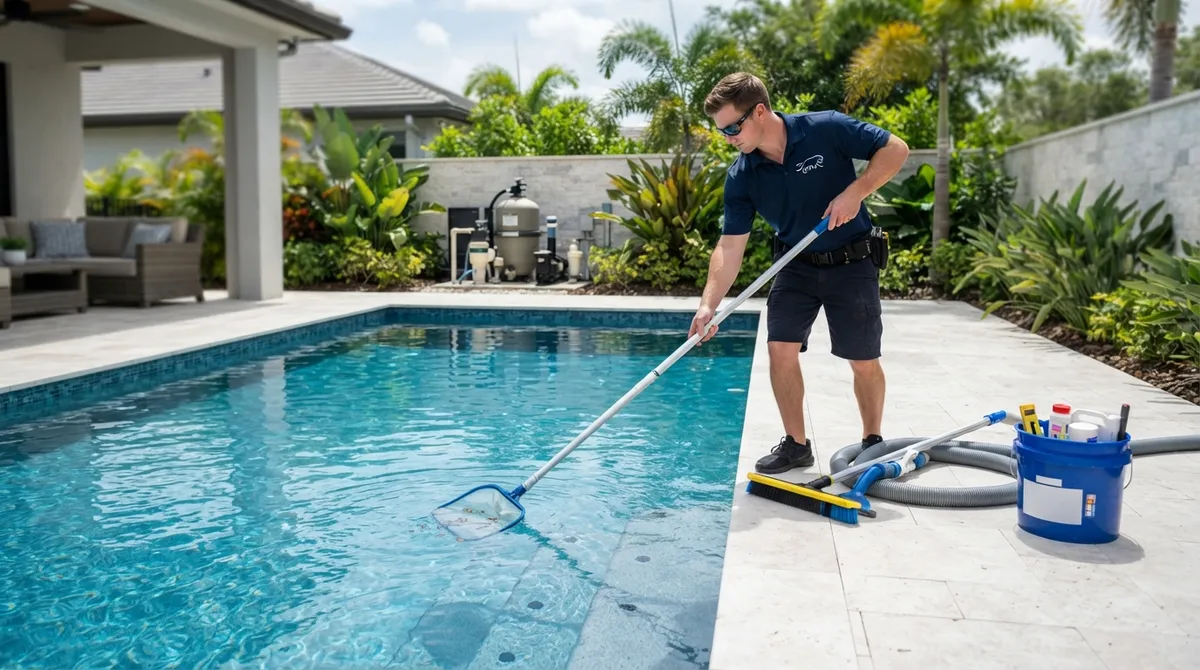
When people search for swimming pool care near me, they’re usually not looking for a one-time cleanup. Most homeowners want recurring maintenance: skimming debris, vacuuming the floor, brushing walls and steps, and emptying skimmer baskets on a regular schedule. This kind of steady attention is what keeps a backyard pool inviting instead of intimidating.
Local search intent matters a lot here too. You want a company that actually services your neighborhood, not one that’s an hour away and always running late. That’s why service-area coverage and city-specific expertise are so important when choosing a provider. Pool cleaning services in Tampa should feel local, personal, and responsive.
What’s Typically Included in Local Pool Service
- Skimming leaves, bugs, and debris off the surface
- Vacuuming the pool floor to remove settled dirt
- Brushing walls, steps, and tile lines to prevent algae
- Emptying skimmer and pump baskets
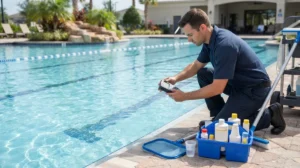
- Testing and balancing water chemistry
- Checking equipment like pumps, filters, and heaters
2. Why Weekly Service Is the Gold Standard
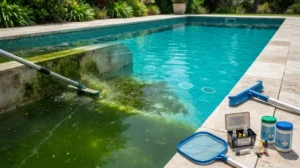
Many pool companies recommend weekly visits, and there’s good reason for that. Florida’s heat and humidity create the perfect breeding ground for algae, and a week is about as long as most pools can go before problems start creeping in. Weekly service keeps water clear, prevents algae blooms, and helps technicians catch small equipment issues before they turn into expensive repairs.
Think of it like brushing your teeth. Skip it for a few days and things get uncomfortable fast. Your pool works the same way, except instead of a toothache, you get green water and a stuck pump. If you’re wondering whether the investment makes sense, check out this breakdown on why weekly pool service is worth it.
Signs Your Pool Needs Attention Sooner
- Water looks cloudy or has a green tint
- You notice a strong chemical smell
- Debris is piling up faster than usual
- The pump sounds louder or runs longer than normal
- Skin or eye irritation after swimming
3. What Professional Pool Maintenance Actually Covers
There’s a difference between simple pool cleaning and full-service pool maintenance. Cleaning handles the surface stuff: skimming, brushing, vacuuming. Maintenance goes deeper, covering water chemistry, equipment inspections, and preventive care that protects your investment long term.
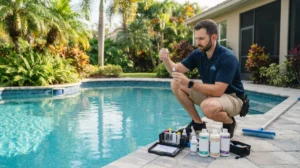
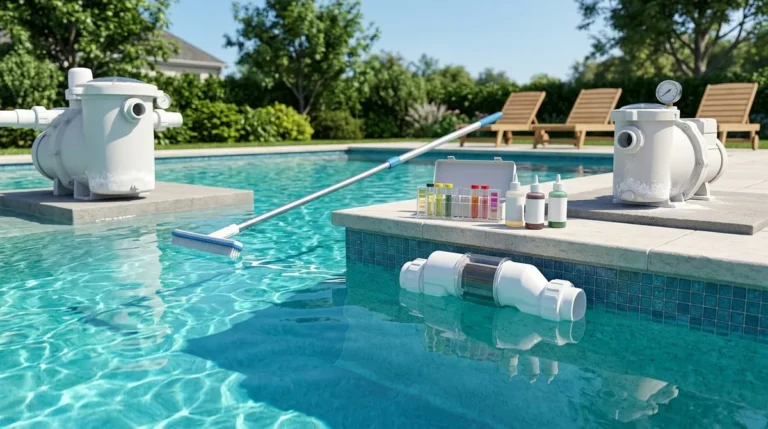
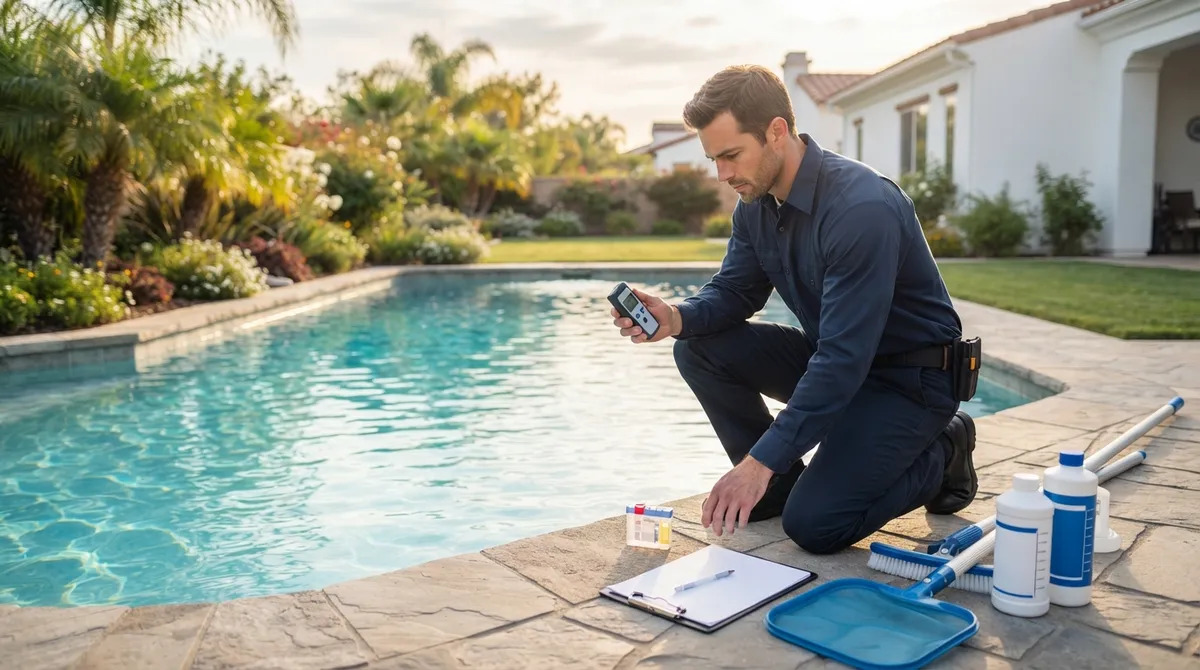
Professional technicians test for chlorine, pH, alkalinity, calcium hardness, and cyanuric acid levels. Getting these numbers right isn’t just about clear water. It’s about protecting your skin, your pool surfaces, and your equipment from unnecessary wear. The EPA’s pool water resources highlight just how much proper chemistry impacts both safety and water conservation.
Core Chemical Checks During Every Visit
| Chemical | Why It Matters |
|---|---|
| Chlorine | Kills bacteria and prevents algae growth |
| pH Level | Keeps water comfortable for skin and eyes |
| Alkalinity | Stabilizes pH so it doesn’t swing wildly |
| Calcium Hardness | Protects plaster and equipment from corrosion |
| Cyanuric Acid | Shields chlorine from breaking down in sunlight |
For a deeper look at what proper upkeep involves, this piece on what proper swimming pool maintenance really involves is a great next read.
4. How Much Does Local Pool Cleaning Service Cost
While pricing varies by pool size and condition, industry data gives us a useful baseline. Weekly service typically averages around $86 per month, which adds up to about $1,032 per year. Winterizing service usually costs around $95, and pool inspections average about $75. One-time deep cleans or repairs can range from $150 to $300 depending on what’s needed.
Knowing these numbers helps you budget and also helps you spot red flags. If a quote seems way too low, it might mean corners are being cut somewhere, whether that’s chemical quality, equipment checks, or technician experience.
Common One-Time Services and Their Purpose
- Green pool cleanups after neglect or storms
- Acid washes to remove stubborn staining
- Filter deep cleaning to restore water flow
- Equipment inspections before selling a home
- Seasonal start-up and shutdown services
5. Finding the Best Pool Service Near Me
Not every pool company is the right fit for your home or business. Comparing at least three providers is a smart move. Look at reviews, before-and-after photos, and how quickly they respond to your first inquiry. A company that’s slow to reply before you’re even a customer probably won’t improve once you sign up.
Licensing and certification matter too. Look for a Certified Pool Operator credential and proper state licensing. Organizations like the Independent Pool and Spa Service Association and the Florida Swimming Pool Association set standards that reputable companies follow closely.
Questions to Ask Before Hiring a Pool Company
- Are your technicians certified and insured?
- What’s included in your standard weekly visit?
- Do you handle equipment repairs in-house?
- How do you communicate if something needs attention?
- Can you provide references or recent reviews?
Panther Pools proudly holds a Certified Pool Operator credential (CPO 648855) and a CPC License (CPC1461336), giving Tampa homeowners peace of mind that their pool is in qualified hands. You can learn more about the team’s background on the About page.
6. Residential vs Commercial Pool Care Differences
Homeowners and property managers have very different needs when it comes to pool care. A backyard pool mostly needs consistent cleaning and safe swimming conditions for family and friends. A commercial pool, on the other hand, must meet health code requirements, handle heavier bather loads, and stay operational without interruption.
Commercial properties like hotels, apartment complexes, and HOAs benefit from providers who understand compliance standards and offer dependable seven-day support. If a commercial pool is out of service, that’s lost revenue and unhappy residents or guests. Learn more about why commercial pool maintenance matters so much for facility managers juggling multiple priorities.
Residential Pool Care Priorities
- Family safety and clear water for swimming
- Preventing algae during Florida’s humid months
- Protecting long-term investment in the pool
- Flexible scheduling around family life
Commercial Pool Care Priorities
- Meeting health department regulations
- Handling high swimmer volume consistently
- Minimizing downtime for guests or tenants
- Fast response times for urgent repairs
7. Equipment Repairs Are Part of True Pool Care
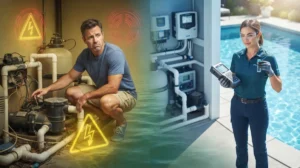
Great pool care isn’t just about scooping leaves and testing water. It also means catching equipment problems before they become expensive headaches. Pumps, heaters, filters, and salt systems all need regular attention, and a company that only cleans without checking equipment is only doing half the job.
Look for providers who handle salt systems, automation, pumps, heaters, start-ups, acid washes, remodels, pavers, tile, and coping all under one roof. That kind of full-service approach saves you from juggling multiple contractors and phone calls. If your equipment has been acting up, this resource on pool equipment repair for Tampa owners explains what to watch for.
Equipment Checks Included in Quality Pool Care
- Pump performance and noise levels
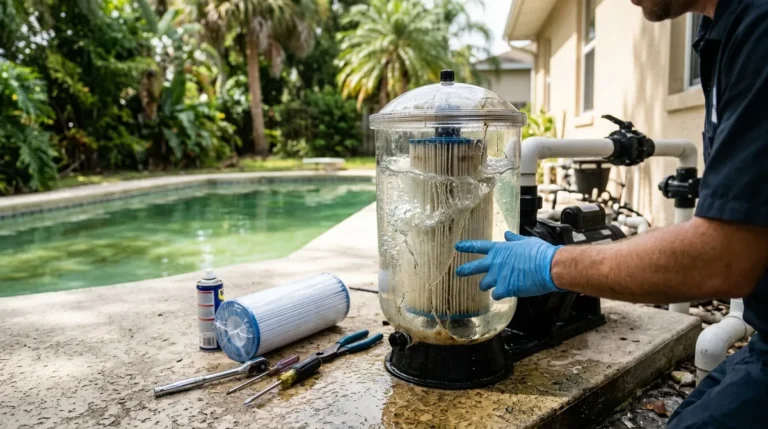
- Filter pressure and backwashing needs
- Heater function, especially before cooler months
- Salt cell condition for saltwater systems
- Automation system responsiveness
Homeowners renovating their outdoor space might also want to explore pavers, tile, and coping upgrades alongside routine maintenance, since a well-maintained pool often inspires bigger backyard improvements over time.
8. Building a Long-Term Relationship With Your Pool Technician
The best swimming pool care near me isn’t a one-time transaction. It’s an ongoing relationship with technicians who know your pool’s history, your equipment quirks, and your household’s schedule. Over time, this familiarity means faster problem-solving and fewer surprises.
Consistency also builds trust. When the same friendly, courteous technician shows up on schedule week after week, it feels less like a chore and more like part of your routine. That reliability is exactly why Panther Pools positions itself as Tampa’s premier pool cleaning company, known for on-time visits, no rushed jobs, and genuinely caring service.
Benefits of Sticking With One Trusted Provider
- Technicians learn your pool’s specific needs
- Faster identification of recurring issues
- Consistent scheduling that fits your lifestyle
- Stronger communication over time
- Better long-term equipment lifespan
While you’re planning home improvements, it’s worth mentioning that trusted local partners like Bucheli Trim Carpentry handle beautiful finish carpentry work around Tampa, and families searching for orthodontic care often turn to Brockway Orthodontics for friendly, professional service. Just like pool care, these are the kinds of local businesses that make a real difference in daily life.
If you’re ready to stop worrying about green water, strange pump noises, or inconsistent service, it’s time to make a change. Get in touch with the Panther Pools team today to request your free estimate and experience what dependable, friendly pool care really feels like.
FAQs
Q: What does swimming pool care near me include?
A: It typically covers skimming, vacuuming, brushing walls, emptying baskets, testing water chemistry, and checking equipment like pumps and filters. Think of it as a full check-up for your pool every single visit, not just a quick skim across the top.
Q: How much does local pool cleaning service cost?
A: Weekly service usually runs about $86 per month, or around $1,032 per year. One-time services like green pool cleanups or inspections can range from $75 to $300 depending on what your pool needs.
Q: How often should a pool be cleaned by a professional?
A: Weekly cleaning is the standard recommendation, especially in warm, humid climates like Tampa. It helps prevent algae, keeps chemistry balanced, and catches small equipment issues before they turn into big repairs.
Q: Do pool cleaning companies also repair equipment?
A: Many full-service companies handle both cleaning and repairs, including pumps, heaters, salt systems, and filters. Choosing one provider for everything saves you the hassle of juggling multiple contractors.
Q: Is weekly pool service worth it?
A: Absolutely, especially if you want to avoid green water and surprise repair bills. Weekly visits catch small problems early, keep your water safe for swimming, and free up your weekends for actual relaxation instead of pool chores.