
Key Takeaways
-
DIY acid washing causes serious risks including chemical burns, dangerous fumes, and permanent plaster damage; hire licensed professionals with Certified Pool Operator credentials instead.
-
Use the correct acid dilution ratio of one part acid to two parts water and leave the solution on the surface for only 2-4 minutes before rinsing to avoid over-stripping plaster.
-
Address pool stains early before they become entrenched; waiting longer requires more aggressive acid washing that damages plaster and shortens your pool's lifespan.
-
Acid washing is unsuitable for pools older than 8 years, those with visible cracks, or non-plaster surfaces like vinyl and fiberglass; resurfacing may be necessary for these situations.
-
Always neutralize the pool surface with baking soda or soda ash after acid washing to balance pH and prevent unsafe water chemistry that irritates skin and eyes.
-
Pair acid washing with regular maintenance and professional cleaning services to prevent stains and algae from returning; a single acid wash is not a permanent solution.
Picture this: your once-sparkling pool now looks dull, stained, and a little sad. You’ve scrubbed, you’ve shocked it with chemicals, and nothing seems to work. If this sounds familiar, an acid wash pool treatment might be exactly what your pool needs. But here’s the thing: this powerful process can also go horribly wrong if it’s not done right.
We’ve seen it all here in Tampa. Homeowners who tried a DIY acid wash and ended up with etched plaster. Property managers who waited too long and made small stains into permanent problems. Retired folks who just wanted their backyard oasis back and got confused by conflicting advice online. That’s why we put together this friendly, no-nonsense guide. We’ll walk you through the biggest acid wash pool mistakes so you can avoid them completely.
Whether you’re a busy parent trying to keep the family pool safe, a luxury homeowner protecting your investment, or a commercial property manager juggling multiple pools, this guide is for you. Let’s dive in (pun intended) and make sure your next acid wash goes smoothly.
What Is an Acid Wash Pool Treatment, Anyway?
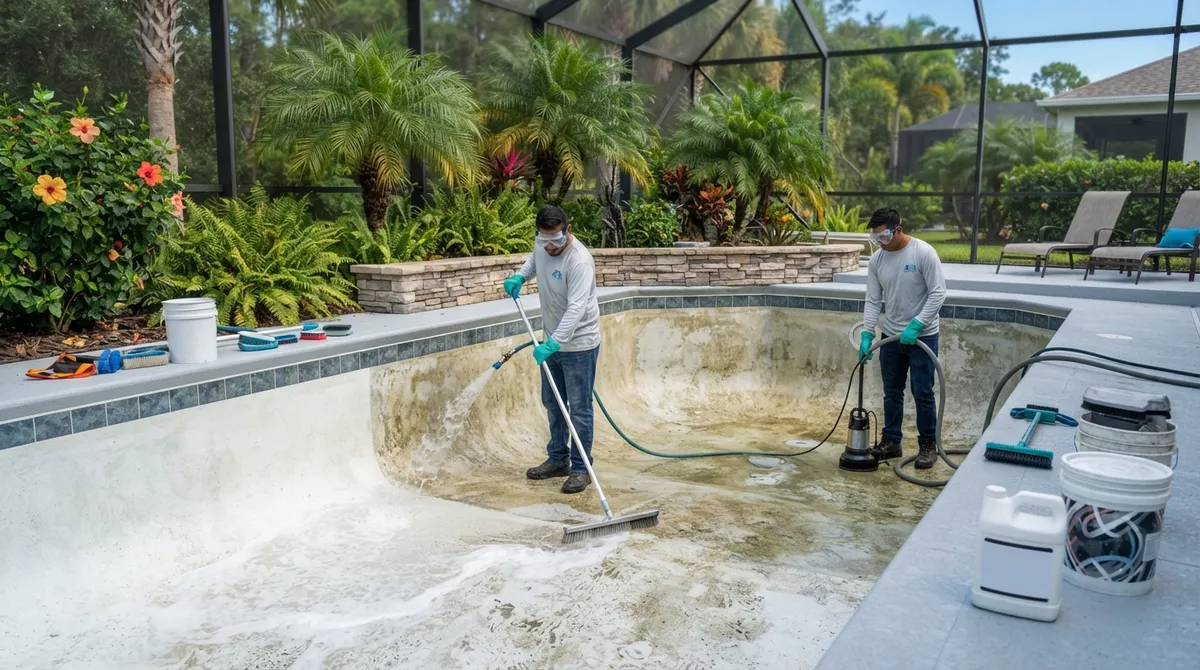
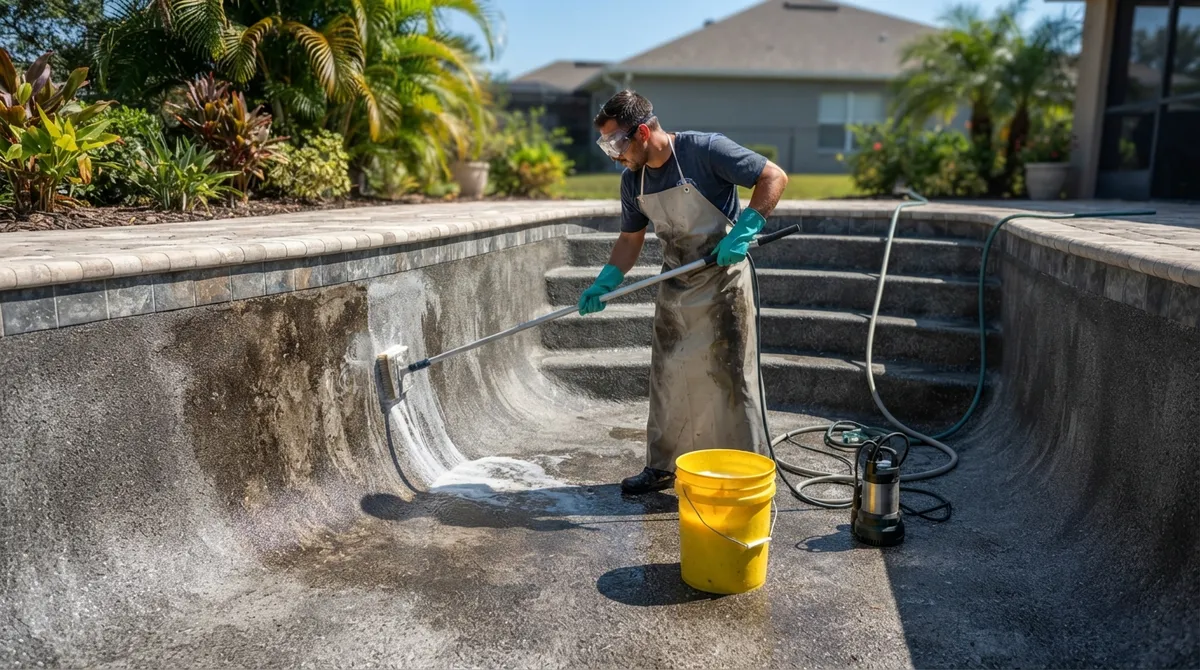
An acid wash pool service is a deep-cleaning process for plaster, pebble, or quartz pool surfaces. It involves draining the pool and applying a diluted acid solution to strip away a very thin top layer of the surface. This removes stubborn stains, calcium buildup, and algae that regular brushing and chemicals just can’t touch.
Think of it like sanding down an old deck to remove years of grime before restaining it. The acid wash won’t make your pool brand new, but it typically restores about 70 to 80 percent of your pool’s original brightness. That’s a huge improvement for a pool that’s looking tired and stained.
This isn’t a job for a garden hose and a bottle of muriatic acid from the hardware store. It requires careful dilution, precise timing, and proper neutralization afterward. That’s why so many Tampa homeowners trust professionals for this job instead of tackling it themselves.
12 Acid Wash Mistakes That Can Ruin Your Pool
We’ve broken down the most common mistakes people make with acid washing. Avoid these, and you’ll set yourself up for a beautiful, long-lasting result.
1. Waiting Too Long to Address Stains
Many homeowners ignore early staining, hoping it will fade on its own. Unfortunately, mineral deposits and algae stains tend to get worse over time, not better. The longer you wait, the more aggressive the acid wash needs to be, which isn’t great for your plaster.
2. Attempting a DIY Acid Wash
This is probably the biggest mistake we see. Acid washing involves handling concentrated acid, which can cause serious burns and fumes if mishandled. Homeowners are strongly advised not to attempt this themselves, since even small errors can permanently damage the pool surface.
3. Using the Wrong Acid Dilution Ratio
A standard dilution is one part acid to two parts water. Too strong, and you’ll eat away too much plaster. Too weak, and the stains won’t budge. Getting this ratio right takes experience, which is exactly what trained technicians bring to the table.
4. Leaving the Acid Solution on Too Long
The acid solution should only sit on the surface for two to four minutes before scrubbing and rinsing. Leaving it longer might seem like it’ll clean better, but it actually just strips away more plaster than necessary, shortening your pool’s lifespan.
5. Skipping the Neutralization Step
After washing, the surface must be neutralized, often with baking soda or soda ash, to balance the pH. Skip this step, and you risk unsafe water chemistry that can irritate skin and eyes once the pool is refilled.
6. Acid Washing a Pool That’s Too Old
Acid washing removes a thin layer of your pool’s interior surface every time it’s done. That’s why it’s not recommended for pools older than eight years, or those with visible cracks. If your pool falls into this category, it might be time to consider resurfacing signs every Tampa pool owner should know instead.
7. Choosing Acid Wash for the Wrong Surface Type
Not every pool surface can handle an acid wash. Suitable surfaces include plaster, pebble, and quartz. Vinyl, fiberglass, acrylic, and painted surfaces are generally not suitable and can be seriously damaged by the acid.
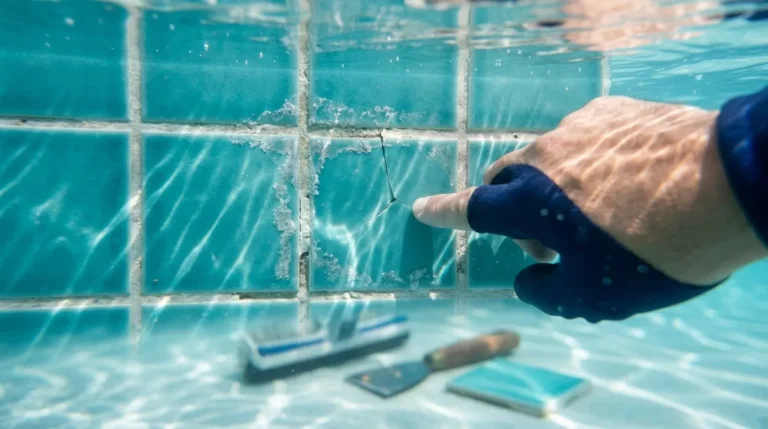
8. Ignoring Structural Cracks Before Washing
If your pool already has cracks or structural issues, acid washing can make things worse, not better. It’s smart to have a professional check for leaks first. Learn more about pool leak detection mistakes that cost Tampa homeowners thousands before moving forward with any acid treatment.
9. Forgetting to Protect Surrounding Areas
Acid wash runoff can damage grass, landscaping, and even pool decking if it’s not handled correctly. Professionals know how to direct and neutralize runoff safely, protecting your yard and hardscaping in the process.
10. Assuming Acid Wash Fixes Everything
An acid wash is great for surface stains and mineral buildup, but it won’t fix underlying issues like poor water circulation or a failing filter. Pairing your acid wash with proper upkeep, like maintaining your pool’s filters, keeps your water looking great long after the wash is done.
11. Not Scheduling Regular Maintenance Afterward
An acid wash gives your pool a fresh start, but it’s not a one-time fix. Without consistent care, stains and algae will creep back. Signing up for professional pool cleaning services in Tampa helps you protect that fresh, bright finish for years.
12. Hiring an Unlicensed or Inexperienced Company
This might be the most important mistake to avoid. Acid washing requires proper training, certification, and safety equipment. Always ask about credentials, like a Certified Pool Operator license, before hiring anyone for this job.
Signs Your Pool Might Need an Acid Wash
Not sure if your pool needs this treatment? Here are some telltale signs to watch for:
- Dull, gray, or yellowed plaster that won’t brighten with regular cleaning
- Stubborn calcium scaling or mineral deposits on pool walls
- Persistent algae stains that keep returning despite shocking
- Rough or bumpy texture on the pool’s interior surface
- Water that stays cloudy even after balancing chemicals
- A pool that hasn’t been acid washed or resurfaced in five or more years
If you’re noticing several of these signs, it might be time for a professional evaluation. Our team at Panther Pools offers free estimates, so there’s no risk in finding out what your pool actually needs.
The Acid Wash Process, Step by Step
Curious what actually happens during a professional acid wash? Here’s a simplified breakdown:
- The pool is completely drained to expose the entire surface area
- Technicians pressure wash the surface to remove loose debris and algae
- A diluted acid solution, usually one part acid to two parts water, is applied
- The solution soaks for two to four minutes while being scrubbed
- The surface is thoroughly rinsed to remove all acid residue
- The pool is neutralized with baking soda or soda ash to balance pH
- The pool is refilled and water chemistry is tested and adjusted
One gallon of diluted acid solution typically covers about 100 to 300 square feet of surface, depending on how thick the stains are. This whole process usually takes a full day, though refilling and rebalancing can take a bit longer depending on your pool’s size.
Acid Wash vs. Other Pool Restoration Options
Not sure if acid washing is the right call for your situation? This table breaks down how it compares to other common restoration methods.
| Method | Best For | Drain Required | Surface Impact |
|---|---|---|---|
| Acid Wash | Stains, mineral buildup, mild discoloration | Yes, typically | Removes thin surface layer |
| No-Drain Acid Wash | Light staining, no crack concerns | No | Milder impact, less effective on deep stains |
| Regular Chemical Cleaning | Routine maintenance, minor discoloration | No | No impact on surface |
| Pool Resurfacing | Cracks, old plaster, structural wear | Yes | Complete surface replacement |
For pools with light staining and no structural concerns, a no-drain acid wash might work. This method reduces pool water pH to around 1.0 and alkalinity to near zero for about three days, allowing acid to work without fully draining the pool. However, this approach isn’t as thorough as a traditional acid wash and works best for milder cases.
Why Professional Service Matters So Much
We get it. Acid washing sounds like something you could maybe handle with a weekend and some rubber gloves. But here’s the truth: this isn’t a DIY-friendly project, and the risks just aren’t worth it.
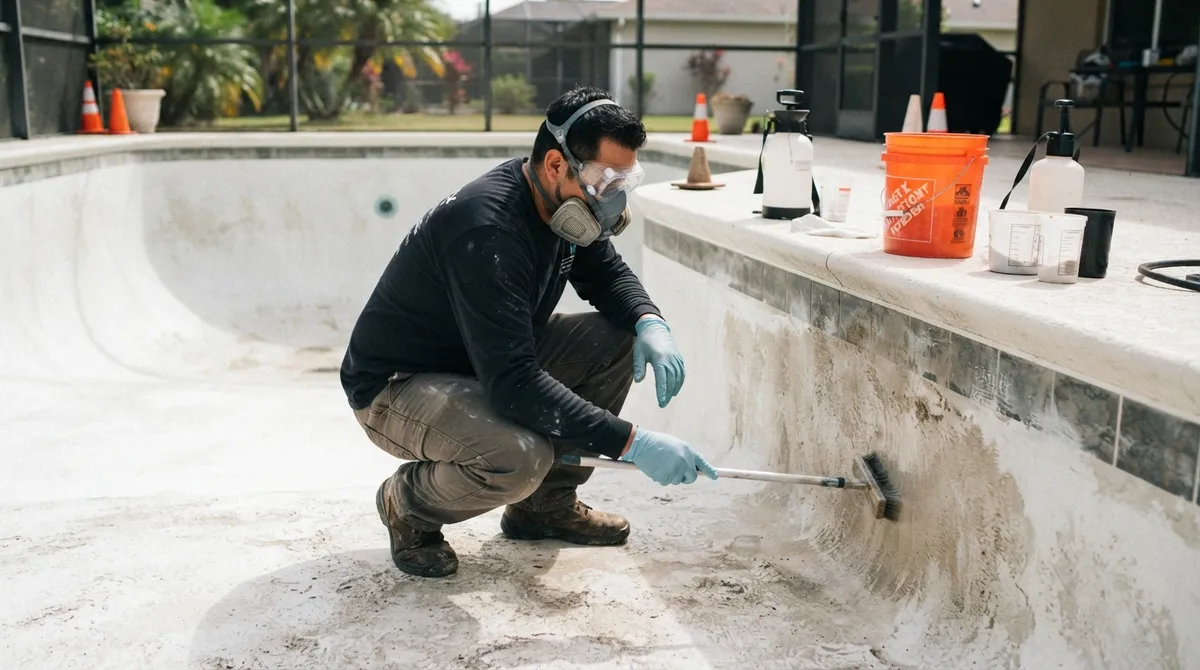
Handling acid requires proper protective gear, ventilation, and precise timing. One wrong move and you could permanently etch your plaster, burn your skin, or create dangerous fumes. Trained technicians follow safety guidelines similar to those recommended by organizations like the Florida Swimming Pool Association and the Independent Pool and Spa Service Association, ensuring the job gets done safely and correctly the first time.
There’s also the water usage factor to consider. Since acid washing typically requires draining and refilling your pool, it’s worth thinking about water conservation. The EPA’s guidance on pool water efficiency offers helpful tips for minimizing waste during this process, something professional companies factor into their planning.
What to Look for in a Trusted Acid Wash Provider
Choosing the right company for this job makes all the difference. Here’s what we recommend looking for:
- A valid Certified Pool Operator (CPO) credential
- Proper licensing, like a CPC License, for pool contracting work
- Years of hands-on experience with plaster, pebble, and quartz surfaces
- Clear communication about the process and expected results
- Free estimates before any work begins
- Positive customer reviews highlighting quality and reliability
At Panther Pools, we’re proud to hold both a Certified Pool Operator credential (CPO 648855) and a CPC License (CPC1461336). Our technicians show up on time, work carefully, and never rush through a job that deserves attention to detail. We’ve helped countless Tampa families and businesses transform green, stained pools into sparkling clean water they’re proud to show off.
Caring for Your Pool After an Acid Wash
Once your acid wash is complete, a little extra care goes a long way in keeping that fresh look. Consider these steps:
- Test water chemistry regularly for the first few weeks after refilling
- Brush pool walls weekly to prevent new buildup
- Keep an eye on your filter system, since it works overtime after refilling
- Schedule routine maintenance visits to catch small issues early
- Avoid harsh chemical shortcuts that can undo your fresh surface
If your pool equipment needs attention after the acid wash, our team also handles everything from pool filter repairs that save money to pool heater repairs that keep your water comfortable year-round. And if you’re managing a lawn alongside your pool area, our friends at All Trusted Lawn Care can help keep your entire outdoor space looking its best.
Ready for a Brighter, Cleaner Pool?
An acid wash pool treatment can breathe new life into a dull, stained pool, but only when it’s done right. From choosing the correct dilution to neutralizing the surface properly, every step matters. Skipping steps or hiring an inexperienced provider can turn a simple refresh into a costly repair.
That’s why so many families, retirees, and property managers across Tampa trust Panther Pools for their acid wash and pool care needs. We’re a family-owned company that treats every pool like it’s our own, with courteous technicians, honest pricing, and a genuine commitment to quality work.
Don’t let stains and buildup steal your pool’s sparkle any longer. Get in touch with our team today for a free estimate, and let’s get your pool looking its absolute best.
FAQs
Q: When is an acid wash necessary for a pool?
A: An acid wash becomes necessary when your pool has stubborn stains, calcium buildup, or algae that regular cleaning just won’t remove. If your plaster looks dull or gray no matter how much you scrub, that’s usually a good sign it’s time. We always recommend a professional evaluation first, just to make sure it’s the right fit for your pool.
Q: How much does it cost to acid wash a pool?
A: Costs typically range from $350 to $500, depending on your pool size, the condition of the plaster, and how severe the staining is. Every pool is a little different, so pricing can vary based on your specific situation. The best way to get an accurate number is to request a free estimate from a trusted local provider.
Q: Can you acid wash a pool without draining it?
A: Yes, there’s actually a no-drain method where the pool’s pH is lowered dramatically for a few days to achieve a similar effect. It’s a gentler option and works well for lighter staining. However, for tougher stains or heavy calcium buildup, a traditional drained acid wash usually gets better results.
Q: Is acid washing safe for all pool surfaces?
A: Not quite! Acid washing works great on plaster, pebble, and quartz surfaces, but it’s not suitable for vinyl, fiberglass, acrylic, or painted pools. Using acid on the wrong surface can cause serious damage, so it’s important to confirm your pool type before scheduling this service.
Q: What happens if you acid wash an old pool?
A: Since acid washing strips away a thin layer of the surface each time, it’s generally not recommended for pools older than eight years or those with visible cracks. Doing so can weaken the plaster further and lead to bigger problems down the road. In these cases, resurfacing is often a smarter, longer-lasting solution.