
Key Takeaways
-
Calculate your pool’s turnover rate using this formula: Pool Volume (gallons) ÷ (Flow Rate in GPM × 60). For example, a 20,000-gallon pool with a 50 GPM pump has a 6.67-hour turnover time.
-
One complete water turnover only filters about 63% of your pool water; you need 2-3 turnovers to achieve 86-95% filtration, making daily pump runtime of 8-12 hours essential for clean water.
-
Fast turnover rates under 6 hours keep water clear, distribute chemicals evenly, and prevent algae growth, while slow rates over 8 hours cause cloudy water and health risks that violate health codes.
-
Poor circulation creates dead zones where chemicals don’t reach, so the solution to algae and cloudy water is often better turnover rate, not more chemicals.
-
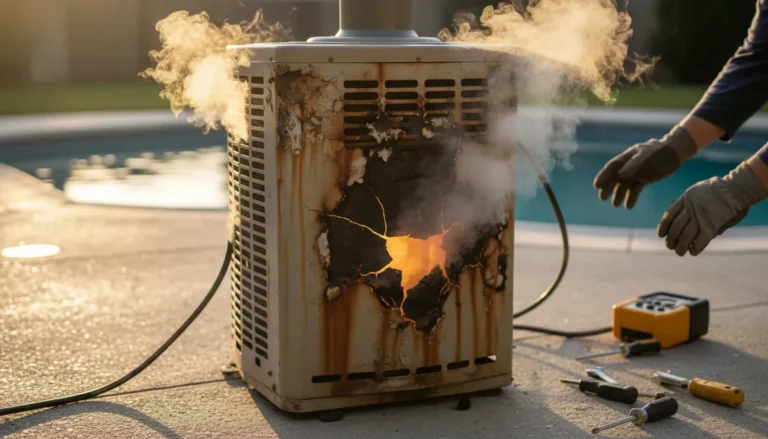
Common causes of slow turnover include undersized pumps, clogged filters, blocked skimmers, air leaks, and insufficient pump runtime—all fixable issues that need professional diagnosis.
-
Upgrade to variable-speed pumps and maintain regular filter cleaning to improve turnover efficiency; commercial pools require turnover in 6 hours or less per EPA standards.
If your pool water looks cloudy or smells off, the problem might not be your chemicals. It could be your water turnover rate. This is one of the most important — yet most overlooked — parts of pool care. And once you understand it, everything about your pool starts to make more sense.
Your pool’s water turnover rate tells you how long it takes for all the water in your pool to pass through the filter system once. Think of it like a coffee machine filtering water through grounds. The faster and more consistently it runs, the cleaner the result. A slow or infrequent turnover leaves water sitting stagnant — and stagnant water is where problems begin.
In this article, we’ll break down what turnover rate really means, how fast vs. slow turnover affects your pool, and what you can do to keep your water sparkling clean. Whether you’re a first-time pool owner or managing a commercial facility, this guide is for you.
What Is Pool Water Turnover Rate?
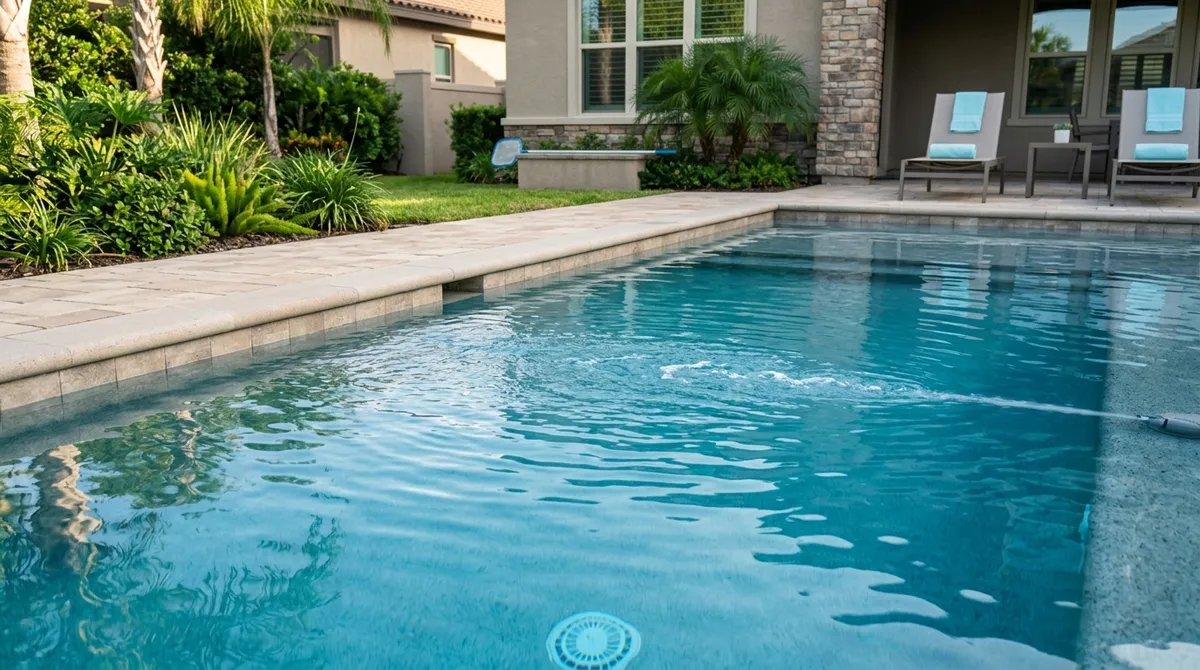
The water turnover rate is the time it takes for your pump and filter system to circulate the entire volume of your pool water once. It’s measured in hours. The shorter the turnover time, the faster your system is cleaning the water.
This metric matters because pool water doesn’t clean itself. Chemicals help, but they need to be evenly distributed. Debris needs to be captured. Bacteria and algae need to be removed. All of that happens through your circulation system — which is why turnover rate is at the heart of proper swimming pool maintenance.
Here’s a simple formula to calculate your turnover rate:
Turnover Time (hours) = Pool Volume (gallons) ÷ (Flow Rate in GPM × 60)
For example, if your pool holds 20,000 gallons and your pump moves 50 gallons per minute, your turnover time is: 20,000 ÷ (50 × 60) = 6.67 hours.
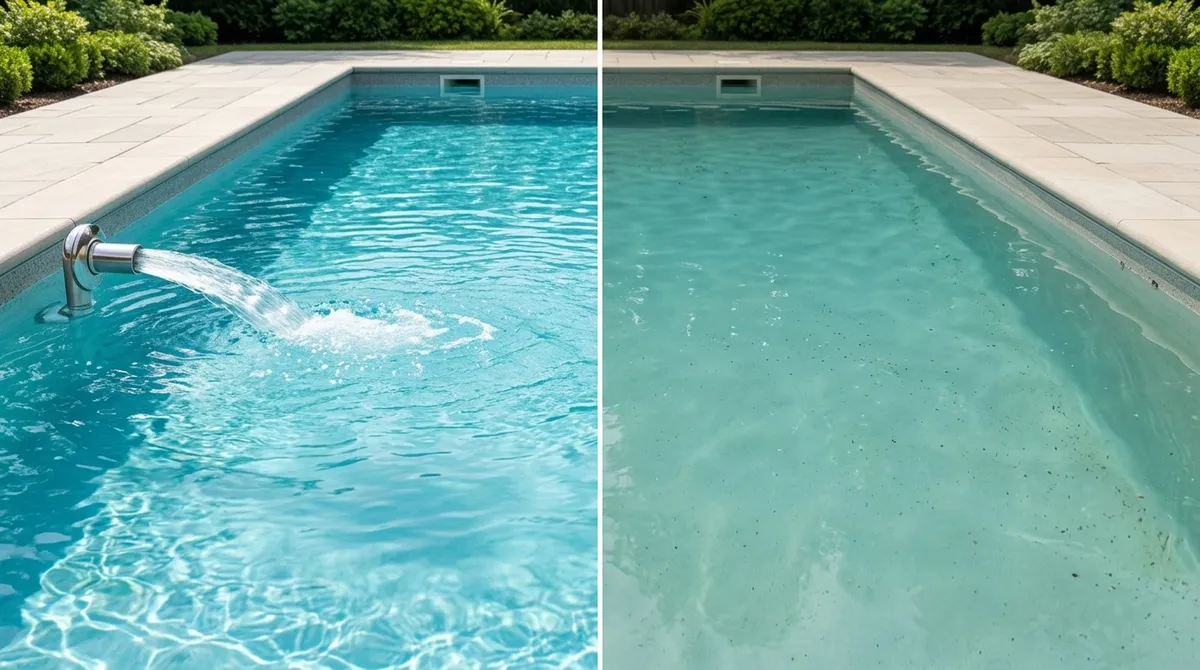
Fast vs. Slow Turnover: What’s the Difference?
Now here’s where it gets interesting. Not all turnover rates are created equal. Let’s compare what happens when your pool circulates quickly versus when it moves slowly.
Fast Turnover Rate (Under 6 Hours)
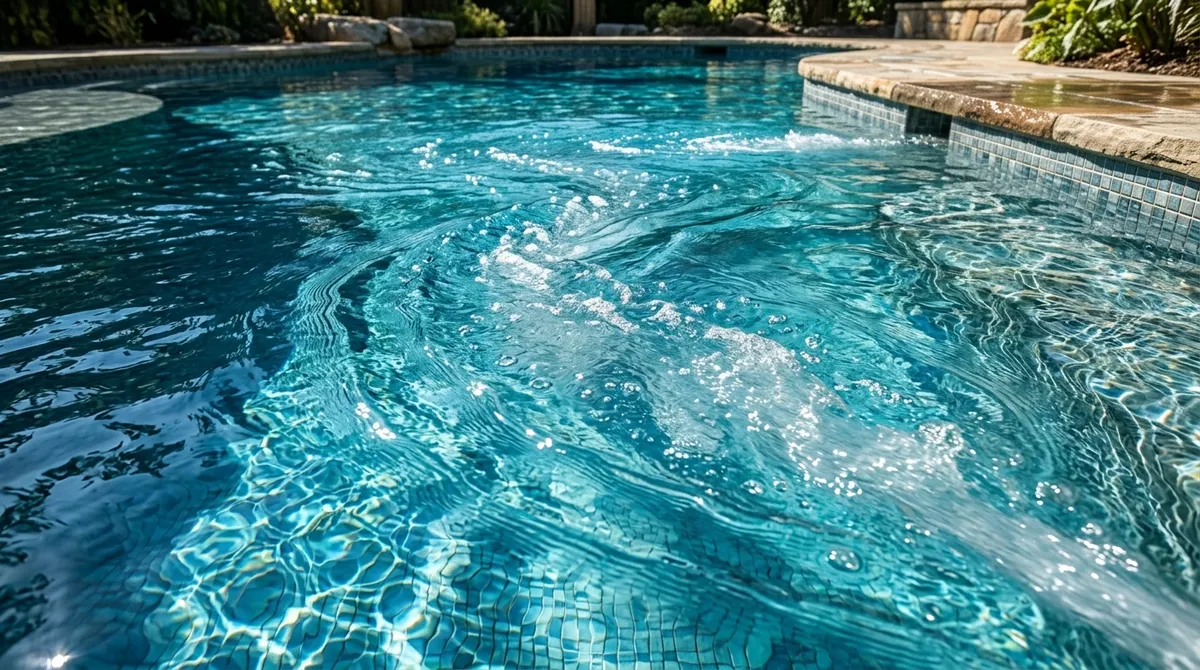
A fast turnover means your pump is moving water through the filter quickly and efficiently. This keeps water cleaner, chemicals better distributed, and algae growth in check. It’s especially important during hot Tampa summers when your pool gets heavy use.
- Water stays clearer and cleaner
- Chemicals spread evenly throughout the pool
- Algae and bacteria have less chance to grow
- Debris is captured by the filter more often
- Pool is safer for swimmers of all ages
Spas, wading pools, and splash pads typically need very fast turnover — as little as 30 minutes to 2 hours. That’s because these smaller bodies of water get used intensively and need constant filtration to stay safe.
Slow Turnover Rate (Over 8 Hours)
A slow turnover means water is sitting in your pool for too long without being filtered. This creates the perfect environment for problems to develop. Cloudy water, green algae, and uneven chemical distribution are all common signs of a slow turnover rate.
- Water can become cloudy or murky
- Algae growth increases significantly
- Chemicals don’t distribute evenly
- Filtration efficiency drops
- Health and safety risks can rise
A slow turnover often points to an underpowered pump, a clogged or dirty filter, or a system that isn’t sized correctly for your pool. These are issues that need professional attention. You can learn more about common filter problems in our guide to maintaining your pool’s filters.
The Numbers Behind Pool Turnover Rate
Here’s something that surprises most pool owners: one complete turnover doesn’t mean all your water has been cleaned. Because water mixes continuously as it circulates, filtration gains are incremental, not linear.
After a single turnover, about 63% of your pool water has passed through the filter. That means 37% hasn’t been filtered yet! Here’s how the numbers stack up:
| Number of Turnovers | Approximate Water Filtered | What It Means for Your Pool |
|---|---|---|
| 1 Turnover | ~63% | Good start, but not fully clean |
| 2 Turnovers | ~86% | Much better — nearly clean |
| 3 Turnovers | ~95% | Very clean, great for daily use |
| 4 Turnovers | ~98% | Near-perfect filtration efficiency |
This is why running your pump for enough hours each day is so critical. One pass through the filter simply isn’t enough. Your pool system needs to run long enough to achieve multiple turnovers throughout the day for truly clean water.
Turnover Rate Standards: What the Codes Say
Turnover rate requirements vary based on pool type. The EPA Pool Resources and local health codes both provide guidance, but here’s a general overview of widely accepted standards:
| Pool Type | Recommended Turnover Time |
|---|---|
| Residential Pool | 6–8 hours |
| Public / Commercial Pool | 6 hours or less |
| Competition / Lap Pool | 6 hours or less |
| Wading Pool | 1–2 hours |
| Spa / Hot Tub | 30 minutes |
| Splash Pad | 30 minutes |
The 2021 International Swimming Pool and Spa Code specifically requires circulation systems to be designed based on the filter manufacturer’s maximum pressure and flow rate. Always check your local health codes, especially for commercial pools. If you manage a hotel, apartment complex, or community facility, staying compliant is non-negotiable. Our article on why commercial pool service is essential dives deeper into this topic.
What Causes a Poor Turnover Rate?
Several things can slow down your pool’s water turnover rate. Here are the most common culprits:
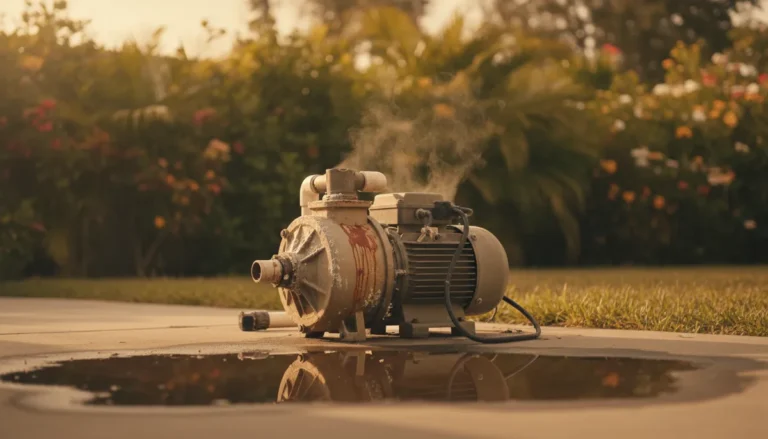
- Undersized pump: If your pump isn’t powerful enough for your pool’s volume, it simply can’t move water fast enough to achieve a good turnover rate.
- Clogged or dirty filter: A filter that hasn’t been cleaned or backwashed recently will restrict water flow and reduce your effective turnover rate significantly.
- Blocked skimmer or return jets: Obstructions in your plumbing reduce flow rate throughout the system and extend turnover time.
- Air leaks in the pump: Air getting into your pump reduces its efficiency and flow rate — you’ll often see this as bubbles coming from return jets.
- Pump running too few hours: Even a great pump won’t help if you’re only running it for a few hours a day. Most pools need the pump running 8–12 hours daily.
If you’ve been experiencing any of these issues, it’s worth getting your pool pump checked by a professional. Ignoring flow rate problems leads to bigger and more expensive issues down the road.
How to Improve Your Pool’s Turnover Rate
The good news is that improving your water turnover rate is very achievable with the right steps. Here’s a practical checklist to get your circulation system working at its best:
- Clean your filter regularly: A clean filter flows better. Whether you have a sand, cartridge, or DE filter, regular cleaning keeps your flow rate healthy. Check out our guide on how to clean a pool filter the right way.
- Upgrade your pump if needed: Variable-speed pumps are energy-efficient and can be set to maintain optimal flow rates. They’re a smart long-term investment for any Tampa pool owner.
- Run your pump longer each day: Most pools need 8–12 hours of pump runtime daily, especially during hot months when Tampa heat accelerates algae growth.
- Clear blockages in skimmers and returns: Check for debris in your skimmer basket and ensure return jets aren’t blocked or pointed incorrectly.
- Schedule regular professional maintenance: A trained technician can measure your actual flow rate, identify restrictions, and make sure your whole system is running efficiently.
The Florida Swimming Pool Association (FSPA) recommends that pool owners in Florida pay special attention to circulation during peak summer months, when high temperatures and heavy pool usage put extra demand on filtration systems.
Turnover Rate and Water Chemistry: The Connection
Your water turnover rate and your chemical balance are deeply connected. Even if you’re adding the right chemicals, they won’t work properly if your water isn’t circulating well. Chlorine, for example, needs to be evenly distributed to sanitize the entire pool. Poor circulation creates dead zones where chemicals don’t reach — and those spots become breeding grounds for algae and bacteria.
This is especially important for Tampa pool owners. The Florida heat accelerates chemical consumption, and if your turnover rate is slow, you may find yourself constantly fighting algae or cloudy water despite adding plenty of chemicals. The solution usually isn’t more chemicals — it’s better circulation. Learn more about balancing your pool water the right way.
The Independent Pool and Spa Service Association (IPSSA) notes that proper circulation is the foundation of effective water chemistry management. Without it, even the most precise chemical program won’t deliver consistently clean and safe water.
Fast vs. Slow Turnover: A Side-by-Side Summary
Still weighing the differences? Here’s a quick comparison to help it all click:
| Factor | Fast Turnover (<6 Hours) | Slow Turnover (>8 Hours) |
|---|---|---|
| Water Clarity | Clear and sparkling | Often cloudy or murky |
| Algae Risk | Low | High |
| Chemical Effectiveness | High — evenly distributed | Low — uneven distribution |
| Safety | Safe for all swimmers | Potential health risks |
| Code Compliance | Meets or exceeds standards | May violate health codes |
| Equipment Health | Pump and filter work efficiently | System may be underperforming |
The verdict is clear: faster, consistent turnover keeps your pool healthier, safer, and easier to maintain. It’s not about running your pump 24/7 — it’s about making sure your system is properly sized and running for enough hours each day to cycle through your pool water multiple times.
How Panther Pools Keeps Turnover Rate on Track
Managing your pool’s water turnover rate isn’t something most homeowners think about until something goes wrong. That’s where professional help makes a real difference. Panther Pools’ professional cleaning services in Tampa include checking circulation efficiency, cleaning filters, inspecting pump performance, and making sure your entire system is working together to deliver clean, safe water every day of the week.
Whether you’re a busy family who just wants a safe pool to jump into on a hot afternoon, or a commercial property manager who needs to stay compliant and guest-ready, understanding and managing your pool’s turnover rate is a key part of responsible pool ownership. Our pool maintenance services are designed to take that worry completely off your plate.
Don’t wait until cloudy water or a green pool forces your hand. Staying ahead of circulation problems is always easier — and cheaper — than fixing them after the fact. If you’re unsure whether your pool is turning over fast enough, our team is here to help with a free estimate and professional assessment any day of the week.
FAQs
Q: What is water turnover rate in a swimming pool?
A: Water turnover rate is simply how long it takes for all the water in your pool to pass through the filter system once. It’s measured in hours, and a lower number means your system is circulating water more efficiently — which is great news for cleanliness and safety!
Q: How do I calculate my pool’s turnover rate?
A: It’s easier than it sounds! Just divide your pool’s volume in gallons by your pump’s flow rate in gallons per minute (GPM) multiplied by 60. For example: 20,000 gallons ÷ (50 GPM × 60) = 6.67 hours. If you’re not sure of your flow rate, a pool professional can measure it for you.
Q: Does one turnover mean all my pool water is clean?
A: Not quite! Because water mixes continuously as it circulates, only about 63% of your pool water passes through the filter after one turnover. You need at least two to three turnovers to filter out 86–95% of the water — which is why running your pump long enough each day really matters.
Q: What is a good turnover rate for a residential pool?
A: For most residential pools, a turnover time of 6–8 hours is widely recommended. Running your pump 8–12 hours daily in Florida’s warm climate helps achieve multiple turnovers and keeps your water clear, balanced, and algae-free.
Q: What causes a slow pool turnover rate?
A: The most common causes include an undersized pump, a clogged or dirty filter, blocked skimmer baskets, air leaks in the plumbing, or simply not running the pump for enough hours each day. A professional inspection can quickly identify what’s slowing your system down and get things flowing again!