
Key Takeaways
-
Weekly pool maintenance is the minimum standard during pool season; skipping even one week allows algae and bacteria to multiply rapidly, turning a clean pool into a green mess that requires costly recovery.
-
Water chemistry must be tested and balanced regularly with proper pH (7.4-7.6), chlorine (1-3 ppm), alkalinity (80-120 ppm), and calcium hardness (200-400 ppm) levels; incorrect levels cause algae growth, surface damage, and unsafe swimming conditions.
-
Pool filters are the backbone of a clean pool and require regular cleaning, backwashing, and pressure checks; neglecting filter maintenance makes all other cleaning efforts less effective and can lead to expensive equipment failures.
-
Deep cleaning every one to two months is essential and includes scrubbing tile deposits, vacuuming sediment, shocking water, and inspecting equipment; routine weekly service alone cannot address calcium buildup and hidden algae.
-
Professional pool maintenance services handle all aspects in a single visit and provide consistent expertise that most DIY approaches cannot match; hiring professionals prevents costly mistakes and voided equipment warranties.
-
Attempting DIY repairs on complex pool equipment like pumps and heaters risks electrical hazards, water leaks, and voided warranties; knowing when to call a professional saves money and prevents further damage.
Your pool looks inviting on a hot Tampa day. But beneath that sparkling surface, a lot can go wrong — fast. Many pool owners don’t realize that skipping steps or cutting corners leads to bigger problems down the road. Understanding what is pool maintenance and what it truly involves is the first step to keeping your pool clean, safe, and ready to enjoy all year long.
Pool maintenance is much more than scooping out leaves. It covers everything from water chemistry and equipment checks to deep cleaning and filter care. When any one of these areas is neglected, the results can be costly. This guide walks you through the most common pool maintenance mistakes — and how to avoid every single one of them.
What Is Pool Maintenance, Really?
Pool maintenance refers to the regular care a swimming pool needs to stay clean, balanced, and safe. It combines two major areas: cleaning tasks and equipment upkeep. Neither one works well without the other.
On the cleaning side, routine tasks include:
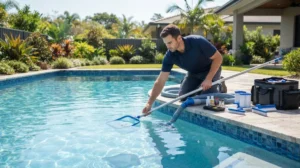
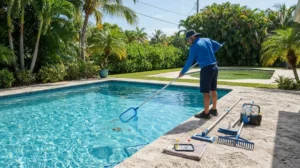
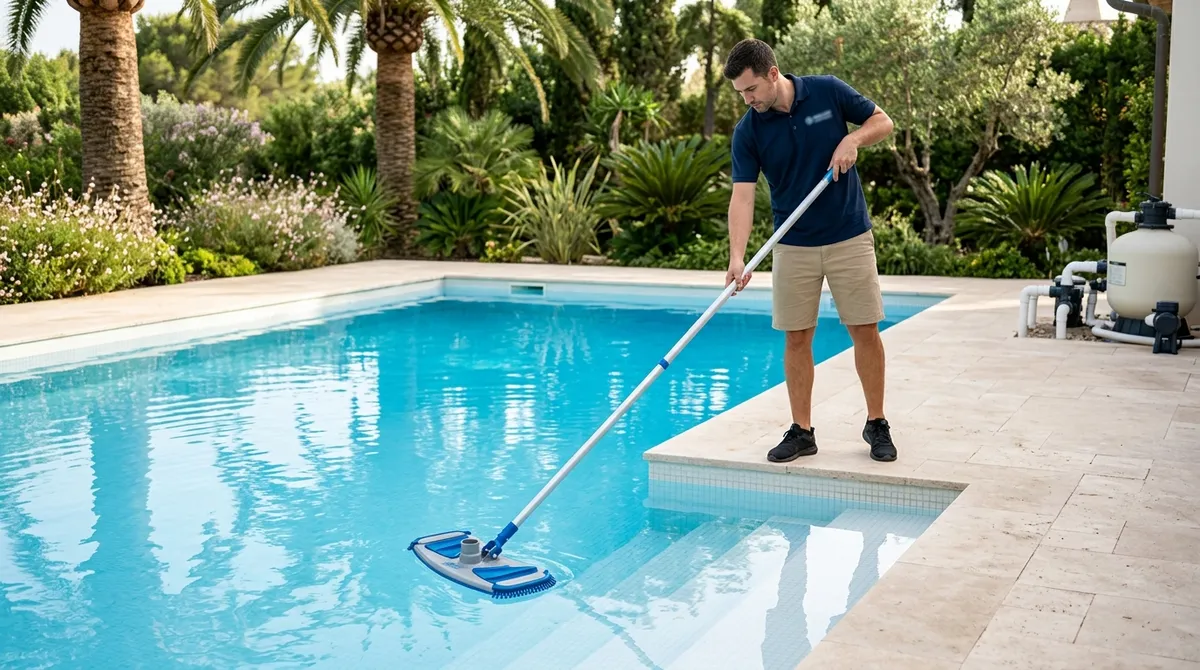
- Skimming leaves and debris from the water surface
- Vacuuming the pool floor to remove settled dirt
- Brushing walls, steps, and tile lines to prevent algae buildup
- Emptying skimmer and pump baskets regularly
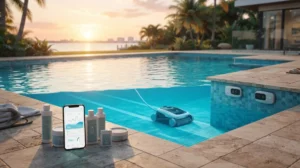
On the equipment side, pool maintenance means inspecting and caring for your pool filters, pumps, heaters, and automatic cleaners. This keeps the water moving, filtered, and treated properly. For a deeper look at what this involves, check out what proper swimming pool maintenance really involves.
Water chemistry is another core piece of pool maintenance. This means testing and adjusting pH, chlorine, alkalinity, and calcium hardness on a regular schedule. Poor water chemistry doesn’t just make water look cloudy — it can irritate skin, damage pool surfaces, and create unsafe swimming conditions. The EPA Pool Resources offer helpful guidance on water efficiency and safety standards every pool owner should know.
Mistake 1: Skipping Weekly Pool Cleaning
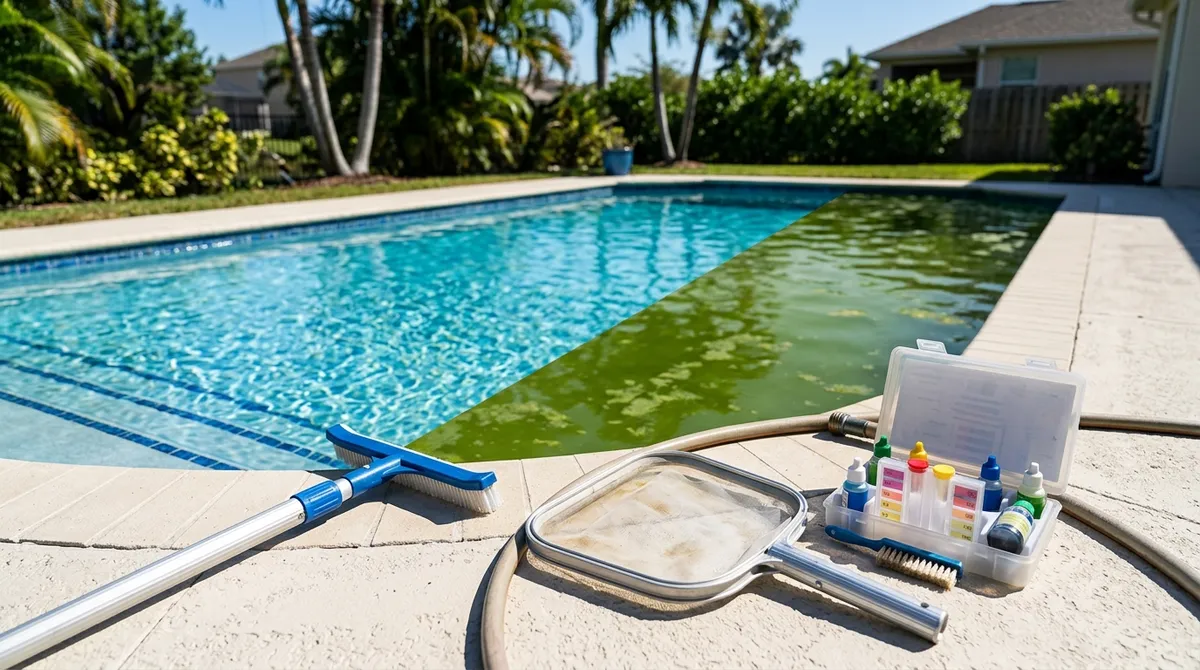
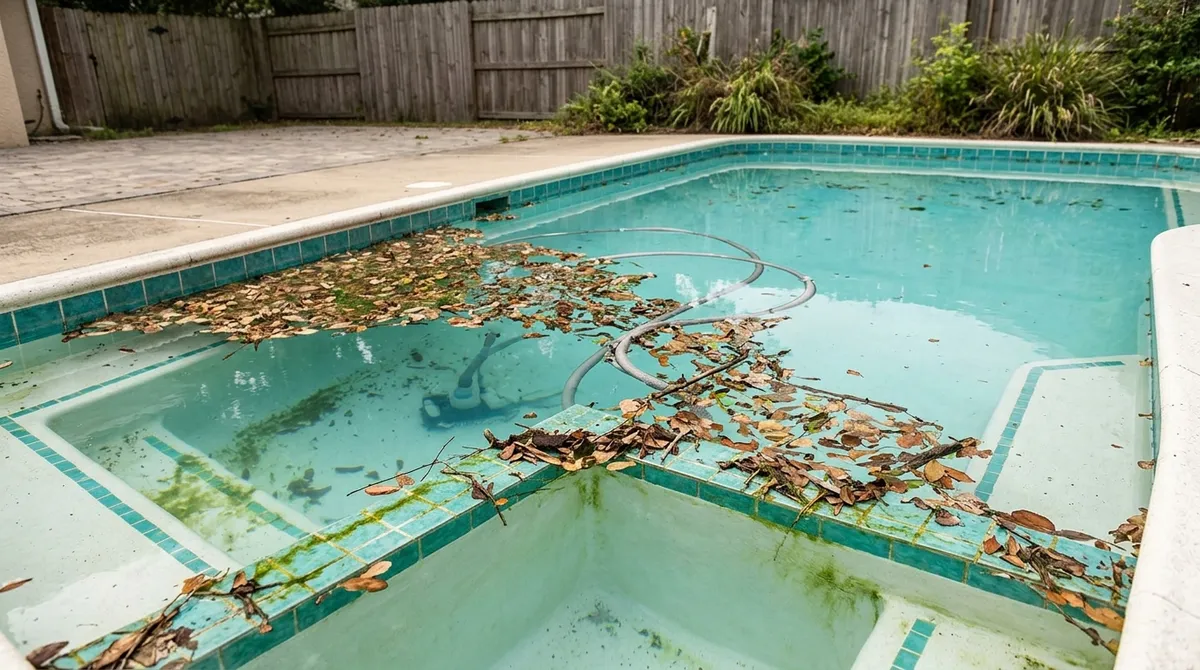
Weekly pool service is considered the minimum standard during pool season. In Tampa’s heat, algae and bacteria grow fast. Skipping even one week can turn a clean pool into a green mess.
Here’s what happens when weekly cleaning is skipped:
- Debris builds up on the surface and sinks to the bottom
- Algae spores take hold on walls and floors
- Water chemistry shifts out of balance
- Filter systems become overloaded and less effective
Staying on schedule is the simplest way to protect your pool. Learn more about the value of consistent care through weekly pool maintenance tips that keep your pool clean all year.
Mistake 2: Ignoring Water Chemistry
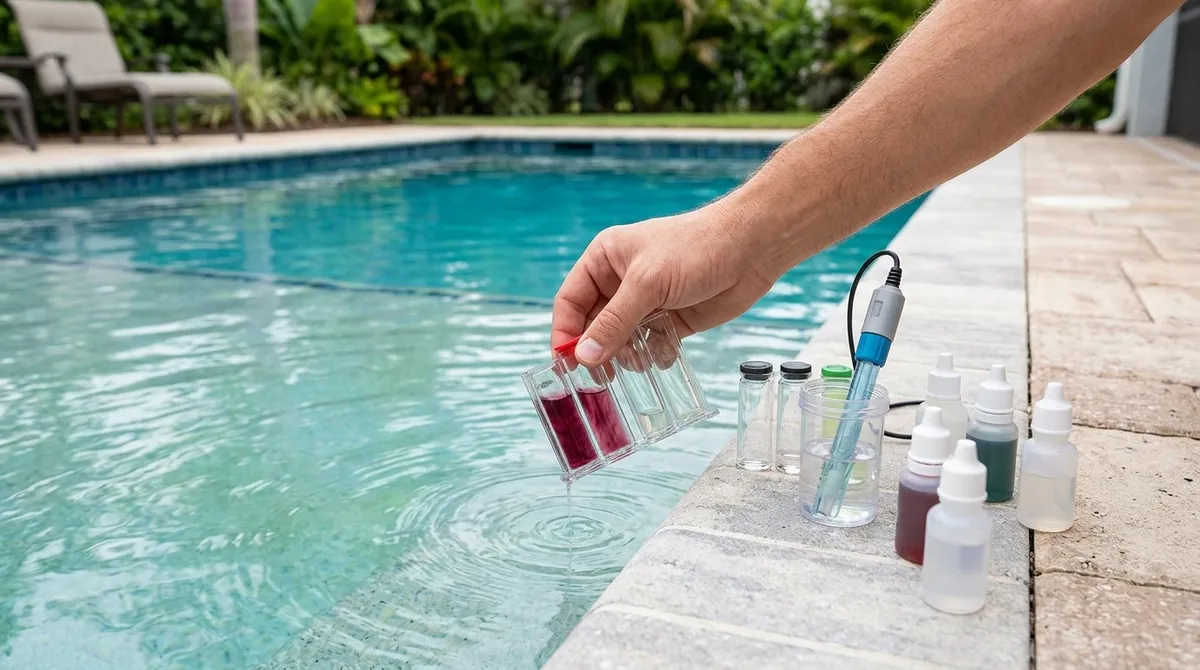
Water chemistry is one of the most misunderstood parts of what pool maintenance involves. Many owners test their water only when something looks wrong. By then, the damage is already happening.
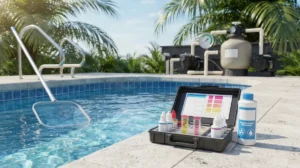
Proper water chemistry means keeping these levels in range:
- pH: 7.4 to 7.6 for swimmer comfort and surface protection
- Chlorine: 1 to 3 ppm to kill bacteria and prevent algae
- Total Alkalinity: 80 to 120 ppm to stabilize pH levels
- Calcium Hardness: 200 to 400 ppm to protect pool surfaces
Getting these levels wrong causes a chain reaction of problems. Low chlorine leads to algae. High pH makes chlorine ineffective. Low calcium hardness causes plaster damage. Avoid these pitfalls by reviewing common pool water chemistry mistakes that many pool owners make.
Mistake 3: Neglecting Pool Filters and Equipment
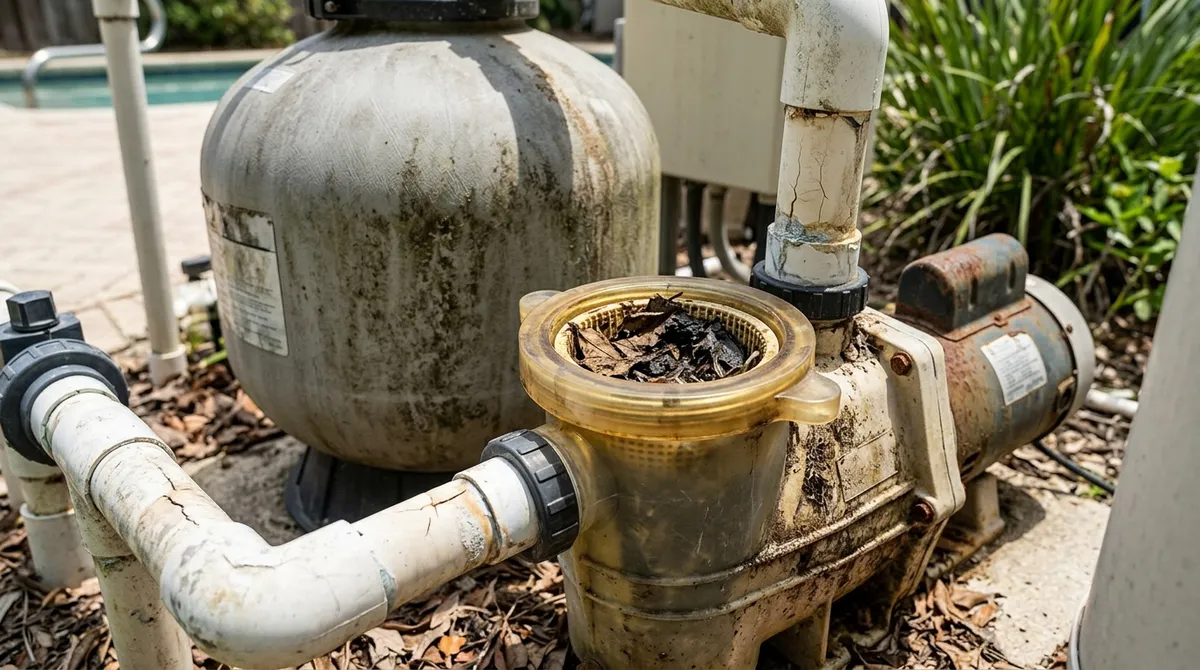
Filters are the backbone of a clean pool. They remove particles that cleaning alone cannot. But filters need regular maintenance to do their job. A dirty or clogged filter makes everything else less effective.
Pool equipment care should include:
- Cleaning or backwashing the filter on a regular schedule
- Checking pump pressure and flow for signs of trouble
- Inspecting the heater for corrosion or ignition issues
- Testing automatic cleaners for proper movement and suction
When filters fail, water turns cloudy and unsafe fast. Knowing how to spot trouble early makes a big difference. See how pool filter repairs can save you money before small issues become expensive replacements. The IPSSA (Independent Pool and Spa Service Association) also provides industry standards for equipment care that professionals follow.
Mistake 4: Waiting Too Long for Deep Cleaning
Routine weekly service keeps a pool in good shape. But deep cleaning is a separate, more thorough service that should happen every one to two months depending on usage and weather. Many pool owners skip this step entirely.
Deep cleaning includes:
- Scrubbing tile lines to remove calcium and mineral deposits
- Vacuuming heavy sediment from the pool floor
- Brushing behind steps, ladders, and in corners where algae hides
- Shocking the water to reset chemical balance
- Inspecting all equipment for wear or damage
Tampa’s climate means pools are used almost year-round. That makes periodic deep cleaning even more important. If you’ve ever wondered what this process actually involves, how inground pool cleaning actually works is a great place to start.
Mistake 5: DIY Repairs Without the Right Knowledge
It’s tempting to fix pool problems yourself. But pool equipment is complex, and small mistakes can turn a minor repair into a major one. Equipment repairs — especially pumps, heaters, and automation systems — require specific knowledge to do safely and correctly.
Attempting DIY repairs on the wrong components can lead to:
- Voided warranties on pumps and heaters
- Electrical hazards from improper wiring
- Water leaks from loose fittings or seals
- Continued damage from an unresolved root cause
Knowing the difference between what you can handle and when to call a pro is key. For a clear breakdown, compare DIY pool care vs. professional pool technicians to see which approach wins in the long run.
Mistake 6: Overlooking Commercial Pool Needs
Pool maintenance for commercial properties — like hotels, apartment complexes, and community centers — is a whole different level of responsibility. Commercial pools see more swimmers, more debris, and stricter health code requirements. Treating a commercial pool like a backyard pool is a serious mistake.
Commercial pool maintenance typically requires:
- More frequent water testing (sometimes multiple times per day)
- Higher chemical usage to handle heavy bather loads
- Regular compliance inspections and documentation
- Faster response times for equipment failures
A trusted commercial pool service provider ensures your facility stays open, safe, and compliant. Learn more about why commercial pool service is essential for Tampa facilities and what separates a basic cleaning from a truly professional service.
Mistake 7: Not Hiring a Professional Pool Maintenance Service
This is the biggest mistake of all. Many pool owners believe they can manage full pool maintenance on their own. Some can — but most underestimate the time, knowledge, and consistency required.
Professional pool maintenance services handle everything in one visit:
- Surface skimming and vacuuming
- Brushing walls and tile
- Water chemistry testing and adjustment
- Filter and equipment inspection
- Basket cleaning and debris removal
According to industry data, there were over 78,000 pool cleaning businesses in the U.S. in 2025, with the industry growing at a healthy pace — a clear sign that demand for professional maintenance is strong. The Florida Swimming Pool Association (FSPA) supports industry standards that ensure pool owners get qualified, reliable service.
In Tampa, Panther Pools stands out as a trusted name for both residential and commercial pool maintenance. With a Certified Pool Operator credential (CPO 648855) and seven-day-a-week customer support, they bring the expertise and reliability every pool owner deserves. Explore their full range of pool cleaning services in Tampa to see what professional maintenance really looks like.
What Does a Professional Pool Maintenance Visit Include?
It helps to see pool maintenance broken down clearly. Here’s a comparison of what routine weekly service covers versus what a deep cleaning visit includes:
| Task | Weekly Service | Deep Cleaning |
|---|---|---|
| Surface skimming | ✓ | ✓ |
| Vacuuming pool floor | ✓ | ✓ (heavy sediment) |
| Brushing walls and tile | ✓ | ✓ (scrubbing deposits) |
| Emptying skimmer baskets | ✓ | ✓ |
| Water chemistry testing | ✓ | ✓ + shock treatment |
| Filter inspection | Basic check | Full cleaning/backwash |
| Equipment inspection | Visual check | Detailed assessment |
| Algae treatment | Preventive | Active treatment if needed |
This table makes it easy to see why both types of service matter. Weekly visits keep the pool in good shape between deeper cleans. If you’re wondering how often your pool needs each type of service, pool maintenance tips for Tampa owners in 2026 offer clear and actionable guidance.
How to Choose the Right Pool Maintenance Service
Not all pool services are created equal. When choosing a provider, look for these qualities:
- Certified Pool Operator (CPO) credentials
- Experience with both residential and commercial pools
- Availability for seven-day-a-week support
- Transparent service packages with no hidden fees
- Strong customer reviews and a track record in your area
For Tampa homeowners and property managers, finding a reliable local team makes all the difference. Learn how to choose a local pool cleaning service you can trust so your pool always gets the care it needs.
Conclusion
Now you know exactly what pool maintenance is — and more importantly, what happens when it’s done wrong. From skipping weekly cleanings to ignoring water chemistry and equipment care, each of these seven mistakes can lead to bigger costs, unsafe water, and a pool that’s no fun to use. The good news? Every one of these mistakes is avoidable with the right plan and the right team.
Whether you’re a first-time pool owner, a busy family, or a commercial property manager, professional pool maintenance gives you peace of mind and a pool you’re proud to show off. Don’t wait for green water or a broken pump to take action. Reach out to the Panther Pools team today for a free estimate and discover how easy it is to keep your Tampa pool in perfect shape all year long.
FAQs
Q: What does pool maintenance include?
A: Pool maintenance covers a range of tasks including skimming, vacuuming, brushing walls, emptying baskets, testing and balancing water chemistry, and inspecting equipment like filters and pumps. Think of it as a full health check for your pool — both the water and the machinery that keeps it running!
Q: How often should a pool be maintained?
A: Weekly service is the standard minimum during pool season, especially in warm climates like Tampa. A deeper cleaning is recommended every one to two months depending on how often your pool is used and the weather conditions.
Q: What is the difference between pool cleaning and pool maintenance?
A: Pool cleaning typically refers to the physical removal of debris and dirt, while pool maintenance is a broader term that includes cleaning plus water chemistry balancing and equipment care. In short, maintenance covers everything needed to keep your pool safe, clean, and fully operational.
Q: What chemicals are needed for pool maintenance?
A: The core chemicals used in pool maintenance include chlorine (to sanitize the water), pH adjusters (to keep water comfortable), alkalinity increaser or decreaser (to stabilize pH), and calcium hardness products (to protect pool surfaces). A professional service will test and adjust all of these during each visit.
Q: How do I know if my pool needs professional maintenance?
A: If your water looks cloudy, green, or smells strong, or if your pump or filter is making unusual noises, it’s time to call a pro. Regular professional service actually prevents these problems from happening in the first place, saving you time, stress, and money in the long run!