
Key Takeaways
-
Maintain calcium hardness between 200-400 ppm to prevent both corrosive damage (below 200 ppm) and costly scale buildup (above 400 ppm) on pool surfaces and equipment.
-
Test your pool’s calcium hardness at least once per week, especially in Tampa’s heat and humidity, to catch imbalances early before they become expensive repairs.
-
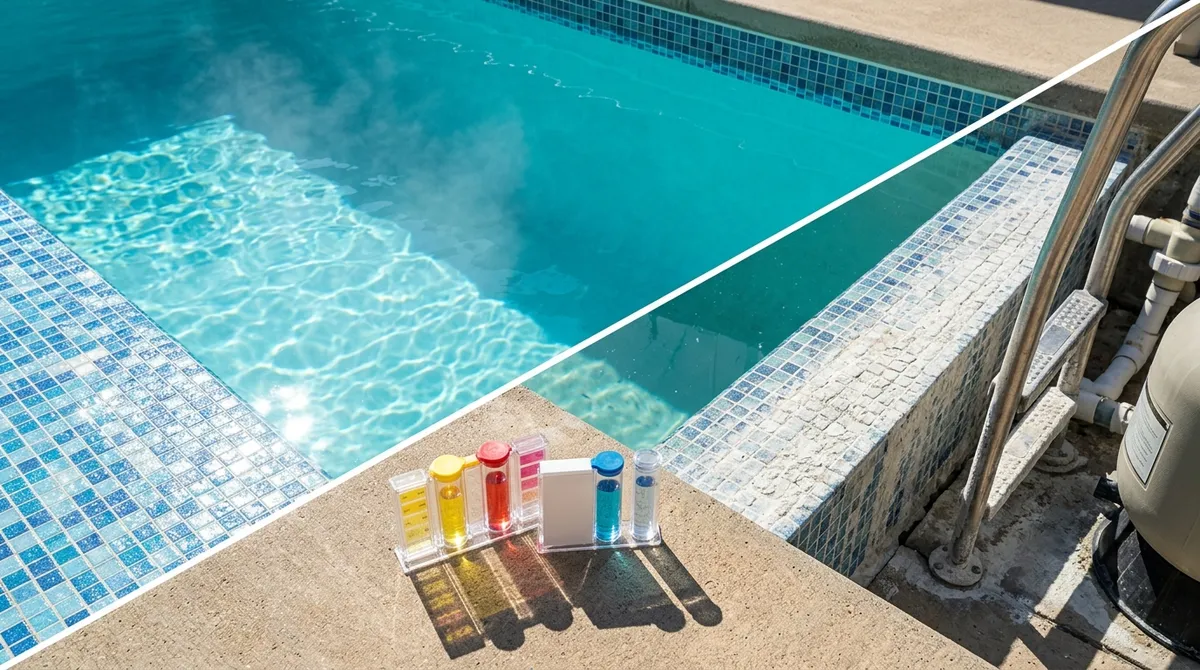
Low calcium hardness causes aggressive water that pulls minerals from pool surfaces, resulting in etching, corrosion of metal fixtures, and damage to pumps and filters.
-
High calcium hardness above 400 ppm creates white scale deposits on tiles and heaters, reduces filter efficiency, and increases energy costs by making heaters work harder.
-
Calcium hardness must be monitored alongside pH (7.4-7.6) and total alkalinity (80-120 ppm), as all three parameters work together in the Langelier Saturation Index to prevent corrosion or scaling.
-
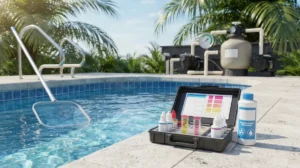
Use test strips for weekly spot-checks or liquid test kits for accuracy; consider professional lab testing when levels are significantly out of range or for commercial pool compliance documentation.
Owning a pool in Tampa is one of life’s great pleasures. But keeping that water clean, safe, and sparkling? That takes a little know-how. One of the most overlooked parts of pool care is the water hardness check. Many pool owners test for chlorine and pH, then stop there. But skipping calcium hardness testing can lead to some serious — and costly — problems down the road.
Whether you’re a busy parent who just wants the kids to splash safely, a retiree who loves a peaceful morning swim, or a property manager keeping a commercial pool compliant, understanding water hardness is a game-changer. In this guide, we’ll walk you through five essential facts about pool water hardness checks so you can protect your investment and enjoy your pool worry-free. Let’s dive in!
What Is a Water Hardness Check for Your Pool?
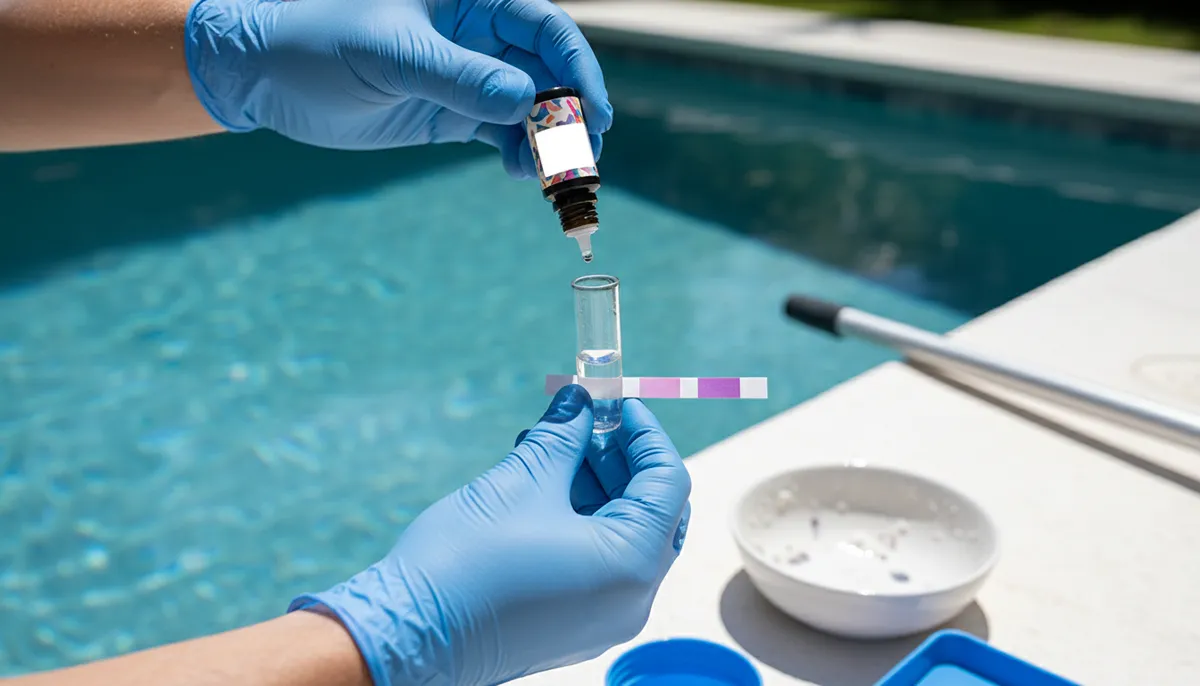
A water hardness check for your pool means testing the level of calcium dissolved in your pool water. This is called calcium hardness, and it’s measured in parts per million (ppm). Think of it like checking the mineral concentration of your water. Too little calcium and your water becomes “hungry” — it will literally pull minerals from your pool’s surfaces and equipment. Too much calcium and you’ll start seeing crusty white scale buildup on your tiles, heaters, and filters.
You can learn more about testing your pool’s water the right way by visiting the Panther Pools blog. It’s a great starting point if you’re new to water chemistry.
Most pool care experts recommend keeping calcium hardness between 200 and 400 ppm. This sweet spot keeps your water balanced and your pool in great shape. According to the Florida Swimming Pool Association (FSPA), proper water chemistry is one of the most important factors in extending pool life and ensuring swimmer safety.
Fact 1: The Ideal Calcium Hardness Range Is 200–400 ppm
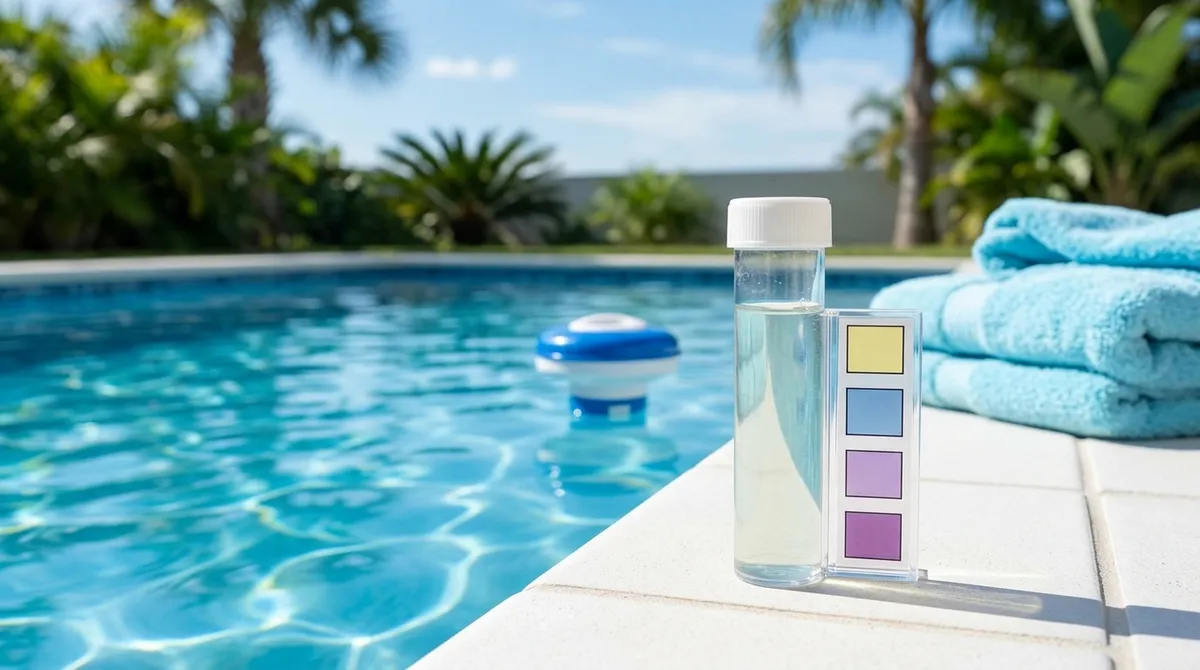
The most important number to remember when doing a water hardness check is 200–400 ppm. This is the widely recommended range for calcium hardness in residential and commercial swimming pools. Staying within this range keeps your water balanced and protects every surface it touches.
Here’s a quick look at the full water chemistry targets you should be hitting:
| Water Chemistry Parameter | Recommended Range | Why It Matters |
|---|---|---|
| Calcium Hardness | 200–400 ppm | Prevents corrosion and scaling |
| pH Level | 7.4–7.6 | Ensures comfort and sanitizer effectiveness |
| Total Alkalinity | 80–120 ppm | Stabilizes pH levels |
| Free Chlorine | 2.0–4.0 ppm | Kills bacteria and keeps water safe |
Notice how calcium hardness is just one piece of the puzzle. All these numbers work together. When calcium is off, it affects pH stability, which affects chlorine effectiveness. It’s all connected! Check out our guide on 10 pool water balancing tips every Tampa owner needs for a deeper look at keeping all these numbers in line.
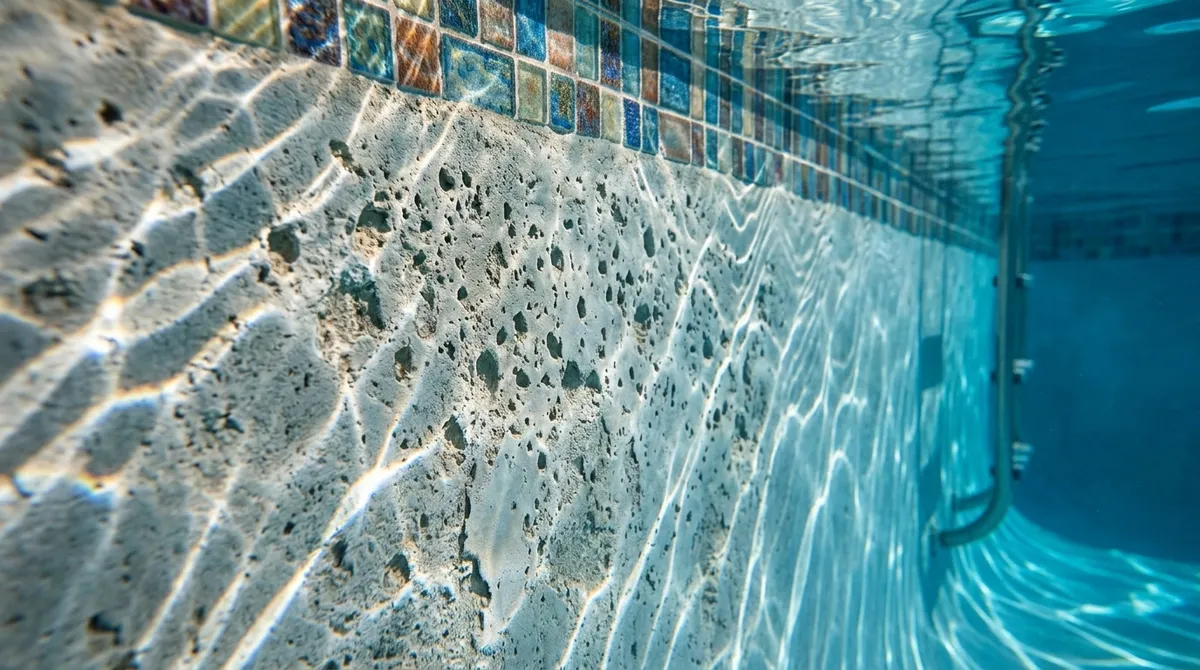
Fact 2: Low Calcium Hardness Damages Your Pool Surfaces
This is the fact that surprises most new pool owners. Soft water — water with low calcium hardness — is actually aggressive. It sounds gentle, but it’s not. When your pool water doesn’t have enough calcium, it seeks balance by pulling minerals from surrounding surfaces. The result? Real damage to your pool.
Here’s what low calcium hardness (below 200 ppm) can do to your pool:
- Etching and pitting of plaster and concrete surfaces
- Corrosion of metal parts like ladders, rails, and light fixtures
- Damage to grout between tiles
- Deterioration of pool pump and filter components
- Rough, uncomfortable pool surfaces that irritate swimmers’ skin
If you’ve noticed rough patches on your pool walls or rust-colored stains near metal fittings, low calcium hardness may be the culprit. You can read more about how to remove pool stains and restore crystal-clear water if you’re already seeing some of these signs.
The fix for low calcium is straightforward. Pool professionals typically add calcium chloride to raise the hardness level back into the safe zone. It’s an affordable solution — but it requires knowing your current ppm first, which is exactly why regular water hardness checks matter so much.
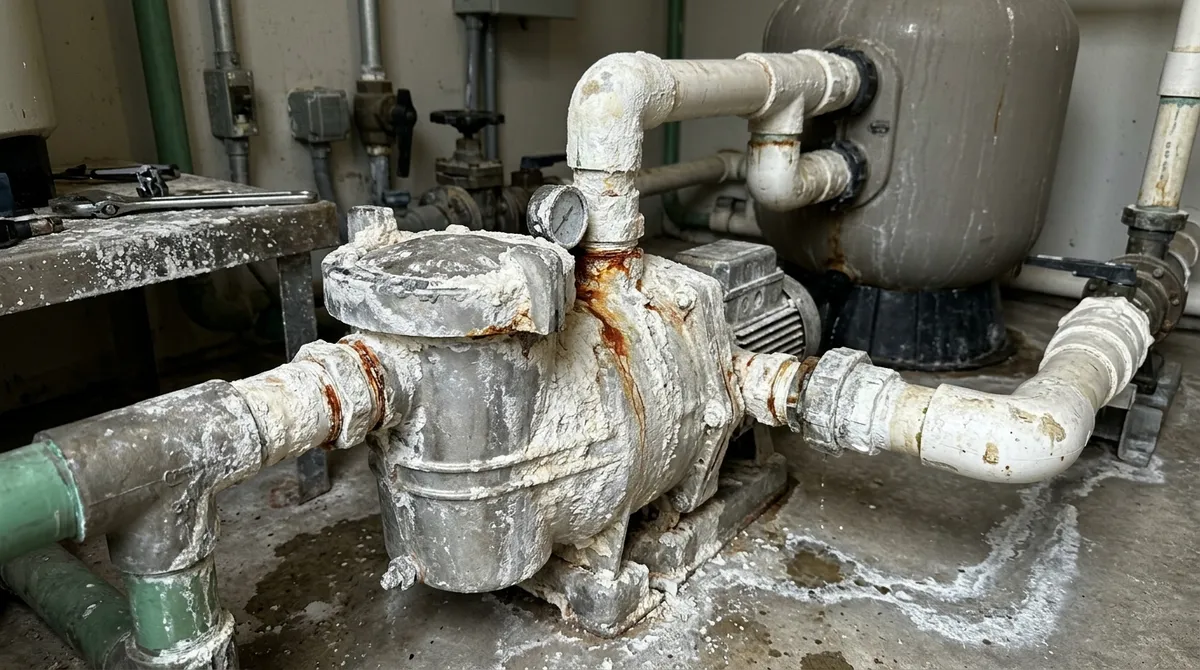
Fact 3: High Calcium Hardness Causes Scaling and Equipment Damage
On the flip side, too much calcium in your pool water is just as problematic. When calcium hardness climbs above 400 ppm, the excess calcium has nowhere to go — so it deposits itself on every surface it touches. This is called scaling, and it’s a headache for pool owners everywhere.
High calcium hardness (above 400 ppm) creates these common problems:
- White, chalky scale buildup on pool tiles and waterline
- Clogged and reduced-flow pool filters
- Scaling inside pool heater elements, reducing efficiency
- Cloudy, hazy pool water that won’t clear up
- Rough, scratchy pool surfaces
- Increased wear on pump and plumbing systems
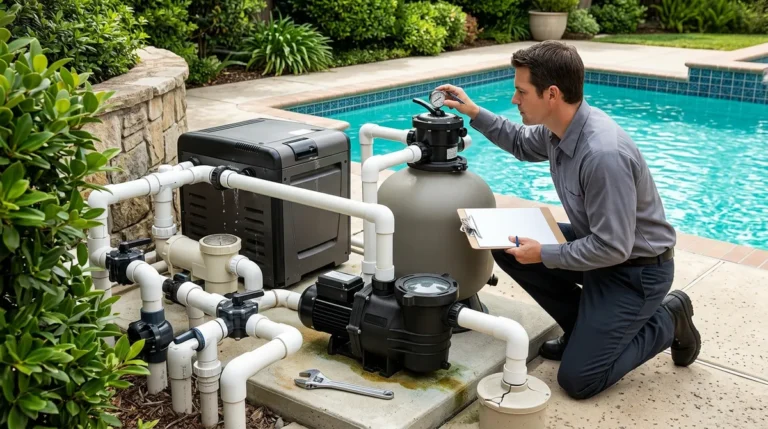
Scale buildup on your pool heater is especially costly. A layer of calcium deposits acts like insulation — your heater works harder but heats the water less efficiently. This drives up energy costs and shortens the heater’s lifespan. Learn more about how to fix pool heater issues fast before they become expensive repairs.
Lowering high calcium hardness is trickier than raising it. The most reliable method is partial draining and refilling your pool with fresh water that has lower calcium levels. In Tampa, where our water supply already tends to have higher mineral content, this is something homeowners deal with regularly. The EPA’s pool water efficiency resources offer great guidance on water management and conservation during this process.
Fact 4: You Should Test Pool Hardness at Least Once Per Week
Now that you know why calcium hardness matters, let’s talk about how often you need to check it. The answer might surprise you. Most pool care experts recommend performing a water hardness check at least once per week. Yes, every week!
This is especially true in Tampa’s climate. Florida’s heat, sunshine, and afternoon rain showers can change your water chemistry fast. Here are the situations that make more frequent testing a smart idea:
- After heavy rain or flooding (rainwater dilutes calcium levels)
- After a big pool party with lots of swimmers
- Following a major water top-up or partial drain
- After adding large doses of other pool chemicals
- During peak summer when evaporation is high
Checking your water weekly keeps small imbalances from becoming big problems. It’s much cheaper to add a bag of calcium chloride than to replaster your entire pool. Speaking of which, if you’re already seeing surface wear, take a look at 15 pool resurfacing signs every Tampa pool owner must know to assess the situation early.
How to Perform a Water Hardness Check
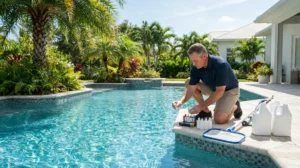
Testing calcium hardness at home is simple and doesn’t take long at all. Here are the three most common methods pool owners use:
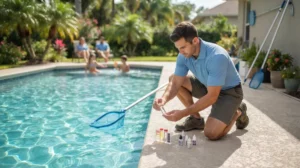
- Test Strips: Dip a strip into your pool water for about 15 seconds, remove it, and compare the color to the chart on the packaging. This is the fastest method and works great for weekly spot-checks.
- Liquid Test Kits: These use chemical reagents to produce a color change in a water sample. They’re more precise than test strips and ideal for monthly deep-checks.
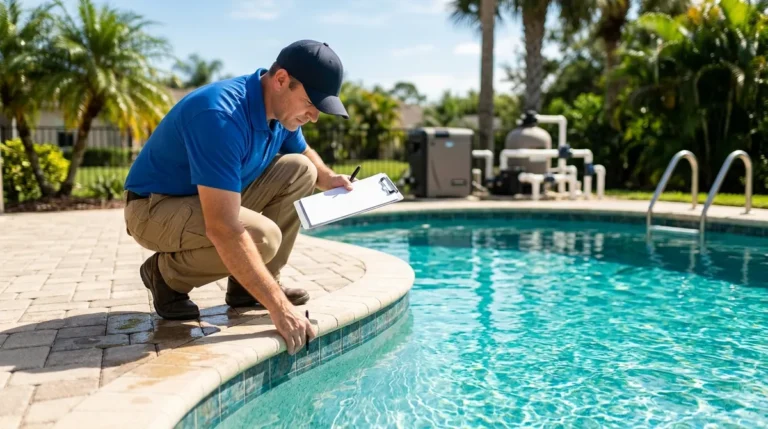
- Professional Lab Testing: Bring a water sample to a pool supply store or have a professional service test it on-site. This gives the most accurate reading and tests for multiple parameters at once.
Want to understand the pros and cons of each method in more detail? Our article on test strips vs. liquid kits breaks it all down in an easy-to-follow comparison. For a comprehensive overview of all the things you should test, check out what proper swimming pool maintenance really involves.
The Independent Pool and Spa Service Association (IPSSA) recommends that pool owners work with certified professionals to ensure testing is accurate and that corrections are made safely and effectively.
Fact 5: Calcium Hardness Works Together with pH and Alkalinity
Here’s the fifth and most important fact: you can’t look at calcium hardness in isolation. It works hand-in-hand with pH and total alkalinity to create what chemists call the Langelier Saturation Index — basically a measure of whether your water is balanced, corrosive, or scale-forming.
Think of these three parameters as a three-legged stool:
- pH (7.4–7.6): Controls how acidic or basic your water is. Low pH makes water corrosive even if calcium is correct.
- Total Alkalinity (80–120 ppm): Acts as a buffer to keep pH stable. Without it, pH swings wildly.
- Calcium Hardness (200–400 ppm): Determines mineral saturation. Works with pH and alkalinity to prevent corrosion or scaling.
When all three are in balance, your pool water is stable, comfortable, and kind to every surface and piece of equipment. When one is off, the others are affected too. This is why checking calcium hardness alone isn’t enough — you need the full picture every time you test. If you’ve been struggling with pool water chemistry mistakes, fixing all three parameters together is usually the fastest path to clear, beautiful water.
Signs Your Pool Needs a Water Hardness Check Right Now
Sometimes your pool will send you signals that something is off with the calcium hardness, even before you test. Keep an eye out for these warning signs:
- Cloudy or hazy water that won’t clear up after shocking
- White crusty deposits forming along the waterline or on tiles
- Rough, sandpaper-like texture on pool walls or floor
- Green or brown staining on pool surfaces
- Pool equipment running less efficiently than usual
If you spot any of these, it’s time for a water hardness check right away. Catching imbalances early saves you time, money, and frustration. And if the problem has already progressed to your filter, our guide on maintaining your pool’s filters can help you get things back on track.
When to Call a Professional for Your Water Hardness Check
DIY testing is great for regular monitoring. But sometimes it pays to bring in an expert. Consider calling a professional pool service when:
- Your calcium hardness is significantly out of range and home treatments aren’t working.
- You’re seeing scale buildup on equipment or surfaces that need professional treatment.
- You’ve drained and refilled the pool but levels still won’t stabilize.
- You’re managing a commercial pool and need certified, documented testing results.
- You simply want the peace of mind that comes with expert eyes on your water chemistry.
That’s where Panther Pools comes in. As Tampa’s premier pool cleaning company, our certified technicians perform comprehensive water chemistry checks as part of every service visit. We hold a Certified Pool Operator credential (CPO 648855) and provide residential and commercial pool maintenance you can trust. Learn more about what we offer with our pool cleaning services in Tampa and see why so many Tampa homeowners rely on us week after week.
If you manage a commercial pool — whether at a hotel, apartment complex, or community facility — accurate water testing isn’t just good practice, it’s a compliance requirement. Read more about why commercial pool service is essential for Tampa facilities and how professional water hardness checks fit into that picture.
Wrapping Up: Your Pool Deserves Regular Water Hardness Checks
Keeping your pool’s calcium hardness in the 200–400 ppm range is one of the simplest, most effective things you can do to protect your pool. It prevents corrosion, stops scaling, extends the life of your equipment, and keeps swimmers comfortable and safe. Combined with regular pH and alkalinity monitoring, a routine water hardness check is the foundation of great pool care.
The bottom line? Test weekly, correct early, and don’t ignore the signs your pool is sending you. Whether you’re a new pool owner or a seasoned pro, consistent water testing is the habit that separates a beautiful, long-lasting pool from one that needs constant expensive repairs.
Ready to take the guesswork out of pool chemistry? Reach out to our team at Panther Pools for a free estimate and let our experts handle the water testing, balancing, and maintenance so you can focus on what matters most — enjoying your pool!
FAQs
Q: What is a water hardness check for a pool?
A: A water hardness check is a test that measures the amount of calcium dissolved in your pool water, known as calcium hardness. It’s measured in parts per million (ppm), and keeping it in the right range — between 200 and 400 ppm — helps protect your pool surfaces and equipment from damage. Think of it as a quick health check for your water that keeps everything running smoothly!
Q: How often should I perform a water hardness check on my pool?
A: Most pool experts recommend testing your pool’s calcium hardness at least once per week. In Tampa’s hot, sunny climate, evaporation and rainfall can shift your water chemistry faster than you’d expect, so regular testing helps you catch imbalances before they become bigger (and costlier) problems.
Q: What happens if pool water hardness is too low?
A: When calcium hardness drops below 200 ppm, your pool water becomes corrosive and starts pulling minerals from plaster, grout, metal fittings, and equipment surfaces. This can lead to etching, pitting, staining, and even damage to your pump and filter components over time. The good news? Raising calcium hardness is usually a simple fix with calcium chloride!
Q: What happens if pool water hardness is too high?
A: High calcium hardness above 400 ppm causes scale to form on your pool tiles, waterline, heater elements, and filter systems — and can leave your water looking cloudy and uninviting. The most common solution is a partial drain and refill with fresh water to bring those calcium levels back down to the ideal range.
Q: Can I do a water hardness check at home, or do I need a professional?
A: You can absolutely test calcium hardness at home using test strips or a liquid test kit — both are easy to find and simple to use. However, for the most accurate results, or if your levels are significantly off and hard to correct, having a professional pool technician test and treat your water is always a smart and stress-free option!