
Key Takeaways
-
Weekly testing is the gold standard for Tampa pools during warm months, with immediate testing required after heavy rain or large parties, as these events dramatically shift chemical levels and require professional correction to prevent costly damage.
-
Professional pool chemical service maintains precise pH (7.2-7.6), chlorine, alkalinity, and other parameters that prevent swimmer health risks like skin irritation and respiratory issues while protecting equipment from corrosion and scale buildup.
-
Two pricing models exist: all-inclusive monthly rates (54% of providers) bundling labor and chemicals, and ‘plus chems’ models separating base fees from chemical costs—choose based on your pool’s chemical usage patterns and budget predictability needs.
-
Professional services use lab-grade testing equipment and trained expertise to avoid common DIY mistakes like adding undiluted chemicals, shocking during daylight, and ignoring alkalinity—errors that cause expensive surface damage and equipment failures.
-
Eco-friendly alternatives like salt chlorination systems, smart dosing technology, mineral-based sanitizers, and enzyme treatments are gaining adoption in 2026, reducing chemical waste while maintaining water quality and environmental responsibility.
-
CPO-certified technicians with consistent weekly scheduling, transparent communication, comprehensive testing of all parameters, and responsive support provide genuine peace of mind and prevent costly pool closures from failed health inspections.
Owning a pool in Tampa is one of life’s great pleasures. There’s nothing quite like stepping into cool, crystal-clear water on a hot Florida afternoon. But behind every sparkling pool is a carefully managed chemical balance — and that’s where a professional pool chemical service makes all the difference. Whether you’re a busy parent, a luxury homeowner, or managing a commercial property, getting your pool chemistry right keeps everyone safe and your water beautiful.
Think of pool chemistry like baking a cake. Too much of one ingredient, and the whole thing falls apart. The same goes for your pool water. Too little chlorine, and algae takes over. Too much, and it irritates eyes and skin. A professional service takes that guessing game completely off your plate — and does it better than any DIY approach.
In this guide, we’ll walk you through everything you need to know about pool chemical services, what they include, why they matter, and how they save you time, money, and headaches.
What Does a Pool Chemical Service Actually Include?
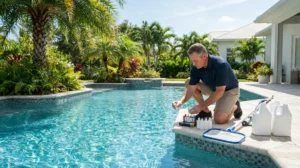
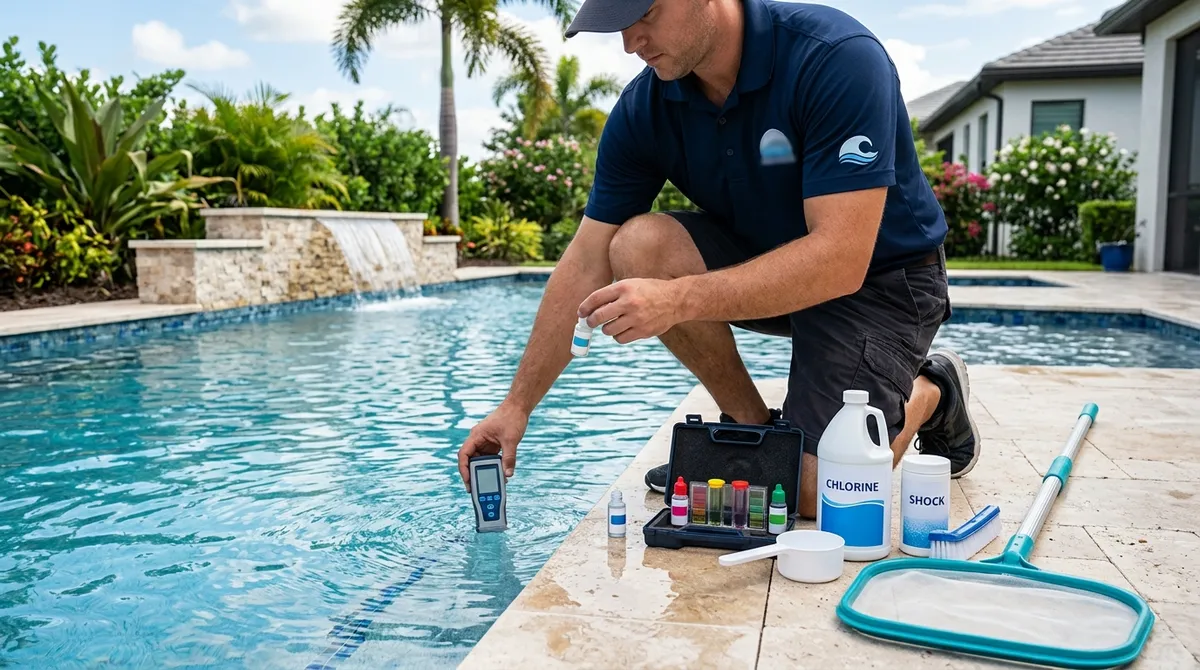
A professional pool chemical service is much more than just pouring chlorine in the water. It’s a full system of testing, balancing, and treating your pool to keep it healthy and safe. Here’s what a quality service typically covers:
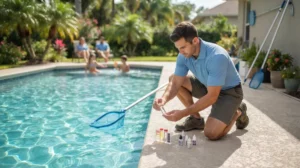
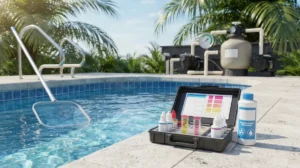
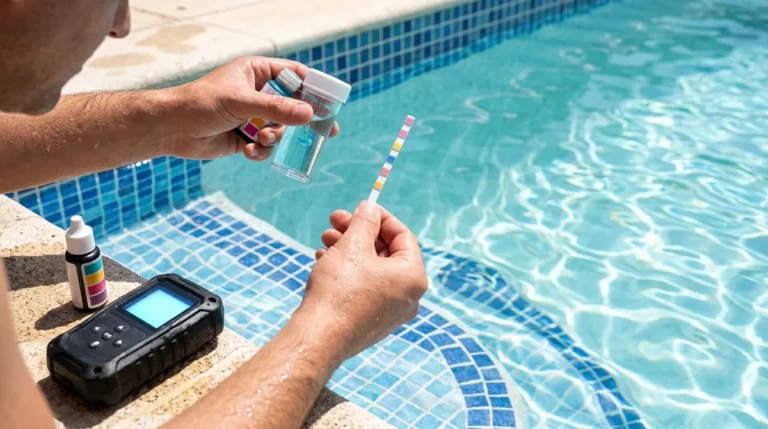
- Water quality testing — Measuring pH, chlorine, alkalinity, calcium hardness, and more
- Chemical dosing — Adding the right chemicals in precise amounts based on test results
- pH balancing — Keeping pH between 7.2 and 7.6 for swimmer comfort and equipment protection
- Chlorine management — Maintaining proper sanitizer levels to kill bacteria and viruses
- Algae prevention — Using algaecides and shock treatments to stop algae before it starts
- Stabilizer monitoring — Protecting chlorine from Florida’s intense UV rays
- Total dissolved solids (TDS) checks — Preventing buildup that can make water dull and cloudy
Each of these elements works together to create water that’s safe, clear, and inviting. If you want to dive deeper into what proper water testing looks like, check out this helpful guide on testing your pool’s water.
Why Pool Chemical Balance Matters More Than You Think
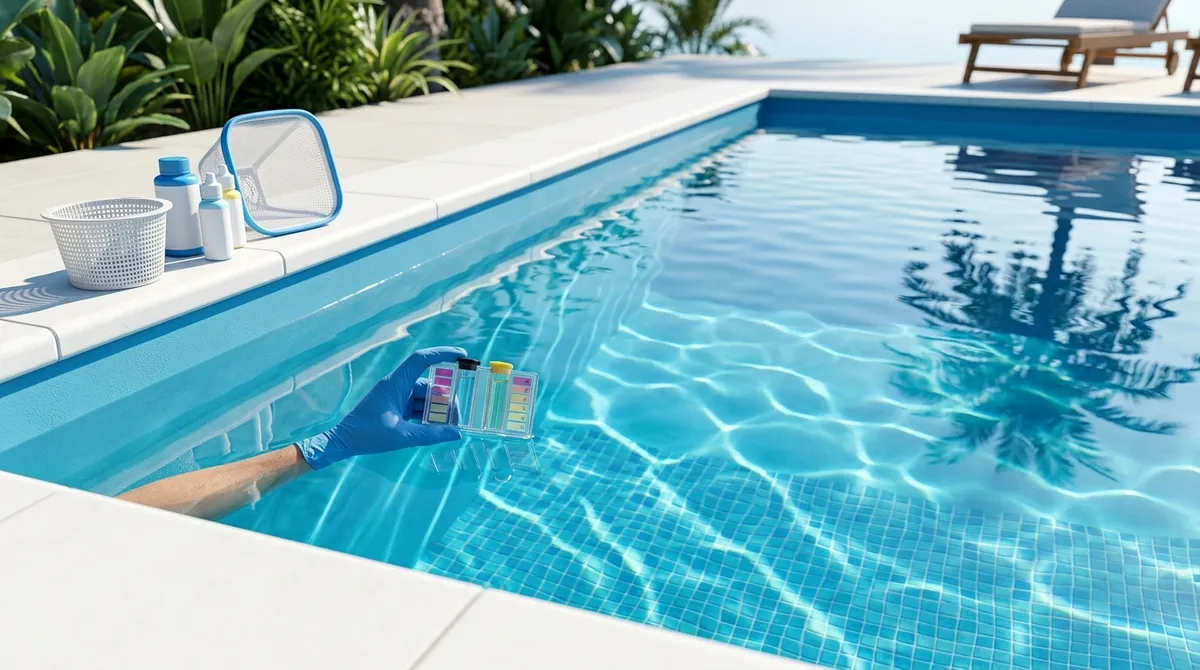
Unbalanced pool water isn’t just an eyesore — it’s a genuine health and safety risk. Swimmers can experience skin irritation, red eyes, and respiratory discomfort when chemical levels are off. More seriously, improperly sanitized water can harbor harmful bacteria.
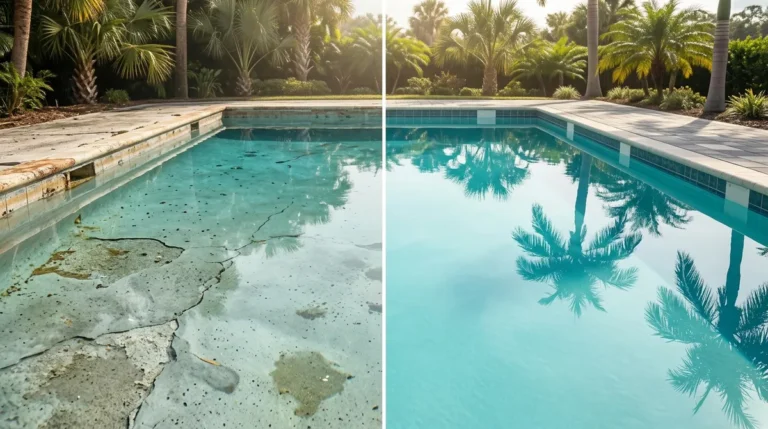
Beyond health concerns, imbalanced water damages your pool equipment and surfaces. High acidity corrodes metal components like pumps and heaters. High alkalinity causes scale buildup on tiles and walls. The EPA Pool Resources recommend proper water management as a key component of responsible pool ownership, highlighting both health and environmental benefits.
For Tampa pools specifically, the intense sun and heat create unique challenges. High temperatures accelerate chlorine consumption. Heavy rain dilutes chemicals and throws pH out of balance. Regular professional service accounts for all of these local factors. You can learn more about the full scope of water balancing in our guide on 10 pool water balancing tips every Tampa owner needs.
How Often Should You Have Pool Chemicals Tested?
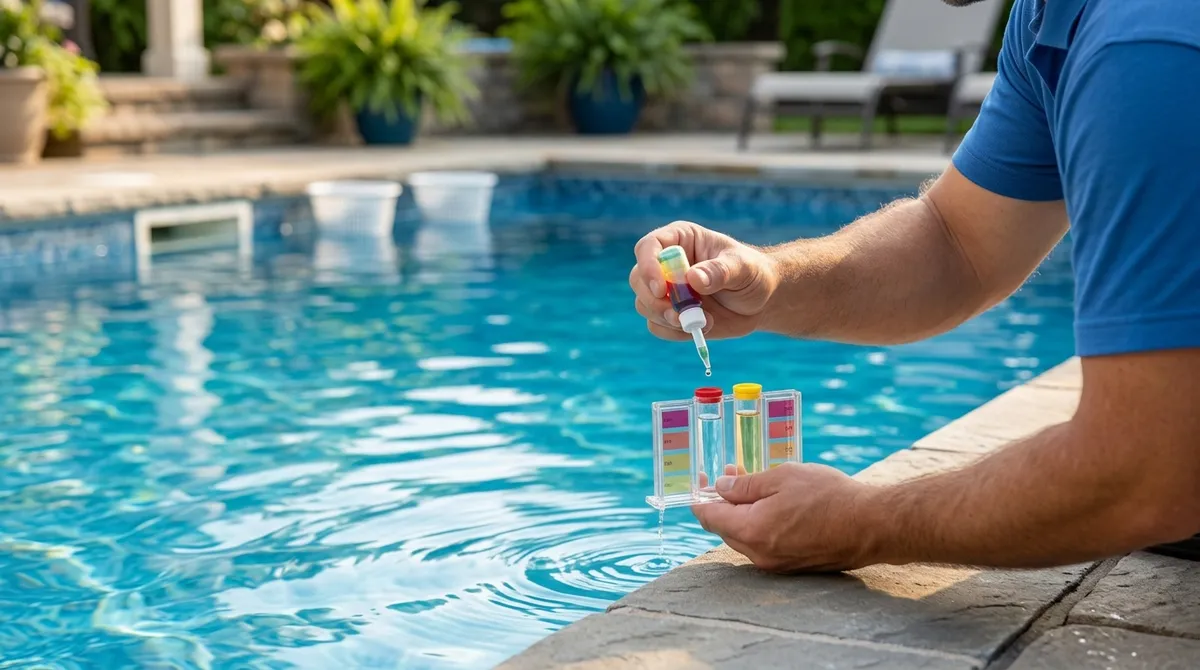
This is one of the most common questions pool owners ask. The answer depends on how often your pool is used and the time of year. Here’s a simple guideline:
- Weekly testing — The gold standard for active pools during Tampa’s warm months (which is basically all year)
- Bi-weekly testing — Acceptable for lightly used pools during cooler periods
- After heavy rain or large parties — Always test immediately, as these events dramatically shift chemical levels
- Monthly comprehensive testing — For deeper metrics like calcium hardness, TDS, and cyanuric acid levels
Most professional pool chemical service plans include weekly visits, which is the most effective way to maintain consistent water quality. Consistent service prevents the costly corrections that come with neglected chemistry.
Understanding Pool Chemical Pricing Models
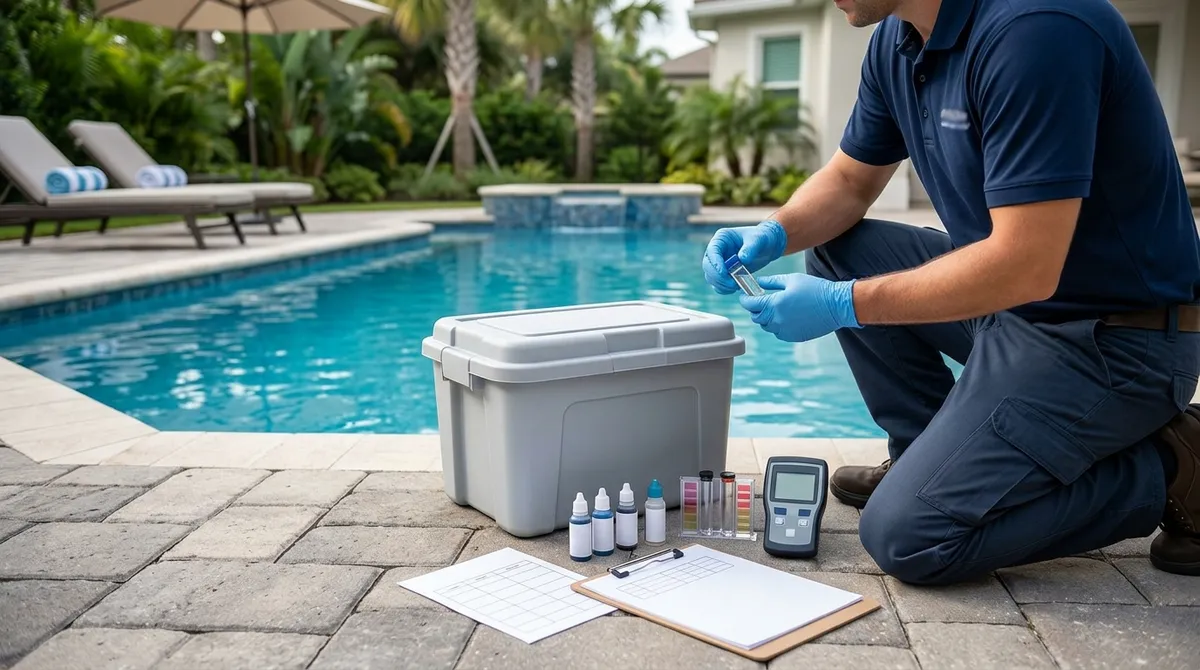
If you’ve been shopping for pool service, you may have noticed two common pricing approaches. Understanding these can help you choose the plan that works best for your budget and needs.
| Pricing Model | What’s Included | Best For |
|---|---|---|
| All-Inclusive Monthly Rate | Service labor + all chemicals bundled into one flat fee | Homeowners who want predictable monthly bills |
| Plus Chems Model | Base service fee + chemical costs billed separately | Pools with lower chemical usage or variable needs |
According to the Skimmer State of Pool Service 2025 report, about 54% of pool professionals use flat monthly rates that include chemicals, while 20% have shifted to the “plus chems” model. This shift helps service companies manage the impact of volatile chemical prices while keeping labor costs transparent. Curious about what service really costs? Explore our easy-to-read guide on what pool service costs.
The Chemicals Your Pool Actually Needs
A well-rounded pool chemical service uses a specific set of products, each with an important job to do. Here’s a look at the core chemicals used by professionals:
- Chlorine — The primary sanitizer that kills bacteria, viruses, and other pathogens
- pH increasers and decreasers — Sodium carbonate (to raise pH) and muriatic acid (to lower it)
- Alkalinity adjusters — Sodium bicarbonate helps buffer pH and prevent rapid swings
- Cyanuric acid (CYA) — A stabilizer that protects chlorine from UV degradation in sunny Florida
- Calcium chloride — Raises calcium hardness to protect pool surfaces and equipment
- Algaecides — Preventive treatments that stop algae growth before it becomes a green pool crisis
- Pool shock — A supercharged dose of chlorine used to quickly sanitize and clear cloudy water
The Independent Pool and Spa Service Association (IPSSA) provides ongoing education to pool professionals about proper chemical use and safety — a sign that this is a science-driven field, not just routine maintenance.
Eco-Friendly Pool Chemical Trends in 2026
The pool industry is evolving, and that’s great news for environmentally conscious pool owners. In 2026, more service providers are embracing greener approaches to pool chemical management. These trends reflect both environmental responsibility and advances in technology.
- Salt chlorination systems — Generate chlorine naturally from salt, reducing the need for traditional chemical additives
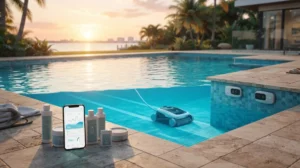
- Smart dosing systems — Automated dispensers that add precise chemical amounts based on real-time water readings
- IoT-connected sensors — Devices that monitor water chemistry continuously and alert technicians to issues
- Mineral-based sanitizers — Silver and copper ion systems that work alongside lower chlorine levels
- Enzyme treatments — Break down organic contaminants like sunscreen and body oils naturally
These innovations reduce chemical waste, improve water quality, and lower the environmental footprint of pool ownership. If you’re interested in smart pool technology, our guide on 9 pool automation systems every Tampa pool owner needs is a great starting point.
Why Professional Pool Chemical Service Beats DIY
Many pool owners try to handle chemical balancing on their own, at least at first. And we totally understand the appeal — it feels like a money saver. But the reality is that DIY chemical management often leads to costly mistakes. Here are the top reasons why professional service wins:
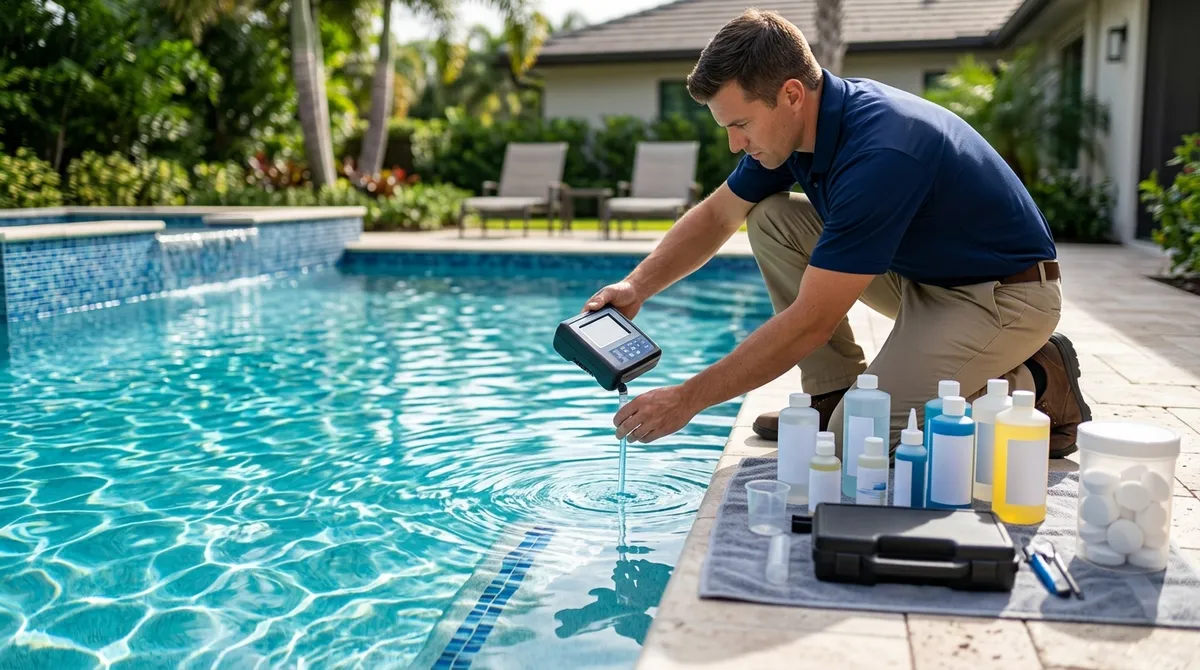
- Precision testing — Professionals use laboratory-grade test kits and digital meters, not just basic test strips
- Chemical expertise — Knowing which chemical to add, how much, and in what order requires training and experience
- Consistency — Regular professional visits catch problems early, before they become expensive repairs
- Safety — Pool chemicals are hazardous when handled incorrectly; professionals know how to store and apply them safely
- Time savings — You get your weekends back while your pool stays perfectly balanced
If you’ve ever wondered whether DIY or professional chemical balancing is really worth it, our detailed comparison at DIY vs. Pro Pool Chemical Balancing: Which One Wins? has all the answers. And for safe storage tips, don’t miss DIY vs. Pro Pool Chemical Storage: Which Is Safer?.
Common Pool Chemistry Mistakes to Avoid
Even well-intentioned pool owners make chemical mistakes. Here are some of the most common ones — and why they matter:
- Adding chemicals directly to the pool — Always pre-dilute chemicals in a bucket of water first to prevent damage to surfaces
- Shocking during the day — UV rays destroy chlorine quickly; always shock at dusk or dawn for best results
- Ignoring alkalinity — Many owners focus only on pH and chlorine, but alkalinity is the buffer that holds everything stable
- Over-stabilizing with CYA — Too much cyanuric acid locks up chlorine, making it ineffective even at high levels
- Skipping testing after rain — A heavy Tampa downpour can completely dilute your chemical balance overnight
For a deeper dive into what not to do, check out our article on 11 pool water chemistry mistakes you must stop making.
What to Look for in a Pool Chemical Service Provider
Choosing the right pool chemical service provider makes all the difference. Not all companies are created equal. Here’s what separates a great service from a mediocre one:
- Certified Pool Operator (CPO) credential — This is the industry standard for professional pool management
- Consistent scheduling — Your pool chemistry needs regular attention, not sporadic visits
- Transparent communication — Great technicians explain what they found and what they treated on every visit
- Comprehensive testing — Look for providers who test all key parameters, not just chlorine and pH
- Responsive customer support — Issues can pop up between visits; you need a team that’s there when you need them
The Florida Swimming Pool Association (FSPA) is a great resource for verifying that your pool service provider meets professional industry standards in Florida.
At Panther Pools, every technician is trained and backed by a Certified Pool Operator credential (CPO 648855). The team provides seven-day-a-week customer support and uses a thorough, consistent process on every visit — giving Tampa pool owners genuine peace of mind.
Pool Chemical Service for Commercial Properties
Commercial pool chemical service carries even higher stakes than residential maintenance. Hotels, apartment complexes, gyms, and community centers are subject to strict health department regulations regarding water quality. Failing a health inspection can mean closing your pool — and that’s bad for business.
A commercial-grade pool chemical service includes more frequent testing, detailed chemical logs, and the ability to respond quickly to any water quality issues. If you manage a commercial facility, our guide on why commercial pool service is essential for Tampa facilities explains everything you need to know to stay compliant and keep guests happy.
The Growing Pool Service Market in 2026
The demand for professional pool chemical service is rising fast. The global pool cleaning and maintenance market was valued at USD 27.36 billion in 2025, growing at a CAGR of 7.49%. The swimming pool chemicals market alone is projected at USD 1.4 billion in 2025, expanding at 5.1% annually through 2034.
This growth is driven by increased pool ownership, a post-pandemic focus on home wellness, and the expansion of the hospitality sector. More pools mean more demand for reliable, professional chemical services. Getting your pool onto a professional service plan now means you’re ahead of the curve — and ahead of the algae.
For more tips on keeping your pool clean and well-maintained year-round, explore the pool cleaning services Tampa page and see how a full-service approach ties chemical care into the bigger picture of pool health.
Conclusion: Your Pool Deserves Professional Chemical Care
A well-balanced pool isn’t just beautiful — it’s healthy, safe, and welcoming for everyone who swims in it. Professional pool chemical service takes the complexity of water chemistry off your shoulders and puts it in the hands of trained experts who do it right, every single time. From weekly testing and precise chemical dosing to cutting-edge smart systems and eco-friendly options, today’s pool chemical service is smarter and more effective than ever.
Whether you’re a busy family looking for worry-free weekends, a luxury homeowner protecting your investment, or a commercial property manager keeping guests happy, professional pool chemical service is one of the best decisions you can make for your pool. Don’t wait for green water or a pool closure to take action.
Ready to enjoy a perfectly balanced pool without the hassle? Get in touch with our team at Panther Pools today for a free estimate and let Tampa’s premier pool cleaning company take care of everything for you.
FAQs
Q: What is ‘plus chems’ pricing in pool chemical service?
A: The ‘plus chems’ model means you pay a base service fee for the technician’s labor, and then chemical costs are billed separately based on what your pool actually needs. It’s a great option if your pool typically uses fewer chemicals, and it gives you full transparency into exactly what’s being added to your water each visit!
Q: How often should pool chemicals be tested and balanced?
A: For most Tampa pools, weekly testing is the sweet spot — especially during our warm, sunny months. After heavy rain or a big pool party, it’s always a smart idea to test right away, since those events can throw your water chemistry off surprisingly fast.
Q: What chemicals are used in a professional pool chemical service?
A: Professionals typically use chlorine for sanitation, pH adjusters to keep water comfortable, alkalinity buffers, cyanuric acid to stabilize chlorine in the Florida sun, calcium chloride for hardness, algaecides for prevention, and pool shock for quick cleanups. It’s a full toolkit — and knowing how to use it correctly is what makes all the difference!
Q: Are eco-friendly pool chemical options available in 2026?
A: Absolutely! Salt chlorination systems, mineral sanitizers, smart chemical dosing technology, and enzyme-based treatments are all great eco-friendly alternatives gaining popularity in 2026. They help reduce chemical waste while keeping your pool just as clean and safe as traditional methods.
Q: Why is professional pool chemical service better than DIY balancing?
A: Professionals bring precision test equipment, trained expertise, and a consistent schedule that DIY just can’t match. They catch small imbalances before they become big (and expensive!) problems — and honestly, getting your weekends back is a pretty amazing bonus too.