
Key Takeaways
-
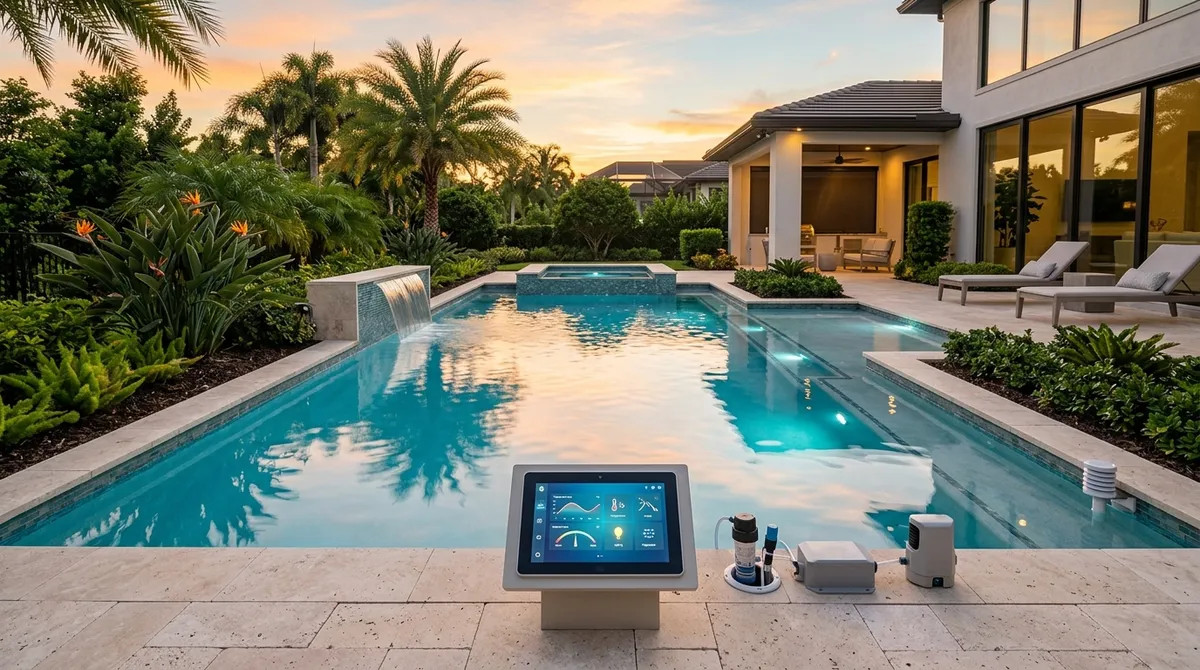
Smart control panels can reduce energy use by up to 70% by optimizing pump run times to off-peak hours, potentially saving hundreds monthly on utility bills year-round in Tampa.
-
Automated salt chlorinator systems save homeowners $230-$700 annually on chemicals while producing softer water that’s gentler on skin and eyes, paying for itself within 1-2 years.
-
AI-powered predictive maintenance analyzes real-time water quality and equipment data to flag issues like filter buildup, pump strain, and chemical imbalances before costly breakdowns occur.
-
Most pool automation systems integrate seamlessly with existing in-ground pools without requiring renovation—a certified technician can assess your current equipment and recommend compatible upgrades.
-
Fully integrated smart pool systems increase home property value by up to 8% while reducing combined utility and chemical costs, with typical payback periods of 18-36 months.
-
AI robotic pool cleaners deliver 20 times greater cleaning efficiency than traditional suction cleaners while using significantly less power, eliminating manual cleaning labor.
Imagine controlling your pool from your phone while sipping coffee on the patio. No more guessing if the pump ran long enough. No more lugging chemicals out in the Florida heat. Pool automation systems are making this a reality for Tampa homeowners in 2026 — and the technology has never been more impressive or accessible.
Whether you have a backyard oasis for the kids, a luxury resort-style pool, or a commercial facility that never sleeps, automation can transform how you manage your water. These smart systems handle everything from filtration schedules to chemical dosing, giving you more time to actually enjoy your pool. Let’s walk through the nine best pool automation systems and features worth knowing about this year.
What Are Pool Automation Systems?
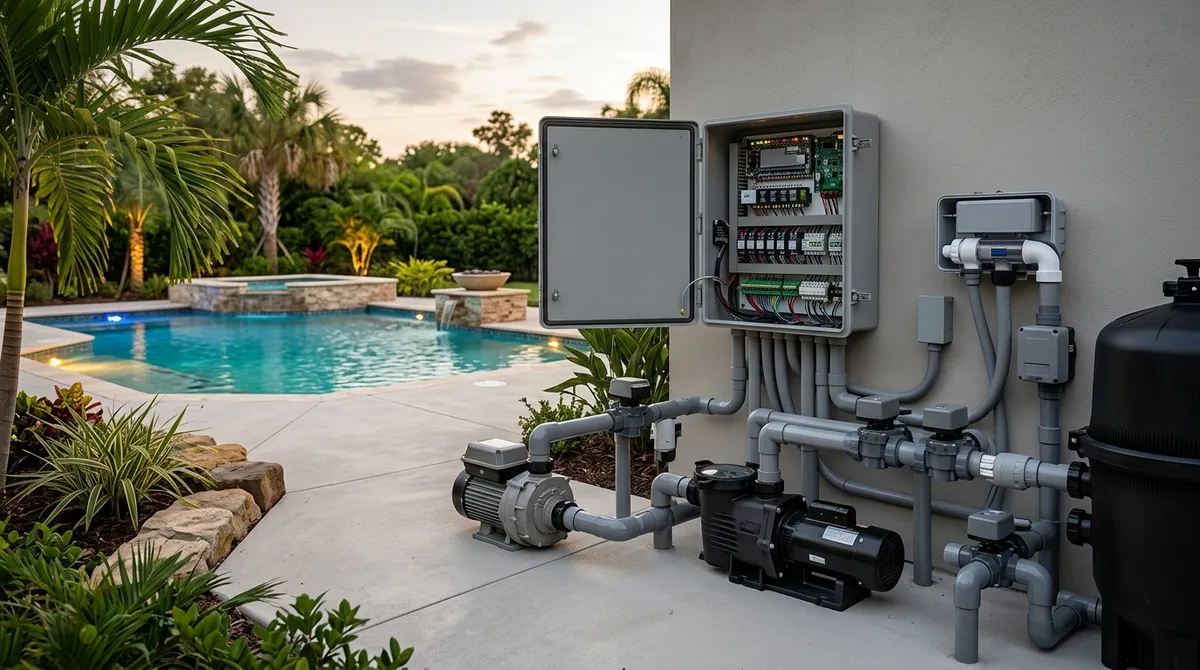
Pool automation systems are smart technologies that take over the routine tasks of pool management. Think of them as the brain behind your pool’s operation. They connect pumps, heaters, lights, cleaners, and chemical feeders into one intelligent network you can monitor and control remotely.
These systems use sensors, timers, and apps to keep your pool running efficiently — often with little to no manual effort. According to the EPA Pool Resources, smarter water management significantly reduces waste and energy consumption, which is a big win for Tampa’s environment and your utility bill.
9 Pool Automation Systems and Features Worth Having
1. Smart Pool Control Panels
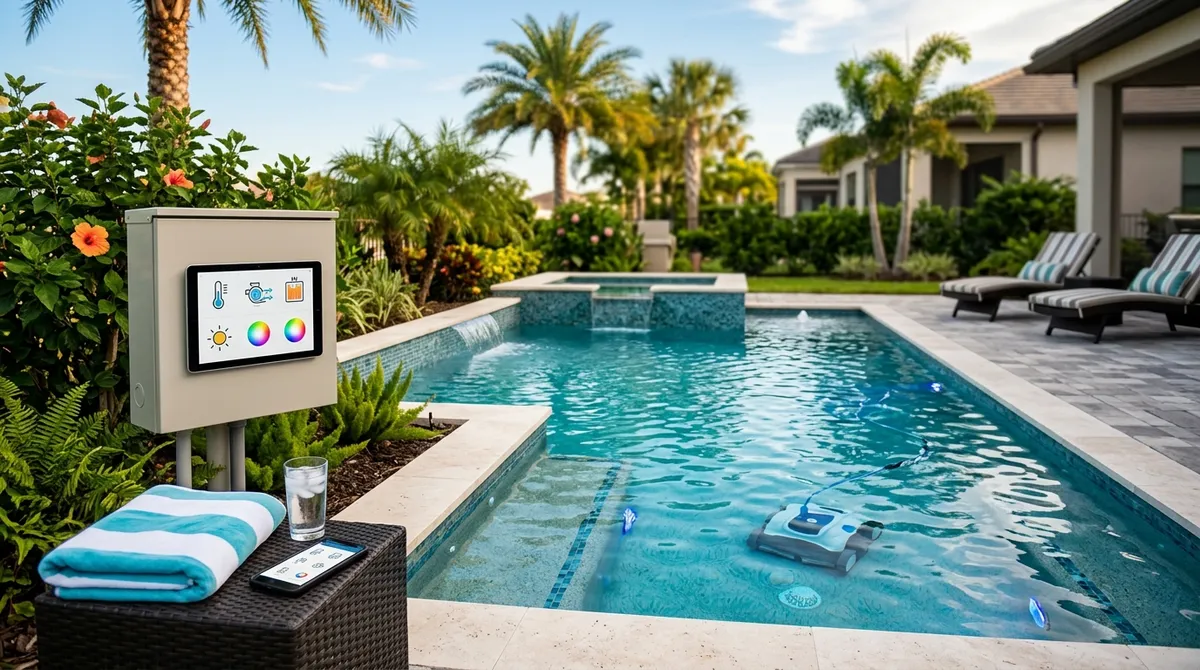
The smart control panel is the heart of any automation setup. It connects all your pool equipment into one centralized hub. From a single app or panel, you can schedule your pump, control your heater, and manage your lights.
The energy savings here are significant. Smart panels optimize run times to off-peak hours, which can reduce your energy use by up to 70%. That’s a serious difference on your monthly power bill — especially here in Tampa where pools run year-round.
2. AI-Powered Robotic Pool Cleaners
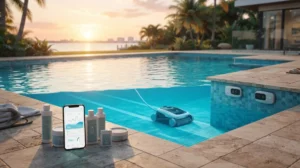
Robotic cleaners have gotten incredibly smart in 2026. Today’s top models use vision technology, gyroscopic navigation, and surface mapping to clean every inch of your pool floor and walls. They avoid obstacles and adapt to your pool’s unique shape.
These AI-driven robots deliver up to 20 times greater cleaning efficiency compared to traditional suction-side cleaners. They also use far less power, making them a greener option. If you want spotless results without lifting a finger, a robotic cleaner is a must-have. Learn more about keeping your pool spotless with Pool Cleaning Services Tampa.
3. Automated Salt Chlorinator Systems
Salt chlorinators automatically convert salt into chlorine, keeping your water sanitized without constant manual dosing. They monitor your pool’s chlorine levels and adjust output as needed. This means no more daily chemical testing and fewer trips to the pool supply store.
Automated salt systems can save homeowners between $230 and $700 annually on chemicals alone. They also produce softer-feeling water that’s gentler on skin and eyes — a huge plus for families with young kids. Panther Pools offers expert salt system installation and maintenance throughout Tampa.
4. Automated Chemical Dosing Pumps
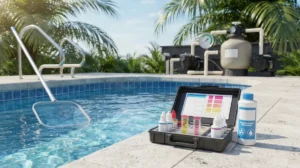
Beyond salt systems, dosing pumps automate the delivery of other chemicals like pH adjusters and algaecides. Sensors constantly read your water chemistry and trigger the pumps when levels drift out of range.
Here’s what automated dosing pumps typically manage:
- pH balance (keeps water comfortable and safe)
- Alkalinity levels (protects equipment from corrosion)
- Sanitizer concentration (eliminates bacteria)
- Algae prevention (keeps water clear and blue)
Consistent chemistry means fewer algae blooms and equipment damage — and a healthier swim every time.
5. Variable Speed Pump Controllers
Old single-speed pumps run at full power all day, wasting massive amounts of energy. Variable speed pumps adjust their speed based on what’s actually needed. Slow for filtration, faster for cleaning, and off when idle.
When paired with an automation controller, these pumps follow smart schedules that maximize efficiency. Automated heating systems using variable speed technology can cut heating costs by 30–40%. That adds up quickly in Tampa’s warmer months when pools are used constantly. Check out tips on keeping your pump in top shape with 9 Pool Pump Maintenance Tips Every Tampa Owner Needs.
6. Water Level and Leak Detection Sensors
Automated water level sensors keep your pool filled to the perfect height. When the water drops, they trigger auto-fill valves. When levels stay consistently low, they alert you to a possible leak — before it becomes an expensive problem.
Tampa homeowners know that pool leaks can cause serious damage to decking, landscaping, and even the pool structure itself. Early detection is everything. Learn what to watch for in our guide on Pool Leak Detection Mistakes That Cost Tampa Homeowners Thousands.
7. Predictive Maintenance Technology
This is one of the most exciting developments in pool automation systems right now. AI-powered predictive maintenance analyzes real-time data — water quality, flow rates, equipment performance, and even weather forecasts — to flag issues before they become breakdowns.
Here’s what predictive maintenance can catch early:
- Filter pressure buildup (signals it’s time to clean or replace)
- Pump motor strain (prevents costly failures)
- Heater inefficiency (flags needed repairs)
- Chemical imbalances (warns before algae takes hold)
- Unusual flow rates (possible blockage or leak)
For commercial property managers in Tampa, this technology means fewer emergency service calls and more uptime for guests. Read more about signs your pump needs attention in our 7 Pool Pump Repair Signs You Need Help Now 2026 Guide.
8. Smart Pool Lighting and Ambiance Controls
Automated lighting is a fun and functional part of modern pool systems. LED lights connected to your control panel can be scheduled, dimmed, or color-changed from your phone. Set the mood for an evening swim or a weekend gathering without touching a switch.
Beyond aesthetics, automated lighting also improves safety — especially for families with children swimming after dark. Motion-activated lighting can alert you when someone approaches the pool unexpectedly.
9. Smart Home Integration and App Control
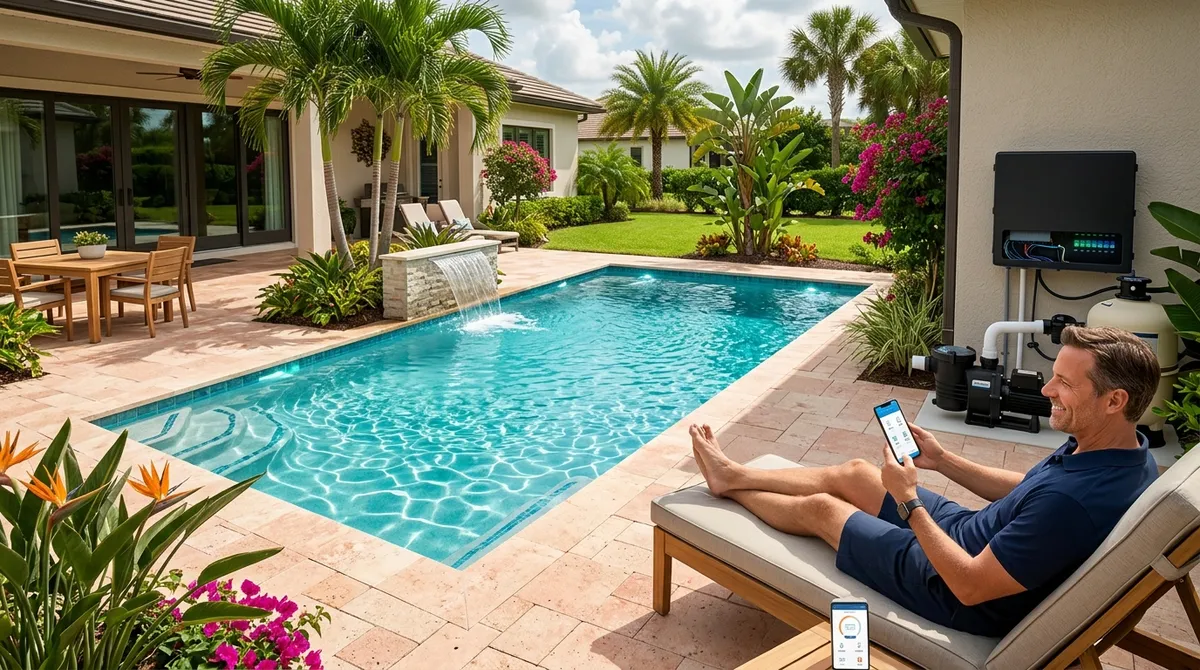
The best pool automation systems work seamlessly with platforms like Amazon Alexa and Google Home. You can check your pool’s status, adjust the temperature, or turn on the cleaner just by asking your smart speaker or tapping your phone.
Pool management apps let you monitor everything from anywhere — whether you’re at work, on vacation, or just inside the house. The Florida Swimming Pool Association (FSPA) recognizes smart technology integration as a key driver of pool value and safety in Florida homes.
How Pool Automation Pays for Itself
One of the most common questions we hear is: “Is it worth the investment?” The answer is almost always yes — especially in a year-round pool market like Tampa. Here’s a quick look at average savings:
| Automation Feature | Estimated Annual Savings | Payback Period |
|---|---|---|
| Smart Control Panel | Up to 70% energy reduction | 18–36 months |
| Variable Speed Pump | 30–40% heating cost reduction | 2–3 years |
| Salt Chlorinator | $230–$700 in chemicals | 1–2 years |
| Robotic Cleaner | Labor and energy savings | 2–4 years |
| Full Integrated System | Combined utility + chemical savings | 18–36 months |
Homes with integrated smart pool systems can also see up to an 8% increase in property value. For luxury homeowners and anyone thinking about resale, that’s a meaningful bonus on top of the day-to-day convenience.
Is Pool Automation Compatible with My Existing Pool?
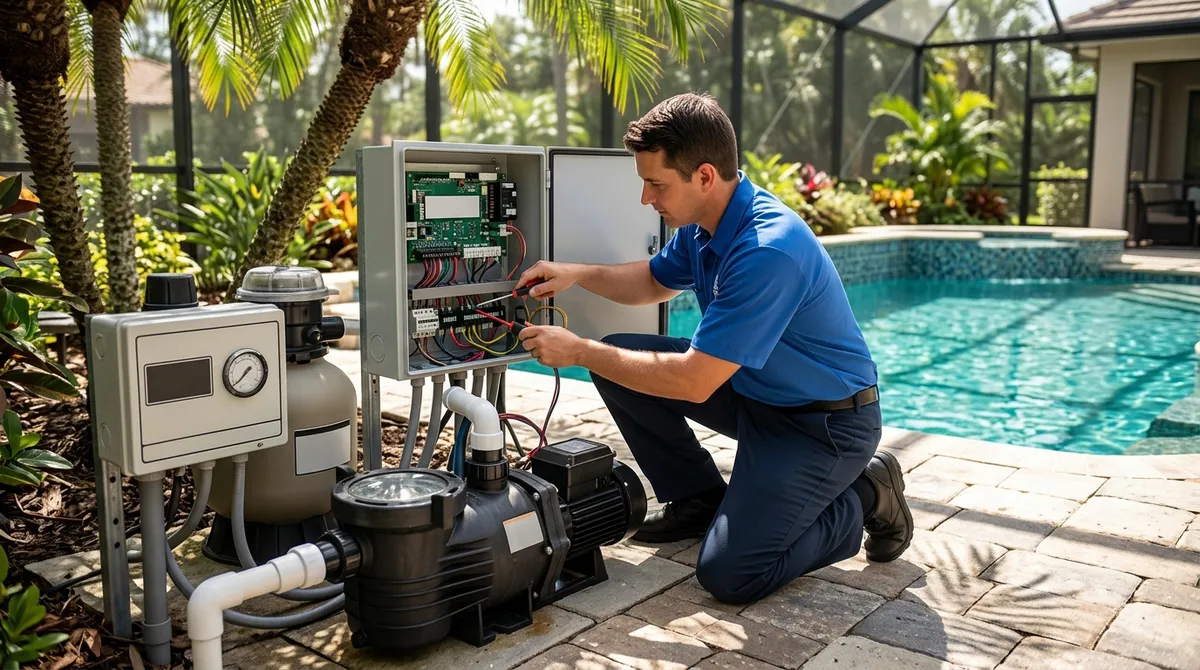
Great news — most pool automation systems are designed to work with existing in-ground pools. You don’t need to start from scratch. A qualified pool professional can assess your current equipment and recommend compatible upgrades.
Here’s the typical process for adding automation to an existing pool:
- Assess current equipment (pump, filter, heater, lights)
- Choose a compatible control panel or hub
- Install sensors and automated valves
- Connect to app or smart home platform
- Test and calibrate all connected systems
- Schedule professional check-ins for ongoing optimization
If you’re unsure where to start, the Independent Pool and Spa Service Association (IPSSA) is a great resource for finding certified professionals who specialize in smart pool technology.
Keeping Automation Running Smoothly
Even the smartest systems need a little human care. Filters need to be cleaned, sensors need calibration, and equipment needs regular inspections. Automation handles the routine — but professional maintenance keeps everything working at its best.
Here are the key maintenance tasks that still matter even with automation:
- Regular filter cleaning and replacement (see our guide on Maintaining Your Pool’s Filters)
- Sensor accuracy checks (at least quarterly)
- Equipment inspections for wear or corrosion
- App and firmware updates for control systems
- Professional annual service for heaters and pumps
Our team at Panther Pools is certified (CPO #648855) and available seven days a week to make sure your automated pool system runs perfectly all year long. From equipment installs to weekly service plans, we’ve got Tampa covered.
Top Benefits at a Glance
Let’s recap why pool automation systems are such a smart move in 2026:
- Save money on energy and chemical costs every month
- Save time by eliminating manual maintenance routines
- Improve water quality with consistent, automated chemistry management
- Protect equipment through predictive alerts and smarter operation
- Boost home value with modern smart pool technology
- Enjoy peace of mind with remote monitoring from anywhere
For busy Tampa families, young homeowners, retirees, and commercial managers alike, these benefits translate directly into a better pool experience with less stress. Explore more reasons to upgrade with 7 Pool Cleaning Service Benefits Every Tampa Homeowner Needs 2026.
Ready to Automate Your Tampa Pool?
Pool automation systems are no longer a luxury reserved for the ultra-wealthy. They’re practical, accessible, and paying for themselves faster than ever. Whether you want to start small with a smart control panel or go all-in with a fully integrated system, there’s a solution that fits your pool and your lifestyle.
If you’re in the Tampa area and ready to explore your options, our friendly team is here to help. We offer free estimates, honest advice, and professional installation with no rush jobs — ever. Reach out to our team today and let’s find the right automation setup for your pool.
FAQs
Q: What are the best pool automation systems for Tampa homeowners in 2026?
A: The top options include smart control panels, AI robotic cleaners, automated salt chlorinators, and variable speed pump controllers. Each one tackles a different part of pool management, and they work even better together as a fully integrated system. A certified pool professional can help you choose the right combination for your specific pool.
Q: How much can pool automation systems save on energy and chemicals?
A: Smart control panels can reduce energy use by up to 70%, while automated salt chlorinators save $230–$700 annually on chemicals. Variable speed pumps cut heating costs by 30–40%. Most systems pay for themselves within 18 to 36 months — which is pretty great news for your wallet!
Q: Can pool automation systems be added to an existing in-ground pool?
A: Absolutely! Most pool automation systems are designed to integrate with existing equipment like pumps, heaters, and filters. A qualified pool technician can assess your current setup and recommend compatible upgrades without requiring a full pool renovation.
Q: Do I still need professional pool service if I have automation?
A: Yes — automation handles the routine tasks brilliantly, but professional service is still important for filter maintenance, equipment inspections, and sensor calibration. Think of automation and professional care as a team — together, they keep your pool in perfect shape all year long.
Q: Can I control my pool automation system from my smartphone?
A: Yes! Most modern pool automation systems come with dedicated apps that let you control pumps, heaters, lights, and cleaners from anywhere. Many also integrate with Amazon Alexa and Google Home so you can manage your pool with simple voice commands.