
Key Takeaways
-
Ignoring early warning signs like strange pump noises, cloudy water, weak water flow, and high energy bills can turn minor repairs into expensive replacements; catching these issues early saves time and money.
-
Always hire licensed, insured, and certified pool technicians instead of attempting DIY repairs, as improper fixes can void warranties, mask deeper problems, and create electrical hazards near water.
-
Choose pool repair services based on experience, credentials, warranty guarantees, and customer reviews rather than lowest price alone, as cheap repairs with low-quality parts often cost more long-term.
-
Schedule regular professional equipment inspections on your pool pump, filter, heater, and automation system to catch small problems before they become costly failures.
-
Establish an emergency repair plan by saving your service provider’s number, understanding your equipment’s basic shut-off locations, and enrolling in a maintenance plan to prevent urgent breakdowns.
-
Commit to ongoing maintenance after repairs by keeping water chemistry balanced, cleaning baskets regularly, and scheduling follow-up inspections to protect your repair investment and extend equipment lifespan.
Your pool is your personal paradise. Whether you’re splashing around with the kids, hosting a summer gathering, or simply relaxing after a long day, a well-maintained pool makes life better. But here’s the thing — even the best pools run into equipment problems. And when they do, the mistakes people make while searching for pool equipment repair near me can cost them time, money, and a whole lot of frustration.
We’ve seen it happen more times than we can count. A pool pump starts making strange noises, a filter stops working, or a heater goes cold — and suddenly a small fix turns into a big headache because the wrong steps were taken. The good news? These mistakes are completely avoidable. Let’s walk through the most common ones so you can keep your pool running smoothly all year long.
Mistake 1: Ignoring the Early Warning Signs
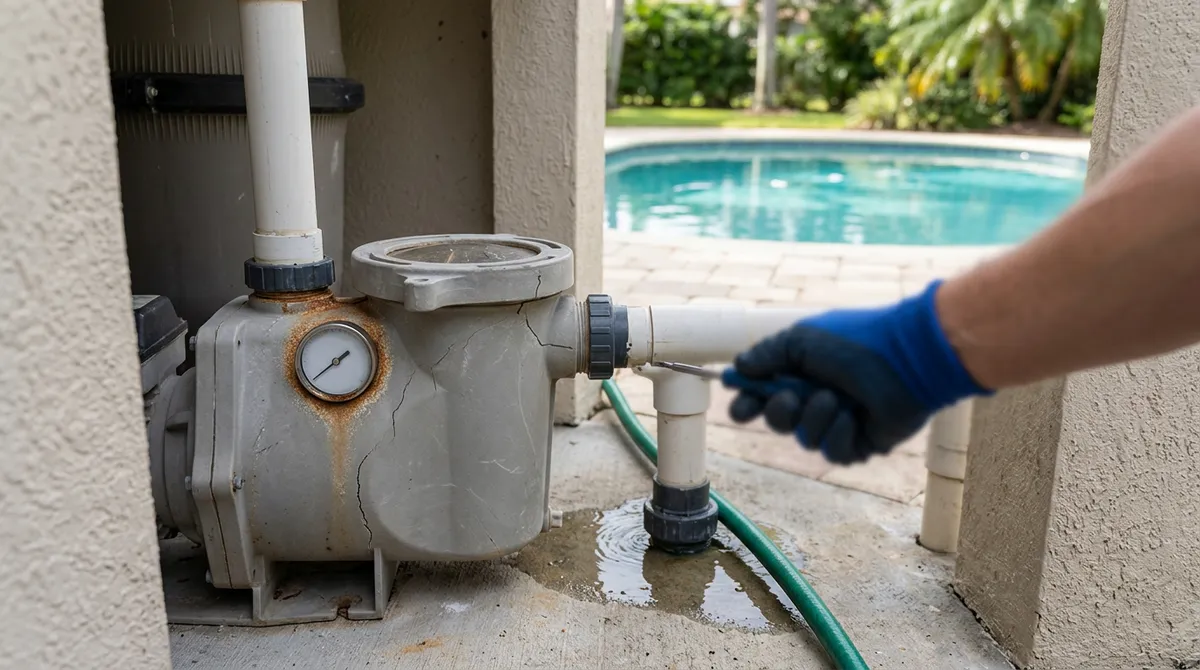
One of the biggest mistakes pool owners make is waiting too long to call for help. Pool equipment often gives you warning signs before it completely breaks down. If you catch these early, repairs are usually faster and less expensive.
Here are some early warning signs you should never ignore:
- Strange grinding or humming noises from your pump or motor
- Cloudy or green water despite regular chemical treatments
- Weak water flow from your return jets
- Unusually high energy bills without a clear reason
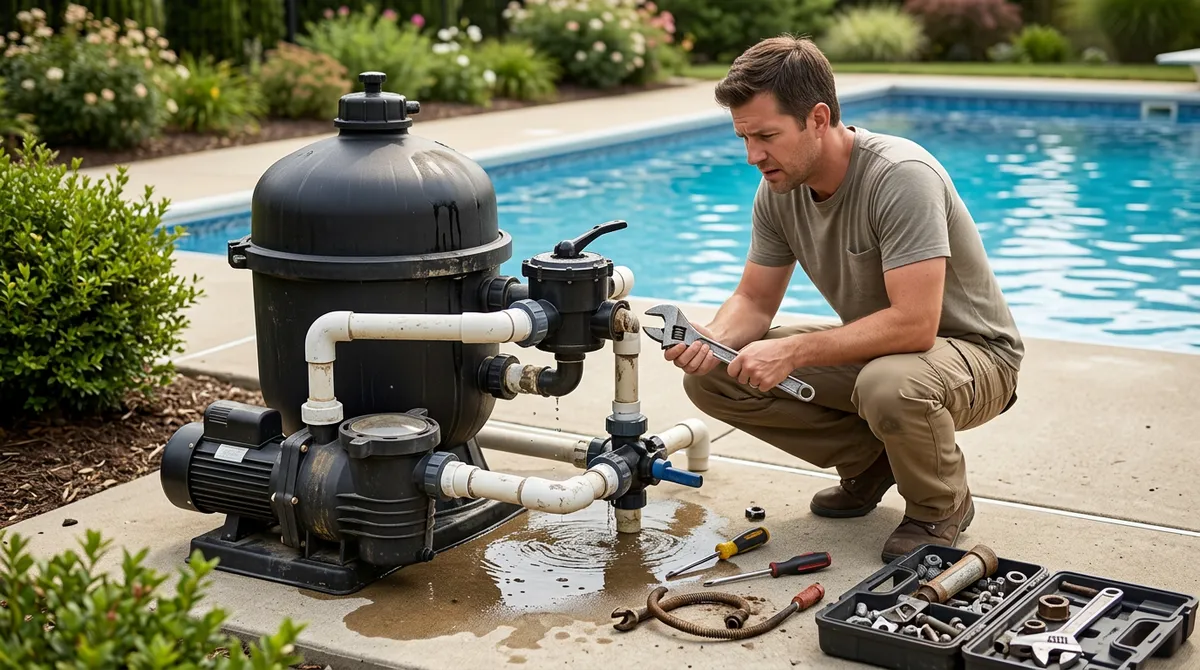
- Leaks or puddles forming around your equipment pad
- Pool heater failing to reach the set temperature
Catching these signs early means you can schedule pool equipment repair near me before things get worse. Your wallet will thank you later!
Mistake 2: Attempting DIY Repairs Without the Right Skills
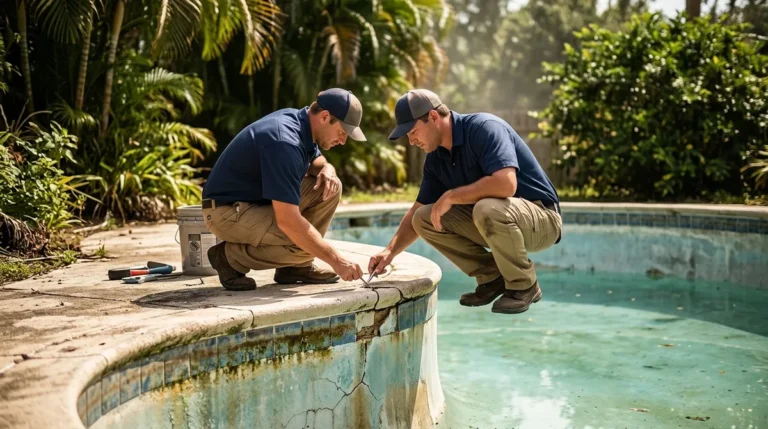
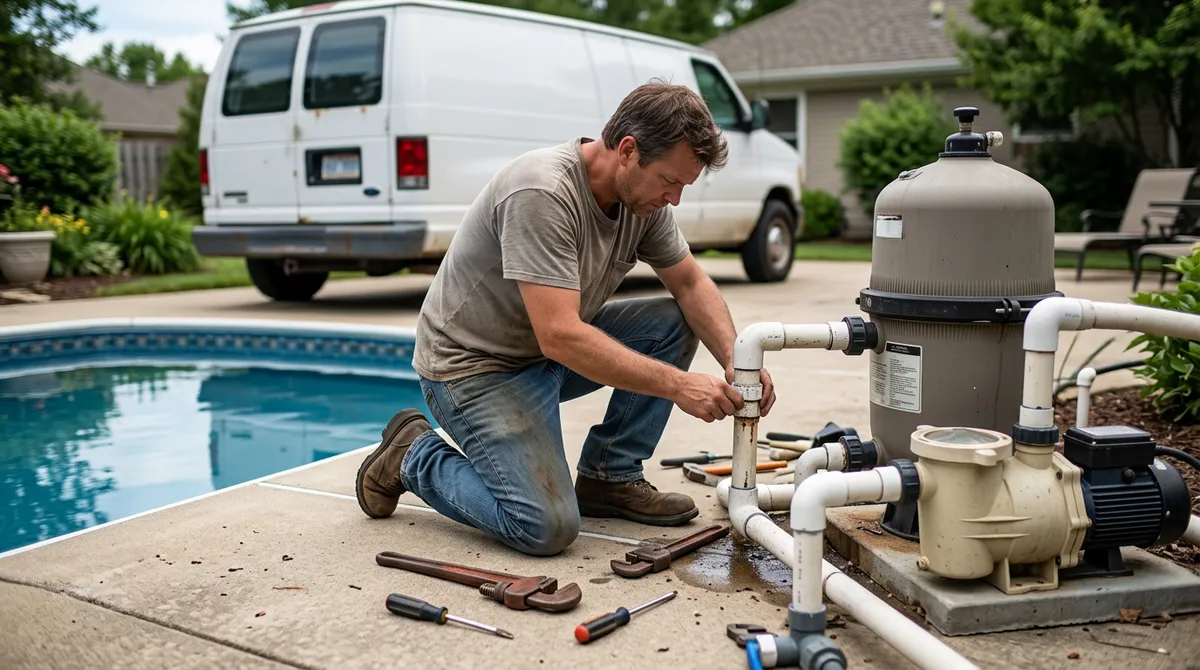
We totally understand the DIY spirit. It’s exciting to think you can fix things yourself and save some money. But pool equipment repairs are a different story. Pumps, filters, heaters, and automation systems are complex. One wrong move can turn a simple repair into a full replacement.
Here’s why DIY pool repairs often backfire:
- Electrical risks: Pool pumps and heaters involve electrical components near water — a dangerous combination without proper training.
- Voiding warranties: Many equipment warranties become void if a non-licensed technician performs repairs.
- Misdiagnosis: Without the right tools, it’s easy to fix the wrong thing and miss the real problem.
- Costlier fixes later: A quick DIY patch can mask deeper issues that grow into expensive problems over time.
Licensed, insured pool technicians have the training and tools to diagnose problems correctly the first time. Organizations like IPSSA support professional standards in the pool service industry, ensuring technicians are properly trained and equipped to handle repairs safely.
Mistake 3: Hiring an Unlicensed Repair Service
Not all pool repair services are created equal. When you search for pool equipment repair near me, you’ll find many options — but not all of them are trustworthy. Hiring an unlicensed or uninsured technician is a risk you don’t want to take.
Here’s what can go wrong with unqualified technicians:
- Poor-quality repairs that fail again quickly
- No warranty or guarantee on the work performed
- Liability issues if something goes wrong on your property
- No accountability if the technician damages your equipment further
Always ask for proof of licensing, insurance, and certifications before letting anyone touch your pool equipment. Reputable companies stand behind their work with workmanship warranties — often covering at least one year on labor and parts. When you work with a trusted pool cleaning service in Tampa, you get peace of mind that the job will be done right.
Mistake 4: Skipping Regular Equipment Inspections
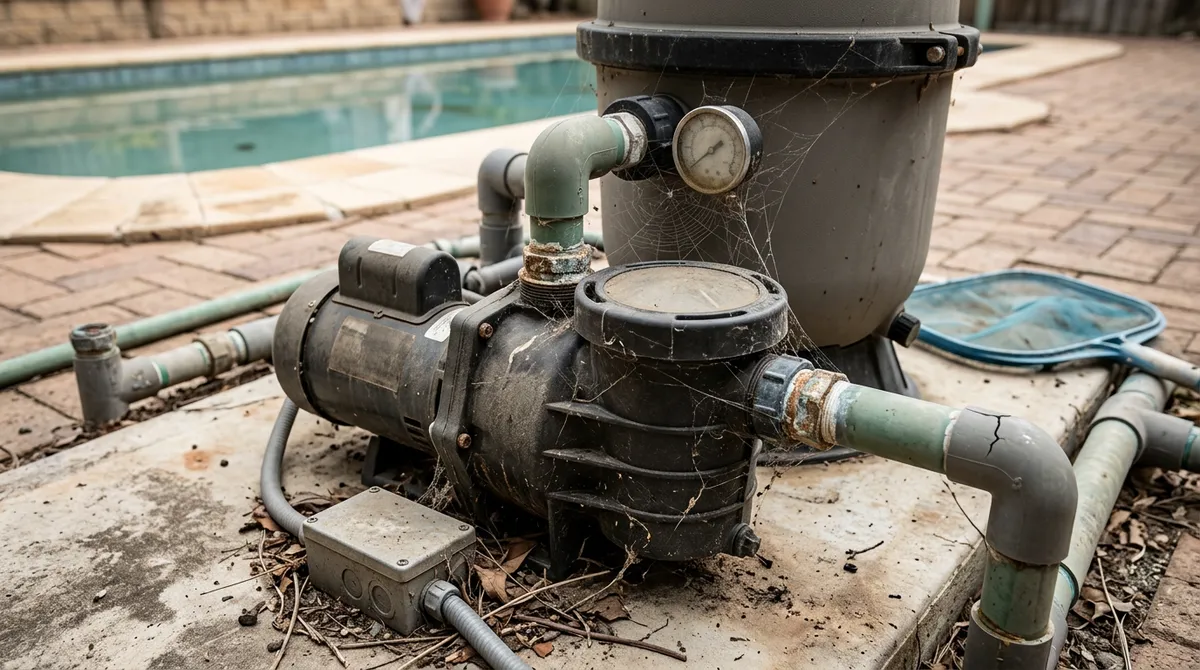
Think of your pool equipment like your car. You wouldn’t skip oil changes and tire rotations and then wonder why your engine fails, right? The same logic applies to pool pumps, filters, heaters, and automation systems. Regular inspections catch small problems before they become big ones.
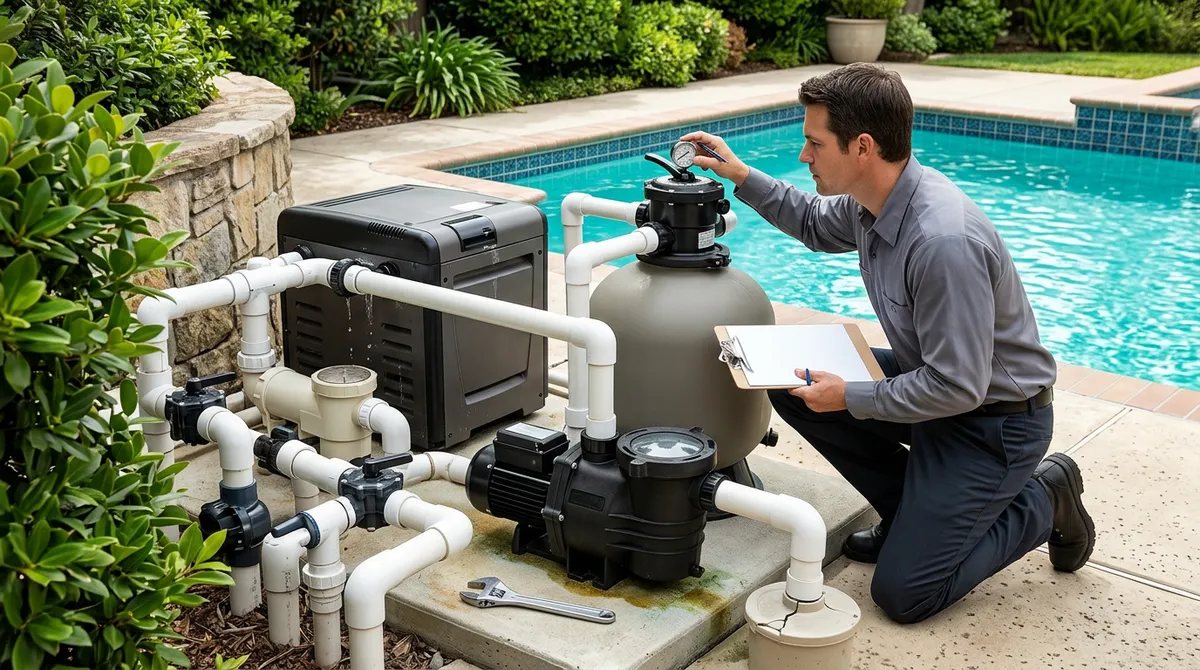
Here’s what a professional pool equipment inspection typically covers:
| Equipment Component | What Gets Inspected | Why It Matters |
|---|---|---|
| Pool Pump | Motor function, seals, basket condition | Prevents overheating and water loss |
| Filter System | Pressure levels, backwash function, media condition | Ensures water stays clean and clear |
| Pool Heater | Ignition, heat output, connections | Keeps water at comfortable temperatures |
| Automation System | Controls, timers, sensors, wiring | Allows proper scheduling and energy savings |
| Pool Motor | Bearings, capacitors, electrical connections | Extends motor lifespan significantly |
Scheduling routine inspections with a reliable local provider means you’ll always know the health of your pool equipment. Many professional pool companies offer detailed inspection reports and customized maintenance plans to keep everything running at peak performance.
Mistake 5: Choosing Price Over Quality
We get it — nobody wants to overpay for repairs. But choosing the cheapest option you find when searching pool equipment repair near me can end up costing you far more in the long run. Low-cost repairs often mean low-quality parts, rushed work, and no follow-up support.
When comparing pool repair services, consider these factors beyond price:
- Experience and credentials: How long has the company been in business? Do they have certified technicians?
- Warranty on repairs: Does the company stand behind their work with a written guarantee?
- Customer reviews: What do other pool owners say about their repair quality and reliability?
- Response time: Can they handle emergency repairs quickly when you need them most?
- Bundled services: Do they also offer maintenance plans that help prevent future breakdowns?
Quality repair services paired with regular maintenance plans actually save you money over time by extending the life of your equipment. The Florida Swimming Pool Association (FSPA) promotes high industry standards and can help you identify qualified professionals in your area.
Mistake 6: Neglecting Pool Maintenance After Repairs
Getting your pool equipment repaired is a win — but it’s only half the battle. Many pool owners make the mistake of thinking their job is done after a repair. Without ongoing maintenance, your freshly repaired equipment can break down again faster than expected.
Here’s what proper post-repair maintenance looks like:
- Keep water chemistry balanced to protect equipment from corrosion
- Clean pump and skimmer baskets regularly to avoid clogs
- Backwash or clean your filter on a consistent schedule
- Monitor equipment for any new noises or changes in performance
- Schedule follow-up professional inspections every few months
A consistent maintenance routine is the best way to protect your repair investment. If you’re in the Tampa area, the team at Panther Pools offers reliable weekly service plans designed to keep your pool and equipment in top shape all year round. Our Certified Pool Operator credential (CPO 648855) means you can trust us with every aspect of your pool’s health.
Mistake 7: Not Having an Emergency Repair Plan
Pool equipment doesn’t wait for a convenient time to break down. Pumps can fail on the hottest weekend of the year. Heaters can stop working right before a big pool party. If you don’t have a go-to repair provider already lined up, you’ll scramble to find help — and that urgency often leads to poor decisions.
Here’s how to set yourself up with a solid emergency repair plan:
- Save your pool service provider’s number: Have it ready in your phone so you’re not searching when things go wrong.
- Know your equipment basics: Understand where your shut-off valves and circuit breakers are located.
- Choose a provider with 7-day support: Pool problems don’t stick to business hours — your service provider shouldn’t either.
- Enroll in a maintenance plan: Regular check-ins make emergency situations far less likely in the first place.
Having a trusted local pool service partner means you’re never left stranded. Whether you need urgent support or routine care, it pays to build a relationship with a company that has your back. You can also check resources like the EPA’s pool water efficiency guidelines to better understand how well-maintained equipment contributes to smarter water use.
The Most Commonly Repaired Pool Equipment
Understanding what typically breaks down can help you stay one step ahead. Here’s a quick look at the most common pool equipment repairs that Tampa homeowners and commercial property managers request:
- Pool pumps and motors: The heart of your circulation system — leaks, seal failures, and motor burnout are common issues.
- Pool filters: Sand, cartridge, and DE filters all require periodic cleaning, media replacement, and valve repairs.
- Pool heaters: Ignition failures, heat exchanger issues, and thermostat problems are the most frequent heater repairs.
- Automation systems: Timers, sensors, and control boards can malfunction and need professional recalibration or replacement.
- Chlorinators and chemical feeders: These components wear down over time and need regular inspection and part replacements.
If you’re in the Tampa area and need help with any of these, exploring options for pool maintenance in West Chase or Westchase pool service can connect you with experienced technicians who know Tampa pools inside and out.
Signs Your Pool Filter Specifically Needs Repair
Since filter issues are among the most common calls we get, here’s a quick reference table to help you identify when your filter needs professional attention:
| Warning Sign | Possible Cause | Recommended Action |
|---|---|---|
| Cloudy water after cleaning | Worn filter media or broken laterals | Schedule a professional filter inspection |
| High pressure gauge reading | Clogged filter or restricted flow | Backwash or clean the filter immediately |
| Low pressure gauge reading | Pump issues or air leak in the system | Have a technician inspect pump and plumbing |
| Visible cracks in filter tank | Age, pressure stress, or freeze damage | Repair or replace the filter tank |
| Sand or DE particles in pool | Broken internal components | Immediate professional repair needed |
Make Smart Choices for Your Pool Equipment
Your pool is an investment worth protecting. By avoiding these seven common mistakes, you’ll save money, extend the life of your equipment, and enjoy a cleaner, safer pool every single day. The key is being proactive — catching problems early, hiring qualified professionals, and committing to regular maintenance after repairs are done.
Whether you’re a busy Tampa family, a luxury homeowner, or a commercial property manager keeping a facility pool operational, the right pool service partner makes all the difference. Don’t wait until something breaks down completely to take action.
Ready to stop guessing and start enjoying your pool worry-free? Reach out to the Panther Pools team today for a free estimate and discover how our 7-day support and expert pool equipment care can keep your pool running beautifully all year long.
FAQs
Q: What are the most common pool equipment repairs needed?
A: The most common repairs involve pool pumps, motors, filters, heaters, and automation systems. These components work hard every day, so it’s totally normal for them to need some TLC over time — catching issues early makes repairs much simpler and more affordable!
Q: How do I know when my pool pump needs professional repair?
A: Watch for warning signs like unusual grinding noises, weak water flow, visible leaks around the pump, or unexpectedly high energy bills. If you notice any of these, it’s a great idea to call a licensed pool technician before the problem gets bigger.
Q: Can I get a free pool equipment inspection near me in Tampa?
A: Yes! Many professional pool service companies, including Panther Pools in Tampa, offer free estimates and inspections. It’s a fantastic way to understand the health of your equipment without any commitment or cost upfront.
Q: What should I look for when hiring a pool equipment repair service?
A: Always look for licensed, insured technicians with strong customer reviews and a warranty on their work. A company that offers 7-day availability is a huge bonus, especially for those unexpected breakdowns that never happen at convenient times!
Q: Does regular pool maintenance help prevent equipment repairs?
A: Absolutely! Consistent maintenance — like balancing water chemistry, cleaning baskets, and scheduling professional inspections — dramatically reduces the chance of major equipment failures. Think of it as giving your pool a little love regularly so it keeps giving back all season long.