
Key Takeaways
-
A professional pool acid wash restores 70-80% of a pool’s original brightness by using diluted muriatic acid to strip away stubborn stains, algae, calcium deposits, and mineral buildup from pool surfaces.
-
Only acid wash when regular brushing and chemical treatments fail to remove persistent stains; most residential pools need this service every 3-5 years, not more frequently, to avoid wearing down the plaster surface.
-
Two methods exist: traditional drain-and-wash (most thorough for severe staining, takes 1-2 days) and no-drain acid wash (less invasive for mild staining, takes 3 days but risks surface etching if mismanaged).
-
Never DIY pool acid washing due to serious safety hazards including hydrostatic pressure risks that can crack the pool shell, chemical burns from corrosive muriatic acid, and Tampa’s strict wastewater disposal regulations.
-
The professional process involves eight steps: pre-treatment with TSP, draining, mixing acid solution (typically 1:1 ratio), sectional application, scrubbing, rinsing, neutralizing with soda ash, and refilling with balanced chemistry.
-
Schedule acid washing during winter months when pool use is lower, and maintain regular weekly pool cleaning to extend the time between treatments and prevent severe buildup that requires restoration.
Picture this: you pull back the pool cover, ready for swim season, and your once-sparkling pool looks like a swamp. Green algae, stubborn stains, and dingy plaster have taken over. Sound familiar? You’re not alone — Tampa pool owners deal with this more often than you’d think, especially after a rainy Florida season. The good news? A pool acid wash can bring your pool back to life.
Whether you’re a busy parent trying to get the backyard ready for the kids, a luxury homeowner protecting your investment, or a commercial property manager keeping facilities up to standard, understanding pool acid washing is genuinely useful knowledge. It’s one of the most powerful deep-cleaning tools in the pool care world — and when done right, it delivers jaw-dropping results. Let’s walk through everything you need to know, from what it is to when you need it and how it works.
1. What Is a Pool Acid Wash?
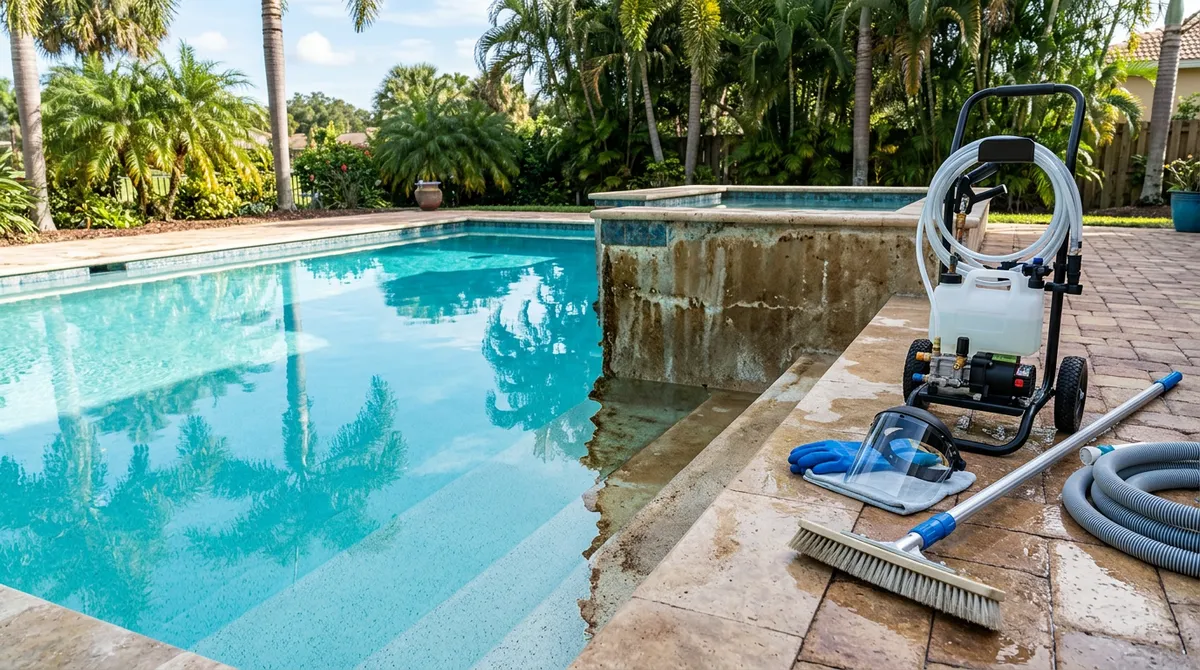
A pool acid wash is a deep-cleaning process that uses a diluted muriatic acid solution to strip away stubborn stains, algae, calcium deposits, and mineral buildup from pool surfaces. Think of it as hitting the reset button on your pool’s plaster or concrete shell. The acid gently etches away a thin layer of the surface, revealing the cleaner material underneath.
This isn’t your average weekly brush-and-vacuum routine. It’s a serious, intentional treatment reserved for pools that have seen better days. The IPSSA (Independent Pool & Spa Service Association) recognizes acid washing as a key restorative maintenance technique used by trained pool professionals.
2. When Does Your Pool Actually Need One?
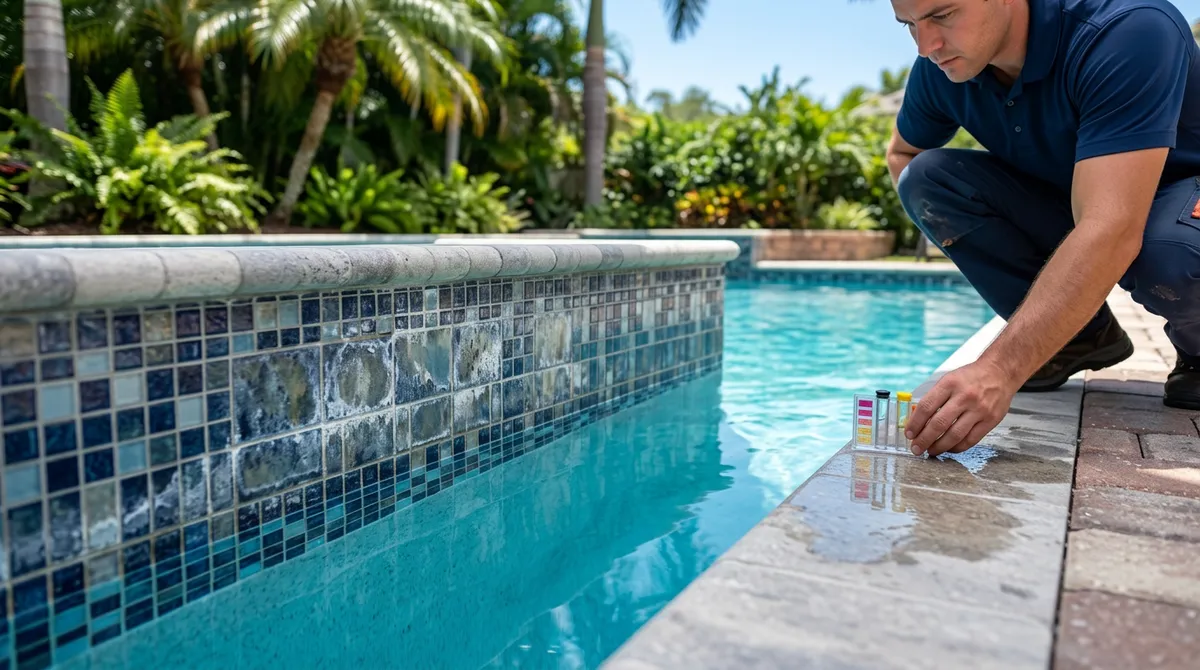
Not every dirty pool needs an acid wash. Regular cleaning and chemical balancing can handle most maintenance issues. But there are specific situations where an acid wash becomes necessary:
- Algae stains that won’t go away with normal brushing or shocking
- Dark, brown, or black staining on the pool walls and floor
- Calcium scale buildup that makes the surface feel rough
- Mineral deposits from hard Tampa water leaving white, chalky marks
- The pool was left unattended or closed improperly for a long period
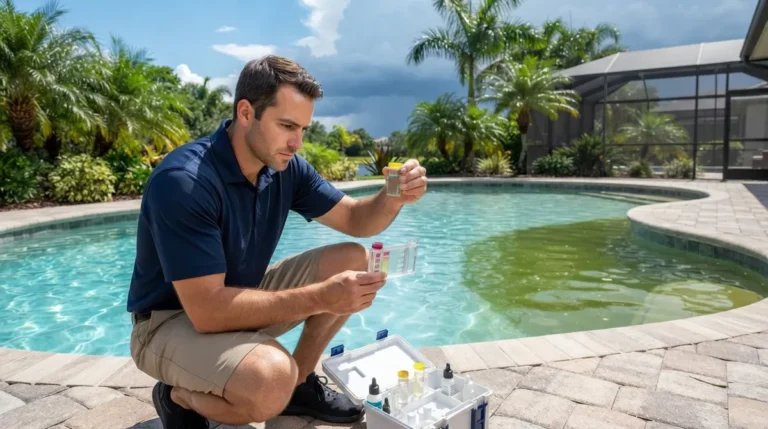
- The water turned completely green and stayed that way despite treatments
A good rule of thumb: if regular brushing and chemical treatments aren’t budging the stains, it’s time to consider an acid wash. Many Tampa pool owners schedule this service during winter months when pool use is lower, making it the perfect off-season refresh.
3. The Two Types of Pool Acid Washing
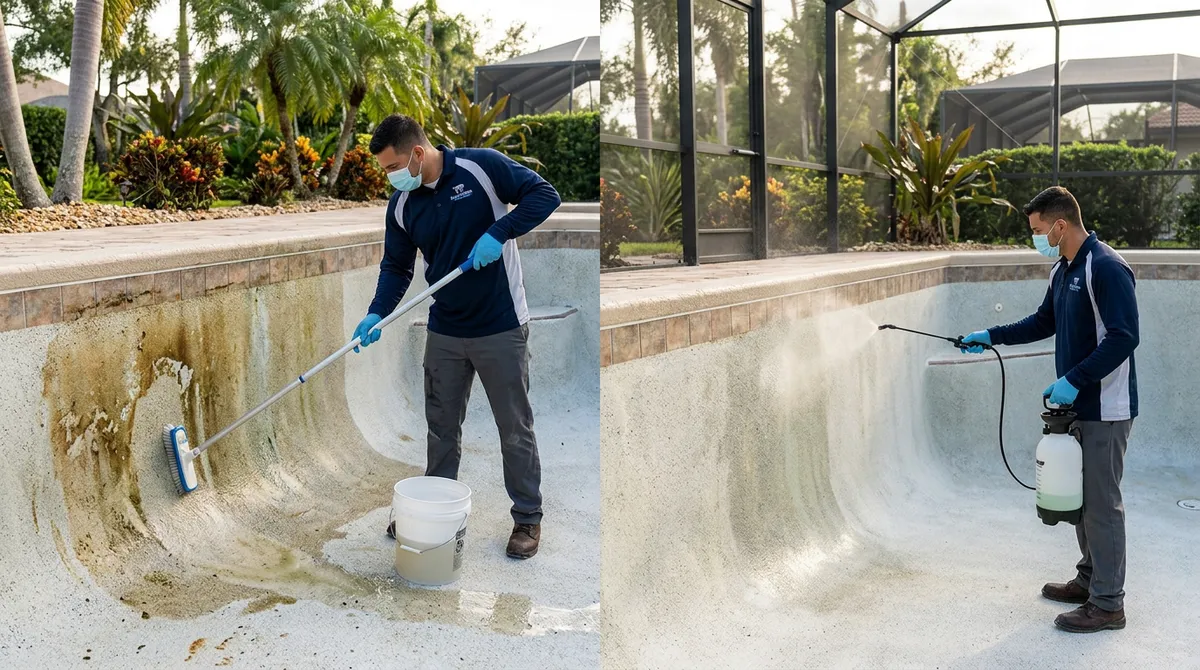
Here’s something many pool owners don’t realize — there are actually two ways to acid wash a pool. Each has its place depending on the severity of the problem:
Traditional Drain-and-Wash Method
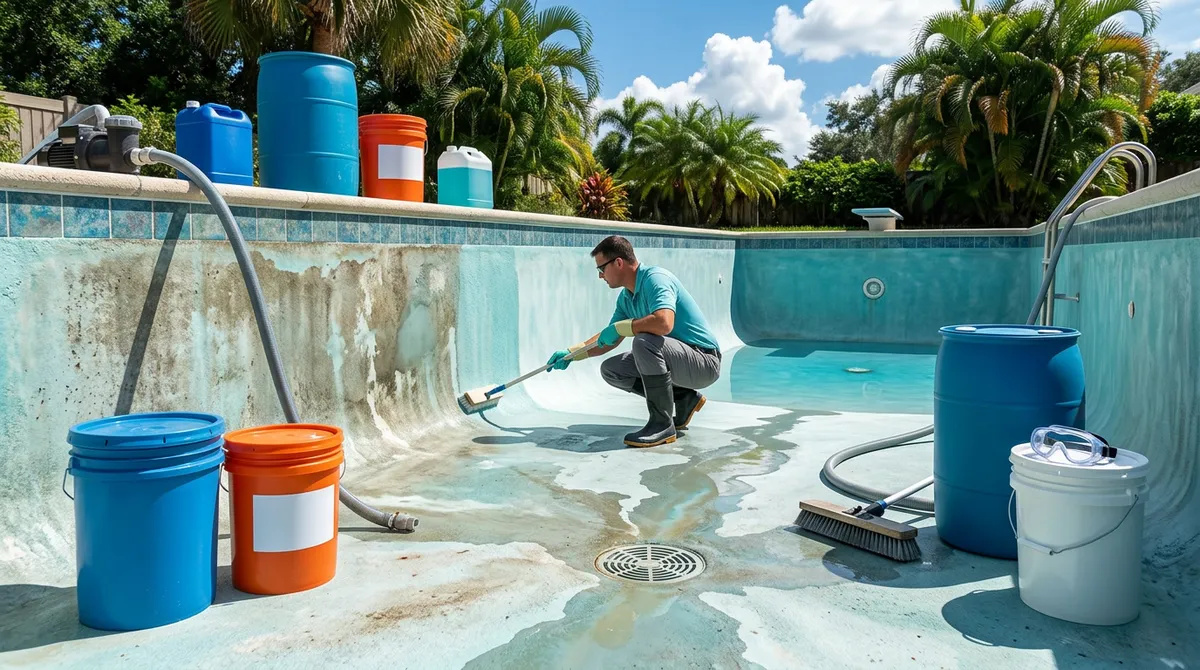
This is the most common and thorough approach. The pool is fully drained, the acid solution is applied directly to the exposed plaster surface, scrubbed in sections, rinsed, and then neutralized. It gives professionals the most control and delivers the deepest clean.
No-Drain Acid Wash Method
This option keeps the water in the pool but lowers the pH to around 1.0 and alkalinity near zero for about three full days. Daily scrubbing with a steel brush helps loosen buildup. It’s less invasive but carries a risk of surface etching if not managed carefully. It works best for mild to moderate staining.
| Method | Best For | Pool Draining Required | Duration |
|---|---|---|---|
| Traditional Drain-and-Wash | Severe staining, heavy algae, calcium buildup | Yes | 1–2 days |
| No-Drain Acid Wash | Mild to moderate staining | No | 3 days |
4. The Step-by-Step Process (What the Pros Actually Do)
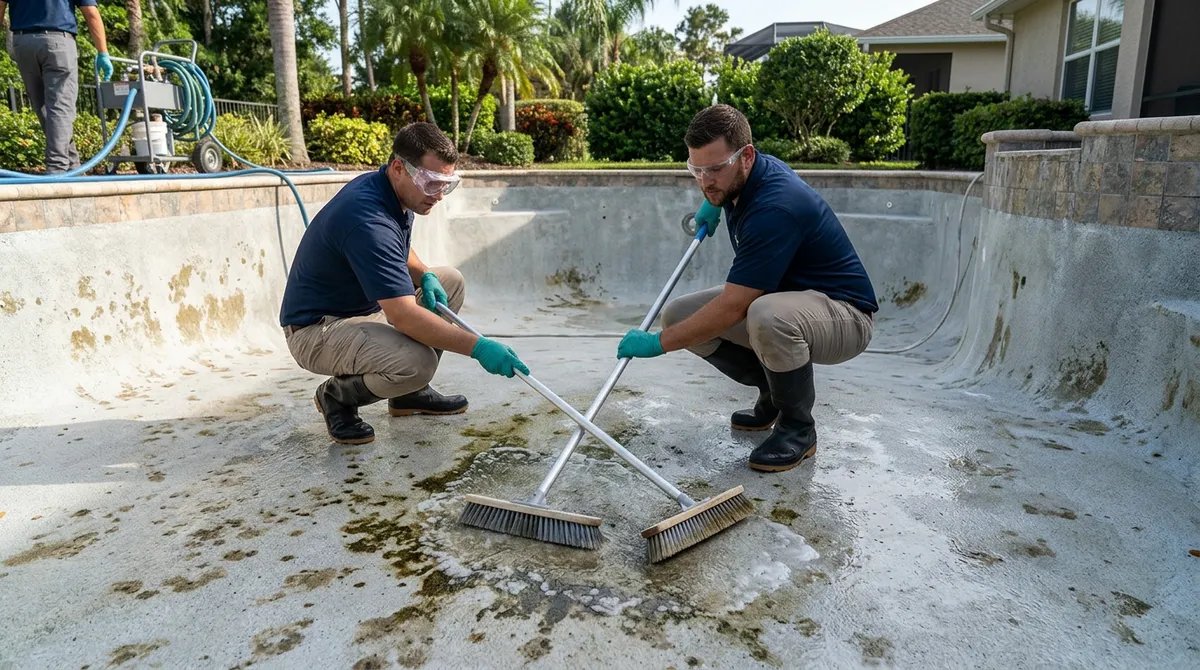
Ever wonder what happens during a professional pool acid wash? Here’s a clear breakdown of the traditional method, step by step:
- Pre-Treatment: The pool surface is pre-cleaned with a TSP (trisodium phosphate) solution to remove oils and loose debris before the acid is applied.
- Draining the Pool: The pool is fully drained following local wastewater disposal regulations. Tampa has specific guidelines on how drained pool water must be handled.
- Mixing the Solution: Professionals mix muriatic acid with water. A standard ratio is 1:1 for general use, or 75% acid to 25% water for heavy calcium deposits.
- Sectional Application: Starting from the deep end, the solution is applied in sections to prevent it from drying on the surface before it can be scrubbed.
- Scrubbing: Each section is vigorously scrubbed to work the acid into the stains and deposits.
- Rinsing: Sections are thoroughly rinsed with water immediately after scrubbing.
- Neutralizing: Soda ash or TSP is used to neutralize the acid. Typically 2–3 oz per gallon of rinse water is used to safely raise the pH before disposal.
- Refilling and Balancing: The pool is refilled and water chemistry is carefully balanced to protect the freshly treated surface.
- Protective Sealant (Optional): Some professionals apply a sealant post-wash to extend the results and protect the surface.
5. What Kind of Results Can You Expect?
Here’s the exciting part — the results are genuinely impressive. A professional pool acid wash restores approximately 70–80% of a pool’s original brightness. That means a pool that looked completely hopeless can look almost brand new after the process.
Imagine pulling off a years-old layer of grime to reveal bright, white plaster underneath. For luxury homeowners in Tampa, this can make a dramatic difference in how your outdoor space looks and feels. For commercial property managers, it signals to guests and residents that you take facility maintenance seriously.
For more information on water-efficient pool management, the EPA’s pool water efficiency resources offer helpful guidance on responsible water use during pool draining and refilling.
6. Why You Should Never DIY a Pool Acid Wash
We totally get the DIY spirit — especially for new homeowners who love tackling projects themselves. But pool acid washing is one area where calling in the pros is really the right call. Here’s why:
- Hydrostatic pressure risks: Draining a pool incorrectly can cause it to literally float out of the ground due to underground water pressure. This can crack or destroy the pool shell entirely.
- Chemical safety: Muriatic acid is highly corrosive. Without proper protective gear and training, exposure can cause serious burns and respiratory harm.
- Precise ratios matter: Too strong a mix and you damage the plaster permanently. Too weak and you don’t get results.
- Wastewater regulations: Tampa has local disposal rules for acidic pool water. Improper disposal can result in fines.
- Surface damage risks: Over-etching the plaster shortens the lifespan of your pool surface significantly.
The Florida Swimming Pool Association (FSPA) strongly recommends using licensed, trained professionals for acid washing to ensure both safety and quality results.
7. How Often Should You Acid Wash Your Pool?
Acid washing is not a routine maintenance task — it’s a restorative one. Because it removes a thin layer of plaster each time, doing it too frequently can actually wear down your pool’s surface over years. Here are some general guidelines:
- Most residential pools benefit from an acid wash every 3–5 years
- Commercial pools with heavy usage may need it more frequently
- Never acid wash a pool more than once per year
- Regular weekly maintenance dramatically reduces how often acid washing is needed
The best way to stretch the time between acid washes? Stay on top of regular pool cleaning. Professional pool cleaning services in Tampa keep your pool balanced and clean week after week, preventing the kind of buildup that makes acid washing necessary in the first place.
8. The Chemicals Involved in Pool Acid Washing
Understanding what goes into a pool acid wash helps you appreciate why professional handling is so important. Here’s a quick breakdown of the key chemicals used:
| Chemical | Purpose | Typical Amount Used |
|---|---|---|
| Muriatic Acid | Dissolves stains, algae, calcium, and mineral deposits | 1:1 ratio with water (standard) |
| TSP (Trisodium Phosphate) | Pre-treatment to remove oils; also used for neutralization | 2–3 oz per gallon of water |
| Soda Ash | Neutralizes acid post-wash; also used in no-drain method | 8 lbs per 5,000 gallons (no-drain) |
After refilling, water chemistry must be carefully rebalanced — pH, alkalinity, calcium hardness, and sanitizer levels all need to be dialed in to protect the freshly washed surface and keep swimmers safe.
9. Choosing the Right Pool Service for an Acid Wash in Tampa
Not all pool cleaning companies offer acid washing — and even fewer do it with the care and precision the job demands. When choosing a service provider in Tampa, look for a company with certified technicians, a proven track record, and a genuine commitment to protecting your pool.
Panther Pools is Tampa’s trusted, family-owned pool cleaning company with a Certified Pool Operator credential (CPO 648855) and seven-days-a-week customer support. Whether you need a one-time deep clean or ongoing pool maintenance in West Chase or beyond, our team shows up on time, treats your pool like it’s our own, and never rushes the job.
From Westchase pool service to commercial facility care, we’ve helped hundreds of Tampa pool owners go from green and grimy to clean and gleaming. We offer free estimates, so there’s zero risk in reaching out to find out what your pool needs. Get in touch with our team today and let’s talk about what a professional pool acid wash can do for your backyard oasis.
Wrapping It Up: Give Your Pool the Refresh It Deserves
A pool acid wash is one of the most transformative services in the pool care world. It tackles the stains, scale, and algae that ordinary cleaning simply can’t touch — and it restores your pool’s surface to a level of brightness that feels almost magical.
For Tampa families, retirees enjoying their backyard retreats, young homeowners protecting their investment, and commercial managers maintaining top-notch facilities, an acid wash at the right time can extend your pool’s life and dramatically improve how it looks and feels.
The key takeaway? Keep up with regular maintenance to reduce how often you need it, and always trust a licensed professional when the time comes. Your pool — and everyone who swims in it — will thank you. Learn more about Panther Pools and how we’ve been keeping Tampa pools sparkling clean, season after season.
FAQs
Q: What is a pool acid wash and when do I need one?
A: A pool acid wash is a deep-cleaning treatment that uses diluted muriatic acid to remove stubborn stains, algae, calcium scale, and mineral deposits from pool surfaces. You need one when regular brushing and chemical treatments aren’t cutting it — think persistent green algae stains, dark discoloration, or a pool that was neglected for an extended period. It’s the pool care equivalent of a total refresh!
Q: Is it safe to acid wash my pool myself?
A: We strongly recommend leaving this one to the professionals! Muriatic acid is highly corrosive and requires proper safety gear, training, and precise mixing ratios. Draining your pool incorrectly can also cause serious structural damage due to hydrostatic pressure. A certified pool professional has the tools and experience to do it safely and effectively.
Q: How often should I acid wash my swimming pool?
A: For most residential pools, acid washing every 3–5 years is a healthy cadence. Since the process removes a thin layer of plaster each time, doing it too frequently can wear down your pool’s surface over time. The best way to push that interval out further? Stay on top of regular weekly pool maintenance!
Q: What is the difference between a drain and a no-drain pool acid wash?
A: A traditional drain-and-wash involves fully emptying the pool, applying the acid directly to the surface in sections, scrubbing, rinsing, and neutralizing. A no-drain acid wash keeps the water in place but lowers the pH drastically for about three days while you scrub daily with a steel brush. The drain method is more thorough for severe staining, while the no-drain approach is gentler and better for milder cases.
Q: Will an acid wash damage my pool plaster?
A: When done correctly by a trained professional, an acid wash removes only a thin outer layer of plaster — leaving the surface brighter and cleaner. In fact, it restores about 70–80% of a pool’s original brightness! The key is using the right acid concentration and not repeating the process too frequently, which is exactly why professional handling matters so much.