
Key Takeaways
-
Address early warning signs immediately—ignoring pool heater problems like inconsistent temperatures, unusual noises, or gas odors leads to expensive emergency repairs that could have been prevented with timely professional inspection.
-
Never attempt DIY repairs on gas or electrical pool heater systems; improper work risks electrocution, gas leaks, carbon monoxide poisoning, voids warranties, and costs more to fix mistakes than hiring professionals initially.
-
Avoid the cheapest repair quotes; unqualified contractors lack proper licensing, insurance, and use low-quality parts, often costing you hundreds more in additional repairs than investing in reputable certified services upfront.
-
Schedule annual preventive maintenance before heating season begins; routine inspections and filter cleaning prevent 80% of common heater problems and cost significantly less than emergency repairs.
-
Use only OEM or premium aftermarket parts from authorized distributors; generic parts void warranties, fail prematurely, and create safety hazards, requiring you to pay for the same repair multiple times.
-
Consider heater replacement over expensive repairs if your unit is over 10 years old; new high-efficiency models use 50-80% less energy and often prove more cost-effective long-term than major repairs.
When your pool heater stops working in Tampa, the temptation to fix it yourself or hire the cheapest repair service can be strong. However, these shortcuts often lead to bigger problems and higher costs down the road. Understanding common pool heater repair mistakes helps you avoid unnecessary expenses and keeps your pool comfortable year-round. Whether you’re dealing with a gas heater that won’t ignite or a heat pump that’s making strange noises, knowing what not to do is just as important as knowing the right steps to take.
Tampa’s climate makes pool heaters essential for extending your swimming season, especially during cooler months. A properly functioning heater means you can enjoy your pool from late fall through early spring without shivering. Yet many homeowners make critical errors when their heater malfunctions, turning a simple repair into a major headache. This guide walks you through the most common mistakes people make when searching for pool heater repair solutions and shows you how to avoid them.
Ignoring Early Warning Signs That Need Professional Attention
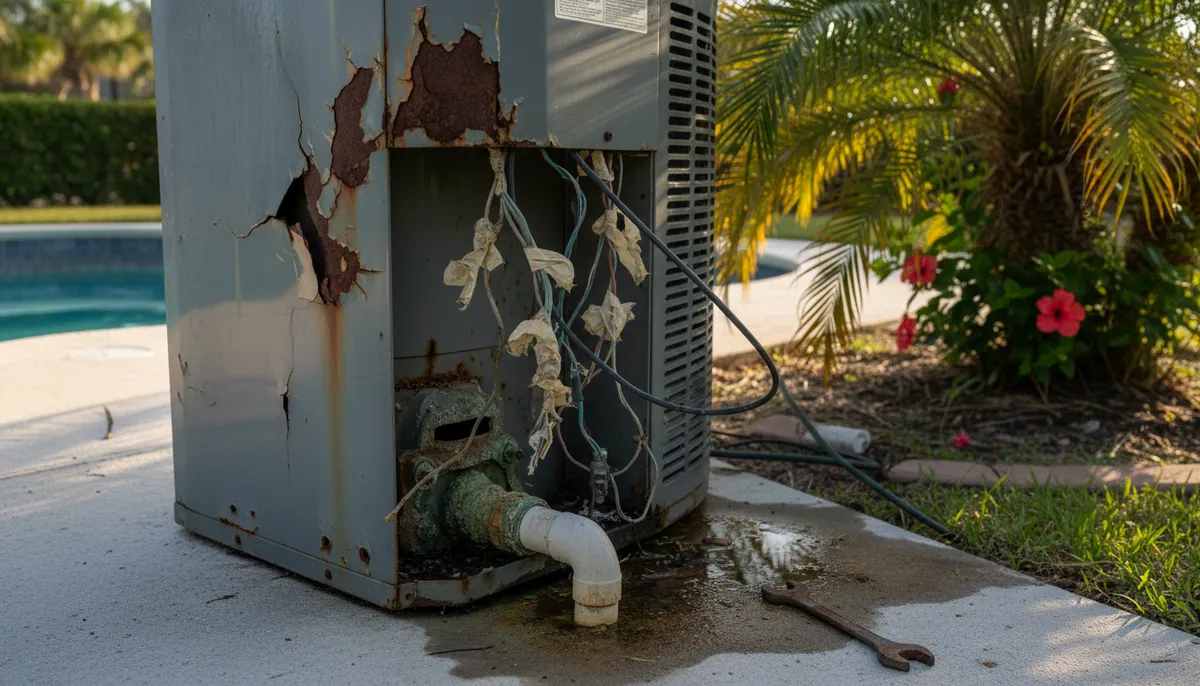
One of the biggest mistakes Tampa pool owners make is dismissing early warning signs that their heater needs professional repair. Your pool heater communicates problems through subtle changes in performance, and ignoring these signals only makes repairs more expensive later. When you notice your pool takes longer to heat up or the temperature fluctuations seem more dramatic than usual, these are red flags that shouldn’t be overlooked.
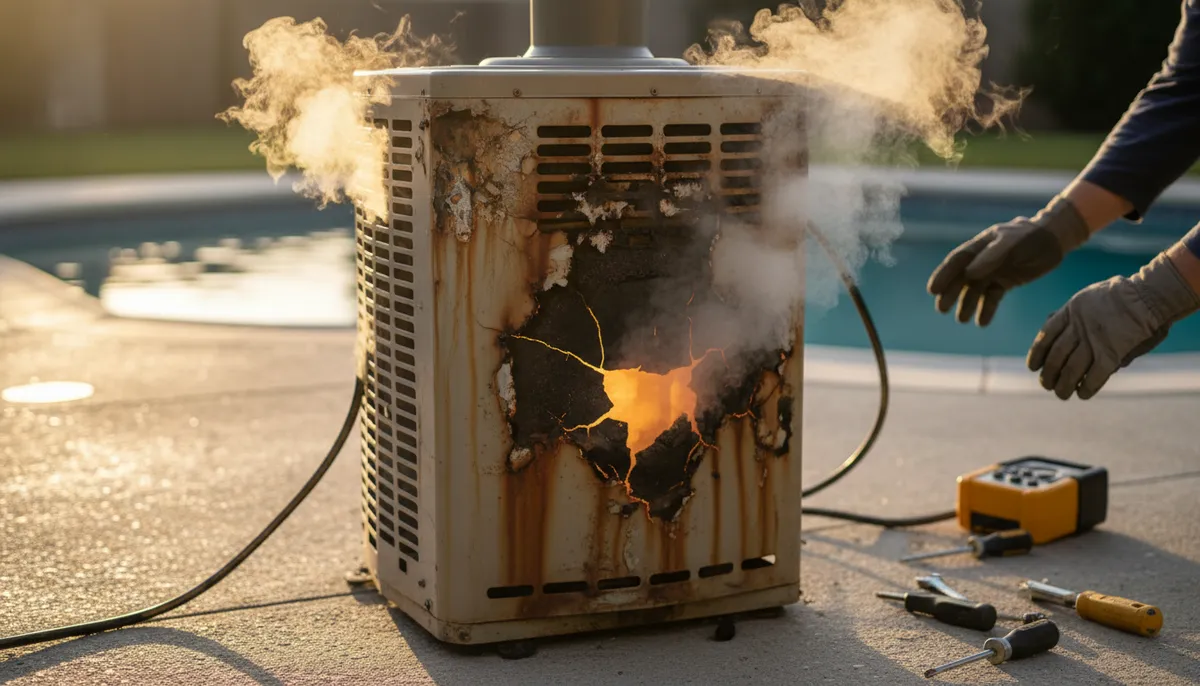
Strange noises coming from your heater deserve immediate attention. Rattling, whistling, or grinding sounds indicate mechanical issues that will worsen over time. Similarly, if you smell gas around your heater or notice rust and corrosion on the unit, these are serious safety concerns. Panther Pools technicians report that many emergency repairs could have been prevented if homeowners had addressed minor issues when they first appeared.
Here are common warning signs you should never ignore:
- Inconsistent water temperatures or failure to reach desired heat
- Unusual sounds like banging, popping, or continuous clicking
- Visible rust, corrosion, or water leaks around the unit
- Gas odors or chemical smells near the heater
- Frequent pilot light outages or ignition failures
- Higher than normal energy bills without increased usage
Many homeowners also make the mistake of continuing to operate a malfunctioning heater, hoping the problem will resolve itself. This approach can damage other pool equipment and create unsafe conditions. Instead of waiting for a complete breakdown, schedule an inspection at the first sign of trouble. Professional technicians can diagnose issues before they escalate, saving you significant money and preventing potential safety hazards.
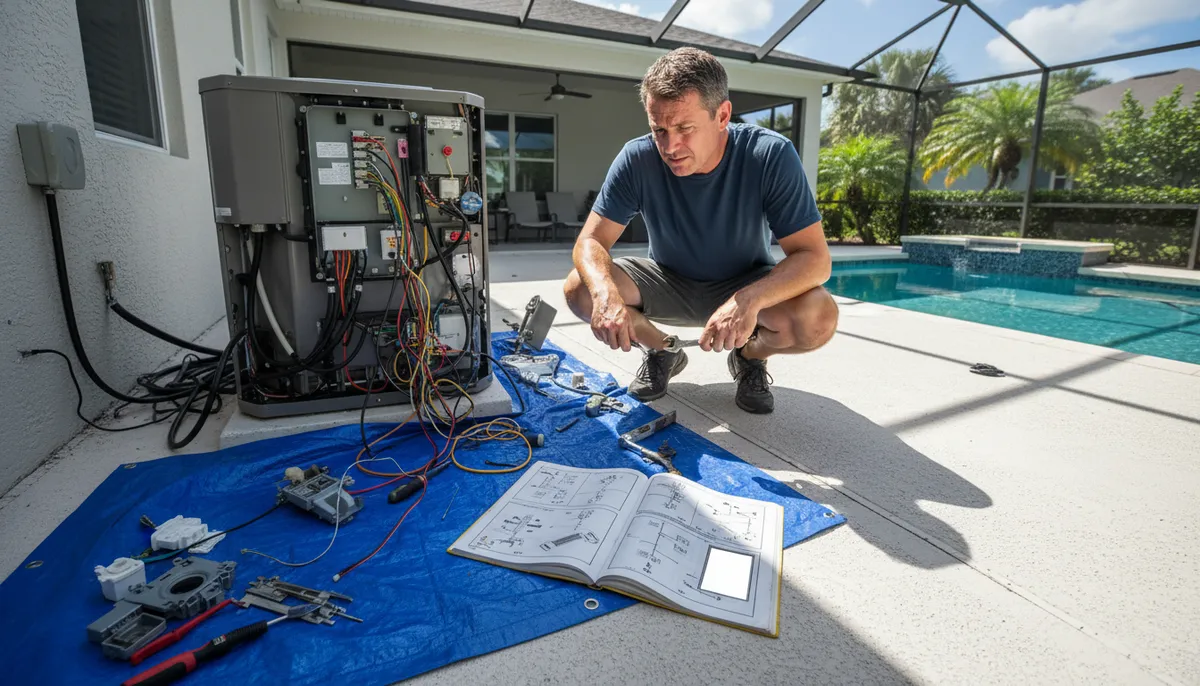
Attempting Complex DIY Repairs Without Proper Knowledge
YouTube tutorials and online forums make pool heater repair seem simple, but this is a dangerous misconception. Gas pool heaters involve combustible fuel, electrical components, and pressurized systems that require specialized knowledge and tools. Attempting repairs without proper training puts your safety at risk and can void your manufacturer’s warranty. Even seemingly straightforward tasks like replacing a pressure switch or adjusting the gas valve can create serious problems when done incorrectly.
Electrical issues present particular dangers for DIY enthusiasts. Pool heaters operate on 220-volt circuits, which can cause severe injury or death if handled improperly. Many Tampa homeowners have accidentally created electrical shorts or damaged circuit boards while trying to save money on repairs. Additionally, improper gas line work can lead to leaks, carbon monoxide poisoning, or even explosions. These risks far outweigh any potential savings from doing repairs yourself.
Consider these three numbered reasons why DIY pool heater repair usually backfires:
- You lack the diagnostic equipment to identify the actual problem, often replacing parts that aren’t broken while missing the real issue
- Mistakes during repair frequently cause additional damage that costs more to fix than the original problem
- Your homeowner’s insurance may not cover damages or injuries resulting from unauthorized repairs on gas or electrical systems
Professional technicians spend years learning proper repair procedures and stay current with safety regulations. They carry liability insurance and use calibrated tools to ensure accurate repairs. When you need pool heater repair, trusting qualified professionals protects your investment and your family’s safety. The EPA recommends using certified professionals for all pool equipment repairs to ensure compliance with safety standards.
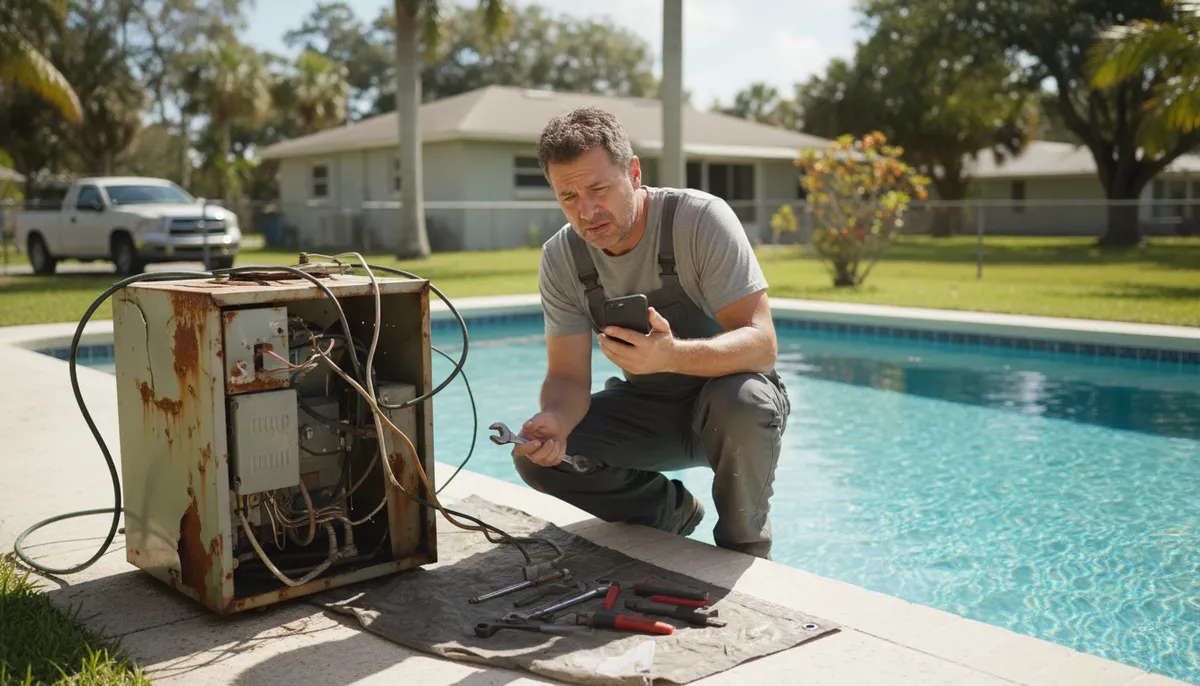
Choosing the Cheapest Service Without Research
Price shopping for pool heater repair often leads Tampa homeowners to unlicensed or inexperienced contractors who create more problems than they solve. While budget considerations matter, the cheapest quote rarely represents the best value. Low-ball estimates frequently hide additional fees, use substandard parts, or come from technicians who lack proper certification and insurance. You might save fifty dollars upfront only to spend hundreds more fixing mistakes or replacing your heater entirely.
Reputable pool service companies like Panther Pools’ Tampa services invest in ongoing training, proper licensing, and quality parts that ensure lasting repairs. They also carry comprehensive insurance to protect your property if something goes wrong. Uninsured contractors leave you liable for any damages or injuries that occur during repairs. Before hiring anyone for pool heater repair, verify their credentials, read customer reviews, and confirm they carry both liability and worker’s compensation insurance.
This table compares what you get from qualified versus unqualified repair services:
| Service Aspect | Qualified Professional | Unqualified Contractor |
|---|---|---|
| Licensing & Certification | State-licensed with industry certifications | Often unlicensed or expired credentials |
| Insurance Coverage | Full liability and worker’s comp | No insurance or minimal coverage |
| Parts Quality | OEM or premium aftermarket parts | Cheap generic parts that fail quickly |
| Warranty | Labor and parts warranty included | No warranty or unenforceable guarantees |
| Diagnostic Accuracy | Professional tools and experience | Guesswork and trial-and-error |
Another mistake is failing to get written estimates before work begins. Verbal quotes mean nothing when the final bill arrives significantly higher. Always request detailed written estimates that break down labor, parts, and any potential additional costs. Legitimate companies provide transparent pricing and explain exactly what repairs your heater needs and why.
Red Flags When Evaluating Repair Companies
Learning to spot warning signs helps you avoid disreputable contractors. If a company pressures you to make immediate decisions or uses scare tactics about your heater’s condition, walk away. Trustworthy professionals give you time to consider options and explain repairs in clear terms without creating false urgency. Be wary of contractors who only accept cash payment or require full payment upfront before starting work.
Check for these red flags when researching pool heater repair services:
- No physical business address or only a P.O. box listed
- Unwilling to provide references or proof of insurance
- Negative patterns in online reviews mentioning incomplete work or overcharging
- Unmarked vehicles and no company uniforms or identification
- Pushy sales tactics or unusually high-pressure closing techniques
- Inability to explain what’s wrong with your heater in understandable terms
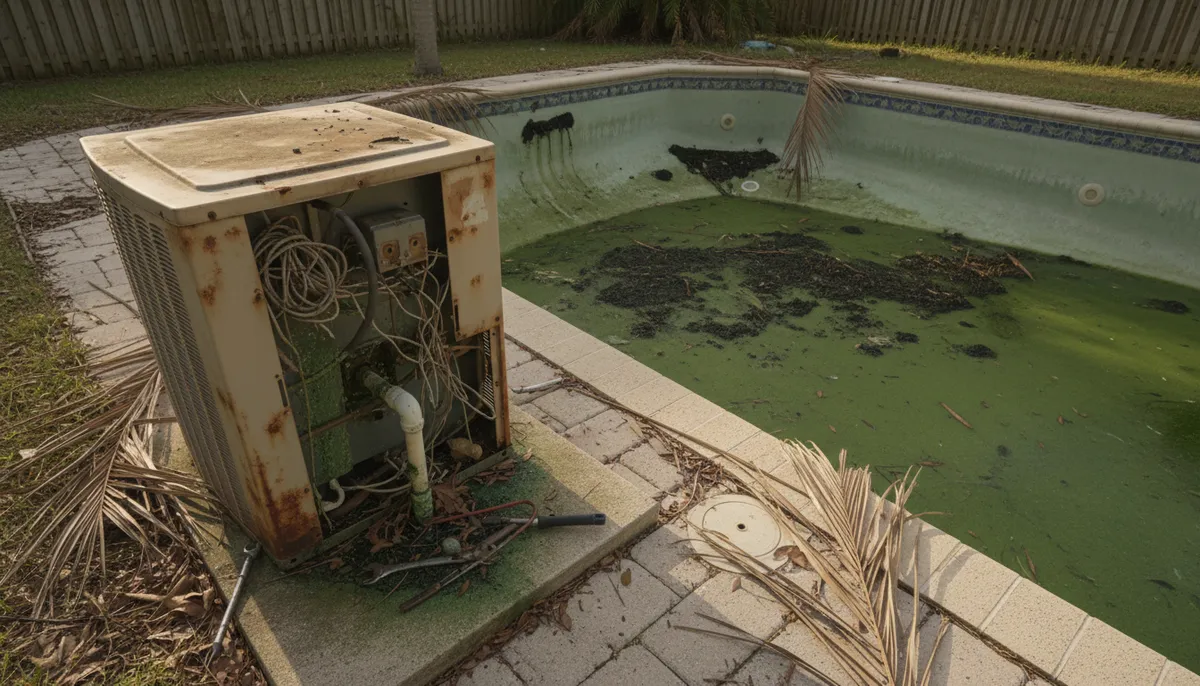
Neglecting Regular Maintenance That Prevents Major Repairs
The most expensive pool heater repair mistake is skipping routine maintenance altogether. Most heater breakdowns result from neglected upkeep rather than manufacturing defects or normal wear. Tampa’s water chemistry, humidity, and salt air create harsh conditions for pool equipment, making regular service essential. Simple maintenance tasks like cleaning filters, checking gas connections, and testing safety controls prevent 80% of common heater problems.
Many homeowners only call for service when their heater completely fails, which typically happens at the worst possible time. Preventive maintenance costs a fraction of emergency repairs and extends your heater’s lifespan by years. Professional technicians catch small issues during routine service before they become major problems. They also optimize your heater’s efficiency, which reduces energy costs and improves performance.
Here’s a numbered list of maintenance tasks that prevent costly repairs:
- Schedule annual professional inspections before the heating season begins
- Clean or replace filters monthly during heavy use periods
- Monitor and maintain proper water chemistry to prevent scale buildup
- Clear debris from around the heater unit to ensure proper ventilation
- Test thermostat accuracy and recalibrate if readings seem incorrect
Professional maintenance programs provide peace of mind and protect your investment. Companies offering comprehensive service plans include heater inspections as part of regular pool maintenance in West Chase and throughout Tampa. These programs catch problems early when repairs are simpler and less expensive. They also create service records that help technicians track your equipment’s history and predict potential issues.
Using Incorrect or Low-Quality Replacement Parts
When repairs become necessary, using wrong or cheap parts is a costly mistake. Pool heaters are precision machines where each component must meet specific standards. Generic or counterfeit parts might fit physically but fail to function properly or create safety hazards. They also void manufacturer warranties and often fail prematurely, requiring you to pay for the same repair twice.
Original Equipment Manufacturer (OEM) parts ensure compatibility and reliability. They’re designed specifically for your heater model and meet strict quality standards. While aftermarket parts cost less initially, they rarely match OEM quality or longevity. Professional repair services source genuine parts through authorized distributors and guarantee their work, giving you protection that cheap parts can’t provide.
Consider these critical differences between quality and cheap replacement parts:
- OEM parts maintain manufacturer warranties while generic parts void them
- Quality components undergo rigorous testing; cheap parts may have hidden defects
- Genuine parts include proper documentation and installation instructions
- Premium parts often come with their own warranties protecting against defects
Some homeowners order parts online and ask technicians to install them, thinking this saves money. However, reputable companies won’t install customer-supplied parts because they can’t warranty the repair. If those parts fail, you’ll pay for another service call and new parts anyway. Technicians also can’t verify that online parts are genuine or compatible, potentially creating liability issues.
Understanding Part Compatibility and Specifications
Pool heaters from different manufacturers use unique components that aren’t interchangeable. Even similar-looking parts may have different specifications for voltage, pressure ratings, or BTU capacity. Installing incorrect parts can damage your heater or create dangerous conditions. Professional technicians reference manufacturer specifications and part numbers to ensure perfect compatibility.
This table shows why part specifications matter:
| Component Type | Why Specs Matter | Risk of Wrong Part |
|---|---|---|
| Pressure Switch | Must match flow rate and PSI | Heater won’t ignite or runs unsafely |
| Gas Valve | Calibrated for specific BTU output | Incomplete combustion or gas leaks |
| Thermostat | Temperature range and accuracy | Overheating or failure to heat |
| Ignition System | Voltage and spark gap specifications | Failed ignition or electrical damage |
Delaying Repairs Until the Problem Becomes Critical
Procrastination is expensive when it comes to pool heater repair. What starts as a minor issue requiring a simple adjustment can quickly escalate into complete system failure. Tampa homeowners often delay repairs thinking they’ll save money, but the opposite occurs. Small problems stress other components, creating a domino effect that damages multiple parts instead of just one.
Temperature in Tampa remains mild much of the year, making it tempting to simply avoid using your pool when the heater malfunctions. However, letting a broken heater sit idle doesn’t prevent further deterioration. Corrosion continues, seals dry out, and internal components degrade whether the unit runs or not. When you finally address the problem, repairs cost significantly more than they would have initially.
These three numbered consequences result from delaying necessary repairs:
- Minor issues cascade into major failures that require complete heater replacement instead of simple repairs
- Your heater warranty expires while you postpone service, eliminating coverage for repairs that would have been free
- Safety hazards develop silently, potentially creating dangerous gas leaks or electrical problems that put your family at risk
Emergency repairs also cost more than scheduled service. When your heater fails completely during a cold snap, you’ll pay premium rates for urgent service. Many companies charge extra for emergency calls, weekend visits, or after-hours repairs. Planning ahead and addressing problems promptly keeps costs reasonable and ensures your pool remains comfortable when you want to use it.
Failing to Consider Energy Efficiency During Repairs
When repairing an older pool heater, many homeowners miss opportunities to improve energy efficiency. Older gas heaters waste substantial energy compared to modern high-efficiency models. If your heater needs major repairs and is over ten years old, replacement might be more cost-effective than fixing it. New heaters use less energy, heat faster, and include better controls that reduce operating costs.
Heat pumps represent another efficient option for Tampa’s climate. They cost more upfront but use 50-80% less energy than gas heaters over their lifetime. During repairs, discuss with your technician whether upgrading makes financial sense. Sometimes spending a bit more for a new efficient heater saves thousands in energy costs over the next decade. The Florida Swimming Pool Association provides resources on energy-efficient pool equipment options.
Consider these factors when evaluating repair versus replacement:
- Age of your current heater and expected remaining lifespan
- Cost of proposed repairs compared to new equipment prices
- Current energy consumption versus newer model efficiency ratings
- Frequency of recent repairs and likelihood of future problems
- Available utility rebates or tax incentives for efficient equipment
- Your long-term plans for the property and pool usage patterns
Professional technicians from services like Westchase Pool Service can calculate your current operating costs and compare them to upgraded equipment. They consider factors like your pool size, desired temperature, and typical usage to recommend the most economical solution. Sometimes repair makes perfect sense, while other situations clearly favor replacement.
Understanding Your Heater’s True Operating Costs
Many Tampa homeowners don’t realize how much their pool heater costs to operate monthly. Gas heaters can consume $200-400 in fuel during peak winter usage, while older inefficient models cost even more. Tracking these expenses helps you make informed decisions about repairs versus upgrades. Request an energy audit from your pool service provider to understand your actual costs.
Modern digital controls also improve efficiency by maintaining precise temperatures and reducing energy waste. Upgrading your control system during repairs often pays for itself through lower utility bills. Smart thermostats learn your usage patterns and automatically adjust heating schedules to minimize costs while keeping your pool ready when you need it.
Overlooking Water Chemistry’s Impact on Heater Longevity
Poor water chemistry silently destroys pool heaters, causing corrosion and scale buildup that leads to expensive repairs. Many homeowners focus solely on mechanical problems while ignoring the water conditions that created them. Imbalanced pH, high calcium hardness, and improper chlorine levels accelerate heater deterioration. Addressing these issues prevents recurring problems that keep bringing your repair technician back.
Scale buildup inside heat exchangers acts like insulation, forcing your heater to work harder and consume more energy. It also restricts water flow and creates hot spots that damage internal components. Regular water testing and chemical balancing prevent scale formation and extend your heater’s life by years. Professional pool services include water chemistry management as part of comprehensive maintenance programs.
This table shows how water chemistry affects heater health:
| Water Condition | Ideal Range | Problem if Incorrect |
|---|---|---|
| pH Level | 7.4 – 7.6 | Corrosion (low pH) or scaling (high pH) |
| Total Alkalinity | 80 – 120 ppm | pH instability and surface damage |
| Calcium Hardness | 200 – 400 ppm | Scale buildup or equipment corrosion |
| Free Chlorine | 1 – 3 ppm | Algae growth or chemical damage |
Salt chlorine generators create additional concerns for heaters. The higher salt content in these systems accelerates corrosion of metal components, especially in heat exchangers. Special maintenance procedures and compatible materials are essential for heaters used with salt systems. Inform your repair technician if you use a salt system, as this affects which parts and procedures they should use.
Not Documenting Repairs and Maintenance History
Failing to keep records of heater repairs and maintenance costs you money and creates frustration. When a new technician services your equipment, they need to know what work was done previously, which parts were replaced, and what problems occurred. Without this history, they may repeat unnecessary diagnostics or miss patterns that indicate underlying issues. Good documentation also helps you track expenses and identify when repair costs exceed replacement value.
Warranty claims require proof of proper maintenance and qualified repairs. If your heater fails and you can’t document regular service, manufacturers may deny warranty coverage. Keep receipts, service reports, and notes about any issues you’ve noticed. Create a simple folder or digital file where you store all pool equipment documentation, including owner’s manuals, warranty information, and service records.
Professional pool service companies maintain detailed records for their clients, providing another benefit of ongoing maintenance contracts. They track every service visit, parts replaced, and observations about your equipment’s condition. This information proves invaluable when making repair versus replacement decisions or filing warranty claims. The Independent Pool and Spa Service Association recommends keeping comprehensive maintenance logs for all pool equipment.
Maintaining Your Pool Heater for Long-Term Performance
Avoiding these common mistakes protects your investment and ensures your pool remains comfortable throughout Tampa’s extended swimming season. Smart pool owners recognize that prevention costs far less than emergency repairs and that qualified professionals provide value that outweighs their fees. Regular maintenance, prompt attention to problems, and quality repairs extend your heater’s life and improve its performance.
Your pool heater represents a significant investment in your home’s comfort and value. Treating it with proper care and respect prevents most problems that lead to costly repairs. When issues do arise, responding quickly with qualified professional help minimizes damage and expense. Understanding what not to do is just as important as knowing the right steps to take.
Tampa’s climate allows year-round pool enjoyment, but only if your equipment works reliably. Don’t let common mistakes rob you of comfortable swimming or drain your wallet with preventable repairs. Whether you need routine maintenance, emergency service, or expert advice about your pool heating system, professional help is available. Contact Panther Pools today for reliable pool heater service that keeps your water perfectly comfortable all year long. Our certified technicians provide honest assessments, quality repairs, and ongoing support that Tampa families trust for their pool care needs.
FAQs
Q: How often should I have my pool heater professionally serviced?
A: You should schedule professional pool heater maintenance at least once annually, ideally before the heating season begins. Regular service catches small problems early and keeps your heater running efficiently. For homes with heavy pool usage or older equipment, consider twice-yearly inspections to prevent unexpected breakdowns.
Q: What are the signs my pool heater needs immediate repair?
A: Call for immediate pool heater repair if you smell gas, see visible flames outside the unit, notice water leaking around the heater, or hear loud banging or grinding noises. These symptoms indicate serious problems that could damage your equipment or create safety hazards. Don’t delay when you notice these warning signs.
Q: Can I repair my own pool heater to save money?
A: Pool heater repair involves gas lines, electrical systems, and pressurized water components that require professional expertise. DIY repairs often cause additional damage, void warranties, and create safety risks. The money you think you’re saving quickly disappears when mistakes require more expensive professional corrections.
Q: How do I know if I should repair or replace my pool heater?
A: Consider replacement when repair costs exceed 50% of a new heater’s price, your unit is over 10-12 years old, or you’re experiencing frequent breakdowns. A qualified technician can evaluate your heater’s condition and compare repair costs to new equipment, factoring in energy efficiency improvements that reduce operating expenses.
Q: Why does my pool heater keep breaking down after repairs?
A: Recurring breakdowns usually result from incorrect diagnosis, poor quality parts, improper installation, or underlying water chemistry problems. Working with experienced professionals who use quality parts and address root causes prevents this frustrating cycle. Poor water balance also damages heaters repeatedly if not corrected.