
Key Takeaways
-
Pool resurfacing costs in Tampa typically range from $6,000 to $15,000 for a standard 1,000 square foot pool, with the material type being a major price driver.
-
Pool size directly impacts resurfacing costs, with prices varying from $320 for small plunge pools to over $15,000 for larger resort-style pools.
-
Different pool finishes dramatically affect pricing: plaster is cheapest at $6-$8 per square foot, while premium tile options can cost up to $30 per square foot.
-
Labor and installation time significantly influence total project cost, with professional resurfacing taking 5-7 days and requiring a 28-day curing period.
-
The pool’s current condition and needed repairs can substantially increase resurfacing expenses, making a professional inspection crucial before starting the project.
-
Geographic location and local market rates in Tampa impact pricing, with factors like labor availability and seasonal demand affecting overall project costs.
If you’ve noticed cracks, stains, or rough patches in your pool, it’s time to think about resurfacing. Pool resurfacing breathes new life into your swimming area, making it safer and more beautiful. But what does it really cost? In 2026, homeowners across Tampa are discovering that pool resurfacing involves more than just picking a finish—it’s about understanding what drives the price and making smart choices for your backyard oasis.
Most Tampa families spend between $6,000 and $15,000 to resurface their pools, with the average landing around $11,000 for a standard 1,000 square foot pool. That’s a significant investment, but one that protects your pool for another decade or more. The final price tag depends on several key factors, from the materials you choose to the size of your pool and the condition of its underlying structure.
Whether you’re a busy parent wanting a safe pool for the kids or a retiree enjoying your golden years poolside, understanding these costs helps you budget wisely. Let’s dive into the seven main factors that influence pool resurfacing costs so you can make an informed decision about your Tampa pool.
1. Pool Size and Surface Area
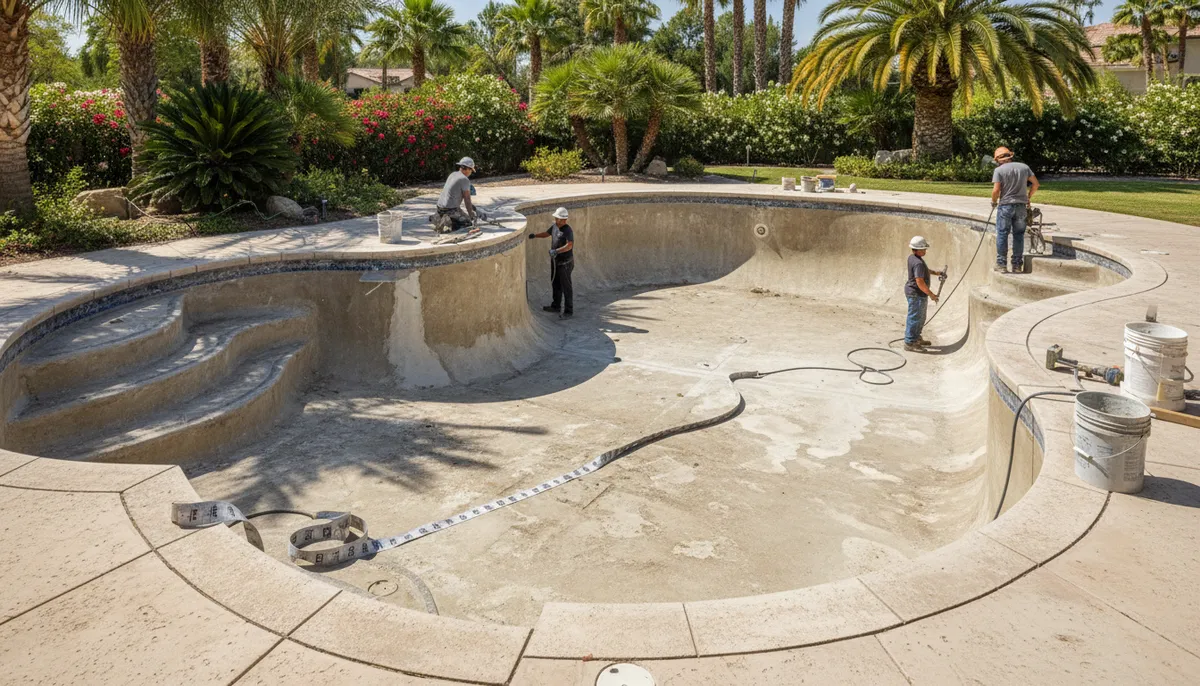
The size of your pool is the biggest factor in determining resurfacing costs. It’s simple math—more square footage means more materials and more labor hours. A small 6-by-8 foot plunge pool might only cost around $320 to resurface, while a family-sized 12-by-20 foot pool jumps to approximately $1,600 for basic resurfacing.
Most residential pools in Tampa fall into the 400 to 1,200 square foot range. If you have a standard 1,000 square foot pool, you’re looking at costs between $6,000 and $15,000 depending on the finish you select. Larger resort-style pools or commercial properties naturally cost more due to the increased surface area that needs treatment.
Before getting quotes, measure your pool’s dimensions or have a professional do it. Understanding your exact square footage helps you compare estimates accurately and avoid surprises. Remember that irregular shapes with curves, steps, and beach entries require more detailed work, which can add to the total cost even if the overall square footage seems manageable.
2. Type of Pool Finish Material
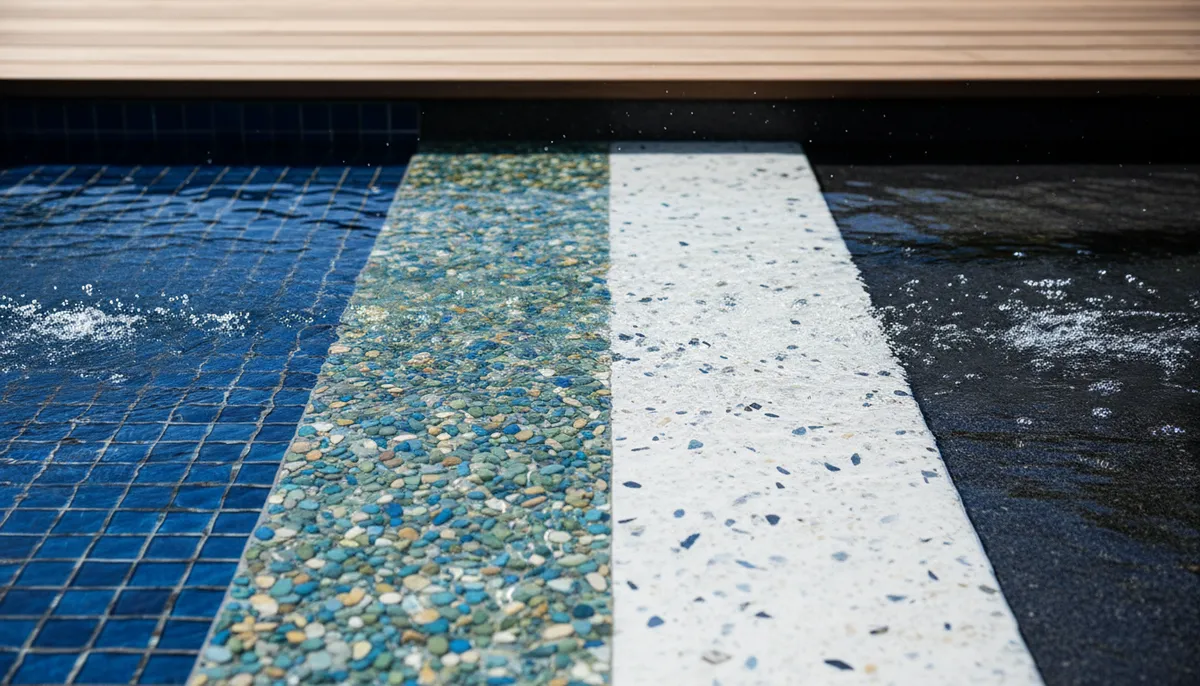
The material you choose for your pool surface dramatically impacts both the upfront cost and long-term value. In 2026, pool owners have several popular options, each with distinct price points and benefits.
Plaster Finishes
Traditional white plaster remains the most affordable option at $6 to $8 per square foot. For a 1,000 square foot pool, that’s $6,000 to $8,000 total. Plaster gives you that classic pool look and lasts about 10 to 15 years with proper maintenance. It’s smooth, proven, and ideal if you’re working with a tighter budget. However, it can stain over time and may require more frequent attention than premium finishes.
Aggregate Finishes
Quartz plaster and pebble finishes cost more but deliver enhanced durability and aesthetic appeal. Quartz plaster typically runs $7,000 to $10,000 for an average pool. These finishes resist staining better than basic plaster and come in various colors to customize your pool’s appearance. Pebble finishes create a natural, textured look that many Tampa homeowners love for their backyard retreats.
Tile and Premium Options
Glass tile and ceramic tile represent the high end of pool finishes, costing up to $30,000 per 1,000 square feet. While expensive, tile offers unmatched beauty, longevity, and stain resistance. Some homeowners choose tile for the waterline and steps while using plaster or aggregate for the main pool surface—a cost-effective way to add elegance without breaking the budget.
3. Labor Costs and Installation Time
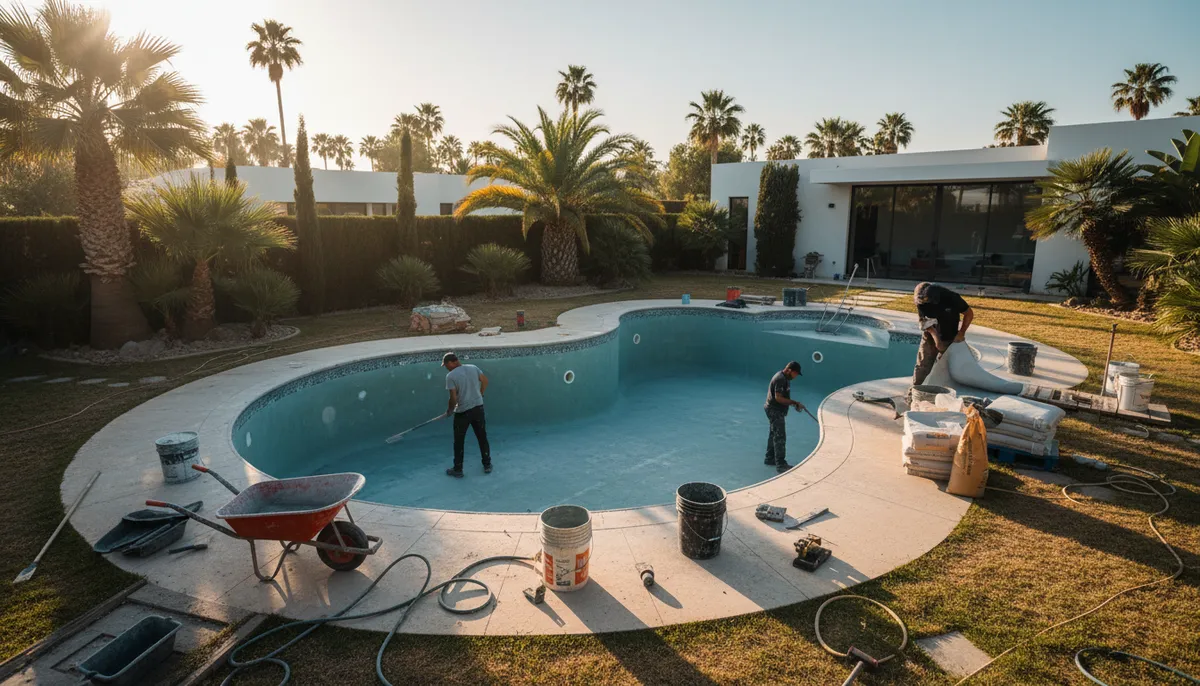
Professional pool resurfacing requires skilled technicians who understand proper surface preparation, material application, and curing processes. In Tampa, labor rates typically range from $45 to $65 per hour. The total labor cost depends on your pool’s complexity and the finish you’ve selected.
A standard resurfacing project takes 5 to 7 days from start to finish, though you’ll need to wait an additional 28 days for proper curing before using your pool. During this time, workers drain your pool, repair any structural issues, prepare the surface, apply the new finish, and refill the pool. This timeline affects labor costs—more complex finishes like pebble or tile require additional hours compared to basic plaster.
Experienced crews work efficiently while maintaining quality standards. Some companies, like Panther Pools, bring years of expertise to every project, ensuring your resurfacing job is done right the first time. Professional installation protects your investment and prevents costly repairs down the road caused by improper application.
4. Current Pool Condition and Repairs
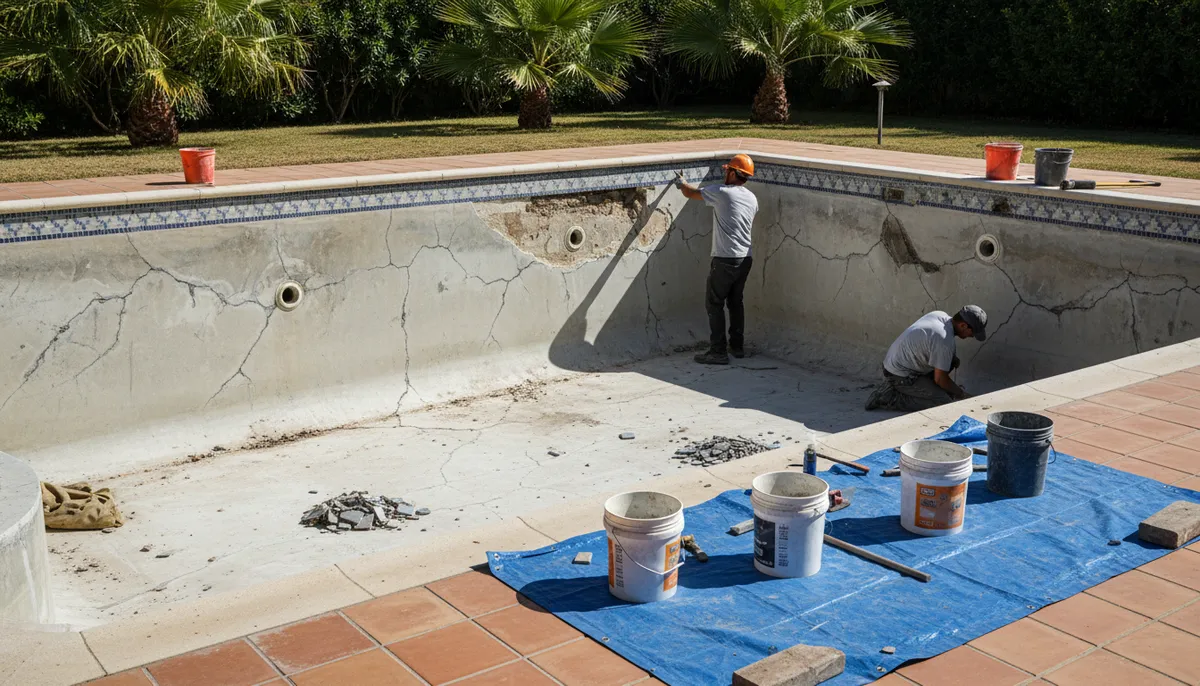
Before applying a new surface, technicians must address any underlying structural problems. If your pool has significant cracks, leaks, or damaged plumbing, these repairs add to your total cost. Think of it like painting a house—you can’t just slap new paint over rotting wood and expect good results.
Common repairs that affect resurfacing costs include:
- Crack repair and structural reinforcement
- Plumbing fixes for leaking pipes or fittings
- Tile replacement around the waterline
- Coping repair or replacement
- Drain and return fitting updates
- Pool deck repairs if damage extends beyond the pool shell
A thorough inspection before resurfacing helps identify these issues early. Most reputable companies provide free estimates that include a condition assessment. This upfront evaluation prevents mid-project surprises and helps you budget accurately for both the resurfacing and necessary repairs.
Regular maintenance from professionals familiar with Tampa’s climate, like the team at Panther Pools, can prevent many of these problems from developing in the first place. Catching small issues early saves money compared to major repairs during resurfacing.
5. Pool Type and Construction Method
Different pool types require different resurfacing approaches and costs. Understanding your pool’s construction helps you anticipate what’s involved in the resurfacing process.
Concrete and Gunite Pools
These are the most common residential pools requiring resurfacing every 10 to 15 years. The average cost for concrete pool resurfacing runs $8,000 to $10,000. Concrete pools offer flexibility in finish choices—you can use plaster, aggregate, or tile depending on your preferences and budget. The concrete shell provides a solid foundation for any surface material.
Fiberglass Pools
Fiberglass pools require a different approach. Full fiberglass resurfacing averages $6,500 per 1,000 square feet, while gel coat and painted topcoat repairs cost $1,000 to $1,200. Fiberglass surfaces generally last longer between resurfacing compared to concrete, but when they do need work, specialized skills and materials are required.
Vinyl Liner Pools
Technically, vinyl pools don’t get “resurfaced”—they get new liners installed. Vinyl liner replacement costs $3,000 to $7,500 and needs doing every 5 to 15 years depending on liner quality and maintenance. While cheaper than concrete resurfacing, vinyl liners require more frequent replacement, so factor lifetime costs into your decision if you’re considering a pool purchase.
6. Geographic Location and Local Market Rates
Where you live significantly impacts pool resurfacing costs. Tampa’s unique market conditions, climate, and labor availability all influence pricing. Florida’s year-round pool season means higher demand for pool services, which can affect scheduling and costs during peak months.
Tampa homeowners benefit from a competitive pool service market with many qualified contractors. However, coastal areas often see slightly higher prices due to increased material costs from humidity and salt exposure. Your specific neighborhood—whether you’re in Westchase, South Tampa, or surrounding communities—might also influence pricing based on travel time and local market dynamics.
Regional factors affecting cost include:
- Local labor rates and availability of skilled technicians
- Material shipping costs and supplier proximity
- Permit requirements and inspection fees
- Seasonal demand fluctuations
- Competition among local contractors
Getting multiple estimates from Tampa-area pool companies helps you understand local market rates. Companies with established reputations and customer bases, such as Panther Pools in Westchase, often provide competitive pricing while maintaining high quality standards that protect your investment.
7. Additional Features and Customizations
Beyond basic resurfacing, many homeowners choose upgrades that enhance their pool’s functionality and appearance. These customizations add to the total project cost but can significantly improve your pool experience and property value.
Popular add-ons include:
- Decorative tile work around the waterline or on steps
- Colored plaster or custom aggregate blends
- Upgraded pool lighting fixtures
- New pool deck resurfacing or resealing
- Waterline tile replacement with designer options
- Slip-resistant finish applications for safety
While these extras increase your upfront cost, they’re often more affordable when done during resurfacing rather than as separate projects later. Coordinating multiple improvements saves on labor and minimizes disruption to your pool enjoyment.
Consider your family’s needs when planning upgrades. Families with young children might prioritize slip-resistant finishes and improved lighting for safety. Homeowners focused on aesthetics might invest in decorative tile work or colored finishes that complement their outdoor living space. Retired adults often appreciate low-maintenance options that reduce future upkeep needs.
Cost Comparison Table for Different Finish Types
| Finish Type | Cost Per Sq. Ft. | Total Cost (1,000 sq. ft. pool) | Lifespan |
|---|---|---|---|
| Basic White Plaster | $6-$8 | $6,000-$8,000 | 10-15 years |
| Quartz Plaster | $7-$10 | $7,000-$10,000 | 12-18 years |
| Pebble Aggregate | $8-$12 | $8,000-$12,000 | 15-20 years |
| Glass Tile | $25-$30 | $25,000-$30,000 | 20-25 years |
| Fiberglass Gel Coat | $6-$7 | $6,000-$7,000 | 15-20 years |
Making Smart Decisions About Pool Resurfacing
Understanding these seven cost factors empowers you to make informed decisions about your pool resurfacing project. Start by assessing your pool’s current condition and determining which issues need immediate attention versus nice-to-have upgrades. Create a realistic budget that accounts for both the resurfacing itself and any necessary repairs.
Get multiple estimates from qualified contractors who provide detailed breakdowns of materials, labor, and additional costs. Don’t automatically choose the cheapest option—quality workmanship matters significantly for a project you’ll live with for the next decade or more. Ask about warranties, previous projects, and customer references. According to the IPSSA, working with certified professionals ensures your project meets industry standards.
Consider the long-term value of your choices. Premium finishes cost more upfront but last longer and require less maintenance over time. Calculate the cost per year of ownership rather than just the initial price. A $10,000 quartz finish lasting 18 years costs less annually than a $6,000 plaster finish lasting 10 years, plus you’ll enjoy better stain resistance and appearance throughout its life.
Maintaining Your Newly Resurfaced Pool
After investing in pool resurfacing, proper maintenance protects your investment and maximizes the lifespan of your new surface. The first 28 days after resurfacing are critical for proper curing. Follow your contractor’s specific instructions regarding water chemistry, brushing, and equipment operation during this period.
Long-term maintenance tips include:
- Maintain balanced water chemistry to prevent staining and etching
- Brush the pool surface weekly to remove debris and prevent buildup
- Address water chemistry issues promptly before they damage the surface
- Keep your filtration system running efficiently
- Schedule regular professional inspections to catch problems early
- Avoid harsh cleaning tools that could scratch or damage the finish
Many Tampa homeowners find that professional pool maintenance services provide peace of mind and better long-term results than DIY efforts. Regular service prevents the chemical imbalances and neglect that lead to premature resurfacing needs. The EPA Pool Resources offers guidance on efficient pool operation that protects both your pool surface and the environment.
When to Schedule Your Resurfacing Project
Timing your resurfacing project strategically can save money and minimize inconvenience. In Tampa, fall and winter months often see lower demand for pool services, which might translate to better pricing and faster scheduling. However, you’ll miss using your pool during cooler months when swimming is still enjoyable in Florida.
Spring scheduling means your pool is ready for peak summer season, but you might face higher prices and longer wait times due to increased demand. Consider your family’s pool usage patterns when deciding. If you primarily swim in summer, winter resurfacing makes sense. If you enjoy year-round swimming, spring or fall might work better despite potentially higher costs.
Watch for signs that resurfacing can’t wait, regardless of season:
- Visible cracks wider than a hairline
- Rough, abrasive surface texture
- Persistent stains that won’t respond to cleaning
- Frequent water chemistry problems
- Water loss indicating leaks in the pool shell
- Exposed underlying concrete or discolored patches
These issues indicate your pool needs immediate attention. Delaying resurfacing when these problems exist can lead to more extensive structural damage and higher repair costs later.
Working with Qualified Pool Professionals
Choosing the right contractor makes all the difference in your resurfacing project’s success. Look for companies with established track records, proper licensing, and insurance coverage. Check online reviews and ask neighbors for recommendations. The FSPA provides resources for finding qualified pool professionals in your area.
A reputable contractor provides a detailed written estimate, explains the resurfacing process clearly, and answers your questions patiently. They should inspect your pool thoroughly before quoting and discuss any potential issues they identify. Red flags include significantly lower prices than competitors, pressure to sign immediately, or vague explanations about materials and processes.
Tampa families trust companies that demonstrate reliability, quality workmanship, and customer service excellence. Established local businesses understand Florida’s unique pool challenges and have experience with the finishes that perform best in our climate. They’re available when you need support and stand behind their work with solid warranties.
Your Pool Deserves the Best Care
Pool resurfacing represents a significant investment in your home and family’s enjoyment. Understanding the seven key factors that influence cost—pool size, finish material, labor, current condition, pool type, location, and customizations—helps you budget accurately and make choices aligned with your needs and goals.
Whether you’re maintaining a family gathering spot, protecting your property value, or simply ensuring safe swimming conditions, quality resurfacing pays dividends for years to come. Take time to research options, get multiple estimates, and choose contractors who prioritize your satisfaction and pool’s long-term health.
Tampa homeowners who invest wisely in pool resurfacing enjoy beautiful, safe pools that enhance their outdoor living experience. With proper planning and professional execution, your resurfaced pool will provide countless hours of enjoyment and memories for your family and friends.
Ready to learn more about protecting your pool investment? The team at Panther Pools brings years of expertise in pool care and maintenance to every Tampa home we serve. Our commitment to quality, reliability, and customer satisfaction has made us a trusted name throughout the area. Get in touch with our team to discuss your pool’s needs and discover how professional care keeps your pool looking and performing its best for years to come.
FAQs
Q: How often does a pool need resurfacing?
A: Most concrete and gunite pools need resurfacing every 10 to 15 years, depending on the finish type and maintenance quality. Plaster finishes typically last 10-12 years, while premium options like quartz or pebble can last 15-20 years. Regular maintenance and balanced water chemistry help maximize your pool surface’s lifespan and delay the need for resurfacing.
Q: Can I use my pool immediately after resurfacing?
A: No, you’ll need to wait about 28 days after resurfacing before using your pool normally. This curing period allows the new surface to properly set and harden. During this time, you’ll follow specific water chemistry guidelines and brushing schedules provided by your contractor. Rushing this process can damage your new surface and void warranties.
Q: What’s the difference between pool resurfacing and pool refinishing?
A: Pool resurfacing involves completely replacing the interior surface of your pool with new material like plaster, aggregate, or tile. Pool refinishing typically refers to repairing or restoring the existing surface without full replacement—such as repainting or patching small areas. Resurfacing is more comprehensive and longer-lasting, while refinishing offers temporary fixes for minor issues.
Q: Is plaster or aggregate finish more cost-effective long-term?
A: Aggregate finishes like quartz or pebble are more cost-effective long-term despite higher upfront costs. They last 15-20 years compared to plaster’s 10-12 years, resist staining better, and require less maintenance. When you calculate cost per year of ownership, aggregate finishes often provide better value and keep your pool looking beautiful longer with less effort.
Q: What factors make pool resurfacing more expensive in my area?
A: Location affects pool resurfacing costs through local labor rates, material availability, and market demand. Tampa homeowners face competitive pricing due to many qualified contractors, but coastal areas see slightly higher costs from humidity and salt exposure. Seasonal demand, permit requirements, and travel time to your neighborhood also influence the final price you’ll pay.