
Key Takeaways
-
Check pool heater warning signs early: strange noises, inconsistent water temperature, and error codes can indicate potential system failures.
-
Perform monthly maintenance checks like inspecting for leaks, clearing debris, and testing water chemistry to prevent costly repairs.
-
Before calling a professional, do basic troubleshooting like checking circuit breakers, verifying pump function, and testing thermostat settings.
-
Repair costs vary by heater type: electric heaters range $200-$1,200, gas heaters $150-$750, and solar heaters $50-$400.
-
Consider heater replacement if repair costs exceed half the unit’s value, or if the heater is over 10-15 years old with frequent issues.
-
Use a pool cover to reduce heating costs by up to 50% and prevent heat loss through evaporation.
There’s nothing worse than jumping into your pool expecting warm water, only to feel a cold shock instead. A broken pool heater can turn your relaxing swim into an uncomfortable experience. But don’t worry—most pool heater problems can be fixed quickly when you know what to look for. Whether you’re dealing with a heater that won’t turn on, water that’s not heating properly, or strange noises coming from your equipment, understanding the basics of pool heater repair can save you time, money, and frustration.
In this guide, we’ll walk you through the most common pool heater problems, how to spot warning signs early, and when it’s time to call in a professional. By the end, you’ll have the knowledge to keep your pool comfortable all year long, and you’ll know exactly what steps to take when something goes wrong.
Understanding Your Pool Heater System
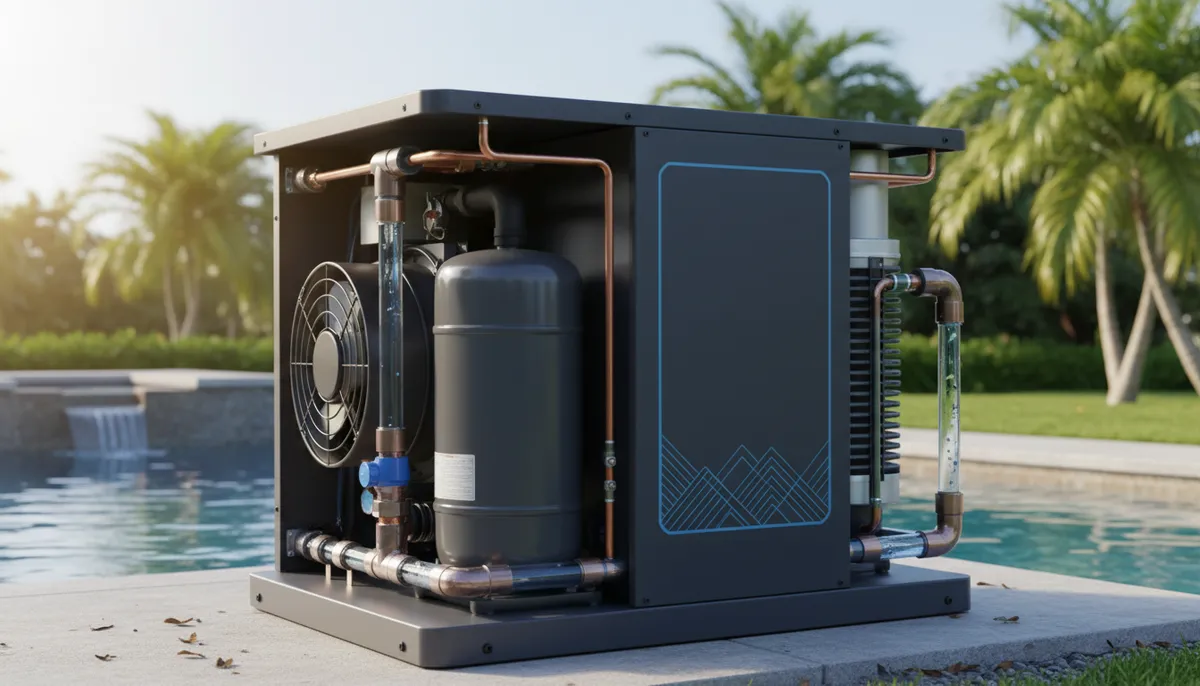
Before diving into repairs, it’s helpful to understand how your pool heater works. Most pool heaters come in three main types: gas heaters, electric heat pumps, and solar heaters. Each type has its own benefits and common issues. Gas heaters heat water quickly and work in any weather, making them popular for Florida pools. Electric heat pumps are energy-efficient but only work well when outdoor temperatures stay above 50°F. Solar heaters use the sun’s energy and have the lowest operating costs, but they depend on sunny weather.
Your heater works by pulling water from your pool, heating it, and sending it back through the return jets. Along the way, several components work together: the thermostat tells the heater when to turn on, the heating element or burner warms the water, and the circulation pump keeps water flowing. When any of these parts fail, your pool stays cold. Understanding this basic process helps you figure out where problems might be happening.
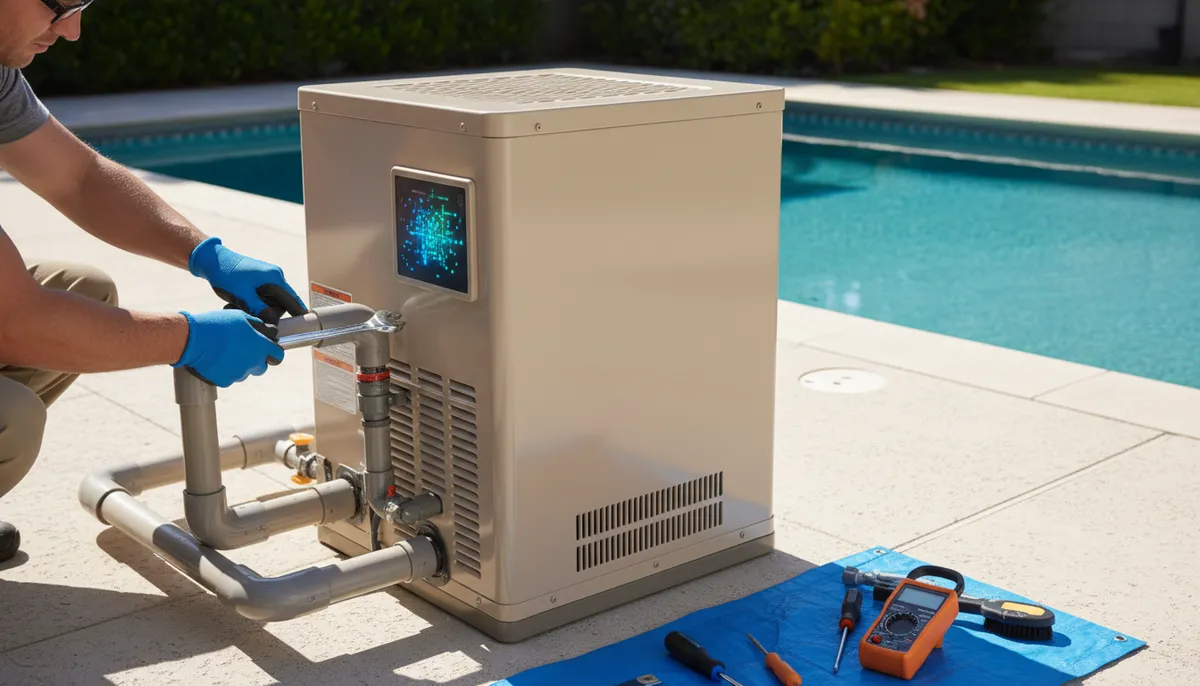
Common Signs Your Pool Heater Needs Repair
Catching problems early can prevent bigger, more expensive repairs down the road. Here are the warning signs you shouldn’t ignore:
- Water temperature doesn’t match the thermostat setting
- Heater won’t turn on or keeps shutting off
- Strange noises like banging, whistling, or grinding
- Visible leaks or water pooling around the heater
- Error codes or warning lights on the control panel
- Higher than normal energy bills without increased pool use
If you notice any of these issues, it’s time to investigate further. Many homeowners ignore small problems, thinking they’ll go away on their own. Unfortunately, a minor issue today can become a complete system failure tomorrow. Regular monthly inspections help you spot these warning signs before they become serious problems.
Most Common Pool Heater Problems and Solutions
Let’s look at the issues pool owners face most often. Understanding these problems helps you communicate better with repair professionals and sometimes even fix simple issues yourself.
Heater Won’t Ignite or Turn On
When your gas heater refuses to start, several things could be wrong. The most common culprit is the pilot light going out. This can happen due to wind, debris, or a faulty thermocouple. Check if you can see a small flame—if not, you may need to relight it following your manufacturer’s instructions. Always turn off the gas and wait several minutes before attempting to relight.
Other causes include problems with your gas supply line, a tripped circuit breaker, or a faulty pressure switch. If you have a natural gas heater, make sure the gas valve is fully open and you haven’t run out of propane if you use a tank. Sometimes the issue is as simple as low water flow—your heater won’t turn on if it doesn’t detect enough water circulation for safety reasons.
Water Not Heating Properly
When your heater runs but the water stays cold or doesn’t reach the right temperature, you’re dealing with a heating efficiency problem. This often happens when the heat exchanger gets clogged with calcium deposits or debris. In Florida’s hard water conditions, mineral buildup is especially common and can significantly reduce heating performance.
Another possibility is that your heater is undersized for your pool. If you recently added a spa or expanded your pool, your existing heater might not have enough power to heat the larger volume of water. Air flow problems can also prevent proper heating—make sure nothing is blocking the vents and that the area around your heater has good ventilation.
Leaking Water
Water leaks are serious and need immediate attention. Small leaks can quickly become big problems, causing water damage and increasing your water bills. Common leak locations include connections to and from the heater, the heat exchanger itself, and the pressure relief valve. Sometimes what looks like a leak is actually condensation, which is normal in humid Florida weather.
To identify a real leak, dry the area completely and place paper towels underneath suspected spots. Check back in a few hours. If the paper towels are wet, you have a leak that needs repair. Leaks in the heat exchanger often mean you need professional help, as this is one of the most expensive components to replace.
Step-by-Step Troubleshooting Guide
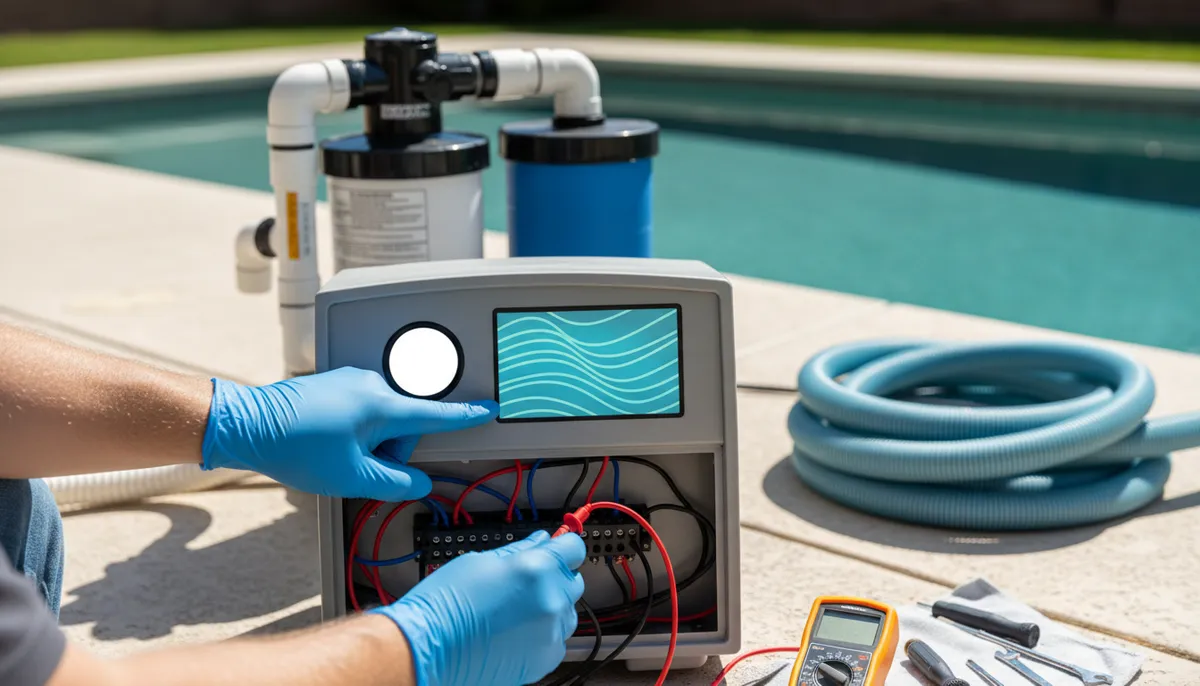
Before calling a repair professional, you can perform some basic troubleshooting steps. This simple process can help you identify the problem and potentially save money on service calls.
Basic Checks You Can Do Yourself
- Check your circuit breaker panel to make sure the heater’s breaker hasn’t tripped. If it has, reset it and see if the heater starts working.
- Verify your pool pump is running properly. Your heater needs adequate water flow to operate safely and won’t turn on if water isn’t circulating.
- Look at your filter pressure gauge. A dirty filter restricts water flow and can prevent your heater from working. Clean or backwash your filter if needed.
- Inspect the area around your heater for obvious problems like debris blocking vents, disconnected wires, or visible damage to the unit.
- Test your thermostat by turning it up several degrees above the current water temperature. You should hear the heater attempt to start within a few minutes.
These simple checks solve many common problems and take just a few minutes. If your heater still doesn’t work after these steps, it’s time to dig deeper or call a professional.
When to Call a Professional
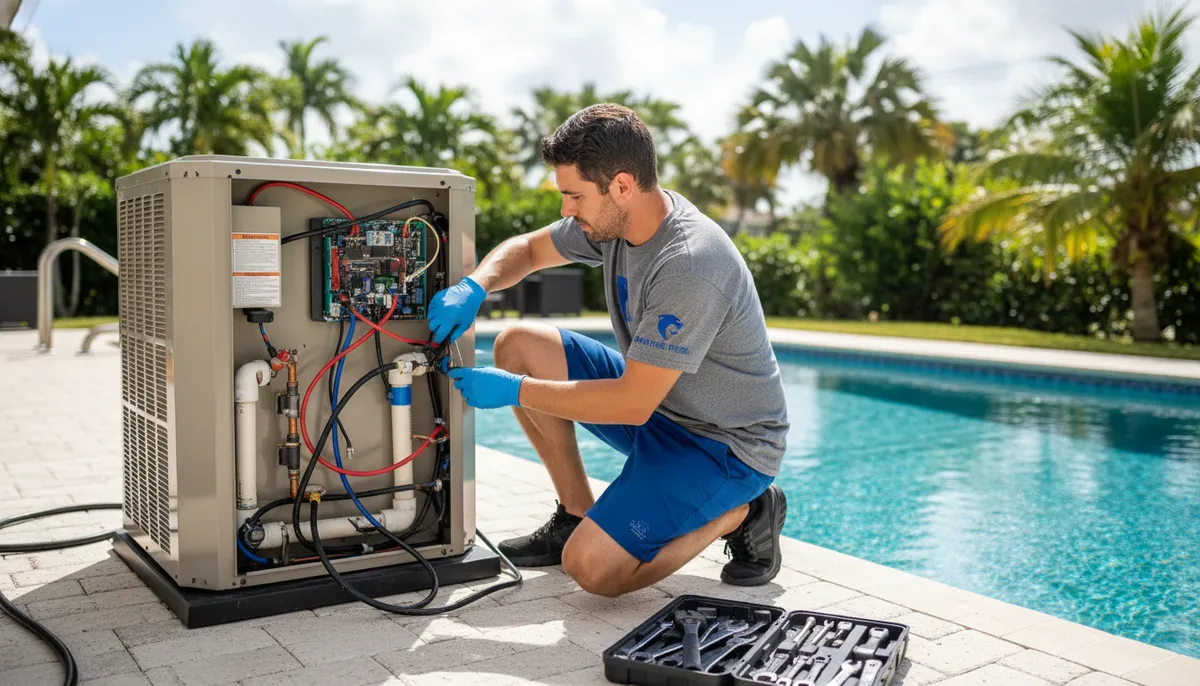
Some repairs are definitely not DIY projects. Working with gas lines, electrical components, and complex heating systems requires special training and tools. Call a professional pool service company like Panther Pools if you encounter any of these situations:
- Gas leaks or the smell of gas near your heater
- Electrical problems or frequently tripping breakers
- Error codes you don’t understand
- Frozen or damaged components
- Any repair that requires opening the heater cabinet
Attempting complex repairs yourself can void your warranty, create safety hazards, and potentially cause more damage. Professional technicians have the expertise to diagnose problems accurately and fix them right the first time. They also carry replacement parts and can complete most repairs in a single visit.
Understanding Pool Heater Repair Costs
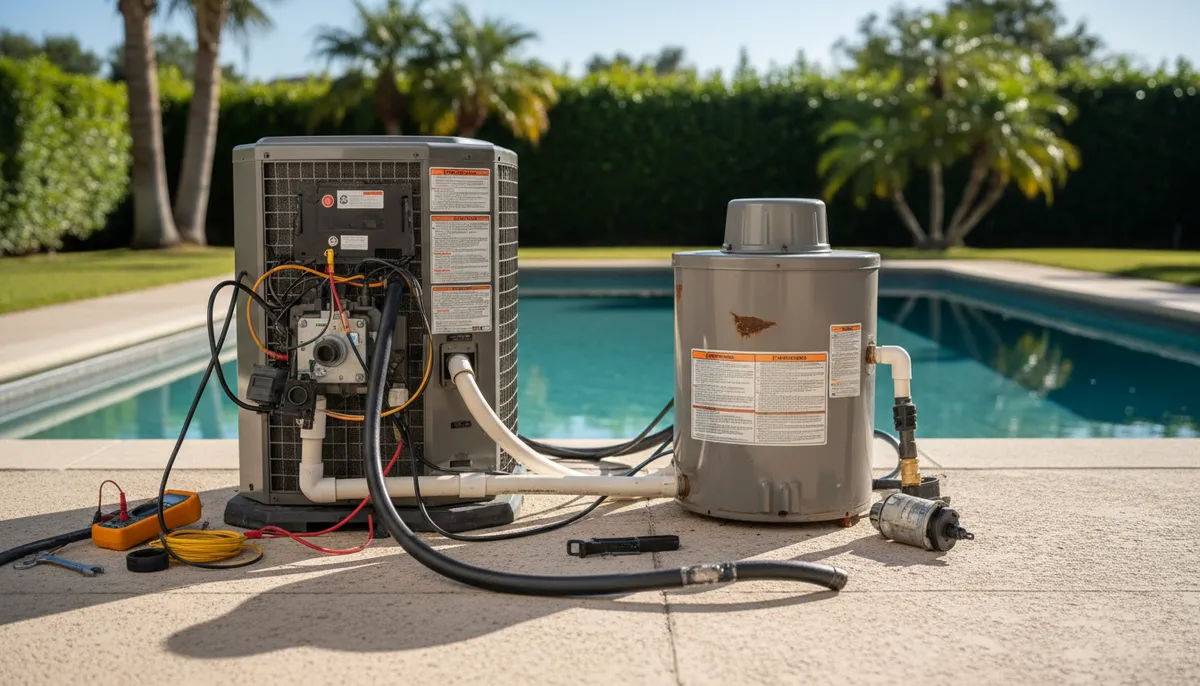
Knowing what to expect for repair costs helps you budget and make informed decisions. According to 2026 data, the average pool heater repair costs around $478, though prices range from $166 to $800 depending on the problem and heater type.
The type of heater you own significantly affects repair costs. Electric heater repairs typically run between $200 and $1,200 because of the complex electrical components. Natural gas heater repairs cost $150 to $750, depending on whether you need simple fixes like cleaning or major repairs like replacing the heat exchanger. Solar heater repairs are usually the most affordable at $50 to $400, since these systems have fewer mechanical parts.
Factors That Affect Repair Costs
Several things influence how much you’ll pay for repairs. The age of your heater matters—older units often need more extensive work and may have parts that are harder to find. The severity of the problem plays a huge role too. A simple fix like replacing a thermostat sensor costs much less than replacing a cracked heat exchanger.
Replacement parts range from $20 for small components like gaskets and sensors to $600 for major items like heat exchangers or control boards. Labor costs vary by company and location, but you can expect to pay for diagnostic time plus the actual repair work. Emergency or weekend service usually costs more than scheduled weekday appointments.
| Heater Type | Average Repair Cost | Common Issues | Warranty Period |
|---|---|---|---|
| Electric Heat Pump | $200 – $1,200 | Compressor failure, electrical problems | 1 – 10 years |
| Natural Gas | $150 – $750 | Ignition issues, heat exchanger leaks | 2 – 5 years |
| Solar | $50 – $400 | Panel leaks, valve problems | 5 – 12 years |
Warranties can significantly reduce your out-of-pocket costs. Electric heaters typically come with warranties lasting 1 to 10 years, gas heaters have 2 to 5 year warranties, and solar heaters often include 5 to 12 year warranties. Always check your warranty status before paying for repairs, as many problems are covered during the warranty period.
Preventive Maintenance to Avoid Costly Repairs
The best repair is the one you never need to make. Regular maintenance keeps your pool heater running efficiently and helps you avoid unexpected breakdowns. A well-maintained heater lasts longer, uses less energy, and experiences fewer problems.
Monthly Maintenance Tasks
Set aside time each month to perform these simple tasks. They take less than 30 minutes but can prevent major problems:
- Visually inspect your heater for signs of wear, rust, or damage. Look for water stains that might indicate leaks.
- Clear away any leaves, debris, or vegetation around the heater. Good air flow is essential for proper operation.
- Check all visible connections for tightness and signs of corrosion. Loose connections can cause performance problems.
- Listen to your heater while it’s running. New or unusual noises often signal developing problems.
- Test your water chemistry and make sure it’s balanced. Improper pH levels can damage your heater’s internal components.
These quick checks help you catch small issues before they become expensive repairs. If you spot anything concerning, address it right away rather than waiting for complete failure.
Professional Maintenance Services
While monthly checks are helpful, professional maintenance goes much deeper. Companies like Panther Pools offer comprehensive maintenance services that include cleaning the heat exchanger, inspecting electrical connections, testing safety features, and checking for proper combustion in gas heaters. Professional technicians have the tools and expertise to spot problems you might miss.
Schedule professional maintenance at least once a year, ideally before pool season starts. This ensures your heater is ready when you need it most. If you use your pool year-round in Florida’s warm climate, consider twice-yearly maintenance to keep everything running smoothly. The Independent Pool and Spa Service Association recommends following manufacturer maintenance schedules for optimal performance.
Energy Efficiency and Cost Savings
A properly maintained and repaired pool heater runs more efficiently, which means lower energy bills for you. Small improvements in efficiency can add up to significant savings over time, especially if you keep your pool heated for months at a time.
Tips to Reduce Heating Costs
Use a pool cover whenever your pool isn’t in use. This simple step can reduce heating costs by 50% or more by preventing heat loss through evaporation. Pool covers also keep debris out, which means less work for your filter and cleaner water overall.
- Lower your thermostat by just 2-3 degrees to save energy without sacrificing comfort
- Run your heater during off-peak hours when electricity rates are lower
- Install a timer to prevent your heater from running unnecessarily
- Keep your pool pump and filter clean for optimal water circulation
- Consider windbreaks like fencing or landscaping to reduce heat loss
- Maintain proper water levels to ensure efficient heater operation
Regular cleaning of your heater’s components also improves efficiency. A dirty heat exchanger has to work harder to heat water, using more energy for the same result. Professional cleaning during annual maintenance helps your heater perform at its best. The EPA’s pool efficiency resources provide additional tips for reducing energy consumption.
Understanding New Regulations for Pool Heaters
If you’re considering whether to repair or replace your pool heater, understanding current regulations helps you make the right choice. California’s Title 24 regulations, effective in 2026, have implications for pool owners nationwide as other states often follow California’s lead.
These regulations distinguish between repairs and full replacements. If you’re doing minor repairs like replacing heating elements, thermostats, or control boards, you can repair your existing gas heater without any additional requirements. However, if you’re replacing the entire unit, new efficiency standards may apply. This is good news for pool owners who want to maintain their existing equipment rather than upgrade to different technology.
The regulations aim to improve energy efficiency and reduce environmental impact. While they don’t prevent you from repairing gas heaters, they do encourage upgrades to more efficient models when full replacement becomes necessary. Understanding these rules helps you plan for the future and make informed decisions about repair versus replacement.
Choosing Between Repair and Replacement
Sometimes you face a tough decision: should you repair your aging heater or invest in a new one? Several factors help you make this choice wisely.
When Repair Makes Sense
Repair is usually the right choice if your heater is less than 10 years old, the repair cost is less than half the replacement cost, and the problem is isolated to one component. If your heater has been reliable with few previous repairs, fixing it makes financial sense. Also, if you’re still under warranty, repair costs may be minimal or free.
Consider repair when you’re planning to sell your home soon and just need the heater working. A functioning heater is important for home value, but investing in a new high-end model might not provide a good return on investment if you’re leaving soon.
When Replacement Is Better
Replacement makes more sense if your heater is more than 10-15 years old, requires frequent repairs, or has a major component failure like a cracked heat exchanger. When repair costs approach or exceed half the cost of a new unit, replacement usually offers better long-term value.
- Calculate the age of your heater and consider how many more years you’ll realistically get from it.
- Add up what you’ve spent on repairs in the past two years—multiple repairs indicate deeper problems.
- Compare the efficiency of your current heater to new models—upgrading could significantly reduce your energy bills.
- Factor in warranty coverage—a new heater comes with years of warranty protection, giving you peace of mind.
New heaters also offer improved technology, better energy efficiency, and modern features like digital controls and smartphone connectivity. If you’re replacing your heater, research all three types to find the best fit for your needs and budget.
Working With Pool Service Professionals
Finding the right company for your pool heater repair ensures quality work and fair treatment. Here’s what to look for when choosing a service provider.
Look for companies with proper licensing and insurance. In Florida, pool service companies should carry liability insurance to protect you if something goes wrong. Check for certifications like Florida Swimming Pool Association membership or Certified Pool Operator credentials, which demonstrate professional training and expertise.
Questions to Ask Before Hiring
Before committing to a repair company, ask these important questions:
- How long have you been in business and do you specialize in pool heater repairs?
- Can you provide references from recent customers with similar repairs?
- Do you offer free estimates or diagnostic visits?
- What warranties do you provide on parts and labor?
- Are your technicians certified and trained on my heater brand?
- What is your typical response time for service calls?
A reputable company will answer these questions confidently and provide clear information. Be wary of companies that pressure you into immediate decisions or can’t explain their pricing structure. Good pool service providers educate customers and help them understand their options.
For comprehensive pool maintenance in West Chase and throughout Tampa, working with established local companies ensures you get reliable service when you need it. Look for companies that offer seven-day support and have a track record of satisfied customers.
DIY Repairs You Can Safely Attempt
While many pool heater repairs require professional help, some simple tasks are safe for homeowners to tackle. These basic repairs can get your heater working again without the cost of a service call.
Replacing the Filter
A clogged filter can prevent your heater from working properly. Most pool heaters have a small internal filter that traps debris before water enters the heating chamber. Turn off all power to the heater, locate the filter housing, and remove the old filter. Clean it with a hose or replace it if it’s damaged. This simple task takes about 15 minutes and can solve heating problems.
Cleaning the Heater Exterior
Keeping the outside of your heater clean improves performance and helps you spot problems early. Use a soft brush or cloth to remove dirt, leaves, and spider webs from vents and openings. Never use a pressure washer directly on your heater, as this can force water into electrical components. Clean the area around the heater to ensure good air circulation.
Resetting the System
Sometimes heaters just need a simple reset, similar to restarting a computer. Turn off the circuit breaker for your heater, wait two minutes, then turn it back on. This clears temporary errors and can resolve minor electrical glitches. If your heater has a reset button on the control panel, press it according to your manufacturer’s instructions.
Remember, these DIY tasks are for simple maintenance and minor issues. If you’re uncomfortable performing any repair, don’t hesitate to call professionals who handle pool heater problems daily. Your safety is more important than saving a few dollars.
Keeping Your Pool Comfortable Year-Round
A reliable pool heater extends your swimming season and makes your pool more enjoyable. By understanding common problems, performing regular maintenance, and knowing when to call professionals, you can keep your pool water at the perfect temperature with minimal hassle.
Remember that prevention is always easier and cheaper than repair. Monthly inspections, annual professional maintenance, and prompt attention to small problems help you avoid major breakdowns. Your pool heater is an investment that deserves proper care and attention.
When problems do arise, don’t panic. Most issues have straightforward solutions, and experienced pool service technicians can diagnose and fix problems quickly. Whether you have a gas heater, electric heat pump, or solar system, understanding how it works and what can go wrong gives you confidence to maintain it properly.
If you’re experiencing pool heater issues or want to establish a regular maintenance schedule, professional help is just a call away. Get in touch with a trusted Tampa pool service company to ensure your heater stays in top condition. With proper care and timely repairs, your pool heater will provide years of comfortable swimming for you and your family.
FAQs
Q: How much does pool heater repair typically cost?
A: In 2026, the average pool heater repair costs around $478, with most repairs ranging between $166 and $800. The final cost depends on your heater type, the problem severity, and which parts need replacement. Electric heater repairs run $200 to $1,200, gas heaters cost $150 to $750 to fix, and solar heater repairs are usually $50 to $400. Always get a detailed estimate before approving any repair work.
Q: Why won’t my pool heater turn on?
A: Several common issues can prevent your pool heater from starting. Check if the pilot light is out on gas heaters, verify the circuit breaker hasn’t tripped, and make sure your pool pump is running properly. Low water flow, a dirty filter, or a closed valve can also prevent the heater from turning on. If basic troubleshooting doesn’t solve the problem, a faulty thermostat, pressure switch, or ignition system may need professional repair.
Q: Can I repair my pool heater myself or should I hire a professional?
A: Simple tasks like cleaning filters, checking circuit breakers, and basic maintenance are safe for homeowners to handle. However, repairs involving gas lines, electrical components, heat exchangers, or complex diagnostics should always be left to professionals. DIY repairs on major components can void your warranty, create safety hazards, and potentially cause more expensive damage. When in doubt, call an experienced pool service technician.
Q: How often should I have my pool heater professionally serviced?
A: Schedule professional pool heater maintenance at least once a year, ideally before pool season begins. If you use your pool year-round in Florida’s warm climate, consider twice-yearly professional service to keep everything running smoothly. Regular professional maintenance includes cleaning the heat exchanger, inspecting safety features, testing electrical connections, and checking for proper combustion in gas heaters—tasks that go beyond simple monthly homeowner checks.
Q: What are signs that my pool heater needs immediate repair?
A: Call for repairs immediately if you smell gas near your heater, notice water leaking from the unit, see error codes on the control panel, or hear unusual noises like banging or grinding. Other urgent signs include the heater frequently shutting off, water that won’t reach the set temperature despite the heater running, or visible damage to components. Addressing these warning signs quickly prevents more expensive repairs and keeps your pool safe and comfortable.