
Key Takeaways
-
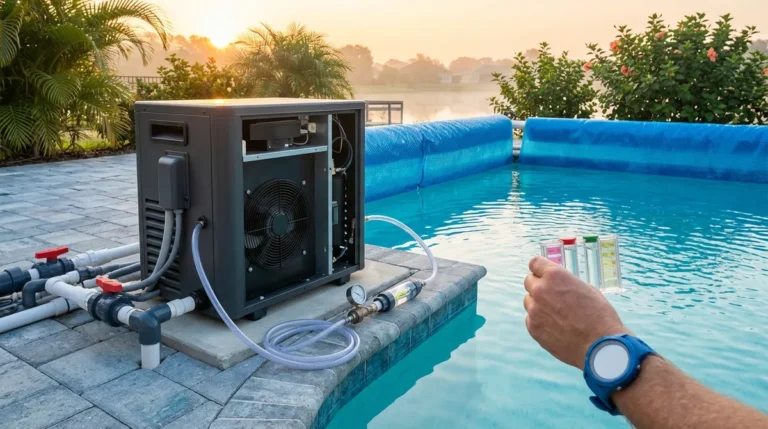
Green pool recovery is a multi-step process taking 2-5 days minimum, not a one-bag shock fix; improper treatment leads to algae relapse within days.
-
Always test water chemistry (pH, chlorine, alkalinity), check circulation, and inspect filters before treatment; skipping diagnosis means treating symptoms without fixing root causes.
-
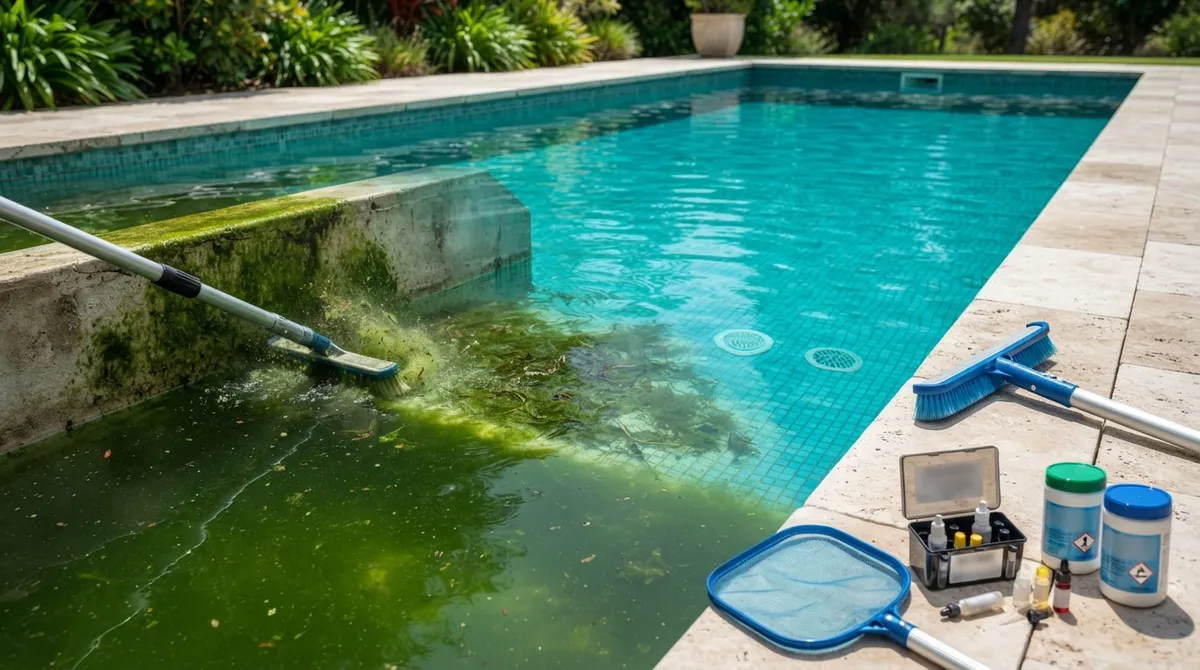
Brush all pool surfaces thoroughly after shocking to remove dead algae settling on walls and floors; skipping this leaves cloudy water and slimy surfaces despite chemical treatment.
-
Follow the correct sequence: test-treat-brush-wait-vacuum-backwash-retest; vacuuming immediately after algae treatment can interfere with product effectiveness.
-
Different algae colors require different treatments (light green vs. dark green vs. black algae); misidentifying the problem wastes chemicals and time on wrong solutions.
-
Chemical recovery works for most green pools without draining; reserve draining only for heavy debris buildup, severe staining, or contamination that chemicals cannot fix.
Nobody wants to walk outside and find their sparkling blue pool has turned into a swampy green mess overnight. It happens more often than you’d think, especially here in Tampa where our warm, humid weather practically rolls out the red carpet for algae. If this has happened to you, take a breath. A green pool is not the end of the world, and it definitely does not mean you need a new pool. But how you handle a green to clean pool service matters more than most homeowners realize.
We’ve seen plenty of well-meaning pool owners turn a simple algae problem into a bigger, more expensive headache just by making a few avoidable mistakes. Whether you’re a busy parent juggling swim practice schedules, a proud homeowner in a luxury neighborhood, or a property manager overseeing a community pool, this guide will walk you through the mistakes that turn a quick fix into a costly ordeal. Let’s get your water back to crystal clear, the smart way.
Mistake 1: Assuming You Can Fix It With One Bag of Shock
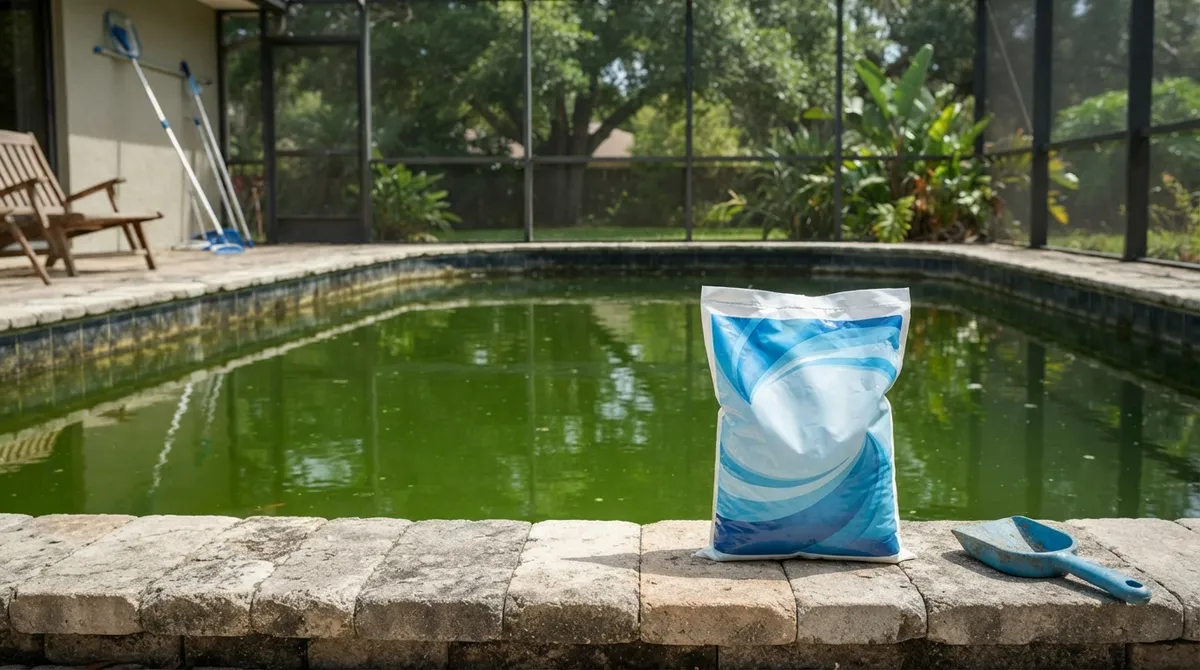
Here’s the truth nobody wants to hear: dumping in a bag of chlorine shock and hoping for the best rarely solves a serious green pool. A real green to clean pool service is a process, not a single step. It typically takes about 2 to 5 days for a standard recovery, and severe cases can require three to five visits over a full week.
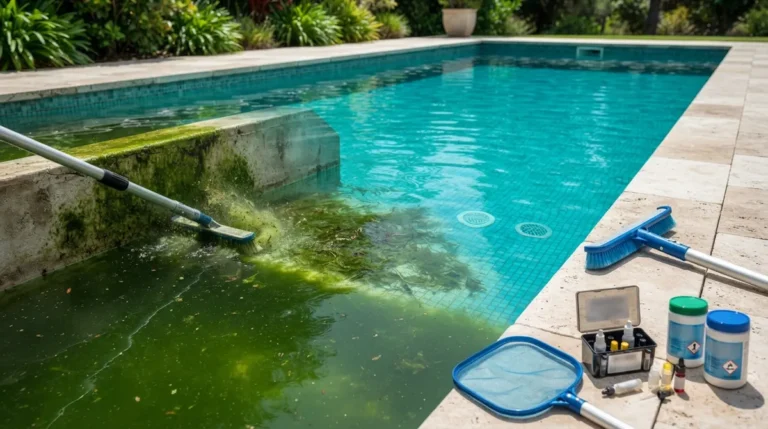
Green water usually means algae has taken over, and algae is stubborn. It clings to walls, hides in corners, and can bounce right back if you don’t finish the job properly. Treating it like a one-and-done chore is one of the most common mistakes we see, and it almost always leads to a relapse within days.
Mistake 2: Skipping the Water Testing Step
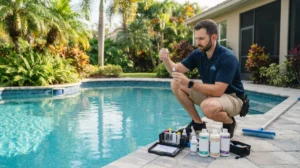
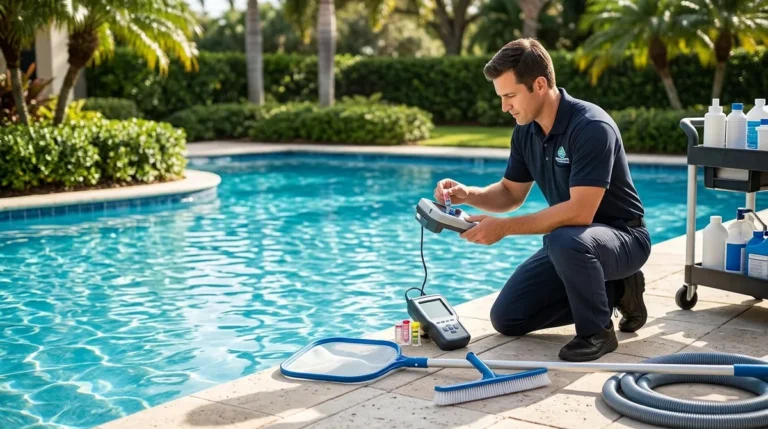
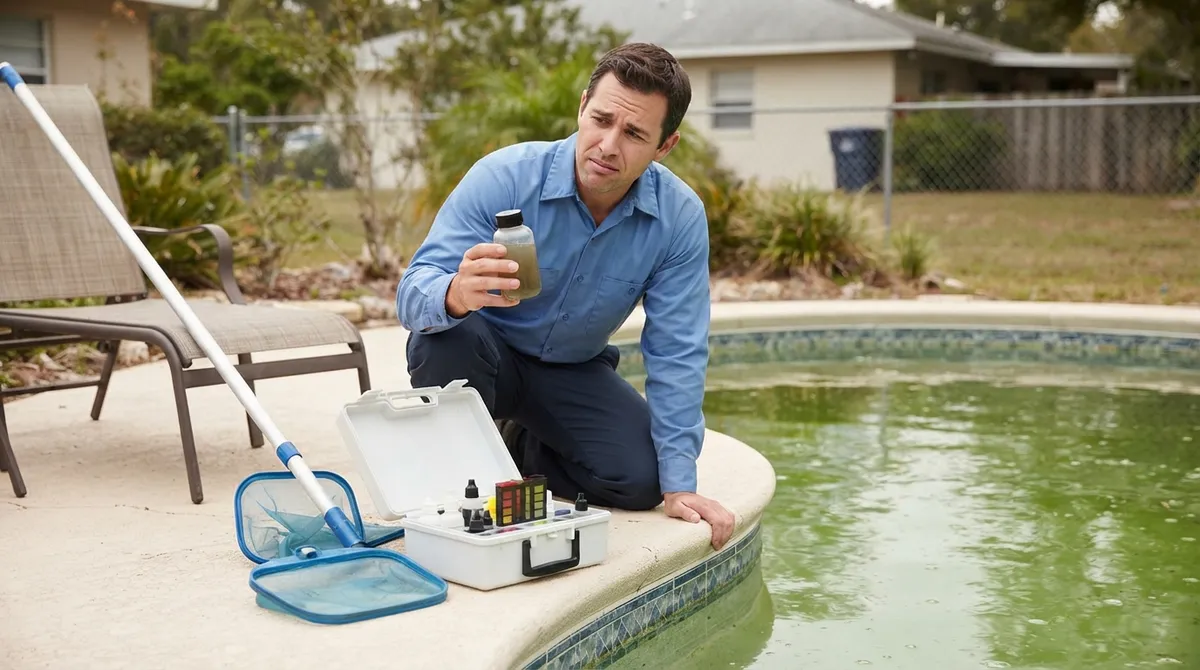
You wouldn’t take medicine without knowing what’s actually wrong, right? The same logic applies to your pool. Skipping water testing before treatment is like guessing in the dark.
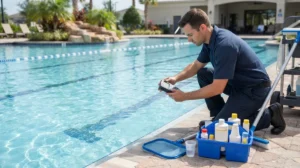
A proper assessment should always include:
- Testing pH, chlorine, and alkalinity levels
- Estimating your pool’s total volume
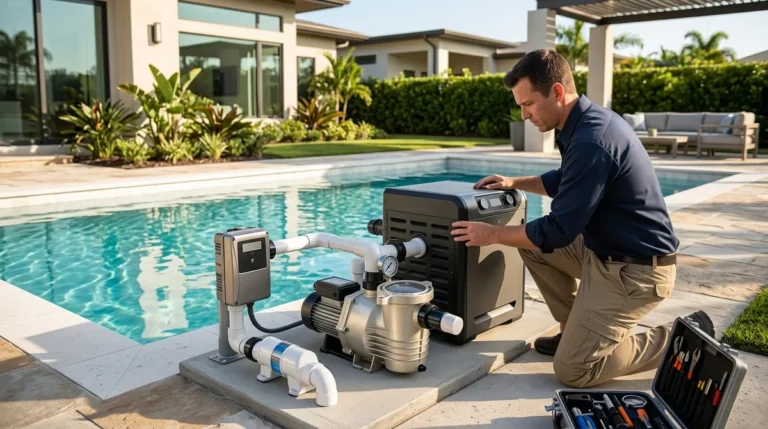
- Checking the pump and circulation system
- Inspecting the filter for clogs or damage
- Looking for debris that’s feeding the algae bloom
Poor circulation, a dirty filter, or low sanitizer can all be quietly causing your green water problem. If you treat the symptom without fixing the cause, you’re just buying yourself a few days before the pool turns green again.
Mistake 3: Forgetting to Brush the Pool Surfaces
Chemicals do a lot of the heavy lifting, but they can’t do it alone. Brushing the walls, floor, steps, and any nooks and crannies is a non-negotiable part of any real green to clean pool service.
Why? Because dead algae doesn’t just disappear. It settles onto surfaces and can regrow if it’s not physically removed. Mechanical brushing loosens everything up so your filtration system can actually catch and remove it. Skip this step, and you’re left with cloudy water and a slimy pool floor, even after shocking.
Mistake 4: Vacuuming Too Soon or Incorrectly
Timing matters here more than people expect. Vacuuming right after applying certain algae treatments can actually interfere with the product working properly. In fact, some professional-grade treatments specifically warn against vacuuming immediately after application.
The right approach usually looks like this:
- Test and balance the water first
- Apply the appropriate chlorine shock and algae treatment
- Allow time for the product to work and circulate
- Brush the surfaces thoroughly
- Vacuum to waste once algae has settled or died off
- Backwash or clean the filter to remove debris
- Retest and rebalance before considering the pool swim-ready
Rushing this sequence, or doing steps out of order, is a common reason DIY green pool fixes fail. This is exactly the kind of detail a trained technician handles automatically, which is one reason so many Tampa families trust professional algae removal and water restoration instead of guessing at home.
Mistake 5: Mixing Chemicals Without Knowing What You’re Doing
This one is serious, and it’s not just about wasted money. Mixing pool chemicals incorrectly can create dangerous fumes or even hazardous reactions. Certain algae treatment products specifically warn against premixing with chlorine or pouring products directly into a skimmer or filter suction line.
Product labels exist for a reason, and generic advice you find online should never override the actual instructions on your chemical container. If you’re not 100% sure how a product interacts with chlorine or other chemicals, it’s not worth the risk of guessing. This is exactly why organizations like IPSSA emphasize proper training for pool professionals handling water chemistry.
Mistake 6: Ignoring the Color and Type of Algae
Not all discolored pool water is the same, and treating every color the same way is a mistake. Green is the most common algae color, but yellow, mustard, black, or brown discoloration can point to different problems entirely.
Here’s a quick breakdown of what different colors might mean:
| Water Color | Likely Cause | Treatment Difficulty |
|---|---|---|
| Light Green | Early-stage algae bloom | Easier, often 2-3 days |
| Dark Green | Established, heavy algae growth | Moderate, may need multiple visits |
| Black or Blue-Green | Black algae, resistant strains | Harder, requires specific treatment |
| Mustard or Yellow | Yellow algae, chlorine-resistant | Tricky, often misdiagnosed |
| Brown or Rust | Metals or organic staining, not always algae | Different approach needed |
Misreading the color can send you down the wrong treatment path entirely, wasting time and chemicals on a problem you haven’t actually diagnosed correctly.
Mistake 7: Jumping Straight to Draining the Pool
When a pool looks like a swamp, it’s tempting to think the only solution is to drain it completely. But that’s not always true, and it’s often unnecessary. Chemical recovery is usually attempted first, and many green pools can be brought back to life without ever removing the water.
Draining or acid washing is typically reserved for situations involving:
- Heavy, long-term debris buildup
- Severe staining that won’t respond to chemicals
- Contamination that filtration and vacuuming can’t remove
- Structural issues uncovered during the assessment
Jumping to drain-and-refill as a first move can waste water, time, and money when a proper chemical recovery would have worked just fine. If you’re unsure whether your pool needs draining or just a solid green to clean pool service, it’s worth getting a professional opinion before making that call. Learn more about when an acid wash is actually necessary versus when it’s overkill.
What a Proper Green to Clean Pool Service Actually Looks Like
Now that we’ve covered what not to do, let’s talk about what a trustworthy process looks like from start to finish. A quality service should always include a written scope of work explaining what to expect.
Here’s what that typically includes:
- An initial water test and visual assessment of algae severity
- Removal of leaves, debris, and organic material
- Inspection of pump, filter, and circulation equipment
- A calculated chlorine shock based on your pool’s exact volume
- Thorough brushing of all pool surfaces
- Extended filtration running continuously for 24 hours or more
- Vacuuming to waste and filter cleaning or backwashing
- Final water testing to confirm safe, balanced chemistry
A reputable company will also tell you upfront how many visits to expect, what’s included in the price, and what conditions need to be met before it’s safe to swim again. This kind of transparency is something we build into every pool cleaning service in Tampa we provide, because our customers deserve to know exactly what they’re paying for.
How Long Does It Actually Take?
Patience really does pay off here. A light green pool might clear up in as little as 2 to 3 days with proper treatment. Medium or dark green pools often take longer, sometimes stretching to a full week with multiple visits.
Industry pricing data reflects this variation too. According to a 2026 cost guide from Swimply, green pool cleanup can range anywhere from about $200 to $1,500 or more, depending on severity, debris, and whether draining is needed. A separate pricing breakdown estimates light green pools may run $250 to $400, medium cases $400 to $700, and dark green or swamp-like conditions $700 to $1,200. These numbers vary by market, but they give you a realistic idea of what recovery can involve.
Preventing the Green Pool Sequel
Once your pool is clear again, the real goal is making sure it stays that way. Prevention is so much easier, and cheaper, than repeating the whole recovery process.
A few habits go a long way:
- Keep sanitizer and pH levels consistently balanced
- Run your pump long enough each day for proper circulation
- Clean or backwash your filter on a regular schedule
- Brush pool surfaces weekly, even when water looks clear
- Remove leaves and debris before they break down and feed algae
- Address any equipment issues quickly, like a weak pump or clogged filter
If you found this article because you’re dealing with algae right now, you’re not alone, and you’re definitely not the first person this has happened to. For ongoing peace of mind, many families switch to weekly pool service after their pool comes back to life, simply because it’s far easier to prevent green water than to fix it.
Why Trust Matters When Choosing a Green to Clean Pool Service
Because chemical treatments can be genuinely risky if mishandled, working with trained, certified technicians isn’t just a nice-to-have, it’s essential. Organizations like the FSPA support high standards across Florida’s pool service industry, and proper training makes a real difference in both safety and results.
Panther Pools has proudly earned a Certified Pool Operator credential and holds a CPC license, which means our technicians know exactly how to diagnose, treat, and restore your pool safely. We’ve helped countless Tampa families and property managers go from swamp to sparkling, and our customers consistently mention our responsiveness, fair approach, and the dramatic before-and-after transformations we deliver. Whether you’re managing a backyard oasis or a commercial pool facility, following water efficiency guidance from resources like the EPA’s pool water efficiency program alongside professional treatment ensures you’re not wasting water unnecessarily during the recovery process.
Ready to Get Your Pool Back to Blue?
A green pool doesn’t have to stress you out. With the right process, patience, and a little professional help, your backyard can go from swamp to swim-ready faster than you’d think. Avoiding these seven common mistakes puts you way ahead of the game, whether you tackle it yourself or bring in a trusted team.
If you’re staring at a green pool right now and would rather leave it to the experts, we’d love to help. Reach out to our team today for a free estimate and let us turn your green nightmare into the clear, inviting pool your family deserves.
FAQs
Q: What does green to clean pool service include?
A: It typically includes water testing, debris removal, a calculated chlorine shock, thorough brushing, extended filtration, and vacuuming to waste. A good service also checks your pump and filter to figure out why the algae showed up in the first place, so it doesn’t just come right back.
Q: How long does it take to turn a green pool clear?
A: Most light green pools clear up in about 2 to 3 days, while darker, more severe cases can take up to a week with multiple visits. It really depends on how long the algae has been growing and how well your equipment is working.
Q: Can a green pool be cleaned without draining it?
A: Yes, in most cases! Chemical recovery is usually the first approach, and it works well for the majority of green pools. Draining is really only needed for extreme situations involving heavy staining, debris buildup, or contamination that won’t respond to normal treatment.
Q: Is it safe to swim in a green pool after shocking it?
A: Not right away. You’ll want to wait until the water is clear enough to see the bottom and your chlorine and pH levels are back within safe range. A professional can confirm exactly when it’s safe to jump back in.
Q: What causes a swimming pool to turn green in the first place?
A: Usually it comes down to low sanitizer levels, poor circulation, a clogged filter, or an imbalance in your water chemistry. Warm Tampa weather and heavy rain can also speed up algae growth, so staying on top of regular maintenance really helps prevent it.