
Key Takeaways
-
Call professional emergency pool service immediately for pump failures, severe algae blooms, visible leaks, electrical issues, or unsafe chemical levels—these situations require trained technicians to prevent safety hazards and costly damage.
-
Pool chemical injuries send 4,500 people to emergency rooms annually with over one-third involving children; never attempt chemical mixing or dosing without proper training as incorrect handling causes burns, fumes, and serious injuries.
-
Handle only basic DIY maintenance like skimming debris, cleaning skimmer baskets, brushing walls, and routine chlorine top-offs; attempting electrical repairs, pump diagnosis, or chemical treatment without experience can escalate small problems into expensive disasters.
-
Severely green pools typically require multiple visits involving testing, debris removal, filtration, brushing, and chemical treatment—not single-visit fixes; providers promising instant solutions are setting unrealistic expectations.
-
Before calling emergency service, keep everyone out of the pool, turn off equipment if chemicals smell strong, take photos of damage, note when problems started, and have recent chemical test results ready to speed diagnosis.
-
Call 911 for suspected drowning, unconsciousness, severe burns, electrical shock, or fire; a pool technician cannot replace emergency medical or fire response and these situations demand immediate emergency services.
Your pool just turned green overnight. Or maybe the pump is making a noise that sounds like a dying robot. Either way, you’re standing at the edge of your backyard oasis wondering: do I grab a bucket and try this myself, or do I search “emergency pool service near me” and call in the pros? We’ve all been there, and honestly, it’s a totally normal moment of panic. Take a breath. We’re here to walk you through it.
Tampa families know pool problems don’t wait for convenient timing. A storm rolls through, the power flickers, and suddenly your circulation system is down and the water looks like a swamp. Other times it’s quieter but scarier, like a strange chemical smell near the equipment pad. Knowing when to DIY and when to call in trained help can save your pool, your wallet, and sometimes even someone’s safety. Let’s compare both paths so you can make the right call with confidence, every single time.
What Actually Counts as a Pool Emergency?
Not every pool problem is a five-alarm fire. A little cloudiness after a pool party isn’t the same as a pump that won’t turn on. Understanding the difference helps you react calmly instead of panicking over something minor, or worse, ignoring something serious.
Here are the situations that typically call for urgent, professional attention:
- Pump or circulation failure, especially during hot Florida weather
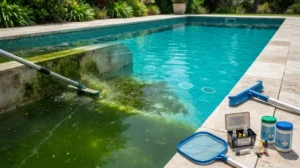
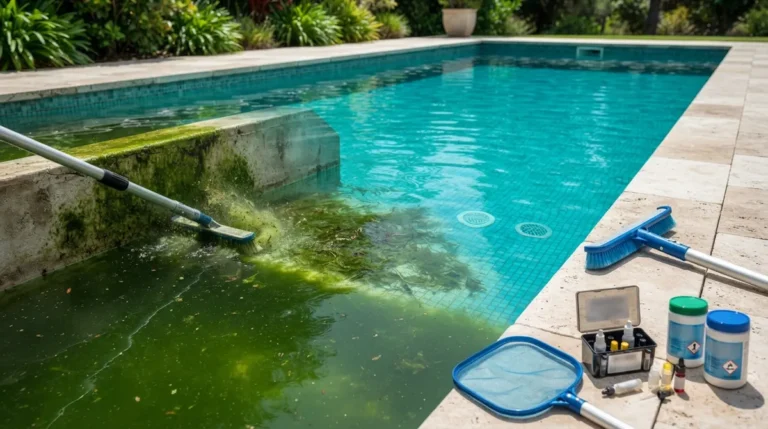
- Severe algae blooms turning your water green or cloudy overnight
- Filter blockages that stop water flow completely
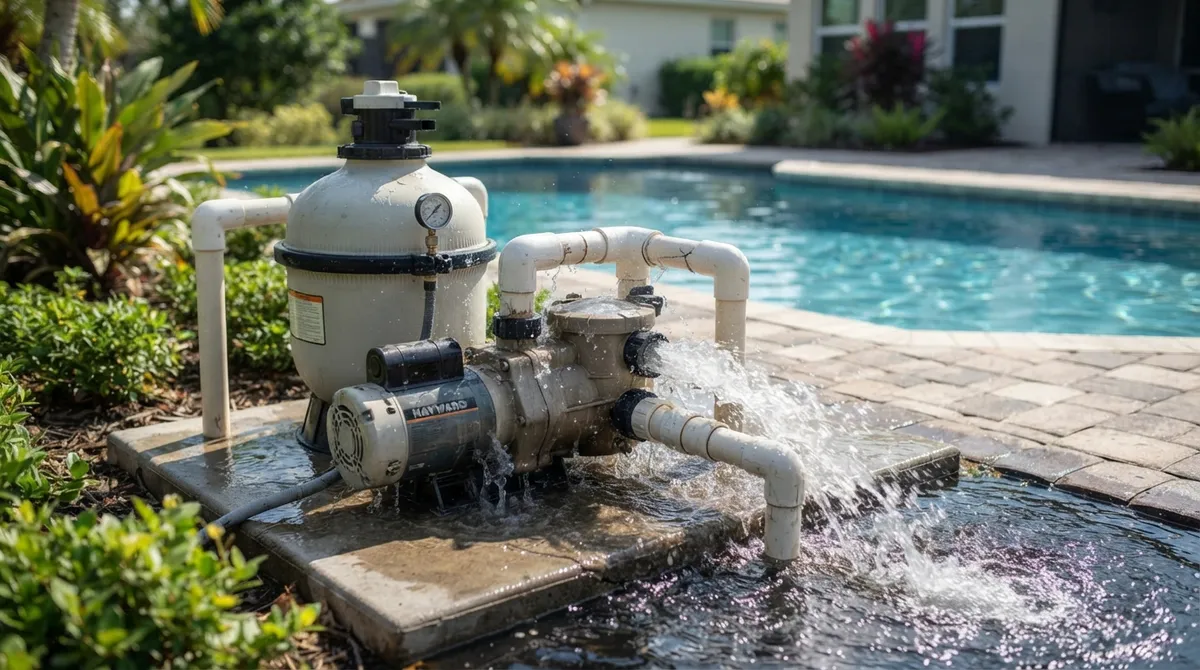
- Visible leaks around equipment, plumbing, or the pool shell
- Flooding near the equipment pad after heavy rain
- Broken plumbing lines or cracked pipes
- Heater failure, particularly for families who swim year-round
- Electrical issues near the pool or equipment area
- Storm debris clogging skimmers, drains, or filters
- Unsafe or unknown chemical levels in the water
If you’re dealing with any of these, it’s time to look for an emergency pool repair service rather than reaching for a pool noodle and hoping for the best.
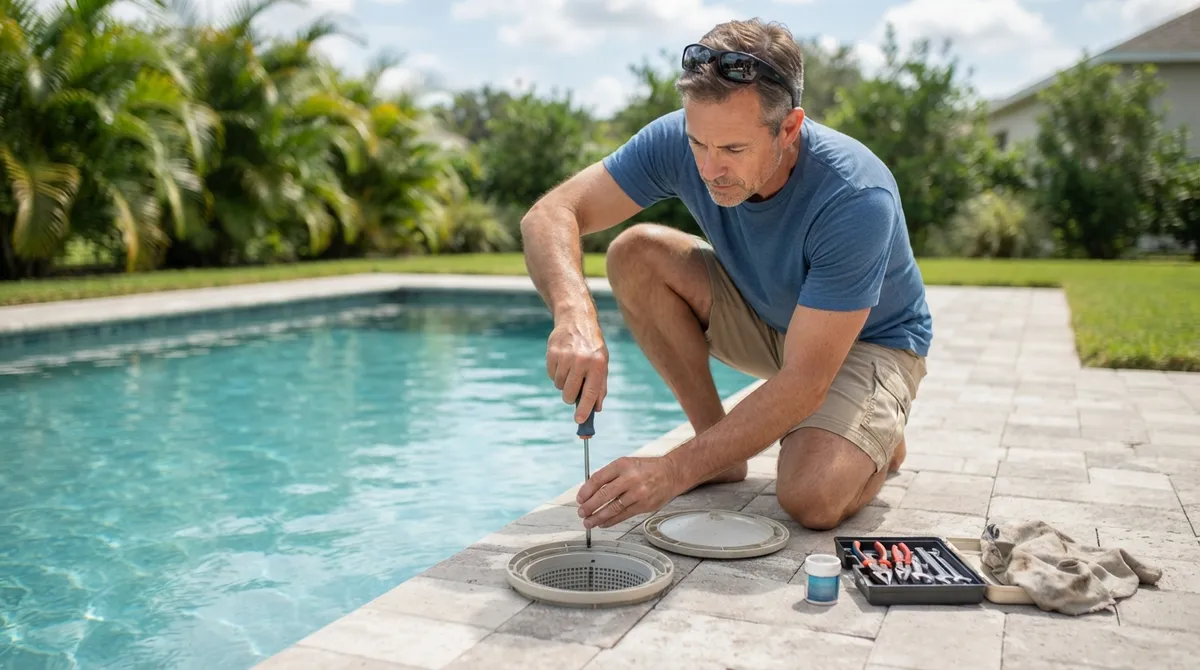
DIY Pool Fixes: When You Can Handle It Yourself
We love a good DIY project as much as anyone. Some pool hiccups really are manageable on your own, especially if you’ve got basic tools and a little patience.
Situations Where DIY Makes Sense
- Skimming leaves and light debris off the surface
- Checking and cleaning out skimmer baskets
- Brushing pool walls to prevent algae buildup
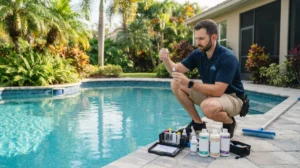
- Testing water with test strips for routine monitoring
- Adding small amounts of chlorine when levels dip slightly
- Backwashing a sand filter that’s simply due for cleaning
These tasks are low-risk and don’t require special training. Many young pool owners and busy families handle these steps between professional visits. If you want a refresher, our guide on how to clean a pool filter the right way is a great place to start.
When DIY Turns Risky
The trouble starts when homeowners try to tackle problems beyond basic maintenance. Mixing chemicals without proper knowledge, attempting electrical repairs, or diagnosing pump failures without experience can turn a small issue into a costly disaster. According to the CDC’s pool chemical safety guidelines, pool chemical injuries send an estimated 4,500 people to emergency rooms every year, and more than a third of those injuries involve children or teens. That statistic alone should give every pool owner pause before experimenting with chemical mixing.
Emergency Pool Service: When to Call the Pros
There’s a moment every pool owner recognizes: when the problem is bigger than a skimmer net can handle. That’s when calling a trained technician becomes the smart move, not the expensive one.
Clear Signs You Need Professional Help
- Water has turned deep green and won’t clear with basic chlorine treatment
- The pump is making grinding, humming, or no sound at all
- You smell a strong chemical odor near the equipment area
- Water levels are dropping faster than evaporation explains
- The heater won’t ignite or maintain temperature
- Storm damage has affected wiring, plumbing, or the pool structure
A reliable local provider should explain their service area, response times, and whether they handle both cleaning and mechanical repairs. Panther Pools, serving Tampa families and businesses, offers exactly that kind of clarity. As a Certified Pool Operator with in-house repair capabilities, our team can diagnose and fix issues without bouncing you between separate cleaning and repair companies.
Comparing DIY vs. Professional Emergency Response
Sometimes seeing it side by side makes the decision easier. Here’s how the two approaches stack up when your pool throws a curveball.
| Situation | DIY Approach | Professional Emergency Service |
|---|---|---|
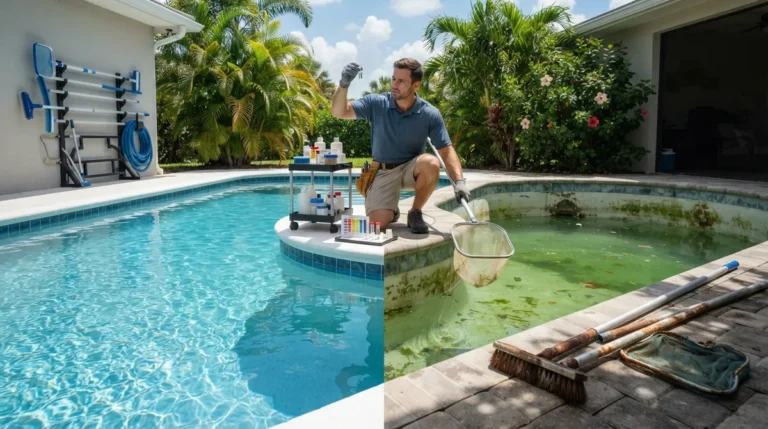
| Green, algae-filled water | Slow, often requires multiple treatments and guesswork | Testing, shocking, filtration, and brushing done correctly the first time |
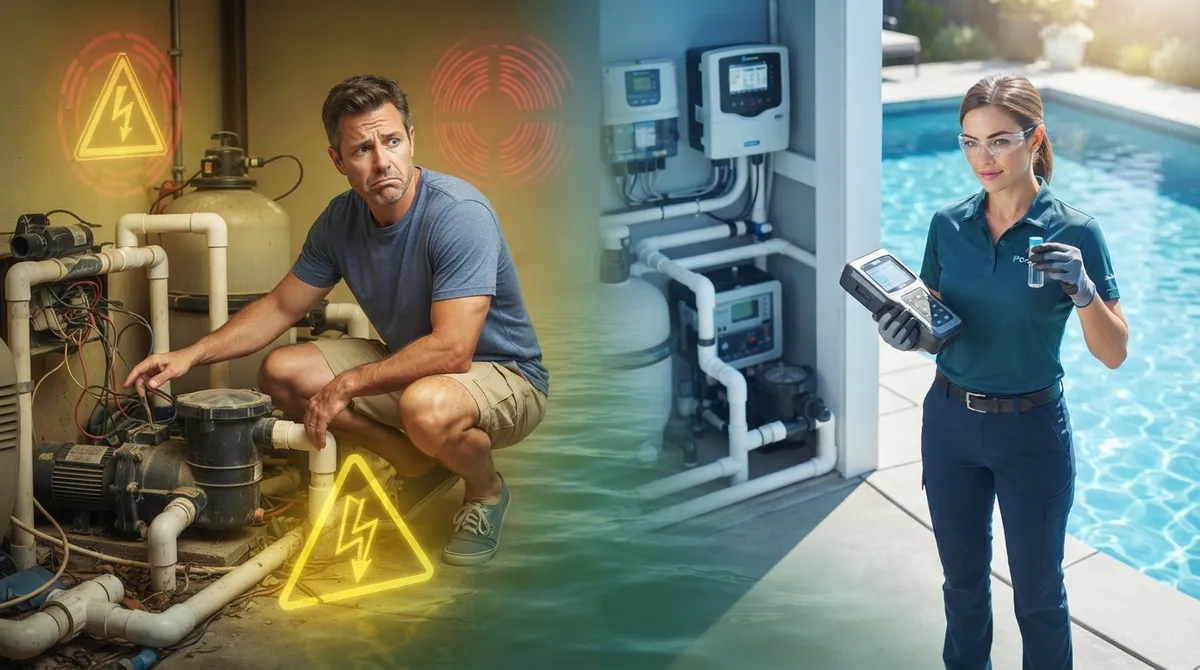
| Pump failure | Risk of electrical injury or worsening damage | Safe diagnosis and same-day repair or replacement |
| Chemical imbalance | Guessing dosages can cause burns or fumes | Trained handling following safety protocols |
| Leak detection | Difficult to pinpoint without experience | Accurate detection and prompt repair |
| Storm debris cleanup | Manageable for light debris | Best for heavy debris plus equipment inspection |
What to Do Before Help Arrives
While you wait for your technician, there are smart steps you can take to keep everyone safe and help speed up the process.
- Keep everyone out of the pool until circulation is confirmed safe
- Turn off equipment if you smell strong chemicals or see sparking wires
- Take photos of the issue, whether it’s a leak, cracked pipe, or green water
- Note when the problem started and any recent changes, like a storm or new chemicals added
- Clear the equipment pad area so technicians can access it quickly
- Have your pool’s chemical history or recent test results ready, if available
The CDC recommends closing a pool before servicing chlorine or pH-feed equipment, and swimmers shouldn’t return until systems have run for at least five minutes and water quality meets safe standards. This isn’t overly cautious; it’s just good sense.
Safety First: Know When to Call 911 Instead
This part matters more than anything else in this article. A pool technician, no matter how skilled, is not a substitute for emergency medical or fire response. If there’s a suspected drowning, serious injury, electrical danger, major chemical exposure, or fire, call 911 immediately.
The Consumer Product Safety Commission reports an average of 6,500 nonfatal drowning injuries per year among children under 15, with about 77% involving kids younger than five. These numbers remind us why pool safety, not just pool cleanliness, deserves everyone’s attention.
Quick Reference: Emergency vs. Non-Emergency
- Call 911 first: drowning, unconsciousness, severe burns, electrical shock, fire
- Call a pool service: pump failure, green water, leaks, filter issues, heater breakdowns
- Handle yourself: skimming, brushing, routine testing, minor chemical top-offs
How to Choose the Right Local Emergency Provider
Not every company that answers the phone at midnight is equipped to help. Before you commit, ask a few key questions.
- What is your typical response window for emergencies?
- Do you offer after-hours or weekend availability?
- Can your technicians handle both cleaning and mechanical repairs?
- Are you licensed and insured for pool work?
- What does your diagnostic process look like on arrival?
Panther Pools proudly serves Tampa with customer support available seven days a week, backed by a Certified Pool Operator credential (CPO 648855) and CPC License CPC1461336. Whether it’s a sudden pump failure or a pool that’s gone from crystal clear to swampy green overnight, our team shows up on time, communicates clearly, and never rushes the job. You can read more about our approach on our Tampa pool cleaning services page.
Why Green Pools Aren’t a One-Visit Fix
Here’s something worth knowing before you call anyone: a badly green pool usually isn’t fixed in a single afternoon. It takes testing, debris removal, filtration, brushing, chemical treatment, and often a follow-up visit before it’s truly swim-ready. Anyone promising an instant miracle might be setting unrealistic expectations. Our detailed breakdown on green pool cleanup steps explains exactly what the process looks like.
Organizations like the Florida Swimming Pool Association and the Independent Pool and Spa Service Association both emphasize proper training and process over quick fixes. That’s the same philosophy we bring to every Tampa pool we service, whether it’s a backyard retreat or a commercial property.
Special Considerations for Different Pool Owners
Every household uses their pool differently, so emergencies hit differently too.
- Busy suburban families: Fast response matters most when kids are eager to swim and safety can’t wait.
- Luxury homeowners: Custom equipment and premium finishes require technicians who understand high-end systems.
- Young pool owners: First-time owners often need extra guidance on what’s normal versus urgent.
- Retired active adults: Minimal hassle and clear communication go a long way for peace of mind.
- Commercial property managers: Downtime affects guests or tenants, so compliance and speed are critical.
No matter which group you fall into, understanding your pool’s equipment and history helps any technician work faster once they arrive. Learn more about proactive care in our guide to pool maintenance tips every Tampa owner needs.
The Bottom Line: DIY or Call for Help?
Small, routine tasks are perfectly fine to handle yourself. But once you’re dealing with equipment failure, unsafe chemical levels, or water that simply won’t clear, it’s time to bring in trained professionals. The EPA’s pool water efficiency resources also remind owners that proper equipment function protects both water quality and long-term costs, another reason not to delay repairs.
Panther Pools has built a reputation across Tampa for reliable, courteous service and honest communication, whether it’s a routine cleaning or an urgent equipment failure. We handle residential and commercial pools alike, with in-house repair capabilities that mean one call solves the whole problem. If your pool needs help today, don’t wait until it gets worse. Reach out to our team and let us turn your pool emergency into a quick, stress-free memory.
FAQs
Q: What counts as a pool cleaning emergency?
A: Great question! Think pump failures, severe algae blooms, broken plumbing, flooding, or strange chemical smells near your equipment. If it feels urgent and you’re not sure how to fix it safely, it probably counts. When in doubt, give a trusted local team a call.
Q: How quickly can an emergency pool service near me arrive?
A: It really depends on the provider and your location, but many Tampa companies, including Panther Pools, offer prompt response for urgent issues. We always recommend asking about response windows upfront so there are no surprises when you need help fast.
Q: Can a pool service clean and treat a green pool the same day?
A: Sometimes, but not always! A badly green pool often needs testing, brushing, filtration, and follow-up treatments before it’s truly safe to swim. We’ll be upfront with you about the timeline so you know exactly what to expect.
Q: What should I do if my pool pump stops working?
A: First, turn it off if you haven’t already, and keep everyone out of the water since circulation matters for safety. Then reach out to a professional who can diagnose the issue quickly, rather than risking a DIY fix on electrical equipment.
Q: Is it safe to swim if the pool has no circulation or smells strongly of chlorine?
A: Nope, it’s best to stay out until the system is checked and running properly. The CDC recommends waiting until circulation has run for at least five minutes and water quality is confirmed safe. Better safe than sorry, always!