
Key Takeaways
-
Robotic pool cleaners are not a substitute for professional maintenance—they cannot test water chemistry, adjust pH levels, or detect failing equipment like pump seals before costly repairs occur.
-
Choose cordless, battery-powered robotic models over corded versions for large pools to avoid tangling issues that significantly reduce cleaning efficiency.
-
Run your robotic cleaner only 2-3 times per week based on debris levels, not daily, to save electricity and extend the lifespan of brushes and tracks.
-
Empty and rinse the filter basket after every cleaning cycle and store the unit out of direct sunlight to prevent seal and cable degradation.
-
Verify your pool’s size and shape before purchasing a robotic cleaner, as freeform, small, or oddly-shaped pools require different navigation capabilities for proper coverage.
-
Select models with Wi-Fi connectivity, app-based scheduling, wall-climbing capability, and replaceable brush/filter components to minimize long-term maintenance costs.
So you bought a shiny new robotic swimming pool cleaner, and now it’s sitting in your garage half the time, tangled in its own cord, or stuck in the corner of the shallow end. Sound familiar? You’re definitely not alone. Robotic pool cleaners are one of the hottest trends in the pool cleaning world right now, and for good reason. But plenty of Tampa pool owners are making simple mistakes that keep their fancy gadget from actually earning its keep.
Whether you’re a busy parent trying to squeeze in pool time before soccer practice, or a retiree who just wants clear water without the hassle, this guide will walk you through the most common robotic pool cleaner slip-ups. We’ll also talk about when it makes sense to let a robot handle the basics and when you really need a trained human on the job. Let’s dive in (pun absolutely intended).
What Is a Robotic Swimming Pool Cleaner, Anyway?
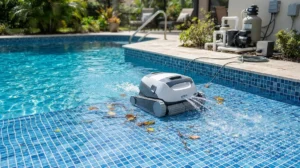
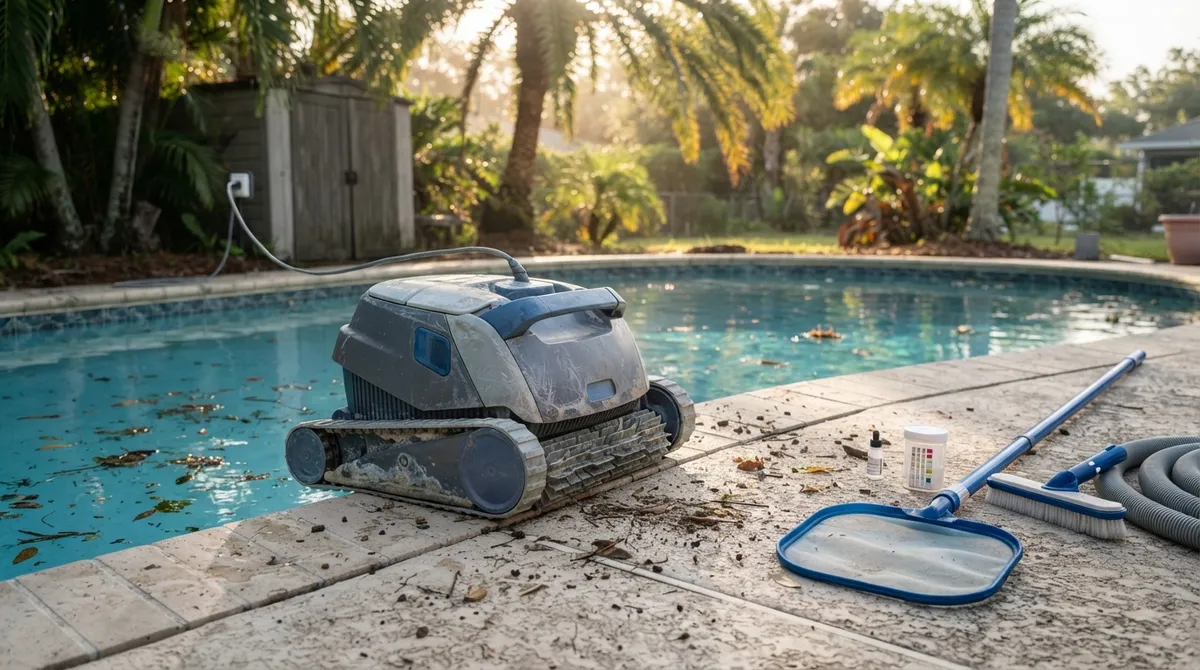
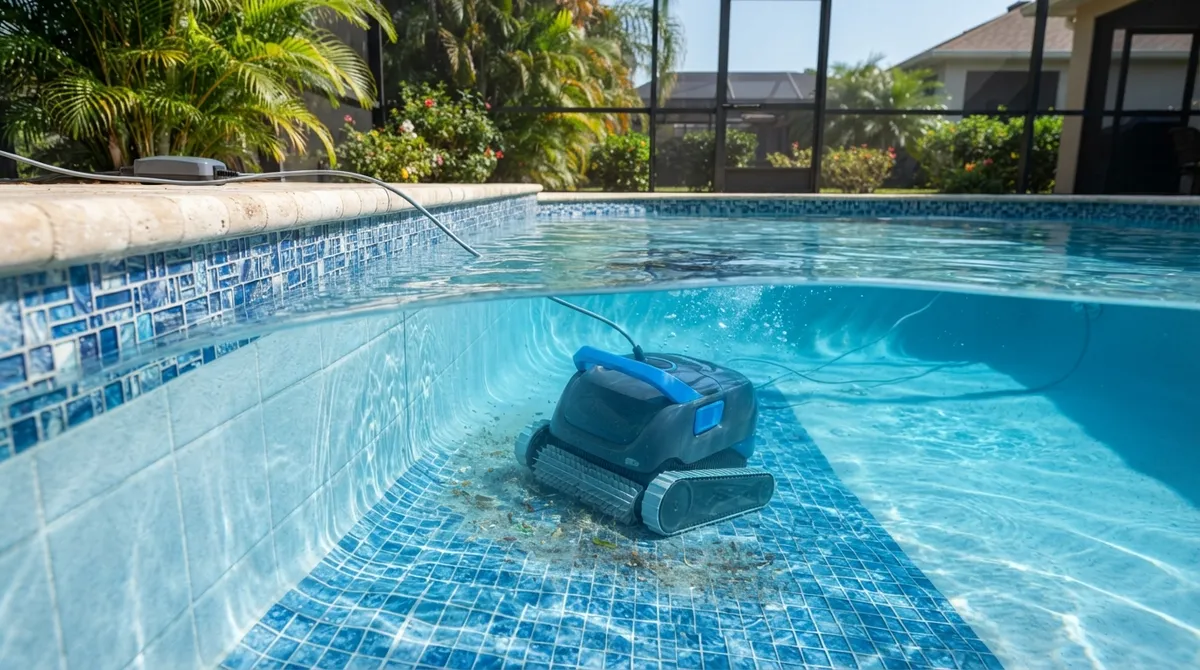
A robotic swimming pool cleaner is a self-contained machine that scrubs and vacuums your pool without hooking into your pool’s pump or filter system. It has its own motor, its own filter bag, and its own brushes. You just drop it in, and it gets to work crawling along the floor, walls, and sometimes even the waterline.
This is a big shift from older suction-side and pressure-side cleaners, which depend on your pool’s circulation system to move around. Robotic units run independently, which means they use less energy and put less strain on your existing equipment.
Why Tampa Homeowners Are Interested
Florida pools get a lot of use. Between year-round sunshine, falling leaves, and pollen storms, our pools need constant attention. That’s exactly why robotic cleaners have become so popular here. They promise convenience, but only if you use them the right way.
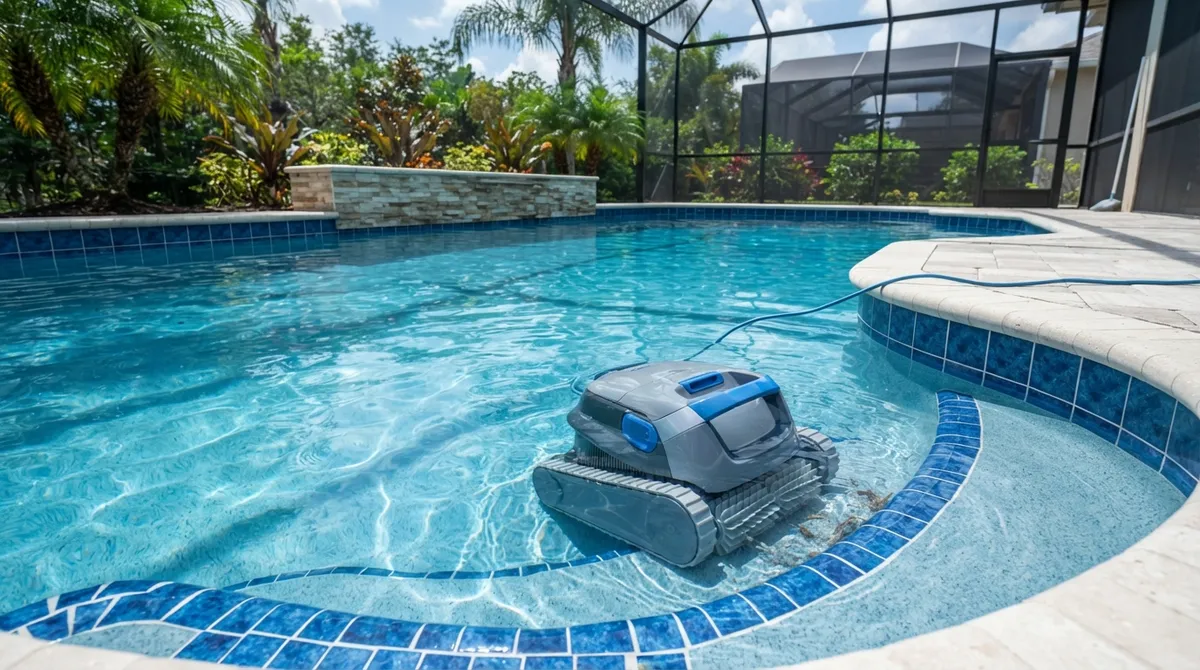
13 Robotic Pool Cleaner Mistakes That Cost You Time and Money
Here’s where things get real. These are the mistakes we see most often when Tampa families invest in a robotic cleaner but don’t get the results they expected.
1. Buying Without Checking Pool Size and Shape
Not every robot works for every pool. Freeform pools, small plunge pools, and oddly shaped commercial pools all need different navigation capabilities. Buying the wrong size cleaner means poor coverage and missed spots.
2. Skipping the Manual Completely
We get it, manuals are boring. But skipping setup instructions leads to incorrect filter installation, wrong cycle settings, and premature wear on the motor.
3. Running It Every Single Day Unnecessarily
Robots are great, but running them daily when your pool doesn’t need it wastes electricity and shortens the lifespan of brushes and tracks.
4. Ignoring the Filter Basket
A clogged filter basket makes your robot work harder and clean worse. This is one of the easiest maintenance tasks people forget.
5. Leaving It in the Pool When Not in Use
Prolonged sun exposure and constant water contact wear down seals and cables faster than you’d think. Store it properly after each cycle.
6. Assuming It Replaces All Pool Maintenance
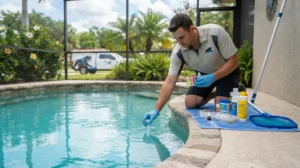
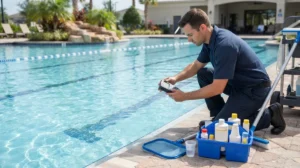
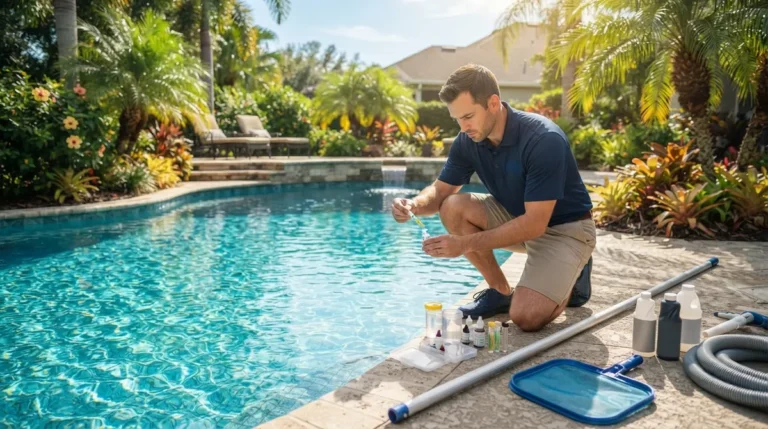
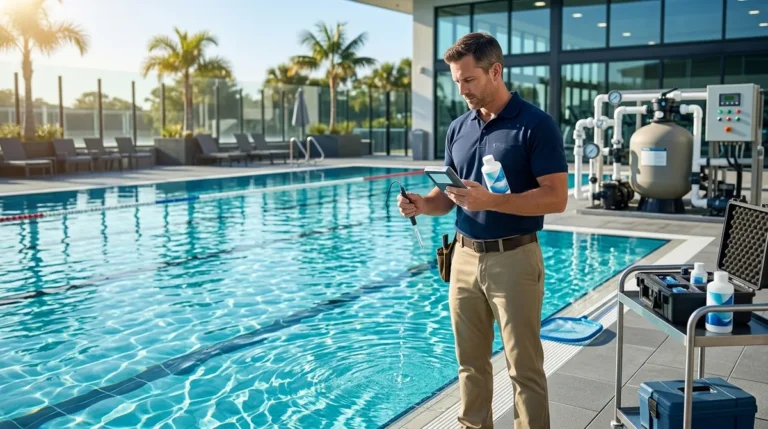
This is probably the biggest mistake we see. A robotic cleaner handles surface debris and light scrubbing, but it does not test your water chemistry, backwash your filter, or spot early signs of equipment failure. For that, you still need a trained eye, like the technicians behind our pool cleaning services in Tampa.
7. Choosing Corded Models for Large Pools
Cordless, battery-powered robots are becoming the industry standard for a reason. Corded models can tangle, especially in larger pools, and tangling reduces cleaning efficiency significantly.
8. Not Using the App Features
Many modern robots come with Wi-Fi connectivity and smartphone control. Skipping these features means missing scheduling options, cleaning maps, and maintenance alerts that extend the life of your unit.
9. Forgetting About Waterline Buildup
Not every robot cleans the waterline. If yours doesn’t, you’ll need a separate plan for those stubborn scum lines. Our article on removing pool stains and restoring crystal-clear water covers this in detail.
10. Overlooking Brush and Track Wear
Just like tires on a car, brushes and tracks wear out. Replacing them on schedule keeps your robot gripping pool surfaces properly.
11. Using It in a Green or Algae-Heavy Pool
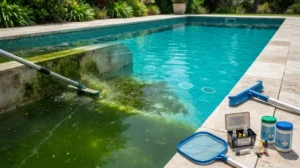
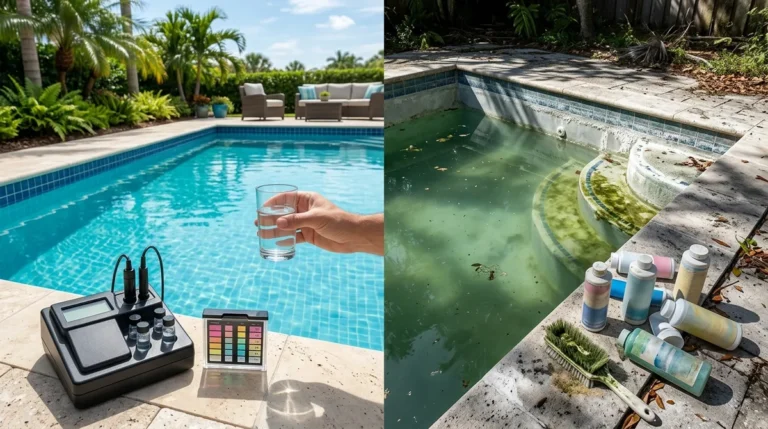
Robots are designed for light-to-moderate debris, not for tackling a full algae bloom. Trying to use one in a green pool can clog the motor and damage internal components. If your pool has turned green, check out our guide on removing pool algae and restoring crystal-clear water before running your robot again.
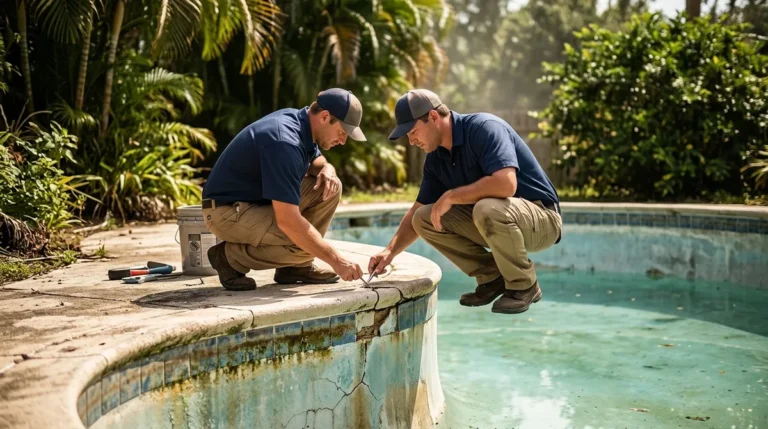
12. Never Scheduling a Professional Inspection
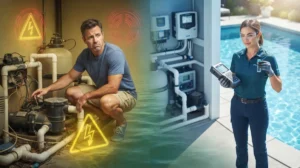
Even the best robotic cleaner can’t tell you if your pump is failing or your heater needs attention. Regular professional visits catch issues early. That’s exactly what our pool maintenance services are built for.
13. Assuming Commercial Pools Can Rely Solely on Robots
For hotels, apartment complexes, and community pools, robotic cleaners simply can’t keep up with code requirements and heavy bather loads alone. Property managers still need dependable, commercial pool service for compliance and safety.
How Robotic Pool Cleaners Actually Work
Understanding the mechanics helps you avoid a lot of these mistakes. Here’s a simple breakdown of what’s happening inside that little machine.
- The onboard motor powers rotating brushes that scrub algae and debris loose from pool surfaces.
- An internal pump sucks up loosened dirt and pulls it into a filter bag or cartridge.
- Navigation sensors map the pool and plan an efficient cleaning path.
- Some models climb walls using suction technology, allowing full-surface cleaning.
- Once the cycle finishes, most units automatically shut off or float to the surface for easy retrieval.
This is very different from suction-side and pressure-side cleaners, which rely on your pool’s circulation system to move and collect debris.
Robotic vs. Suction-Side vs. Pressure-Side Cleaners
Choosing the right cleaner type matters just as much as picking the right brand. Here’s a quick comparison to help you decide what fits your pool best.
| Cleaner Type | Power Source | Best For | Waterline Cleaning |
|---|---|---|---|
| Robotic | Independent motor/battery | All pool types, energy savings | Some models |
| Suction-Side | Pool’s suction line | Small, simple pools | No |
| Pressure-Side | Pool’s return line or booster pump | Large debris, leaves | No |
As you can see, robotic units offer the widest range of benefits, especially for busy families and commercial properties that need consistent results.
The Growing Popularity of Robotic Pool Cleaners
This isn’t just a passing trend. Industry data shows just how fast this category is expanding.
- One forecast estimates the robotic pool cleaner market will hit USD 1.34 billion in 2026 and grow to USD 3.34 billion by 2031.
- Another report projects the market reaching USD 2.35 billion in 2026, climbing to USD 5.9 billion by 2034.
- A separate 2025 industry report estimates a jump from USD 1.11 billion to USD 2.15 billion by 2030.
- North America accounted for 58.8 percent of global revenue in 2023, making it a leading region for adoption.
- Growth is driven largely by cordless, battery-powered models replacing older tethered designs.
These numbers reflect what we’re seeing here in Tampa too. More homeowners want smart, low-energy solutions, but they still need professional support to keep their pools truly balanced and safe.
Features Worth Looking For
If you’re shopping for a robotic pool cleaner, keep this checklist in mind.
- Cordless, battery-powered design for easier handling
- Wi-Fi connectivity and app-based scheduling
- Obstacle detection and smart navigation mapping
- Wall-climbing and waterline cleaning capability
- Replaceable brushes, filters, and tracks
- Predictive maintenance alerts
These features reduce long-term costs and make day-to-day use much simpler, especially for young pool owners juggling work and weekend plans.
When You Still Need a Professional Pool Technician
Robots are wonderful helpers, but they are not a substitute for trained eyes. According to guidance from the EPA’s pool water efficiency resources, proper water balance and equipment upkeep play a huge role in both safety and conservation. Robots don’t test chemistry, adjust pH, or spot a failing pump seal before it becomes a costly repair.
Organizations like the Florida Swimming Pool Association and the Independent Pool and Spa Service Association both emphasize the importance of trained technicians for long-term pool health. That’s where a family-owned, Certified Pool Operator-backed company like Panther Pools comes in. We handle everything a robot can’t, from pool pump maintenance to full-scale equipment repairs.
A Simple Weekly Routine That Works
Here’s an easy routine we recommend for Tampa homeowners who own a robotic cleaner but still want expert-level results.
- Run your robotic cleaner two to three times per week, depending on debris levels.
- Empty and rinse the filter basket after every cycle.
- Store the unit out of direct sunlight when not in use.
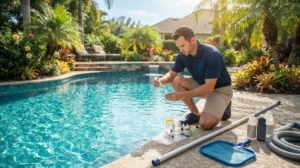
- Schedule a professional visit for water testing and equipment checks.
- Address any equipment issues immediately with a trusted technician.
This combination gives you the convenience of automation with the peace of mind that comes from professional oversight.
Why Tampa Families Trust Panther Pools
We’ve spent years helping Tampa families, retirees, and property managers keep their pools sparkling clean and running safely. Our technicians show up on time, work efficiently, and never rush through a job. We’re proud to hold a Certified Pool Operator credential and CPC License, and we back every visit with honest advice you can actually trust.
If you’re a busy parent who just wants a safe backyard for the kids, a luxury homeowner who wants your pool looking flawless year-round, or a property manager juggling multiple commercial sites, we’re here seven days a week. We also recommend checking out trusted local partners like Dental Theory for other quality service needs around Tampa.
Final Thoughts on Robotic Pool Cleaners
Robotic swimming pool cleaners are a fantastic tool, but they work best as part of a bigger plan. Pair your robot with a professional maintenance schedule, and you’ll enjoy a pool that’s not just clean on the surface, but safe and balanced underneath. If you want backup from technicians who know Tampa pools inside and out, reach out to our team today and let’s keep your pool in perfect shape all year long.
FAQs
Q: What is a robotic swimming pool cleaner?
A: It’s a self-powered pool cleaning device that scrubs floors, walls, and sometimes waterlines all on its own. It doesn’t rely on your pool’s pump or filter system, so it saves energy while getting the job done.
Q: How does a robotic pool cleaner work?
A: It uses its own motor, brushes, and filter to loosen and collect debris as it moves around your pool. Smart models even map out your pool for a more efficient cleaning path, which is pretty neat if you ask us.
Q: Are robotic pool cleaners worth it?
A: For many Tampa families, yes, they’re a great time-saver for everyday debris and light scrubbing. Just remember they work best alongside regular professional care, not as a total replacement for it.
Q: Do robotic pool cleaners clean walls and waterlines?
A: Some higher-end models can climb walls and tackle waterline grime, but not all of them do. It’s worth checking the specs closely before you buy, especially if waterline buildup is a recurring issue for you.
Q: How long do robotic pool cleaners last?
A: With proper care, most robotic cleaners last several years, but brushes, tracks, and filters need periodic replacement. Storing it properly and cleaning the filter regularly really does make a big difference in lifespan.