
Key Takeaways
-
Professional pool equipment installation protects your investment by ensuring proper electrical wiring, plumbing connections, and water chemistry handling—mistakes can void warranties, create safety hazards, and cost significantly more than DIY attempts.
-
Watch for early warning signs like unusual noises, reduced water flow, rising energy bills, and cloudy water; schedule annual inspections to catch equipment wear before breakdowns occur, especially before peak summer season in Tampa.
-
Choose licensed, certified installers (look for CPO credentials and valid contractor licenses) who offer free estimates, clear communication, and both installation and ongoing maintenance services from the same trusted team.
-
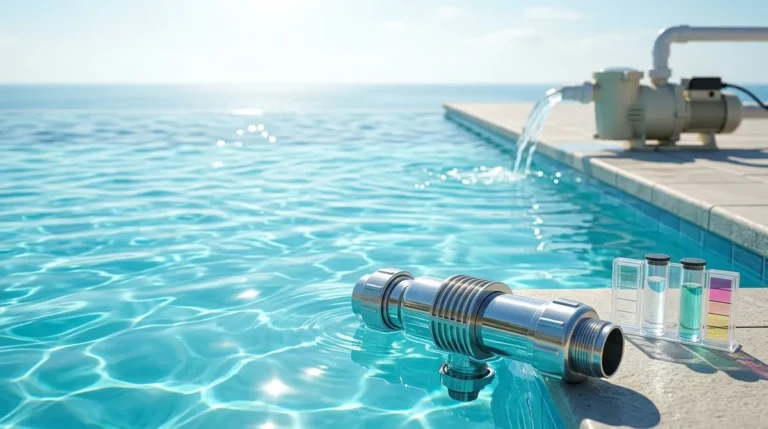
Pool equipment installation covers much more than pump replacement—including filters, heaters, salt generators, automation systems, lighting, and motors, where failure of one system affects overall pool performance and water quality.
-
New or upgraded equipment directly impacts pool cleanliness: better pumps improve circulation, upgraded filters catch more debris, and salt systems reduce manual chemical treatments—making equipment and cleaning services a powerful combination.
-
Installation is just the beginning; ongoing weekly cleaning, water chemistry monitoring, equipment performance checks, and seasonal adjustments are essential to maximize your investment and prevent costly repairs.
Your pool is one of the best parts of your Tampa home. But when equipment breaks down or underperforms, that backyard paradise can turn into a headache fast. Whether your pump is struggling, your heater isn’t warming the water, or your filter is long overdue for replacement, finding reliable pool equipment installation near me is the smartest move you can make. The right installation doesn’t just fix the immediate problem — it sets your pool up for better performance, cleaner water, and lower energy bills for years to come. In this guide, we’ll walk you through six essential facts every Tampa pool owner should know before hiring a local installer. From understanding what’s actually involved to knowing what questions to ask, you’ll feel confident and ready to make the best decision for your pool.
1. Pool Equipment Installation Covers More Than You Think
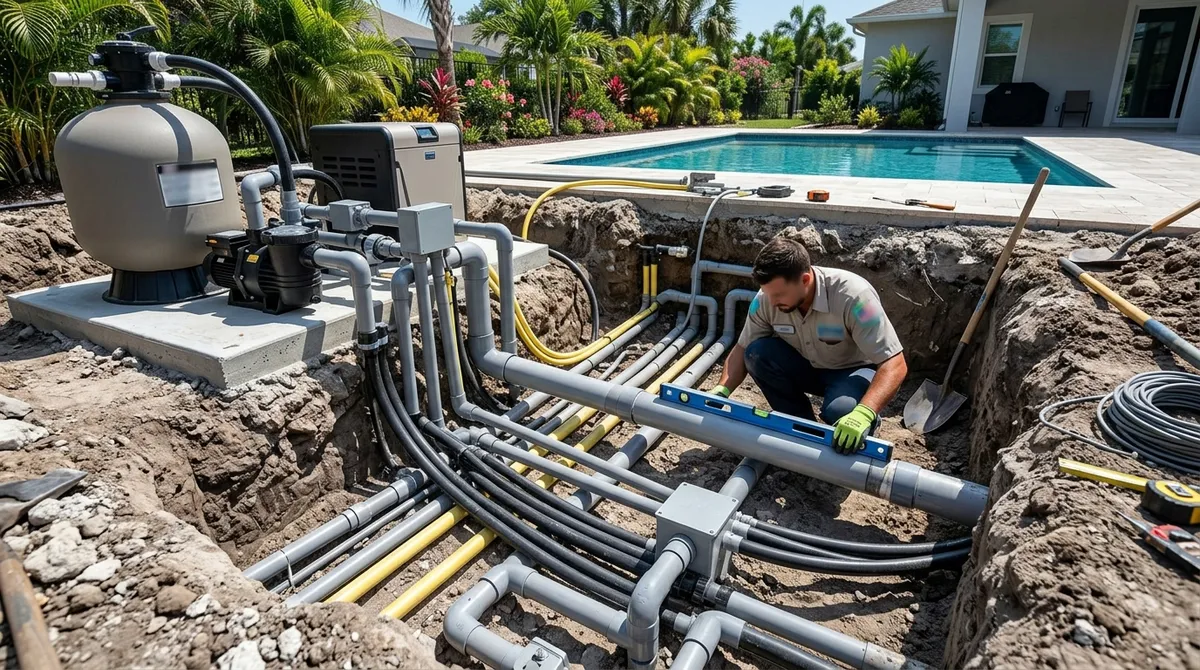
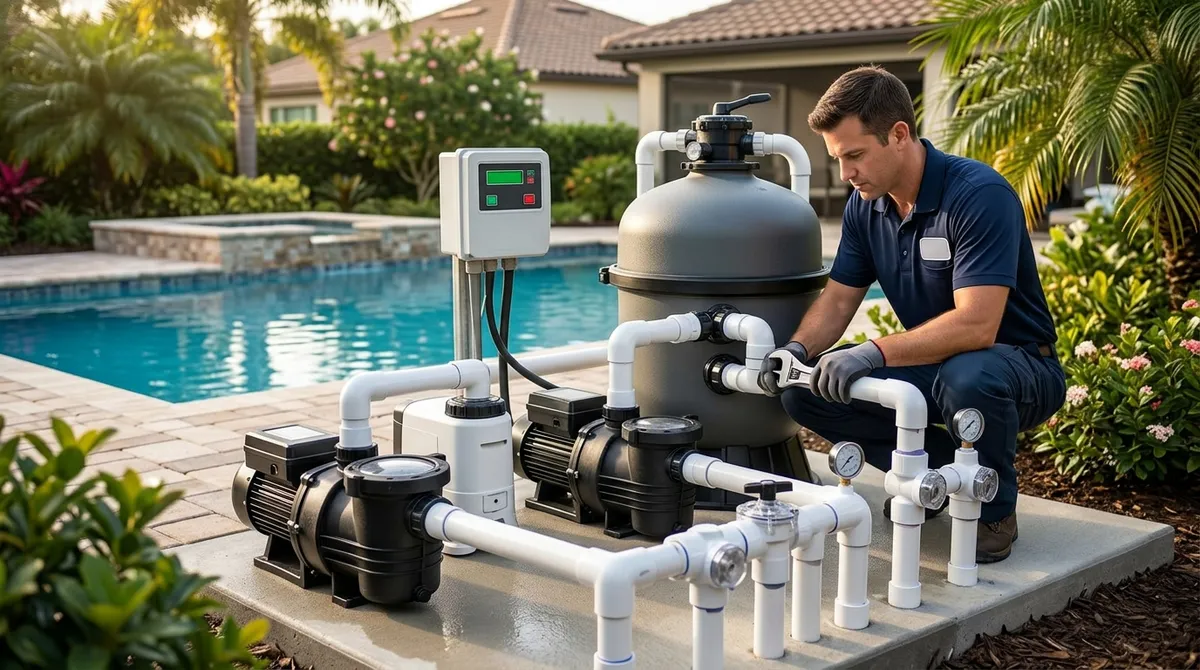
Many homeowners assume pool equipment installation just means swapping out an old pump. In reality, it’s a much broader service. A qualified local pool company can install and replace a wide range of essential systems that keep your pool running smoothly every single day.
Here’s a look at the most common types of pool equipment that professionals install:
- Pool pumps – The heart of your pool’s circulation system
- Pool filters – Keeping debris and contaminants out of your water
- Pool heaters – For comfortable swimming all year in Florida’s varied seasons
- Salt chlorine generators – A gentler, more efficient alternative to traditional chlorine
- Pool automation systems – Smart controls for lighting, pumps, and more
- Pool lighting – LED upgrades and safety lighting installations
- Pool motors – Replacements that restore pump performance
Each of these systems plays a unique role. When one fails, it affects everything else. That’s why professional installation matters so much. You can learn more about automation options in our guide on 9 Pool Automation Systems Every Tampa Pool Owner Needs.
2. Professional Installation Protects Your Pool and Your Wallet
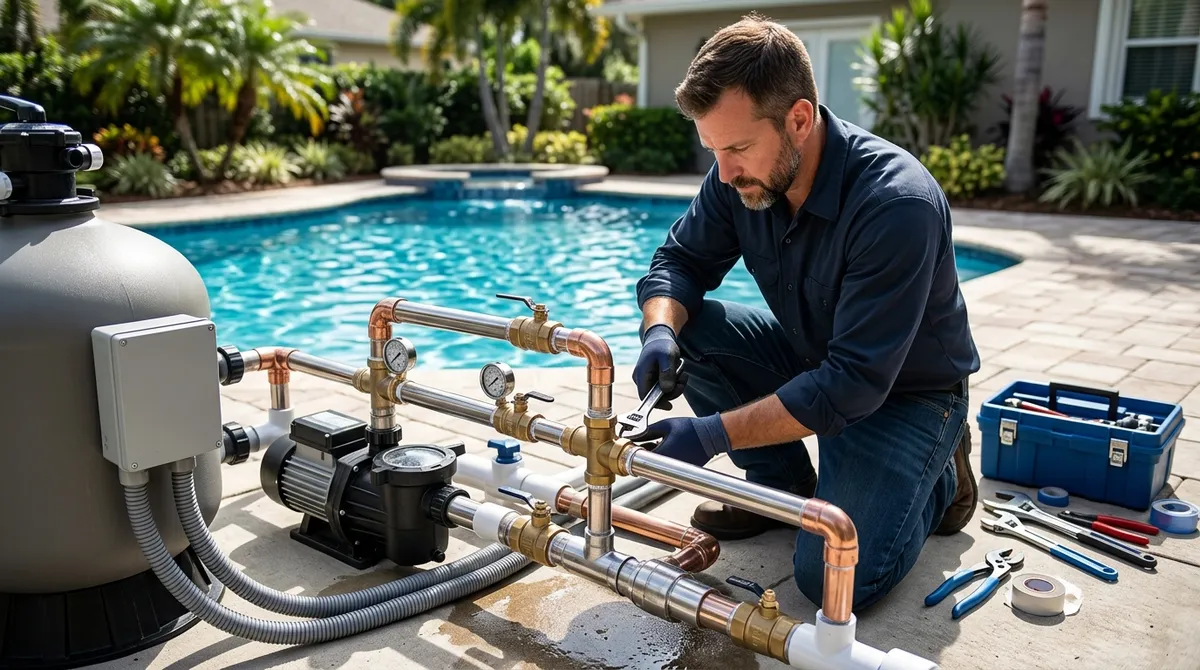
It can be tempting to watch a video online and try to install pool equipment yourself. But pool systems involve electrical wiring, plumbing connections, and water treatment chemistry all at once. A single mistake can damage expensive equipment or even create a safety hazard.
Licensed pool technicians have the training to handle all of these elements correctly the first time. As the Florida Swimming Pool Association (FSPA) emphasizes, professional installation by certified technicians helps ensure that pool equipment operates safely and efficiently for its full expected lifespan.
Why DIY Pool Equipment Installation Often Costs More
Here are some real risks of skipping professional installation:
- Incorrect sizing – A pump or filter that’s the wrong size for your pool will wear out faster and waste energy
- Improper wiring – Electrical mistakes with heaters or automation systems can cause safety hazards
- Voided warranties – Many manufacturers require professional installation to keep warranties valid
- Poor water balance – A badly installed salt system or filter can throw off your water chemistry
The Independent Pool and Spa Service Association (IPSSA) also highlights that proper equipment installation directly affects water quality and pool safety — two things you never want to compromise. For more on what can go wrong, check out 7 Pool Equipment Repair Mistakes You Should Never Make.
3. Equipment Installation and Pool Cleaning Go Hand in Hand
Here’s something many pool owners don’t realize: new or upgraded equipment directly affects how easy (or hard) your pool is to keep clean. A more powerful pump improves circulation. A better filter catches more debris. A salt system reduces the need for manual chemical treatments.
That’s why the best local pool companies offer both installation and ongoing cleaning and maintenance services together. When the same team handles your equipment and your weekly cleaning, they can catch problems early and keep everything running like clockwork.
| Equipment Type | How It Impacts Pool Cleanliness | Recommended Action |
|---|---|---|
| Pool Pump | Drives circulation and filtration | Replace every 8–12 years or when efficiency drops |
| Pool Filter | Removes debris, bacteria, and particles | Clean regularly; replace media as needed |
| Salt Chlorine Generator | Maintains consistent sanitation levels | Inspect cells annually; replace every 3–7 years |
| Pool Heater | Maintains comfortable water temps year-round | Service annually; replace when heating becomes inefficient |
| Automation System | Optimizes pump schedules and chemical dosing | Upgrade when manual controls become unreliable |
Want to dive deeper into why your filter matters so much? Our article on Maintaining Your Pool’s Filters has everything you need to know.
4. What to Look for When Choosing a Local Pool Equipment Installer
Not all pool companies are created equal. When you’re searching for pool equipment installation near me in Tampa, it pays to be a little choosy. The company you hire will be working on systems that affect your water quality, energy use, and pool safety.
Here’s a simple checklist to help you choose wisely:
- Licensed and certified – Look for a Certified Pool Operator (CPO) credential and a valid contractor’s license
- Experience with your equipment type – Not every tech is equally trained on automation, heaters, or salt systems
- Free estimates – A reputable company won’t charge you just to assess your needs
- Clear communication – They should explain exactly what’s being installed and why
- Ongoing maintenance options – Companies that also offer cleaning plans can monitor your new equipment regularly
- Strong local reviews – Look for consistent praise for quality work and responsiveness
At Panther Pools, our team holds both a Certified Pool Operator credential (CPO 648855) and a CPC License (CPC1461336). That means you can trust us to install equipment correctly, safely, and with your long-term pool health in mind. You can also read more about us on our About page.
5. Timing Your Installation Can Save You Major Headaches
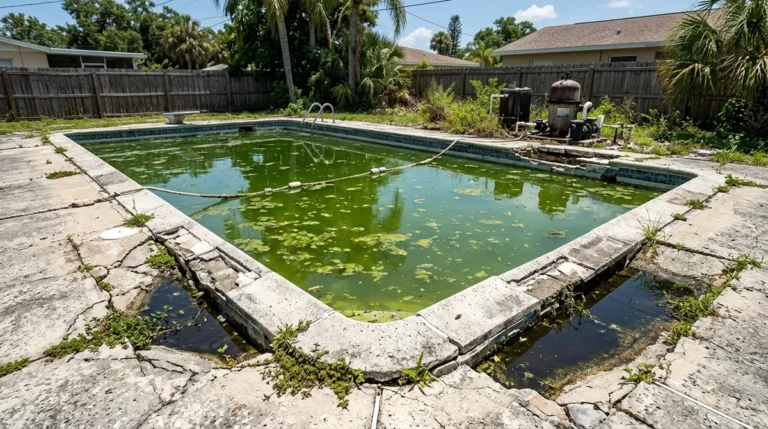
One of the biggest mistakes Tampa pool owners make is waiting until equipment completely fails before calling for help. By that point, you may end up with a green pool, damaged plumbing, or a more expensive repair than if you’d acted sooner.
Here’s how to stay ahead of the curve with smart timing:
- Watch for warning signs early – Unusual noises, reduced water flow, rising energy bills, or cloudy water are red flags
- Schedule annual equipment inspections – A yearly checkup can catch wear before it becomes a breakdown
- Plan upgrades before peak swim season – Tampa summers are long and hot — the last thing you want is a broken heater or dead pump in July
- Bundle installation with maintenance plans – This keeps your new equipment properly monitored from day one
Curious about what warning signs to look for with your pump specifically? Our guide on 7 Pool Pump Repair Signs You Need Help Now is a great starting point. And for heater concerns, don’t miss How to Fix Pool Heater Issues Fast and Keep Your Pool Warm.
The EPA’s pool water efficiency resources also point out that upgrading to more efficient pumps and systems can significantly reduce energy use — another great reason to not wait too long on an aging system.
Signs Your Pool Equipment Needs Replacing Soon
- Pump is more than 10 years old and running loudly
- Filter pressure readings are consistently outside the normal range
- Heater takes much longer than usual to reach set temperature
- Salt cell is visibly corroded or producing poor chlorine output
- Automation controls are unresponsive or malfunctioning
6. Installation Is Just the Beginning — Ongoing Service Keeps It Running
Getting new pool equipment installed is exciting. But installation is really just the starting line. To get the most out of your investment, your new systems need regular care. That means routine cleaning, water chemistry checks, and periodic inspections by someone who knows your specific setup.
This is where choosing a company that offers both installation and ongoing pool maintenance makes all the difference. When you have one trusted team handling everything, nothing slips through the cracks. They already know your equipment, your pool’s history, and what to watch for.
What Ongoing Service Looks Like After Installation
- Weekly pool cleaning visits – Keeping debris clear so your new filter and pump don’t overwork
- Water chemistry monitoring – Balanced water protects your equipment from corrosion and scaling
- Equipment performance checks – Catching small issues before they become costly repairs
- Seasonal adjustments – Tweaking heater settings, pump schedules, and chemical levels as Tampa’s weather shifts
Our Pool Cleaning Services Tampa page has a full overview of what a complete maintenance plan looks like. And if you’re curious about what full pool maintenance really involves day-to-day, check out What Does Proper Swimming Pool Maintenance Really Involve?
For commercial property managers in Tampa, the stakes are even higher. Pool equipment downtime can affect compliance, guest satisfaction, and liability. Our commercial pool service guide explains why professional installation and ongoing care are non-negotiable for business pools.
Make the Smart Choice for Your Tampa Pool
Finding reliable pool equipment installation near me in Tampa doesn’t have to be stressful. When you know what to look for and what questions to ask, you’ll find a company that treats your pool with the same care you do. Look for licensed professionals, free estimates, and a team that offers both installation and ongoing maintenance in one trusted package.
At Panther Pools, we’re proud to be Tampa’s go-to team for everything from pump and heater installations to salt systems, automation upgrades, and full weekly service plans. We offer free estimates, seven-day customer support, and a team of certified technicians who genuinely love what they do. Before booking, you can also explore What Should You Know About Pool Equipment Installation? for even more helpful guidance.
Ready to get started? Reach out to our friendly team today for your free estimate and let’s get your pool running better than ever.
FAQs
Q: What does pool equipment installation near me typically include?
A: Great question! Local pool equipment installation usually covers pumps, filters, heaters, salt chlorine generators, automation systems, motors, and lighting. A full-service pool company like Panther Pools can handle all of these and help you choose the right equipment for your specific pool size and needs.
Q: Should I hire a licensed technician for pool equipment installation?
A: Absolutely — and we can’t stress this enough! Pool equipment involves electrical wiring, plumbing, and water chemistry all at once. A licensed, certified installer ensures the job is done safely, your warranties stay valid, and your equipment performs at its best from day one.
Q: Can pool equipment installation be combined with a regular pool cleaning plan?
A: Yes, and it’s actually the best way to go! When you work with a company that handles both installation and weekly cleaning, your new equipment gets monitored regularly. That means fewer surprises and a pool that stays cleaner, safer, and better performing all year long.
Q: How long does it take to install a new pool pump or filter?
A: Most standard pump or filter installations can be completed in just a few hours by an experienced technician. More complex installs — like automation systems or heaters — may take a bit longer. Your pool service provider should give you a clear timeline before any work begins.
Q: What pool equipment should I replace first if I have an older pool?
A: If your pool is older, the pump and filter are usually the best place to start since they’re the backbone of water circulation and cleanliness. From there, upgrading to a salt chlorine generator or adding automation controls can make a big difference in efficiency and ease of maintenance.