
Key Takeaways
-
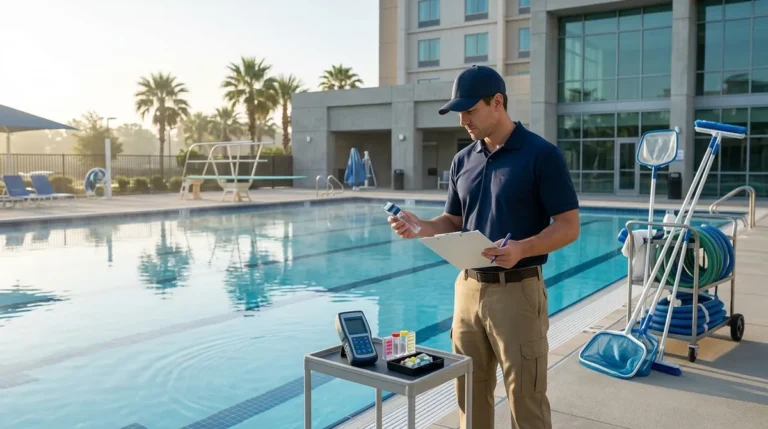
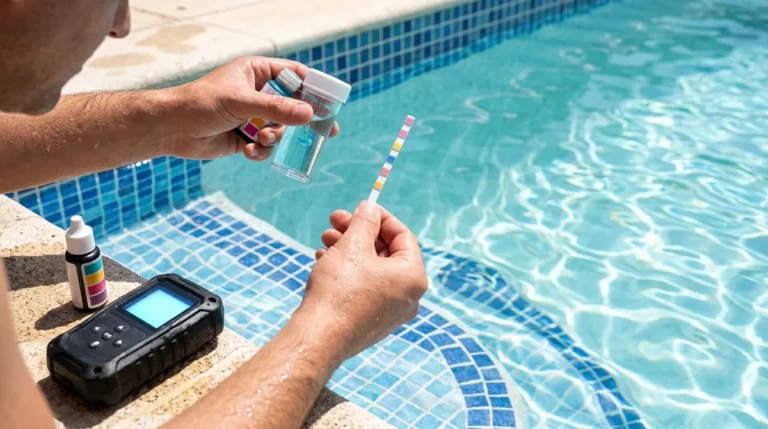
Regular pool maintenance (80-120/month) prevents 80% of major repairs and catches issues early before they become expensive emergencies.
-
Professional repair technicians are critical for complex pool systems, as they can accurately diagnose root causes and prevent small problems from becoming major disasters.
-
Equipment failures like pump motor issues, heater malfunctions, and filter system breakdowns require immediate professional attention to prevent safety hazards and water quality problems.
-
Eco-friendly technologies like variable-speed pumps and smart automation systems can reduce long-term operating costs and typically recoup investment within 2-3 years.
-
Tampa’s unique climate with constant UV exposure, high humidity, and year-round swimming creates accelerated wear on pool equipment, making preventive maintenance especially crucial.
If you own a pool in Tampa, you’ve probably wondered why fixing problems always seems more expensive than keeping up with regular cleaning. The truth is, pool repairs involve more than just skimming leaves or balancing chemicals. When something breaks, it often means specialized parts, skilled technicians, and sometimes emergency service calls that can quickly add up. Understanding why repairs cost what they do helps you make smarter decisions about maintaining your pool and avoiding those surprise expenses that nobody wants.
Pool repair costs reflect the technical expertise required to diagnose problems, the quality of replacement parts, and the labor involved in fixing issues that regular maintenance simply doesn’t cover. While weekly cleaning keeps your water sparkling, repairs address the mechanical and structural systems that make your pool function. In 2026, the pool service industry has evolved dramatically, with 42% of pool service operators expanding into repair service lines including renovations and equipment upgrades. This shift shows how essential quality repair work has become for protecting your investment and ensuring your pool stays safe and enjoyable year-round.
The Hidden Complexity Behind Pool Repair Work
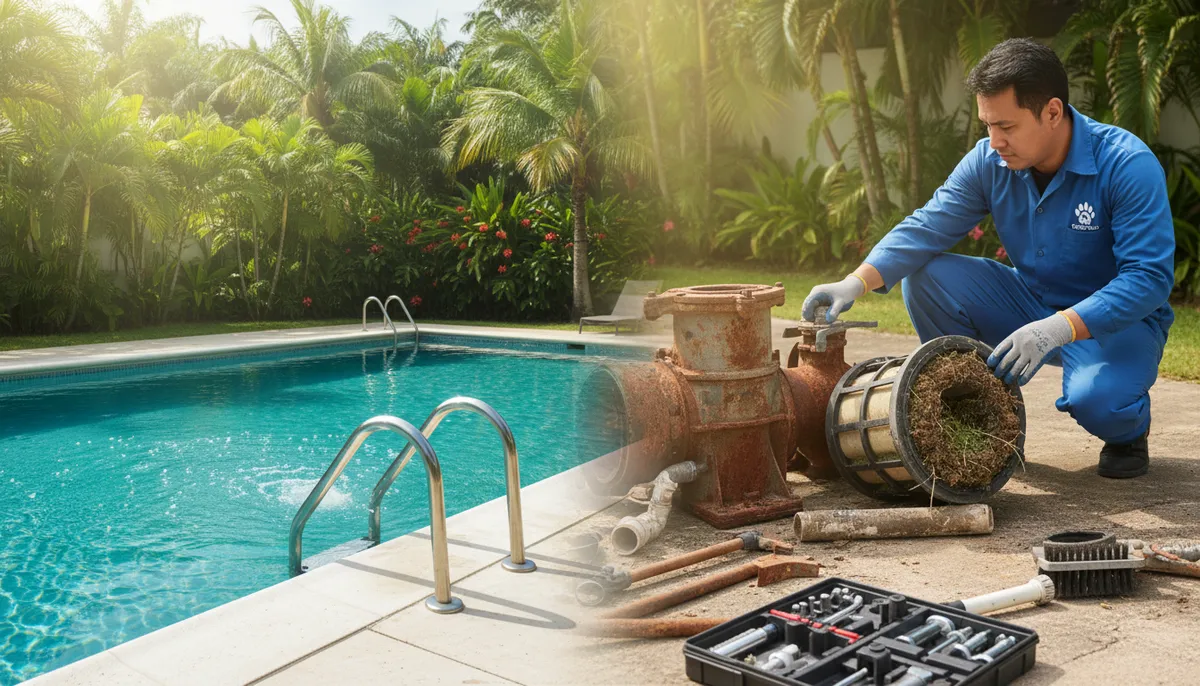
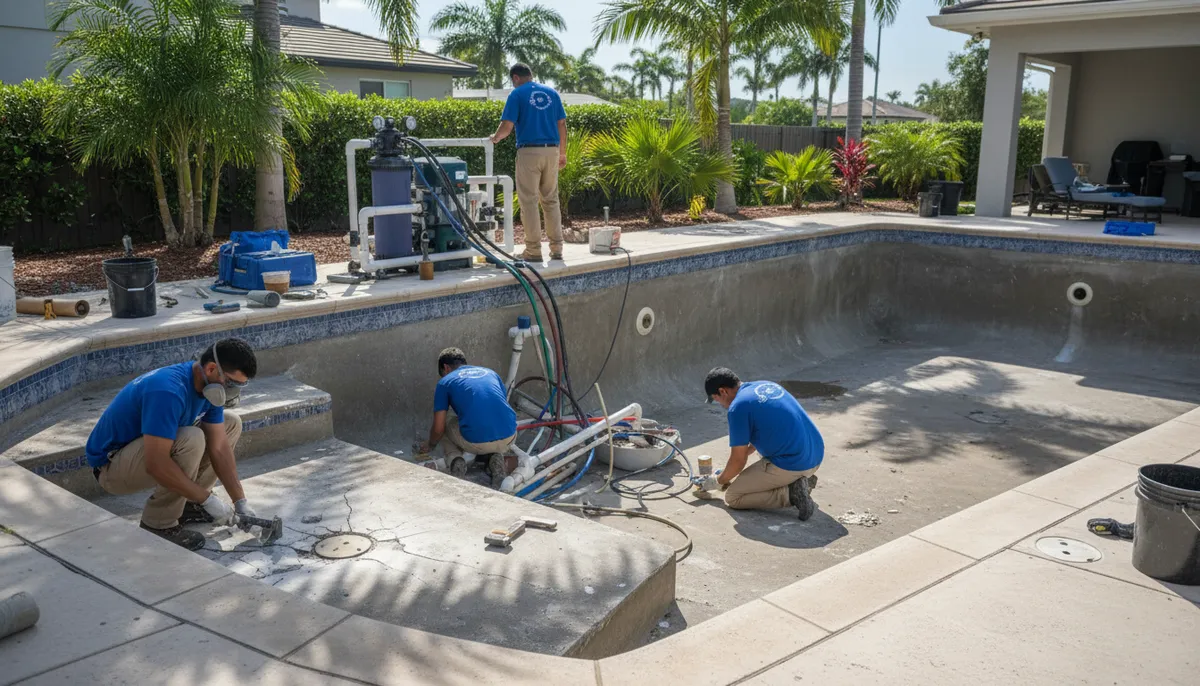
When your pool pump stops working or you notice a crack in the tile, it might seem like a simple fix. However, pool repairs require diagnostic skills that go far beyond basic maintenance. A certified technician needs to identify the root cause of the problem, not just treat the symptoms. For example, a leak might appear in one area but actually originate from damaged plumbing several feet away. This detective work takes time, experience, and specialized equipment that most homeowners don’t have access to.
Modern pools contain intricate systems including filtration equipment, heating mechanisms, electrical components, and chemical automation. Each system connects to others, meaning one failure can trigger multiple issues. Professional repair technicians understand these relationships and can prevent small problems from becoming major disasters. At Panther Pools, our team holds certification through the Certified Pool Operator program, ensuring we approach every repair with the technical knowledge needed to get it right the first time.
Equipment Failures That Require Immediate Attention
Some pool problems demand urgent repair to prevent further damage or safety hazards. Understanding which issues require immediate professional help can save you thousands in the long run. Here are the most common equipment failures that need prompt attention:
- Pump motor failures: When your pump stops circulating water, algae growth begins within 24 hours, and stagnant water becomes a breeding ground for bacteria.
- Heater malfunctions: Gas leaks or electrical problems in heating systems pose serious safety risks and should never be DIY projects.
- Filter system breakdowns: Without proper filtration, your water becomes cloudy and unsafe, requiring expensive chemical treatments to correct.
- Automation system errors: Smart pool technology that controls chemicals and cleaning cycles needs professional programming and troubleshooting.
According to the EPA Pool Resources, maintaining proper equipment function significantly reduces water waste and energy consumption, making timely repairs both environmentally and financially smart.
Material Costs in Pool Repair Have Increased Significantly
One major factor driving repair costs upward is the price of materials. Between 2019 and 2026, concrete prices have nearly doubled, directly impacting structural repairs and renovation projects. Pool equipment manufacturers have also raised prices due to supply chain challenges and the incorporation of more sophisticated technology into pumps, filters, and automation systems.
Quality replacement parts cost more than budget alternatives, but they last significantly longer and come with warranties that protect your investment. Professional pool companies source commercial-grade equipment designed for Florida’s harsh climate, including intense UV exposure, high humidity, and constant use during long swimming seasons. Cheap parts might save money initially but often fail quickly, leading to repeated repair calls that cost far more over time.
Eco-Friendly Technologies That Save Money Long-Term
While eco-friendly pool repair technologies may have higher upfront costs, they deliver substantial savings through reduced energy bills and lower chemical dependence. In 2026, these green technologies have become some of the hottest trends in pool service:
- Variable-speed pumps: These energy-efficient motors adjust power based on your pool’s needs, cutting electricity costs by up to 75% compared to single-speed models.
- Advanced filtration systems: Modern filters remove smaller particles with less water waste, extending the time between backwashing cycles.
- Smart automation: Programmable systems optimize chemical dosing and cleaning schedules, preventing overuse of expensive treatments.
- LED lighting upgrades: Energy-efficient pool lights use 80% less electricity than traditional incandescent bulbs and last five times longer.
- Saltwater chlorination systems: These generate chlorine from salt, eliminating the need to purchase and store harsh chemicals.
- Solar heating options: Harnessing Florida’s abundant sunshine reduces or eliminates gas heating costs entirely.
Research from IPSSA shows that homeowners who invest in eco-friendly pool equipment typically recoup their investment within 2-3 years through reduced operating costs.
The True Cost of Preventive Maintenance Versus Emergency Repairs
Here’s something most pool owners learn the hard way: regular maintenance costs far less than emergency repairs. A weekly service plan typically runs between $80-120 per month and includes water testing, chemical balancing, skimming, brushing, and equipment inspections. This preventive approach catches small issues before they become expensive problems.
Emergency repairs, on the other hand, often happen at the worst possible times—right before a pool party, during a holiday weekend, or in the middle of summer when every pool company is booked solid. Emergency service calls can cost 50-100% more than scheduled repairs due to premium rates for immediate response and after-hours work.
| Service Type | Average Cost | Time Frame | Prevention Value |
|---|---|---|---|
| Weekly Maintenance | $80-120/month | Ongoing | Prevents 80% of major repairs |
| Scheduled Equipment Repair | $200-800 | 1-3 days | Addresses issues early |
| Emergency Repair | $400-1,500+ | Same day | Damage already occurred |
| Major System Replacement | $2,000-8,000 | 3-7 days | Result of neglected maintenance |
Professional pool companies like Panther Pools offer comprehensive maintenance programs that include regular equipment inspections as part of the service. This proactive approach means technicians spot warning signs—unusual sounds from your pump, slight pressure drops in your filter, or early signs of surface deterioration—before they require costly repairs.
Common Pool Repairs and Their Typical Costs
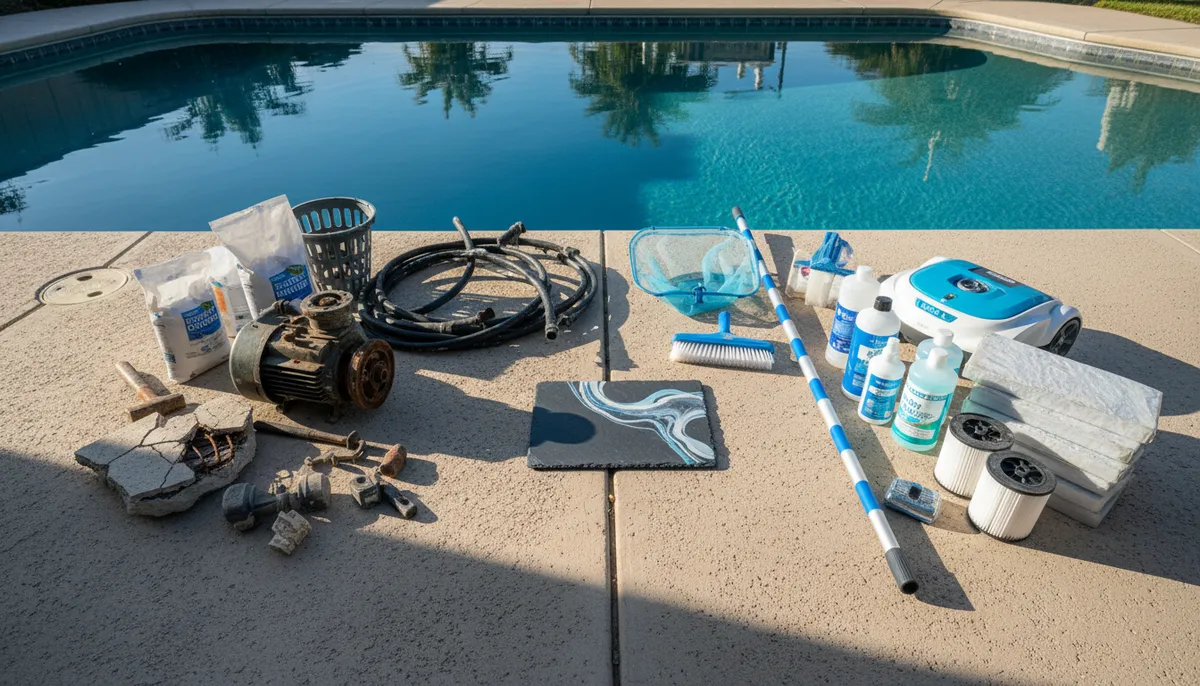
Understanding what different repairs typically cost helps you budget appropriately and recognize fair pricing when you get quotes. While every situation varies based on the severity of damage, accessibility, and specific equipment involved, these ranges reflect typical 2026 pricing in the Tampa area:
Equipment and Mechanical Repairs
- Pump motor replacement: $400-$800 for standard motors, $800-$1,500 for variable-speed models that offer better energy efficiency and longer lifespan.
- Filter repairs: $150-$400 for cleaning and minor repairs, $600-$1,200 for complete filter replacement depending on size and type.
- Heater repairs: $200-$500 for minor fixes, $2,000-$4,000 for complete heater replacement including gas and electric models.
- Salt cell replacement: $300-$700 depending on your system’s capacity and manufacturer specifications.
Structural and Surface Repairs
Structural issues often cost more because they require specialized skills and materials to ensure lasting results. Pool surfaces endure constant water exposure, chemical treatments, and UV damage, leading to inevitable wear over time:
- Plaster resurfacing: $3,000-$7,000 for standard pools, providing a fresh, smooth surface that lasts 7-10 years with proper care.
- Tile replacement: $25-$75 per linear foot depending on tile quality and the complexity of the pattern.
- Deck repairs: $500-$3,000 depending on material type, with premium options like travertine and porcelain pavers commanding higher prices.
- Leak detection and repair: $225-$500 for professional leak detection services, plus $500-$2,500 for repairs depending on location and severity.
Why Professional Pool Repair Protects Your Investment
Your pool represents a significant investment in your home and lifestyle. In Tampa’s competitive real estate market, a well-maintained pool adds substantial property value, while a neglected one can actually hurt resale potential. Professional repairs ensure your pool remains an asset rather than becoming a liability.
DIY repairs might seem tempting when you’re trying to save money, but they often create bigger problems. Pool systems involve electrical work, plumbing, and specialized equipment that require proper licensing and insurance to repair safely and legally. A botched DIY repair can void equipment warranties, cause water damage to surrounding structures, or create dangerous conditions for swimmers.
How Professional Technicians Add Value
Certified pool technicians bring expertise that extends far beyond basic repairs. They understand local building codes, manufacturer specifications, and industry best practices that ensure repairs meet safety standards. Here’s what professional service provides:
- Accurate diagnosis: Experienced technicians identify root causes rather than just treating symptoms, preventing recurring problems.
- Quality parts and materials: Professionals source commercial-grade equipment designed for Florida’s climate and backed by manufacturer warranties.
- Proper installation: Correct installation techniques ensure repairs last as long as the manufacturer intended, protecting your investment.
- Code compliance: Licensed contractors understand local regulations for electrical work, gas connections, and safety barriers.
- Liability protection: Insured professionals protect you from financial responsibility if something goes wrong during the repair process.
The pool service industry has become increasingly professional in 2026, with over 80% of pool service professionals expecting higher revenue due to their focus on quality service and customer satisfaction. Organizations like FSPA provide ongoing education and certification programs that keep technicians current on the latest repair techniques and safety protocols.
The Impact of Tampa’s Climate on Pool Repair Needs
Florida’s subtropical climate creates unique challenges for pool owners. Year-round swimming season means your pool equipment runs constantly, accelerating wear and tear. Intense UV exposure degrades surfaces and equipment faster than in northern climates. Afternoon thunderstorms and high humidity create conditions that promote algae growth and corrosion.
These environmental factors mean Tampa pool owners face more frequent repairs than homeowners in other regions. However, they also make preventive maintenance even more valuable. Regular service catches UV damage before surfaces crack, identifies corrosion before it causes leaks, and maintains water chemistry to prevent algae blooms that damage surfaces and clog filters.
Seasonal Repair Considerations
While Tampa doesn’t have traditional pool-closing seasons, different times of year present distinct challenges:
- Summer months: Heavy use and high temperatures stress pumps and filters, making this the busiest time for equipment repairs.
- Hurricane season: Storm debris and flooding can damage equipment, while prolonged power outages disrupt chemical balance and filtration.
- Winter months: Cooler temperatures are ideal for surface repairs and renovations since crews can work comfortably and you’re less likely to miss swim time.
- Spring preparation: Many homeowners schedule equipment inspections and upgrades before summer swimming season begins.
How Digital Technology Is Changing Pool Repair Services
The pool service industry has undergone a digital transformation in 2026. Modern pool companies use sophisticated software platforms that connect scheduling, service delivery, and billing into seamless systems that benefit both the business and the customer. This technology revolution has improved repair services in several ways.
Digital proof of work has become a standard customer expectation. Professional technicians now document repairs with photos and videos, providing transparency about what work was performed and why it was necessary. This visual documentation helps you understand the value you’re receiving and provides records for warranty claims or future service needs.
Technology Benefits for Pool Repair Customers
Smart technology integration provides several advantages when you need pool repairs:
- Faster diagnosis: Smart pool systems provide data about equipment performance, helping technicians identify problems before they arrive.
- Transparent communication: Mobile apps and text updates keep you informed about appointment times, service progress, and completed work.
- Detailed documentation: Photo and video records show exactly what repairs were performed and the condition of your equipment.
- Service history tracking: Digital records help identify patterns and prevent recurring problems through proactive maintenance.
At Panther Pools, we embrace technology while maintaining the personal service that families throughout Tampa have come to expect. Our technicians combine digital tools with hands-on expertise to deliver repair services that exceed industry standards.
Popular Pool Renovation Features Worth Considering
Sometimes what starts as a repair conversation evolves into a renovation opportunity. When major equipment needs replacement or surfaces require resurfacing, many homeowners choose to upgrade rather than simply restore original features. Popular 2026 renovation features include:
| Feature | Benefit | Typical Cost Range | ROI Value |
|---|---|---|---|
| Smart Lighting Systems | Customizable colors, remote control, energy efficiency | $1,000-$3,000 | High appeal for entertaining |
| Saltwater Conversion | Reduced chemical costs, softer water, easier maintenance | $1,500-$2,500 | Long-term savings |
| Variable-Speed Pump | 75% energy reduction, quieter operation | $1,200-$2,500 | 2-3 year payback |
| Premium Decking | Cooler surfaces, elegant appearance, durability | $5,000-$15,000 | Significant property value |
These upgrades transform your pool from basic to luxurious while often reducing operating costs through improved efficiency. When planning repairs, discussing potential upgrades with your service company can help you make informed decisions about maximizing your investment.
Finding the Right Pool Repair Company in Tampa
Not all pool service companies offer the same quality of repair work. When you need repairs, choosing the right company makes a significant difference in results, cost, and long-term satisfaction. Here are key factors to consider when selecting a pool repair professional:
Essential Qualifications to Look For
- Proper licensing and insurance: Verify that the company carries liability insurance and any required state or local licenses for pool service work.
- Industry certifications: Look for technicians with credentials from recognized organizations showing they’ve completed professional training.
- Established reputation: Check online reviews, ask for references, and look for companies with years of experience in your local market.
- Transparent pricing: Reputable companies provide detailed estimates explaining what work will be performed and why it’s necessary.
- Warranty coverage: Professional companies stand behind their work with warranties on both labor and parts.
- Emergency availability: Find out if the company offers emergency repair services when you have urgent problems outside normal business hours.
Family-owned businesses often provide more personalized service and have stronger community ties than national chains. Local companies understand Tampa’s unique climate challenges and building codes, ensuring repairs meet all necessary standards. The best pool service providers view repairs as an opportunity to build long-term relationships rather than just quick transactions.
Making Smart Decisions About Pool Repairs
Understanding why pool repairs cost what they do empowers you to make informed decisions about maintaining your investment. While repair costs might seem high compared to regular cleaning, they reflect the specialized expertise, quality materials, and professional service required to keep your pool functioning safely and efficiently.
The key to managing repair costs is prevention through consistent maintenance. Regular service catches small issues before they become expensive problems, extends equipment lifespan, and maintains your pool’s value and beauty. When repairs are necessary, choosing qualified professionals ensures the work is done correctly the first time, protecting both your budget and your family’s safety.
Whether you need routine maintenance to prevent repairs or expert service when something breaks, having a trusted pool service partner makes all the difference. The investment in professional service pays dividends through reduced emergency repairs, longer equipment life, and peace of mind knowing your pool is in capable hands.
If you’re concerned about the condition of your pool equipment or have noticed signs that repairs might be needed, don’t wait until a small problem becomes a major expense. Professional inspection can identify issues early and provide you with options for addressing them on your schedule and budget. Reach out to our team for a thorough evaluation of your pool’s condition and expert advice on maintaining your backyard oasis for years to come.
FAQs
Q: How often should I have my pool equipment inspected to avoid expensive repairs?
A: You should have professional equipment inspections at least twice a year, ideally before summer swimming season and after hurricane season. Regular weekly maintenance visits also include visual equipment checks that catch warning signs early. Many pool owners in Tampa find that consistent monitoring through a monthly service plan prevents about 80% of major repair issues, saving thousands in emergency repair costs.
Q: What are the warning signs that my pool needs repair right away?
A: Watch for unusual pump noises, visible cracks in surfaces or tiles, water level dropping faster than normal evaporation, cloudy water that doesn’t clear with chemicals, or equipment that won’t start or cycles on and off repeatedly. Any of these symptoms suggest underlying problems that need professional attention. Acting quickly when you notice these signs prevents minor issues from becoming major repairs.
Q: Can I save money by doing some pool repairs myself?
A: While you can handle basic tasks like replacing filter cartridges or cleaning skimmer baskets, most repairs require professional expertise to ensure safety and proper function. DIY electrical work, plumbing repairs, or equipment installation can void warranties, violate building codes, and create dangerous conditions. The money you save on labor often gets spent multiple times over fixing mistakes or dealing with problems that weren’t properly diagnosed in the first place.
Q: How do I know if I need repair or full equipment replacement?
A: A qualified technician can assess whether repair makes sense based on the equipment’s age, repair costs versus replacement costs, and energy efficiency. Generally, if repairs cost more than 50% of replacement cost, or if equipment is near the end of its expected lifespan, replacement makes better financial sense. Modern equipment also offers significant energy savings that offset the higher initial investment over time.
Q: What should I expect during a professional pool repair visit?
A: Professional technicians will first diagnose the problem through testing and inspection, explain what needs to be repaired and why, provide a detailed estimate before beginning work, and document the repair with photos or videos. Quality service includes testing equipment after repair to ensure proper function, cleaning up the work area, and reviewing what was done so you understand the value received. Most companies also provide warranties on both parts and labor for added peace of mind.