
Key Takeaways
-
Variable-speed pumps can reduce energy use by up to 70 percent and typically pay for themselves within two to three years through lower electricity costs.
-
Leak detection prevents water waste and potential foundation damage by pinpointing exact leak sources using specialized pressure and dye testing methods.
-
Pool resurfacing restores pool surfaces, prevents algae harboring, and offers modern finish options like pebble or quartz aggregates that improve durability.
-
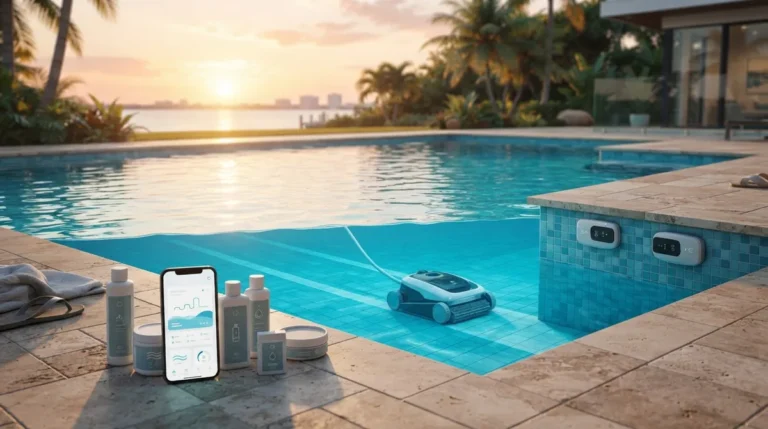
Smart pool automation allows remote control of pool functions, enables energy-efficient scheduling, and provides real-time alerts for equipment and chemical issues.
-
UV and ozone systems can reduce chlorine use by 50-70 percent while providing superior water sanitation and reducing chemical irritation.
Your backyard pool brings joy to your family, but over time, wear and tear take their toll. Cracks appear in the plaster. Your pump makes strange noises. The water level drops mysteriously. These are signals that your pool needs attention, and ignoring them only leads to bigger problems and costlier fixes down the road.
Pool repairs aren’t just about fixing what’s broken. They’re about protecting your investment and keeping your pool safe for everyone who uses it. In 2026, pool service professionals across Tampa are seeing more homeowners shift from basic maintenance to important repair work that improves efficiency and extends the life of their pools.
This guide walks you through the nine most common pool repairs that Tampa homeowners face. You’ll learn what causes each problem, how to spot the warning signs early, and why addressing these issues quickly saves you money and headaches. Whether you’re dealing with an aging pool or planning upgrades, this information helps you make smart decisions about your pool’s care.
Variable-Speed Pump Replacement
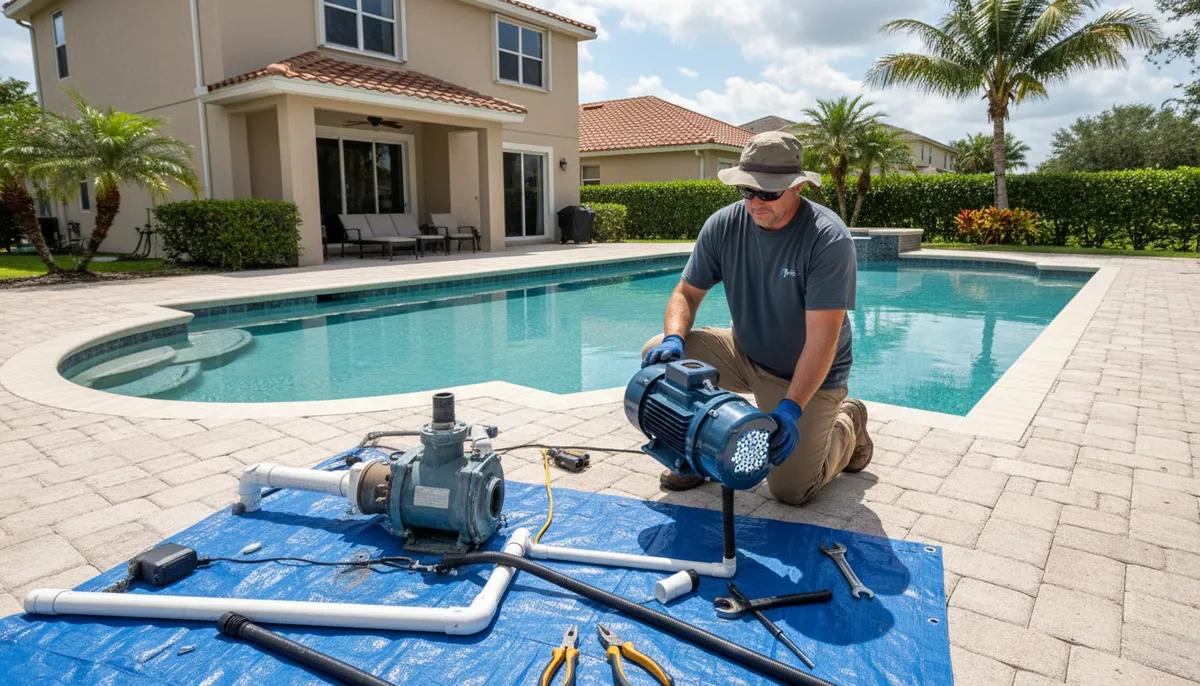
Your pool pump is the heart of your circulation system, and older single-speed pumps waste energy while driving up your electric bill. Variable-speed pumps have become the gold standard in 2026, offering dramatic energy savings and quieter operation. These modern pumps adjust their speed based on your pool’s needs, running slower for everyday filtration and faster when you need extra power.
The EPA recommends variable-speed pumps because they can reduce energy use by up to 70 percent compared to traditional models. Most Tampa homeowners see their pump investment pay for itself within two to three years through lower electricity costs. Beyond the savings, these pumps last longer and put less stress on your plumbing system.
Signs you need a pump replacement include:
- Loud grinding or screeching noises during operation
- Pump frequently shutting off or struggling to start
- Visible leaks around the pump housing
- Rising energy bills without explanation
- Pump age exceeding eight to ten years
Professional installation ensures proper sizing and setup. A pump that’s too powerful wastes energy, while an undersized pump can’t circulate your water effectively. Expert pool service providers calculate the right flow rate based on your pool’s volume and plumbing configuration.
Pool Surface Resurfacing
The surface of your pool takes constant abuse from chemicals, weather, and daily use. Many residential pools in Tampa are over twenty years old, and their original surfaces show serious wear. Rough spots, stains, and exposed aggregate aren’t just ugly—they can scratch swimmers’ feet and harbor algae that’s hard to eliminate.
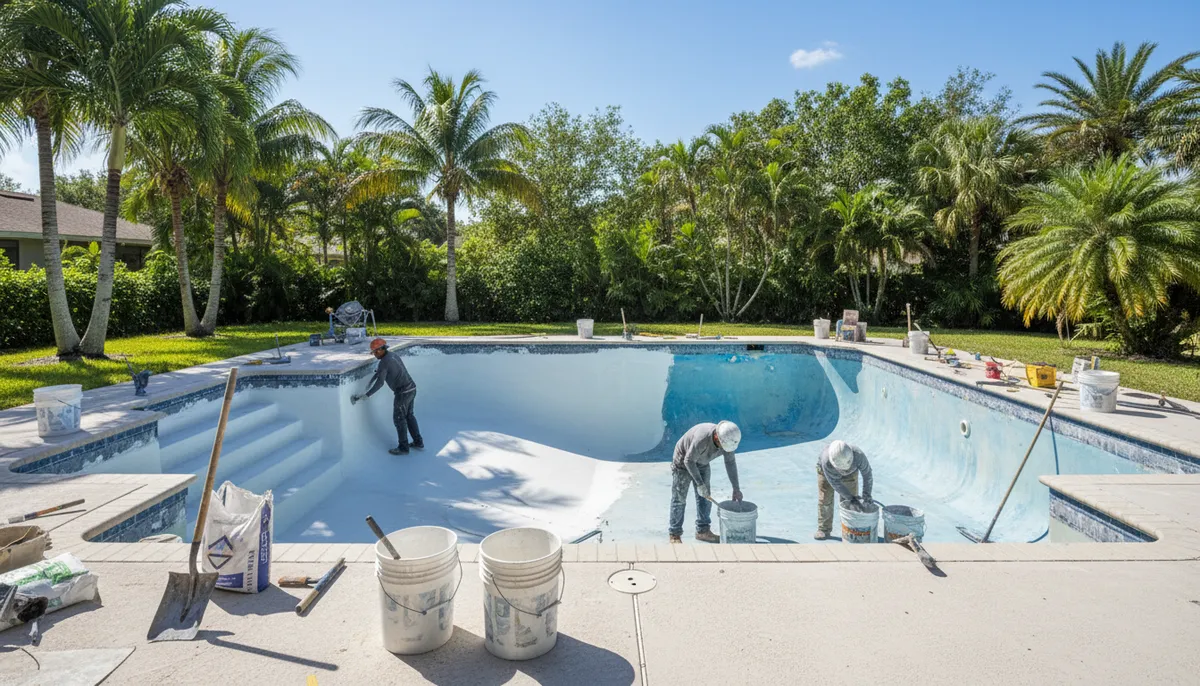
Resurfacing involves stripping away the old plaster or finish and applying a fresh layer. Modern plaster options last longer and resist staining better than older materials. You can choose from traditional white plaster, colored finishes, or premium surfaces with added durability. The process typically takes one to two weeks from start to finish.
Here’s what happens during a typical resurfacing project:
- Drain the pool completely and clean the underlying structure
- Chip away the old surface material down to the gunite or concrete shell
- Repair any cracks or structural issues in the shell
- Apply the new surface material in smooth, even coats
- Fill the pool with fresh water and balance the chemistry
- Allow proper curing time before regular use
The right time to resurface depends on your current surface condition. Look for widespread rough patches, visible cracks that won’t seal, or areas where the underlying structure shows through. Waiting too long risks damage to the pool shell itself, which costs much more to repair.
Choosing Your New Surface
Modern pool finishes offer better performance than traditional plaster alone. Pebble finishes provide texture and durability. Quartz aggregates add sparkle and resist etching from chemical imbalances. Each option has different price points and maintenance needs, so discuss your priorities with your pool service professional before deciding.
Leak Detection and Repair
A small leak might seem like a minor annoyance, but it wastes thousands of gallons of water and constantly throws off your chemical balance. Tampa’s water costs add up quickly when you’re refilling your pool every few days. More importantly, leaks can undermine your pool’s foundation and damage surrounding landscaping or structures.
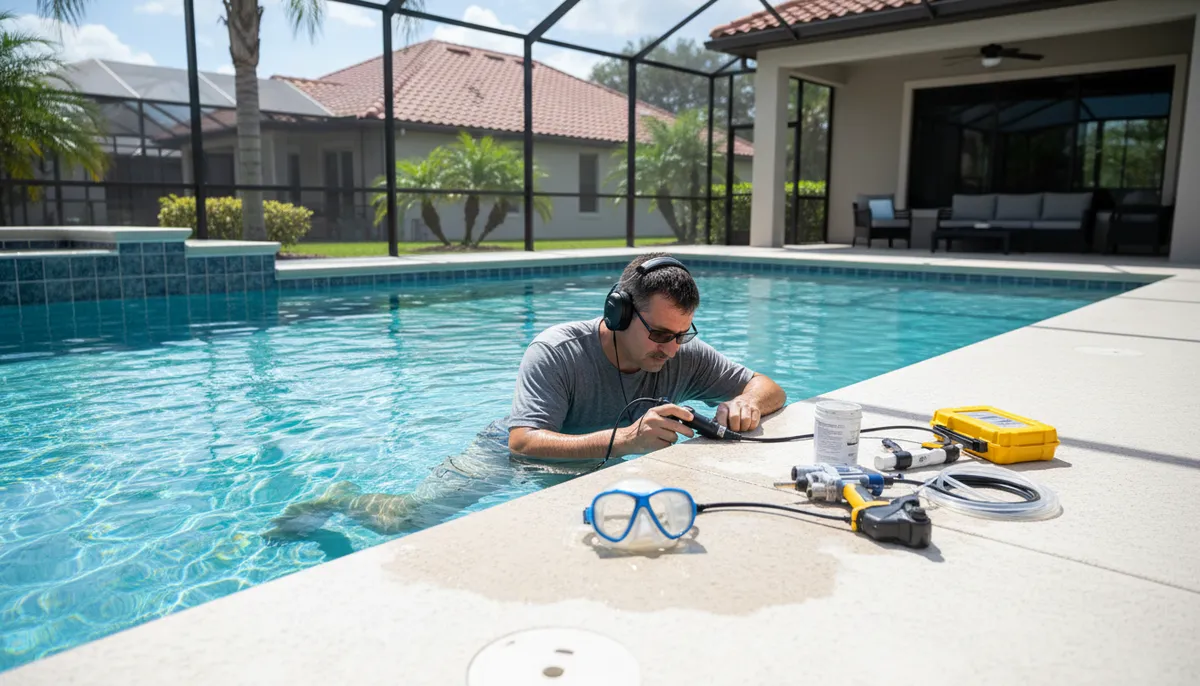
Professional leak detection uses specialized equipment to pinpoint the exact source without unnecessary digging or demolition. Pressure testing checks your plumbing lines, while dye tests reveal cracks in the shell or gaps around fittings. Once located, most leaks can be repaired without draining the entire pool.
Common leak locations include:
- Skimmer connections where the plastic meets the concrete
- Return line fittings and joints
- Main drain covers and seals
- Light fixtures and conduit penetrations
- Cracks in the pool shell from settling or tree roots
- Deteriorated expansion joints
The bucket test helps you determine if you have a leak. Fill a bucket with pool water and mark the level inside the bucket and on your pool wall. After 24 hours, compare the water loss in both. If your pool level dropped significantly more than the bucket, you likely have a leak that needs professional attention.
Filter System Upgrades
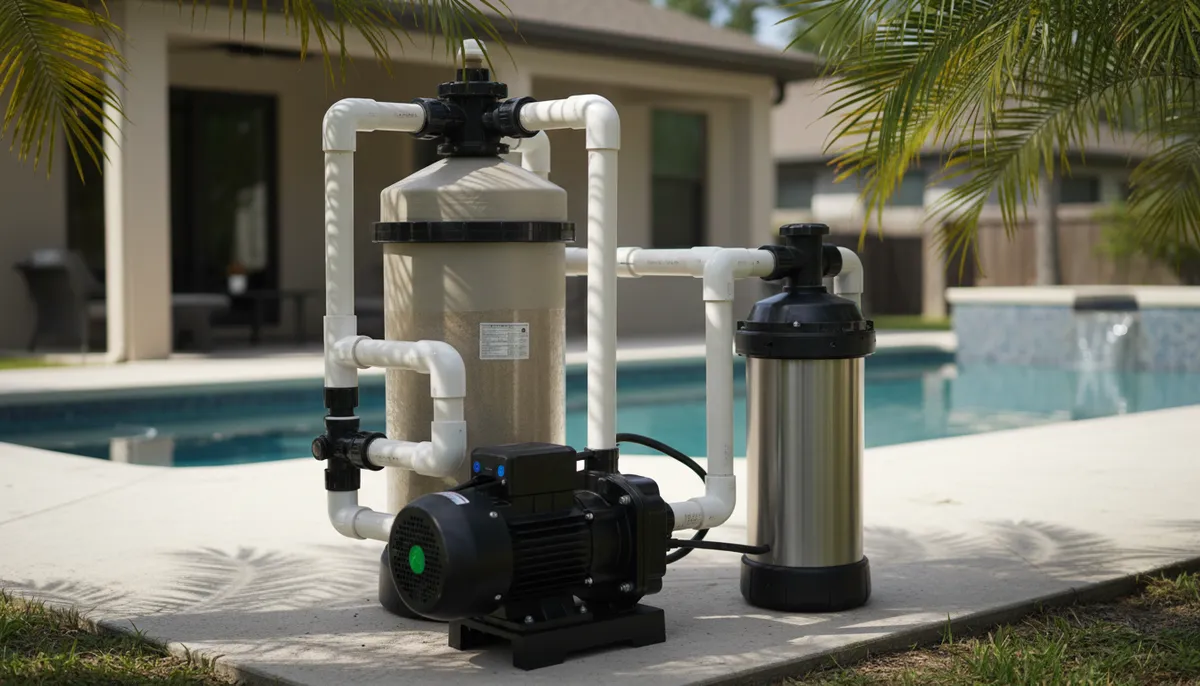
Your filter removes dirt, debris, and contaminants that make pool water cloudy and unsafe. Sand filters, cartridge filters, and DE filters each have different maintenance needs and performance characteristics. As filtration technology improves, upgrading to a more efficient system makes sense for many pool owners in 2026.
Advanced filtration systems incorporating UV or ozone technology reduce your dependence on chlorine and other harsh chemicals. These systems destroy bacteria and algae using natural processes, creating cleaner water with less chemical smell. Families with sensitive skin or young children especially benefit from these eco-friendly upgrades.
Consider a filter upgrade if you experience:
- Consistently cloudy water despite proper chemical balance
- Frequent need to backwash or clean filters
- High chemical consumption without clear water
- Filter housing cracks or leaks
- Desire to reduce chemical use and maintenance time
The Independent Pool and Spa Service Association recommends matching your filter size to your pump’s flow rate for optimal performance. An oversized filter handles higher flow rates without creating excessive pressure, while proper sizing ensures complete water turnover within the recommended time frame.
UV and Ozone Systems
These supplemental systems work alongside your primary filter to provide extra sanitation power. UV systems expose water to ultraviolet light that destroys microorganisms at the cellular level. Ozone generators create oxygen molecules that oxidize contaminants naturally. Both technologies help you maintain cleaner water while cutting chemical costs substantially.
Many Tampa pool owners appreciate how these systems reduce chlorine odor and irritation. You’ll still need some sanitizer, but typically 50 to 70 percent less than traditional methods. The initial investment pays back through lower chemical purchases and improved water quality.
Tile and Coping Repairs
The waterline tile and coping around your pool’s edge frame the entire space visually while serving important practical functions. Damaged tile allows water infiltration that can damage the pool structure. Cracked or loose coping creates trip hazards and lets water seep behind the shell, potentially causing expensive damage.
Calcium deposits and staining mar the appearance of your tile over time. Professional cleaning removes these buildup issues without damaging the tile surface. When tiles crack or come loose, replacement prevents further damage and restores your pool’s attractive appearance. Modern tile options resist staining better and come in countless colors and patterns.
Coping repair or replacement addresses:
- Cracks that allow water penetration behind the bond beam
- Loose sections that rock or shift when you step on them
- Damaged areas from settling, tree roots, or freeze-thaw cycles
- Outdated styles you want to modernize
- Safety concerns from sharp edges or unstable surfaces
Matching existing tile and coping can be challenging with older pools, as manufacturers discontinue product lines. Your pool service professional can source close matches or help you design a complementary update that enhances your pool’s overall look. Sometimes a complete waterline tile replacement makes more sense than trying to patch sections with mismatched materials.
Automation System Installation
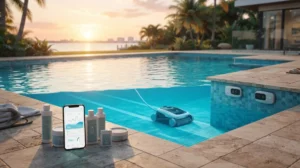
Smart pool automation puts control of your equipment at your fingertips through your smartphone or tablet. You can adjust your pump speed, activate water features, control lighting, and monitor chemical levels from anywhere. These systems save energy by running equipment only when needed and alert you to potential problems before they become emergencies.
In 2026, pool automation has become more affordable and easier to install than ever before. The technology integrates with your existing equipment, adding wireless control without major plumbing or electrical changes. Many Tampa homeowners prioritize automation because it simplifies pool management and reduces the time spent on routine adjustments.
Automation benefits include:
- Remote control of all pool functions from your phone
- Scheduled operation of pumps, heaters, and cleaners for maximum efficiency
- Real-time alerts for equipment malfunctions or chemical imbalances
- Energy savings through optimized run times and settings
- Integration with smart home systems for whole-house control
- Vacation mode settings that maintain your pool while you’re away
Professional installation ensures your automation system communicates properly with all your equipment. Your technician programs schedules based on your usage patterns and preferences. Most systems learn over time, adjusting automatically to maintain perfect conditions with minimal input from you.
Chemical Monitoring Features
Advanced automation systems include sensors that continuously test your water chemistry. When pH, chlorine, or alkalinity drift outside ideal ranges, the system alerts you immediately. Some systems even dose chemicals automatically, maintaining perfect balance without daily testing. This technology prevents algae blooms and equipment damage while keeping your water consistently safe and comfortable.
Heater Repair and Replacement
Pool heaters extend your swimming season significantly in Tampa, but they work hard and eventually need repair or replacement. Gas heaters, electric heat pumps, and solar heating systems each have different lifespans and maintenance requirements. Strange noises, failure to reach set temperature, or visible corrosion signal that your heater needs professional attention.
Modern heat pumps use much less energy than older gas heaters, making them popular for 2026 installations. They work well in Florida’s climate, efficiently transferring heat from the air to your pool water. Solar heating systems offer the lowest operating costs but require adequate roof space and proper southern exposure.
Common heater problems include:
- Pilot light won’t stay lit or fails to ignite
- Heater runs but water doesn’t reach desired temperature
- Visible rust or corrosion on the heat exchanger
- Strange smells during operation
- Error codes or control panel malfunctions
Regular maintenance extends heater life significantly. Annual inspections catch small issues before they cause complete failure. Cleaning the heat exchanger, checking electrical connections, and testing safety controls keep your heater running efficiently. When replacement becomes necessary, your pool service professional helps you choose the right size and type for your pool volume and usage patterns.
Equipment Pad Renovation
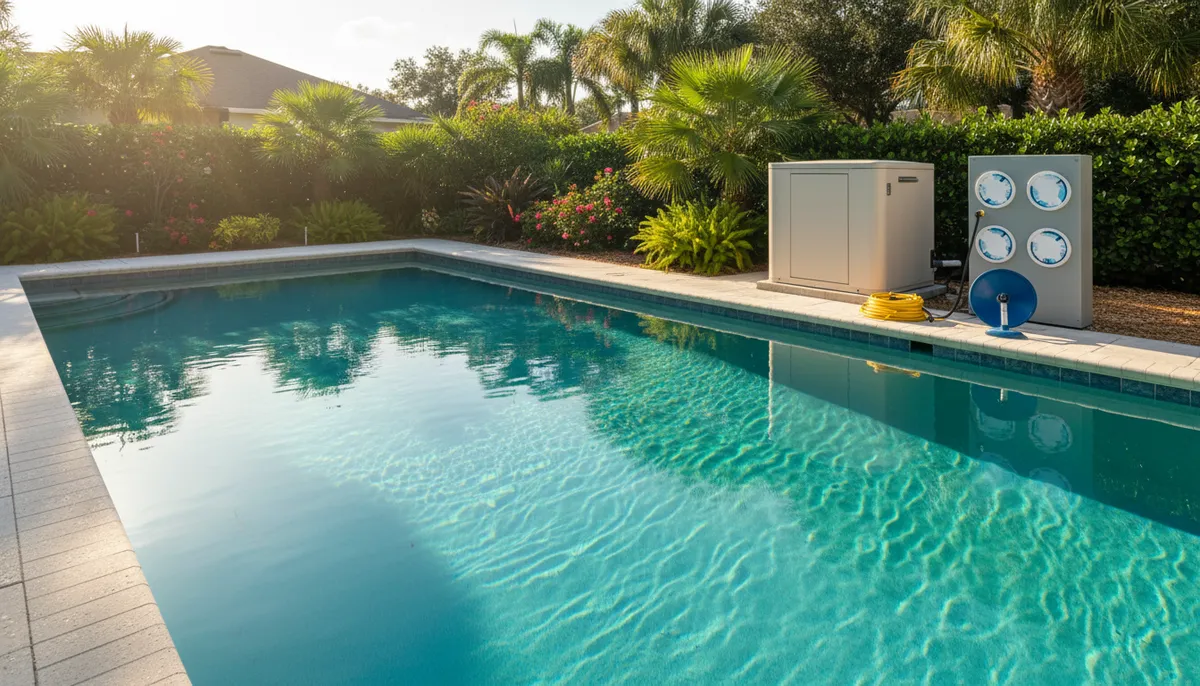
Your pool equipment pad houses the pump, filter, heater, and other mechanical systems. Over time, these pads deteriorate from weather exposure, water damage, and the constant vibration of running equipment. Cracks in the concrete, rusty pipes, and tangled wiring create safety hazards and reduce equipment efficiency.
Equipment pad renovation organizes your systems for better performance and easier maintenance. Modern pads elevate equipment above ground level to prevent water damage during heavy rains. Proper plumbing layout reduces resistance and improves circulation. Clean wiring with labeled circuits simplifies troubleshooting and prevents electrical problems.
A professional renovation typically includes:
- Removing old, damaged equipment and deteriorated piping
- Pouring a new concrete pad with proper drainage
- Installing updated plumbing with unions for easy equipment removal
- Upgrading electrical service to meet current code requirements
- Organizing equipment for optimal airflow and access
- Adding weatherproof covers or enclosures for protection
This repair makes sense when you’re upgrading multiple pieces of equipment or dealing with frequent mechanical problems. A well-designed equipment pad makes future repairs easier and helps your equipment last longer. Professional installation ensures everything meets local building codes and safety standards.
Digital Control Integration
Modern equipment pads incorporate digital controls and monitoring systems that make pool management simpler. Sensors track equipment performance, alerting you to problems before they cause damage. Digital flow meters ensure proper circulation rates. Smart valves automate spa heating and water feature operation. These upgrades transform your equipment pad into a high-tech control center for your entire pool system.
Structural Crack Repair
Cracks in your pool shell allow water to escape and can worsen quickly if ignored. Small hairline cracks often result from normal settling and don’t immediately threaten your pool’s integrity. Larger structural cracks, however, indicate serious problems that need immediate professional attention to prevent catastrophic failure.
Pool professionals evaluate crack severity and cause before recommending repair methods. Some cracks seal with epoxy injection or hydraulic cement. Others require cutting out damaged sections and patching with fresh material. Structural cracks caused by soil movement or poor original construction might need extensive reinforcement.
Warning signs of serious structural problems include:
- Cracks wider than a quarter inch or expanding over time
- Water loss exceeding normal evaporation rates
- Visible soil erosion or voids behind the pool shell
- Uneven deck sections or separation from the pool coping
- Multiple cracks forming patterns or spreading from one area
Early repair prevents minor cracks from becoming major failures. Your pool service professional uses proper materials and techniques for lasting repairs that restore your pool’s structural integrity. In Tampa’s soil conditions, foundation movement can stress pool structures, making professional assessment important for determining the root cause of cracking.
Experienced pool professionals understand how local soil and weather conditions affect pool structures. They recommend preventive measures like improved drainage or soil stabilization to prevent future cracking. Quality repairs address both the visible damage and underlying causes for long-term solutions.
Why Professional Pool Repairs Matter
These nine pool repairs represent the most common issues Tampa homeowners face, but they require professional expertise for proper diagnosis and long-lasting solutions. Attempting DIY repairs on complex systems often makes problems worse and costs more to fix correctly later. Professional pool technicians have the training, tools, and experience to handle repairs safely and efficiently.
Industry data from the Florida Swimming Pool Association shows that over 80 percent of pool service professionals expect revenue growth in 2026 by expanding into repair services. This shift reflects growing homeowner demand for high-quality repair work that improves efficiency and extends equipment life. Professionals now use digital tools for scheduling, detailed photo documentation, and transparent pricing that builds trust.
The best approach combines regular maintenance with timely repairs. Catching problems early through routine inspections prevents the need for emergency repairs that disrupt your enjoyment and strain your budget. Professional service providers identify issues during regular cleanings and recommend solutions before small problems become big headaches.
| Repair Type | Typical Signs | Urgency Level |
|---|---|---|
| Variable-Speed Pump | Noise, high energy bills, frequent shutoffs | Moderate |
| Surface Resurfacing | Rough texture, visible cracks, staining | Moderate to High |
| Leak Detection | Water loss, chemical imbalance, wet spots | High |
| Filter Upgrade | Cloudy water, frequent cleaning needed | Low to Moderate |
| Tile/Coping Repair | Loose sections, cracks, trip hazards | Moderate |
| Automation Install | Desire for convenience and energy savings | Low |
| Heater Repair | Won’t heat, strange noises, corrosion | Moderate |
| Equipment Pad | Deteriorated concrete, tangled equipment | Low to Moderate |
| Structural Cracks | Large cracks, water loss, soil erosion | High to Critical |
Taking Action on Pool Repairs
Your pool represents a significant investment in your home and family’s enjoyment. Keeping it in excellent condition requires attention to both routine maintenance and necessary repairs. The nine repairs covered in this guide address the most common issues that affect pool performance, safety, and longevity.
Don’t wait for small problems to become expensive emergencies. Regular inspections catch issues early when repairs are simpler and less costly. Professional pool service providers offer the expertise needed to diagnose problems accurately and recommend the most effective solutions for your specific situation.
Whether you need a simple pump replacement or extensive resurfacing work, working with qualified professionals ensures quality results that protect your investment. Tampa’s pool service industry has evolved significantly in 2026, with professionals using advanced tools, eco-friendly technologies, and customer-focused approaches that make repairs smoother and more transparent than ever before.
Your pool deserves expert care from professionals who understand both the technical aspects of repairs and the importance of reliable, honest service. When you notice any of the warning signs discussed in this guide, reach out to trusted pool service experts who can assess your situation and provide solutions that keep your pool running beautifully for years to come.
FAQs
Q: How often does a pool need resurfacing?
A: Most pools need resurfacing every 10 to 15 years, depending on the surface material and how well the pool is maintained. If you notice rough spots, staining, or visible cracks, it’s time to talk with a pool professional about resurfacing options. Regular chemical balance helps extend the life of your pool surface.
Q: What causes pool leaks?
A: Pool leaks commonly occur at skimmer connections, return fittings, light fixtures, and main drains where different materials meet. Ground settling, tree roots, freeze-thaw cycles, and aging materials also cause cracks in the pool shell. Professional leak detection pinpoints the exact source so repairs target the actual problem.
Q: Are variable-speed pumps worth the investment?
A: Yes, variable-speed pumps typically pay for themselves within two to three years through energy savings. They use up to 70 percent less electricity than single-speed pumps and run much quieter. Most Tampa homeowners see significant reductions in their electric bills after upgrading to variable-speed models.
Q: How do I know if my pool has a structural crack?
A: Structural cracks are typically wider than a quarter inch, spread over time, or cause visible water loss beyond normal evaporation. You might also notice soil erosion behind the pool or deck sections pulling away from the coping. These serious issues need immediate professional evaluation to prevent further damage.
Q: Can I upgrade my pool equipment gradually?
A: Absolutely! Many homeowners upgrade one piece of equipment at a time as budget allows or when something needs replacement. Start with items that save the most money, like variable-speed pumps, or address urgent repairs first. Your pool service professional can help you prioritize upgrades based on your pool’s condition and your goals.