
Key Takeaways
-
Proactive maintenance prevents costly emergency repairs by catching small pool issues before they escalate into major problems.
-
Professional leak detection using specialized equipment helps pinpoint exact water escape locations, saving time and unnecessary excavation costs.
-
Regular pool inspections are crucial in identifying surface damage like cracks, chips, and rough patches before they become serious structural issues.
-
Equipment failures like pump malfunctions, filter problems, and heater issues require professional diagnosis and targeted repair to restore pool functionality.
-
Tampa’s unique climate demands year-round pool maintenance, with specific attention to equipment stress, water chemistry, and structural integrity.
Your backyard pool is supposed to be a source of fun and relaxation, but when something goes wrong, it can quickly turn into a headache. Whether you notice a mysterious drop in water level, equipment that won’t turn on, or cracks appearing on your pool’s surface, knowing which pool repair services you need can save you time, money, and stress. In Tampa’s humid climate, pools face unique challenges that make regular maintenance and timely repairs essential for keeping your swimming area safe and inviting year-round.
Understanding the different types of pool repair services available helps you make smart decisions when problems arise. From simple fixes like cleaning filters to complex issues like resurfacing or leak detection, each repair plays a crucial role in your pool’s overall health. This guide will walk you through the most common pool repair services, help you recognize when you need professional help, and show you how to keep your pool in top condition. Whether you’re a new pool owner or have enjoyed your backyard oasis for years, knowing what to expect from repair services will give you peace of mind and help you plan for your pool’s future.
Understanding Common Pool Problems
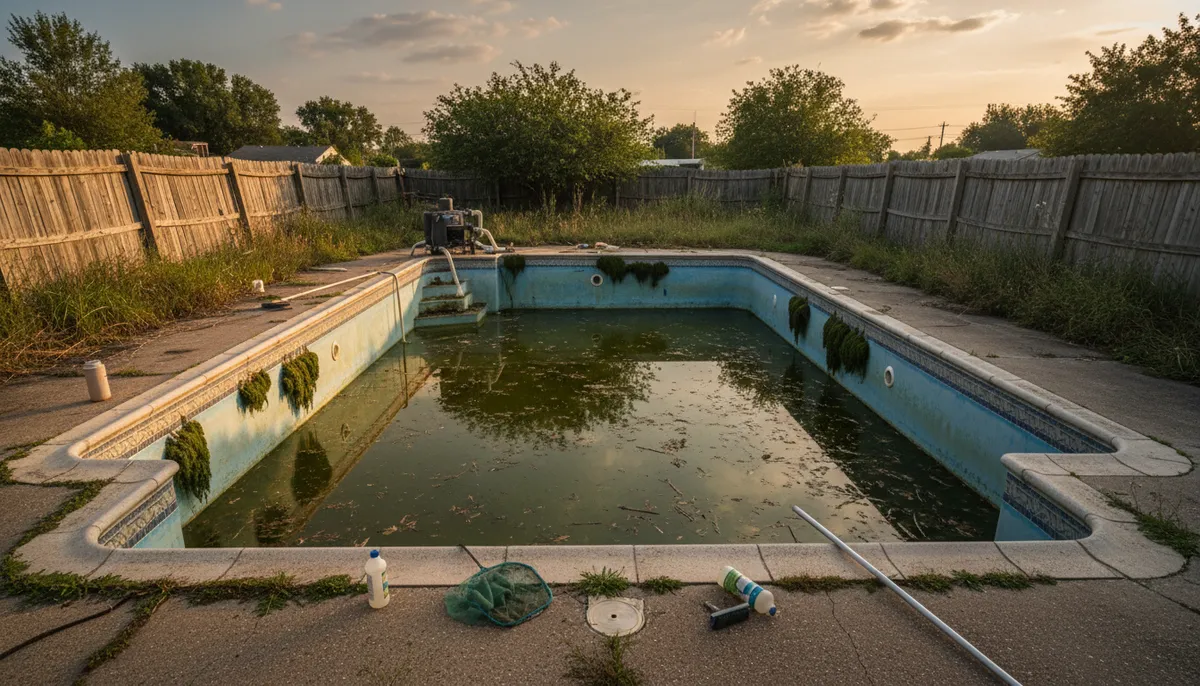
Every pool owner eventually faces maintenance challenges. Recognizing these issues early can prevent small problems from becoming expensive disasters. The most frequent concerns include equipment malfunctions, structural damage, and water chemistry imbalances that affect both safety and enjoyment.
Leaks are among the most frustrating issues pool owners encounter. You might notice your water level dropping faster than normal evaporation would explain, soggy spots in your yard near the pool, or unusually high water bills. These signs often point to cracks in the pool shell, damaged pipes, or failing seals around fixtures. Professional leak detection services use specialized equipment to pinpoint exactly where water is escaping, which is crucial because guessing can lead to unnecessary digging and higher costs.
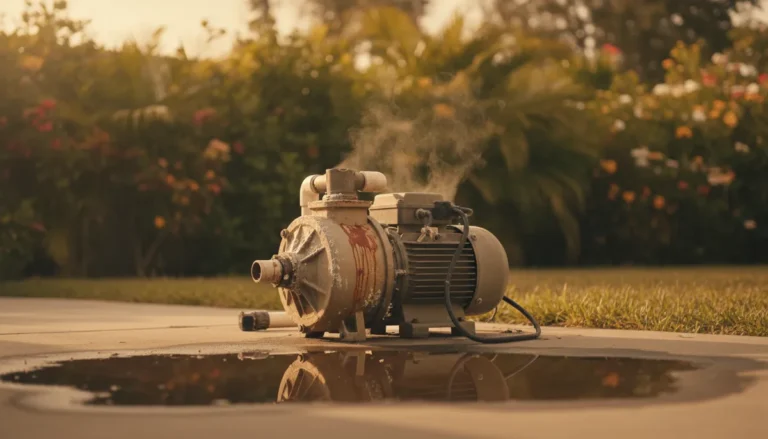
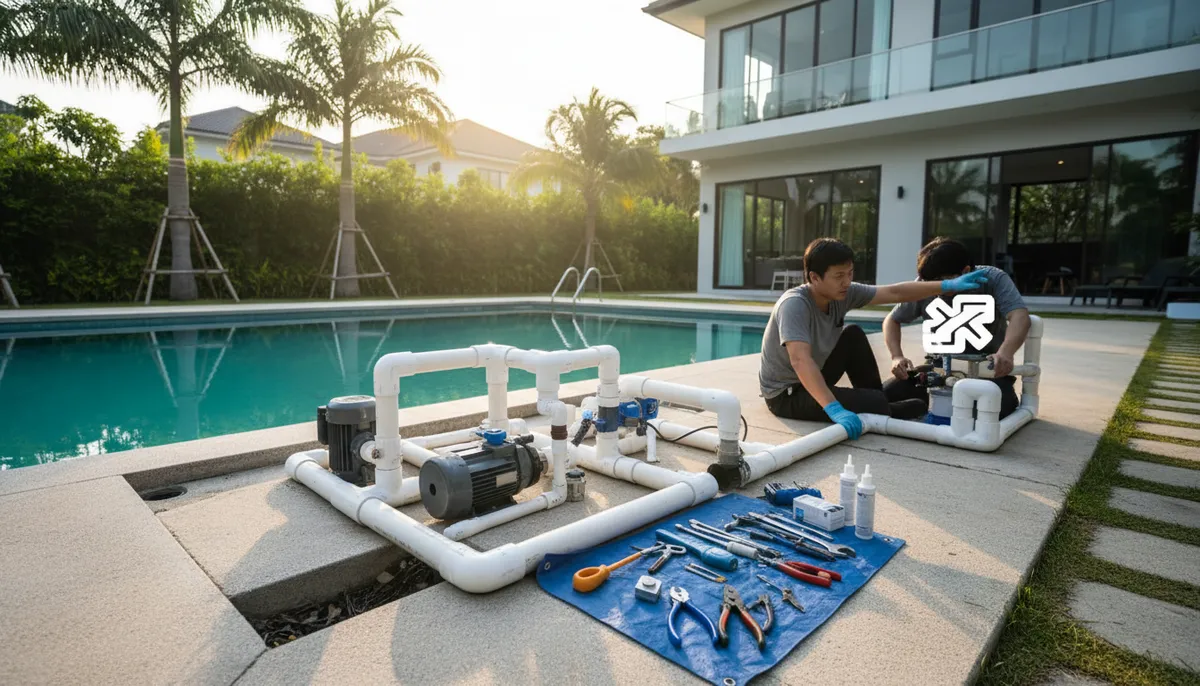
Equipment failures can shut down your pool completely. Pumps that won’t start, filters that aren’t cleaning properly, and heaters that refuse to warm your water all require professional attention. These mechanical systems work hard throughout the swimming season, and parts naturally wear out over time. In Tampa’s year-round pool climate, equipment faces even more stress than in areas with shorter swimming seasons.
Surface and Structural Issues
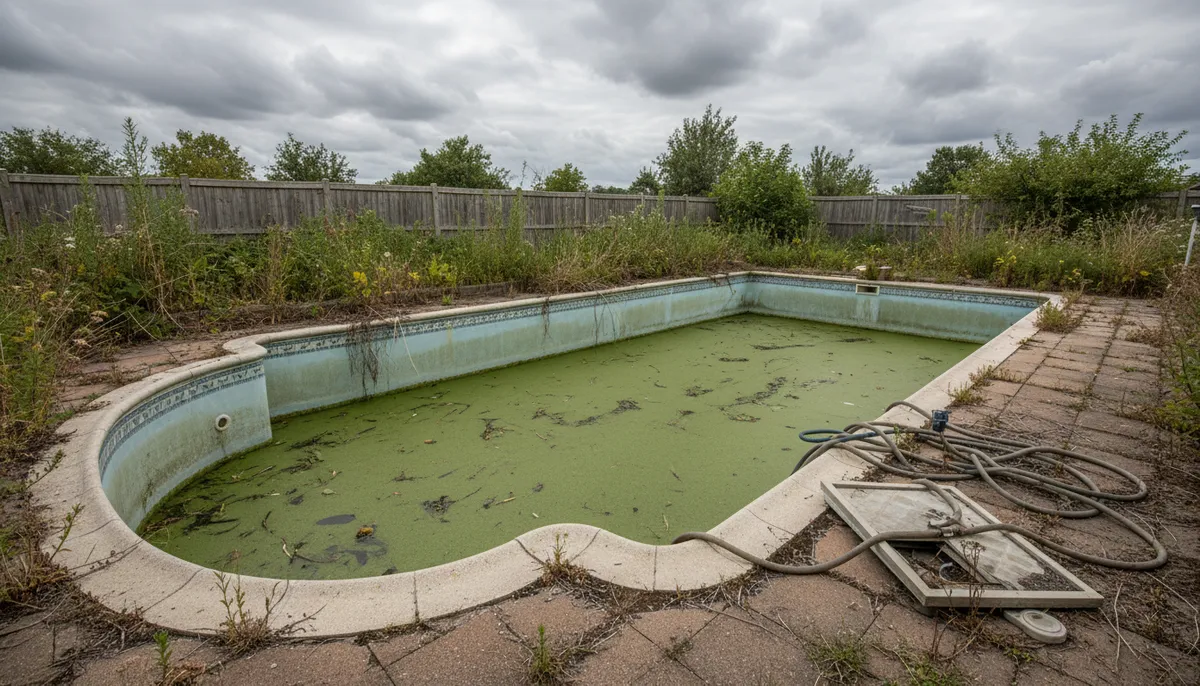
The physical condition of your pool’s surface tells you a lot about its health. Cracks, chips, and rough patches not only look bad but can also cause injuries and lead to bigger structural problems. Concrete pools especially need attention, as Florida’s soil movement and temperature changes can cause settling and cracking.
- Small hairline cracks that appear in plaster or concrete surfaces
- Tiles that have come loose or broken, creating sharp edges
- Rough patches that scrape swimmers’ feet and swimsuits
- Discoloration or staining that won’t come clean with regular maintenance
These surface problems often start small but grow worse without intervention. What begins as a tiny crack can spread, allowing water to seep behind the surface and cause separation or more extensive damage. Regular inspections help catch these issues before they require complete resurfacing, which is one of the more expensive repair services.
Essential Pool Repair Services Explained
Professional pool repair companies offer a wide range of services designed to address specific problems. Understanding what each service involves helps you know what to expect when you call for help and ensures you’re getting the right solution for your situation.
Leak Detection and Repair
Finding leaks requires more than just looking around your pool. Professionals use pressure testing, dye testing, and electronic listening devices to locate leaks in pipes, the pool shell, and equipment. Once they identify the source, repair methods vary based on location and severity. Shell leaks might need patching or injection repair, while plumbing leaks often require excavation and pipe replacement.
The cost of leak repairs varies widely depending on accessibility and complexity. Simple surface repairs might be straightforward, but leaks in underground plumbing or beneath pool decks require more extensive work. However, addressing leaks quickly prevents water waste, chemical loss, and potential structural damage that would cost far more to fix later.
Equipment Repair and Replacement
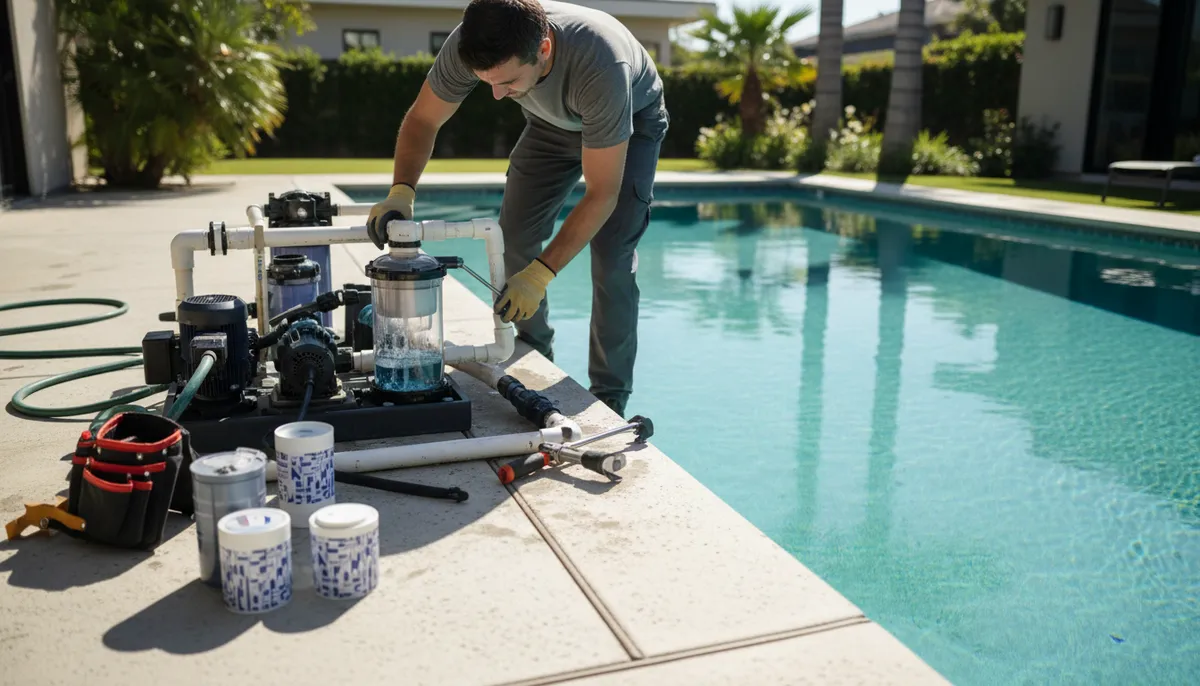
Your pool’s equipment keeps water clean, circulating, and comfortable. When pumps, filters, heaters, or automated systems fail, swimming becomes less enjoyable or even impossible. Repair technicians diagnose whether equipment needs simple repairs like new seals or gaskets, or complete replacement.
| Equipment Type | Common Issues | Typical Solutions |
|---|---|---|
| Pool Pump | Won’t start, noisy operation, weak flow | Motor replacement, seal repair, impeller cleaning |
| Filter System | Poor water quality, high pressure, leaking | Cartridge replacement, backwashing, tank repair |
| Heater | Won’t heat, inconsistent temperature, error codes | Element replacement, control board repair, gas valve service |
| Automation System | Controls not responding, programming errors | Panel replacement, sensor calibration, wiring repair |
Modern pool equipment often includes digital controls and energy-efficient features that require specialized knowledge to service properly. Choosing repair professionals familiar with current technology ensures your equipment gets fixed correctly the first time.
When to Call for Professional Help
Some pool maintenance tasks are perfect for DIY, but certain situations absolutely require professional pool repair services. Knowing the difference protects your investment and keeps your family safe. Electrical work around water, structural repairs, and gas system repairs should always be left to licensed professionals.
If you notice water levels dropping more than a quarter inch per day (beyond normal evaporation), call for leak detection immediately. Similarly, equipment that trips circuit breakers, makes unusual grinding or squealing noises, or shows visible damage needs professional attention. Don’t try to force equipment to work or ignore warning signs, as this often makes problems worse and more expensive to fix.
Safety Concerns That Need Immediate Attention
- Electrical issues near water, including exposed wiring or shocking sensations
- Broken or missing drain covers that create suction hazards
- Large cracks or structural damage that might indicate pool shell failure
- Chemical feed system malfunctions that could create dangerous concentrations
- Gas leaks from pool heaters or related equipment
These situations pose serious risks and should never be ignored or delayed. Professional pool repair services have the training, licensing, and insurance to handle dangerous situations safely. Companies like Panther Pools provide emergency response and seven-day support specifically for these critical situations.
Preventive Maintenance Versus Emergency Repairs
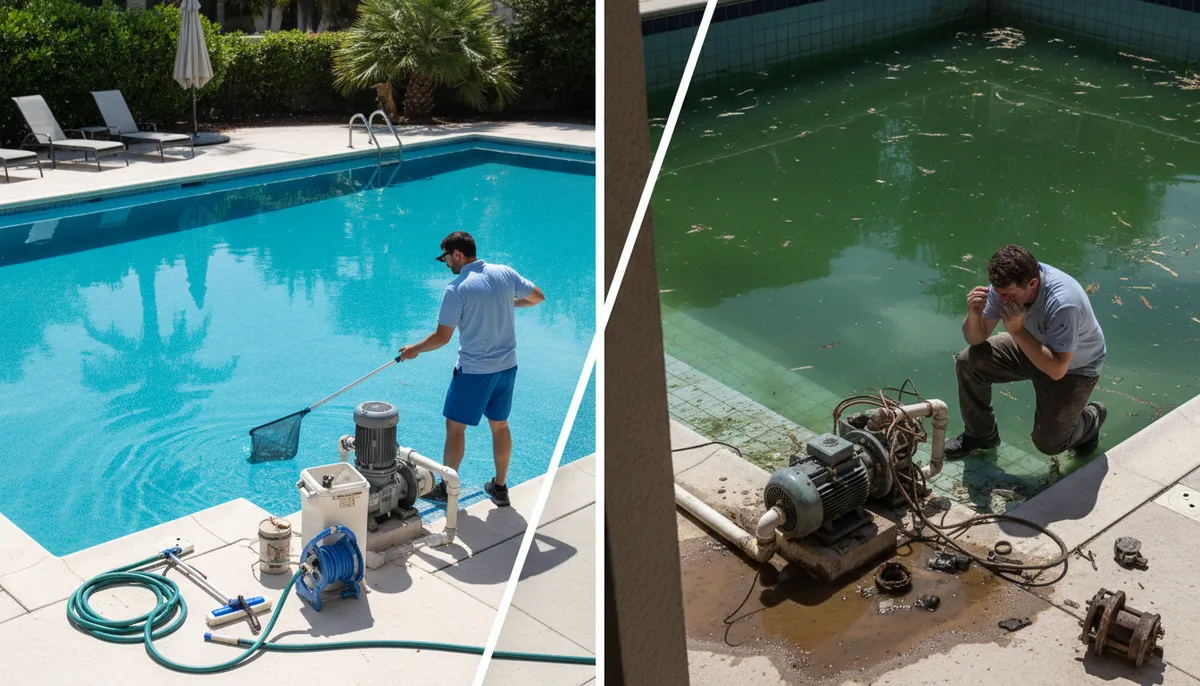
The smartest approach to pool repair services combines regular preventive maintenance with prompt attention to emerging problems. Weekly professional service catches small issues before they become emergencies, saves money over time, and keeps your pool ready to enjoy whenever you want to swim.
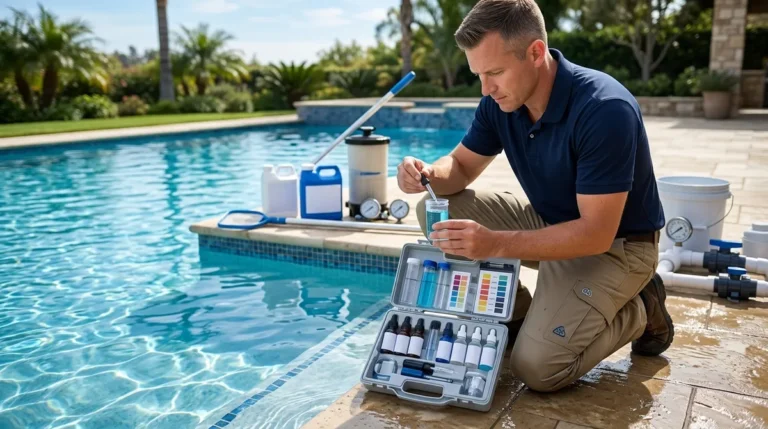
Regular maintenance visits include checking equipment operation, inspecting visible plumbing and structures, testing water chemistry, and cleaning filters and baskets. These routine tasks help technicians spot warning signs like unusual equipment sounds, slow leaks, or developing cracks. Addressing these findings immediately prevents the midnight phone calls about pools that have drained overnight or equipment that’s completely failed.
Emergency repairs always cost more than planned maintenance. When you need immediate service, especially outside normal business hours, you’ll pay premium rates. Plus, emergency failures often cause secondary damage. A failed pump might lead to algae blooms requiring extensive chemical treatment and cleaning, or a heater breakdown before a planned pool party creates disappointment and wasted food.
Creating a Maintenance Schedule
Smart pool owners work with their service company to develop a maintenance schedule that matches their pool’s needs and usage patterns. Factors that influence your schedule include:
- How frequently you use your pool and how many people swim regularly
- Whether your pool is surrounded by trees that drop leaves and debris
- The age and condition of your pool equipment
- Your pool’s surface material and current condition
- Tampa’s seasonal weather patterns that affect water chemistry and debris accumulation
A comprehensive pool maintenance plan includes weekly service visits, seasonal equipment checks, and periodic inspections of structural elements. This proactive approach keeps repair costs predictable and prevents the shock of unexpected major expenses.
Surface Repair and Resurfacing Services
Your pool’s surface takes constant abuse from chemicals, UV exposure, temperature changes, and mechanical cleaning. Over time, all pool surfaces deteriorate and need repair or replacement. The specific services you’ll need depend on your pool’s surface material, whether that’s plaster, pebble, tile, or fiberglass.
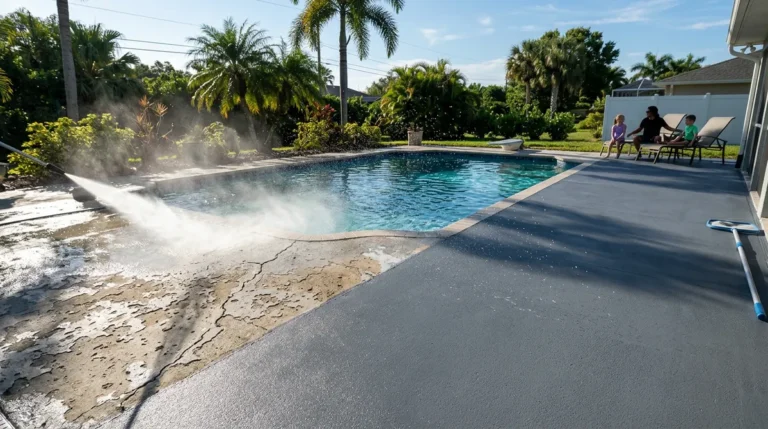
Minor surface repairs address localized problems without redoing the entire pool. Technicians can patch small cracks, replace broken tiles, and smooth rough spots that make swimming uncomfortable. These targeted repairs extend your pool’s life and maintain its appearance without the significant investment of complete resurfacing.
However, when damage becomes widespread, resurfacing makes more sense than continual patching. Complete resurfacing involves draining your pool, removing the old surface material, repairing any underlying structural issues, and applying new finish material. This major service typically happens every ten to fifteen years for plaster pools, though pebble and aggregate finishes often last longer.
| Surface Type | Typical Lifespan | Maintenance Needs |
|---|---|---|
| Plaster | 7-10 years | Regular brushing, balanced chemistry, periodic acid washing |
| Pebble/Aggregate | 15-20 years | Less frequent brushing, more forgiving chemistry, minimal special care |
| Tile | 20+ years | Regular cleaning, grout maintenance, individual tile replacement |
| Fiberglass | 25+ years | Gentle cleaning, gel coat polishing, rare refinishing |
Signs Your Pool Needs Resurfacing
Knowing when to resurface rather than continue patching saves money and frustration. Watch for these indicators that your pool’s surface has reached the end of its useful life:
- Rough texture throughout the pool that causes discomfort and swimsuit damage
- Multiple areas of staining that don’t respond to cleaning or chemical treatment
- Visible aggregate showing through plaster in several locations
- Frequent new cracks appearing despite regular patching efforts
Resurfacing represents a significant investment, but it completely transforms your pool’s appearance and function. Modern surface materials offer improved durability, easier maintenance, and beautiful aesthetic options that weren’t available when older pools were built.
Plumbing and Circulation System Repairs
The network of pipes, valves, and fittings that moves water through your pool’s filtration and heating systems works mostly out of sight, but problems with this plumbing can shut down your entire pool. Underground leaks, broken pipes, and failed valves all require specialized repair services that go beyond surface-level maintenance.
Diagnosing plumbing problems often proves challenging because most components are buried or hidden. Pressure testing helps identify which sections of plumbing have lost integrity, while visual inspection of accessible pipes and connections can reveal obvious problems like cracks or loose fittings. Advanced leak detection services use acoustic listening devices and tracer gases to pinpoint underground leaks without unnecessary digging.
Common plumbing repairs include replacing cracked pipes, rebuilding valve assemblies, fixing return and suction fittings, and repairing skimmers and drains. These jobs range from relatively simple above-ground work to complex excavation projects. Working with experienced professionals ensures repairs are done correctly with materials designed for pool environments that won’t corrode or fail prematurely.
Choosing the Right Pool Repair Service
Not all pool repair companies offer the same level of expertise, reliability, or customer service. Finding the right partner for your pool’s needs requires research and careful consideration. The company you choose will potentially work on your property for years, so compatibility and trust matter as much as technical skills.
Start by looking for proper licensing and certification. In Florida, pool contractors need specific licenses to perform repair work, and technicians should have credentials like Certified Pool Operator certification that demonstrate their knowledge. Insurance coverage protects you from liability if accidents occur during repair work on your property.
Questions to Ask Potential Pool Repair Companies
- How long have you been serving the Tampa area, and what specific pool types do you specialize in?
- Can you provide references from customers with similar pools and repair needs?
- What warranties do you offer on repair work and replacement parts?
- How do you handle emergency situations, and what is your typical response time?
- Do you provide written estimates before beginning work, and how do you handle unexpected complications?
Companies like Panther Pools build their reputation on transparent communication, quality workmanship, and standing behind their repairs. They understand that your pool represents a significant investment in your home and family’s enjoyment, so they treat every repair with the importance it deserves.
Reading customer reviews and testimonials gives you insight into how companies handle real-world situations. Look for patterns in feedback about responsiveness, problem-solving abilities, pricing transparency, and follow-up service. A company’s willingness to address concerns and make things right when issues arise tells you a lot about their commitment to customer satisfaction.
Cost Considerations for Pool Repairs
Understanding what drives pool repair costs helps you budget appropriately and make informed decisions about your pool’s care. While specific prices vary based on your location, pool type, and the extent of damage, knowing general factors that influence costs prevents surprises when you receive estimates.
The complexity of the repair significantly affects cost. Simple fixes like replacing a pump lid or tightening a loose fitting take minimal time and materials, while major structural repairs or equipment replacement involve substantial labor and parts expenses. Accessibility also matters since repairs requiring excavation or removal of decking cost more than those involving readily accessible components.
Factors That Influence Repair Costs
- Pool type and construction (in-ground versus above-ground, concrete versus fiberglass)
- Age and condition of existing equipment and structures
- Severity and extent of damage requiring repair
- Accessibility of damaged components and need for excavation
- Quality of replacement parts and materials chosen
- Local labor rates and company overhead costs
Getting multiple estimates helps you understand reasonable pricing for your specific situation. However, the lowest bid isn’t always the best value. Consider the company’s reputation, warranty offerings, and quality of materials when comparing options. Experienced companies like Panther Pools provide detailed estimates that clearly explain what work will be performed and why it’s necessary, helping you make confident decisions.
Some repairs can’t be postponed without risking greater damage or safety hazards. However, for less urgent work, planning repairs during off-peak seasons sometimes offers cost savings. Many pool companies have more flexible scheduling and may offer better rates during slower winter months when demand for services decreases.
Long-Term Pool Care Strategy
The most successful pool owners think beyond immediate repairs to develop a comprehensive long-term care strategy. This approach combines regular maintenance, prompt attention to emerging issues, and periodic upgrades that improve efficiency and reduce future repair needs.
Documenting your pool’s repair history helps you track patterns and plan for upcoming needs. Keep records of when equipment was installed or replaced, major repairs performed, and surface work completed. This information proves valuable when selling your home and helps service companies understand your pool’s history when diagnosing new problems.
Technology advances in pool equipment offer opportunities to reduce future repair needs while improving efficiency. Variable-speed pumps use less energy and have fewer moving parts than older models, reducing wear and operating costs. Automation systems monitor equipment status and alert you to problems before they cause failures. Salt chlorine generators reduce chemical handling while being gentler on pool surfaces and equipment.
Building a Relationship with Your Service Provider
The best pool repair outcomes happen when you work with a service company that knows your pool’s history, understands your priorities, and responds quickly when problems arise. Regular service relationships mean technicians become familiar with your specific equipment, recognize changes that might indicate developing issues, and can order parts proactively based on your pool’s age and usage patterns.
Communication forms the foundation of successful service relationships. Be clear about your budget constraints, how you use your pool, and what concerns you most about maintenance and repairs. Good service companies listen to these preferences and tailor their recommendations to match your needs rather than pushing unnecessary services.
Panther Pools has built its reputation on exactly this kind of partnership approach with Tampa-area pool owners. Their team understands that every pool and every family has unique needs, and they work to provide solutions that make sense for your situation. With seven-day support and industry certifications, they’re equipped to handle everything from routine maintenance to complex emergency repairs.
Keeping Your Pool Investment Protected
Your pool represents a significant investment in your property and your family’s quality of life. Protecting that investment requires attention, regular maintenance, and timely repairs when issues arise. Understanding the range of pool repair services available empowers you to make smart decisions that keep your pool safe, beautiful, and ready to enjoy.
The key to minimizing repair costs over time is catching problems early through regular professional maintenance and addressing issues promptly rather than waiting until they become emergencies. Small leaks, minor equipment issues, and surface imperfections are much less expensive to fix before they escalate into major problems requiring extensive repairs or complete replacement.
Working with qualified, experienced professionals ensures repairs are done correctly with appropriate materials and techniques. The pool repair industry includes many specialized skills, from plumbing and electrical work to structural engineering and chemical management. Certified providers like those recognized by the Independent Pool and Spa Service Association demonstrate their commitment to ongoing education and professional standards.
Tampa’s unique climate creates specific challenges for pool owners, including year-round usage that accelerates wear, humidity that affects equipment, and seasonal storms that can cause sudden damage. Local service providers understand these factors and recommend maintenance schedules and repairs appropriate for Florida conditions.
Don’t wait until a small problem becomes a major headache. Regular inspections, preventive maintenance, and prompt attention to warning signs keep your pool in top condition year after year. Whether you need routine care or emergency repairs, working with a trusted partner ensures your backyard oasis remains a source of relaxation and family fun for years to come. Reach out to experienced professionals who can assess your pool’s current condition and develop a maintenance plan that protects your investment while keeping costs manageable and predictable.
Remember that quality pool repair services aren’t just about fixing what’s broken; they’re about preventing problems before they start, maximizing the life of your equipment and surfaces, and ensuring every swim is safe and enjoyable. The right service partner becomes an extension of your household, someone you trust to care for your pool as if it were their own. That relationship, built on expertise, reliability, and genuine care for customer satisfaction, makes all the difference in how much you enjoy your pool and how well it serves your family through the years.
FAQs
Q: How do I know if my pool has a leak or if water loss is just normal evaporation?
A: Normal evaporation in Tampa’s climate accounts for about a quarter inch of water loss per day, maybe slightly more during hot, windy weather. If you’re losing more than this, or notice soggy areas around your pool, unexpectedly high water bills, or visible cracks, you likely have a leak that needs professional detection and repair. A simple bucket test can help you determine if water loss exceeds normal evaporation rates.
Q: What’s the difference between patching pool surface damage and complete resurfacing?
A: Patching addresses specific problem areas like individual cracks, broken tiles, or small rough spots, making it a cost-effective solution for localized damage. Complete resurfacing removes and replaces your entire pool surface, which becomes necessary when damage is widespread, the surface is extremely rough throughout, or you’re experiencing frequent new cracks despite regular patching. Most plaster pools need resurfacing every seven to ten years.
Q: Can I delay pool equipment repairs if everything still seems to work somewhat?
A: Operating malfunctioning equipment often makes problems worse and can damage other connected systems, leading to much higher repair costs down the road. For example, a struggling pump works harder and uses more electricity while putting stress on your filter and plumbing system. If you notice unusual noises, reduced performance, or intermittent operation, addressing the issue promptly prevents complete failure and protects related equipment from damage.
Q: How often should I have my pool professionally inspected for potential repair needs?
A: Weekly professional maintenance visits include basic inspections that catch most emerging problems early. Additionally, comprehensive annual inspections should examine structural elements, underground plumbing, electrical systems, and equipment condition in detail. This combination of regular monitoring and periodic deep-dive assessments helps identify issues before they become expensive emergencies, keeping your pool safe and your repair costs predictable.
Q: What should I do if I notice a pool problem outside of normal business hours?
A: For true emergencies like electrical issues, major leaks causing flooding, or equipment failures that pose safety risks, contact a service provider that offers seven-day support and emergency response. Many problems can wait until regular business hours, but anything involving electricity near water, structural concerns, or major water loss should be addressed immediately. Keep your pool service company’s emergency contact information handy so you’re prepared if urgent situations arise.