
Key Takeaways
-
CPO certification requires 75-120 hours of training including a 6-8 hour online primer, 2-day in-person/virtual course, and a 90-minute exam with 5 skills assessments; certification is valid 2-5 years with 12-24 CE hours needed for renewal.
-
Water chemistry comprises 30% of CPO training and exam focus, covering pH balance, chlorine levels, and chemical dosing—the foundation of safe pool operations and prevention of skin irritation, eye infections, and illness.
-
CPO certification is legally required in some states like Texas and critical for Florida commercial pools; violations can result in immediate closures, fines, and liability issues, making certified professionals essential for HOAs, hotels, and apartment complexes.
-
Hiring CPO-certified pool services provides legal compliance, safer water chemistry, cost savings through accurate chemical dosing, early equipment problem detection, and liability protection—benefits that justify the investment for both residential and commercial pools.
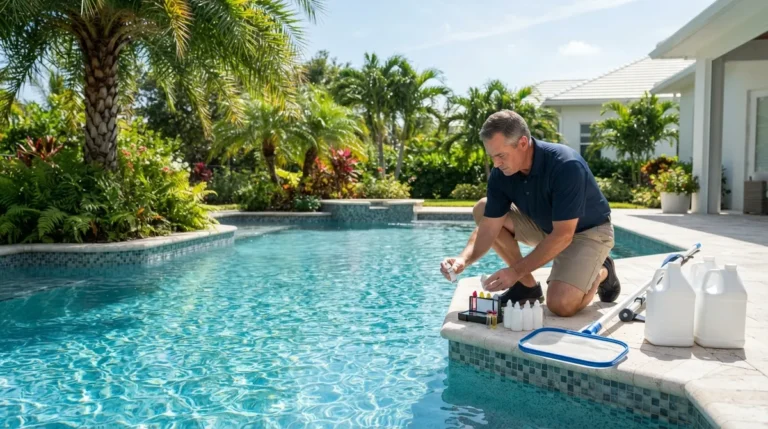
If you’ve ever wondered what keeps a pool sparkling clean, safe, and perfectly balanced, the answer often comes down to one person: a certified pool operator. Whether you own a backyard pool in Tampa or manage a commercial facility, understanding what this certification means can completely change how you think about pool care. It’s not just a fancy title — it’s a sign that your pool is in truly capable hands.
From water chemistry to safety compliance, a certified pool operator brings a level of expertise that goes far beyond scooping leaves and adding a little chlorine. In 2026, this credential is more important than ever, especially as Florida’s pool industry continues to grow. Let’s walk through nine essential things every pool owner and property manager should know about CPO certification and why it matters for your pool’s health and safety.
1. What Is a Certified Pool Operator?
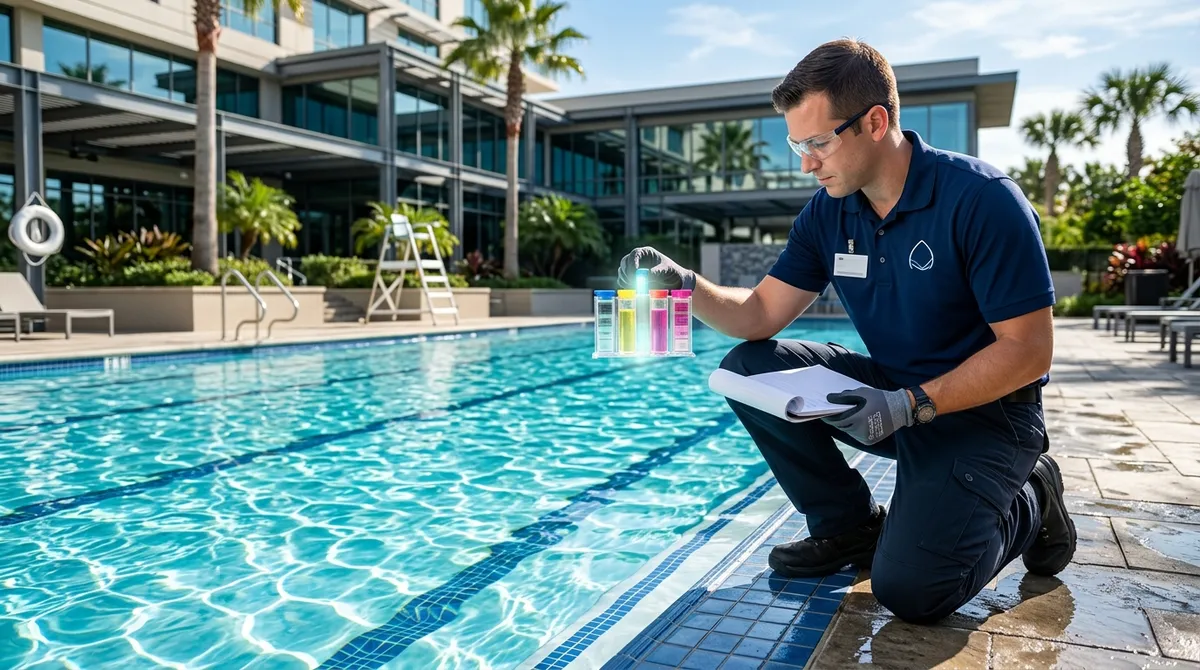
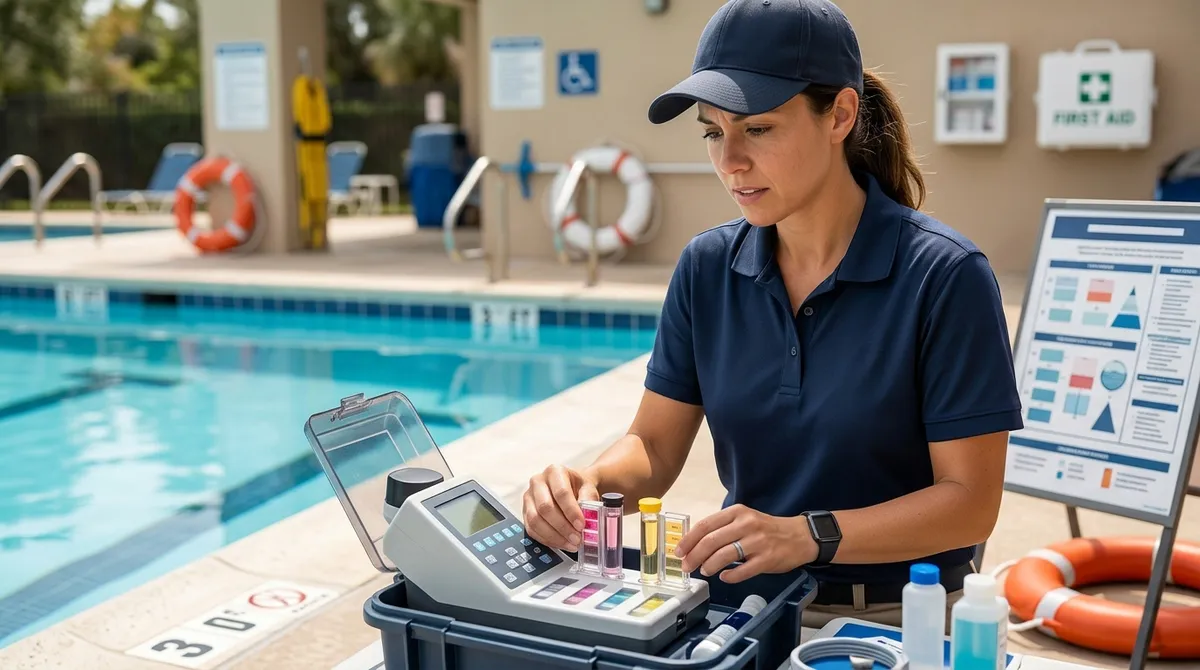
A certified pool operator, or CPO, is a trained professional who has completed a specialized program through the Pool & Hot Tub Alliance (PHTA). This program covers everything from water chemistry and filtration systems to health codes and safety protocols. Think of it as a college degree — but specifically for keeping pools clean and safe.
The certification is recognized across all 50 U.S. states, Puerto Rico, Canada, and the U.S. Virgin Islands. That’s a pretty wide reach! It’s the gold standard in the pool cleaning industry, and for good reason.
2. Why CPO Certification Matters for Pool Safety
Pool safety isn’t something to take lightly. Improperly balanced water can cause skin irritation, eye infections, and even serious illness. A certified pool operator knows exactly how to prevent these problems before they start.
Certified professionals are trained to follow guidelines from the CDC Model Aquatic Health Code, which sets national standards for safe pool operations. They also stay up to date with resources like those from the EPA Pool Resources page, which covers water efficiency and environmental best practices. For families with kids splashing around, that peace of mind is absolutely priceless.
3. Who Needs CPO Certification?
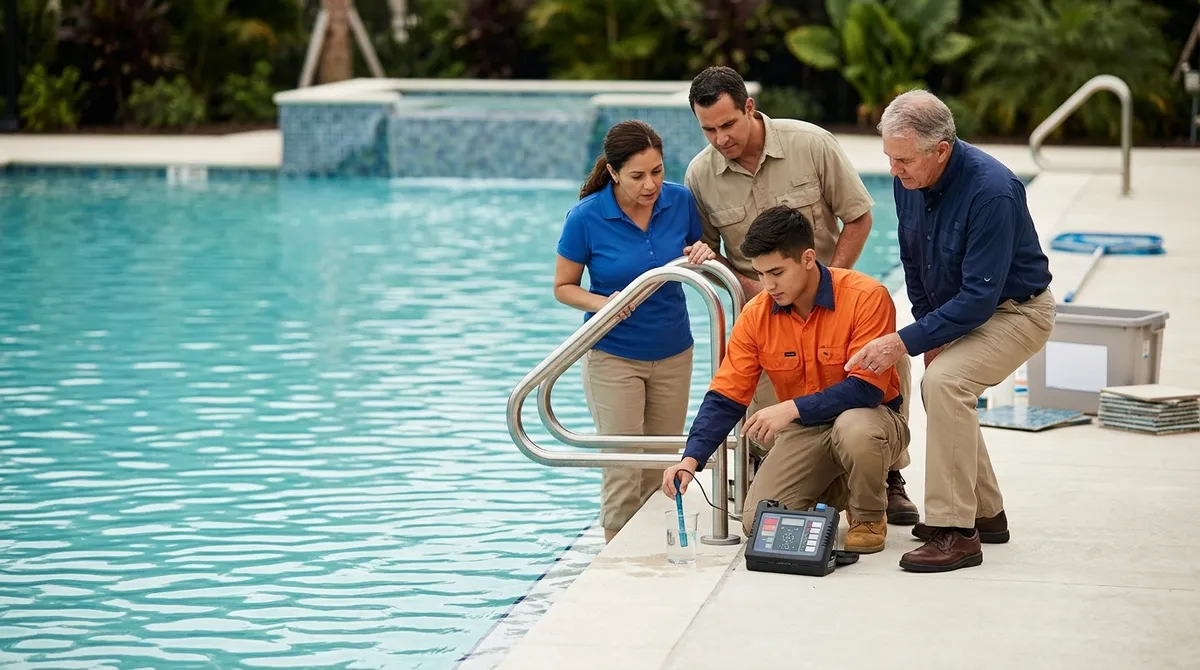
CPO certification is especially important for anyone managing a commercial or public pool. Here’s a quick look at who benefits most:
- Hotel and resort pool managers
- Apartment complex and HOA maintenance teams
- Waterpark and recreation center staff
- School and university aquatic facility operators
- Commercial pool cleaning professionals
Some states, like Texas, actually require CPO certification by law for public pool operators. Florida has its own set of regulations, and staying compliant is critical for avoiding fines, shutdowns, and liability issues. If you manage a commercial pool in Tampa, this is something you absolutely need to know about.
4. What Topics Does CPO Training Cover?
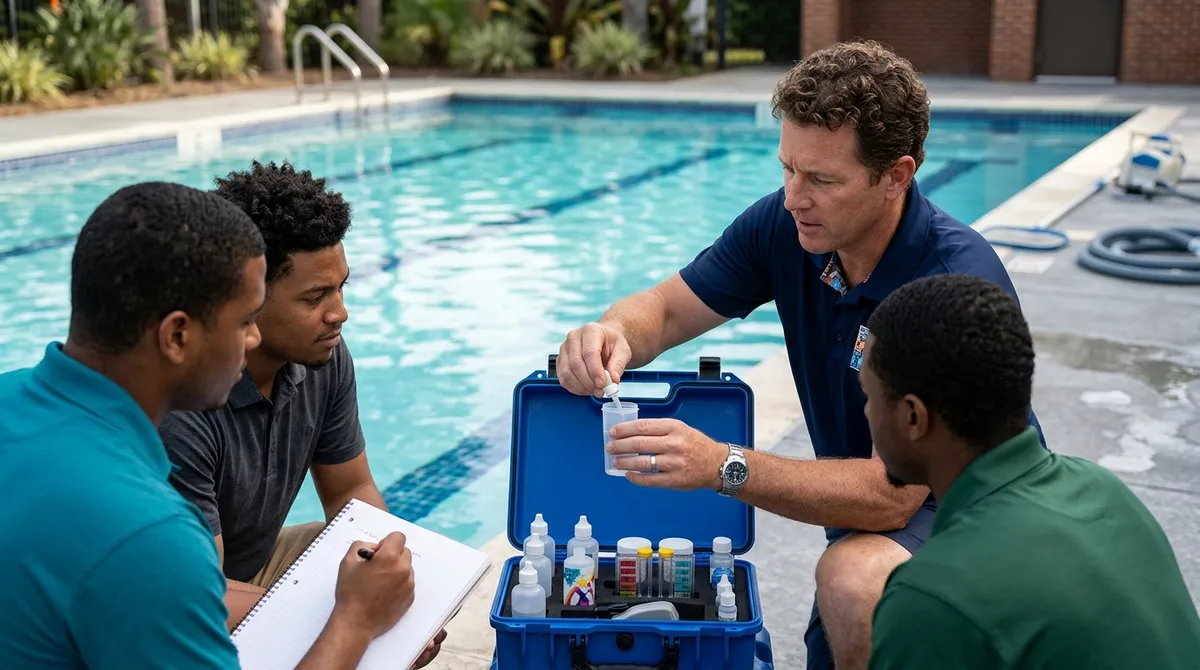
CPO training is surprisingly thorough. Here’s a breakdown of the main subject areas covered in the certification program:
| Topic Area | Percentage of Exam | Key Skills Learned |
|---|---|---|
| Water Chemistry | 30% | pH balance, chlorine levels, chemical dosing |
| Maintenance & Equipment | 20% | Filtration, pumps, circulation systems |
| Safety & Regulations | 25% | Health codes, emergency procedures |
| Pool Volume & Calculations | 15% | Accurate chemical dosage calculations |
| Troubleshooting | 10% | Diagnosing maintenance issues |
As you can see, water chemistry alone takes up nearly a third of the curriculum. That’s because getting chemical levels right is the foundation of a healthy, clean pool. The training also dives into real-world troubleshooting — something every pool technician eventually needs on the job.
5. How Do You Become a Certified Pool Operator?
Becoming a CPO is more straightforward than you might think. Here are the steps to earn your certification:
- Complete a self-paced primer course (approximately 6–8 hours of online study).
- Attend a 2-day training course, either in person or virtually through a PHTA-approved provider.
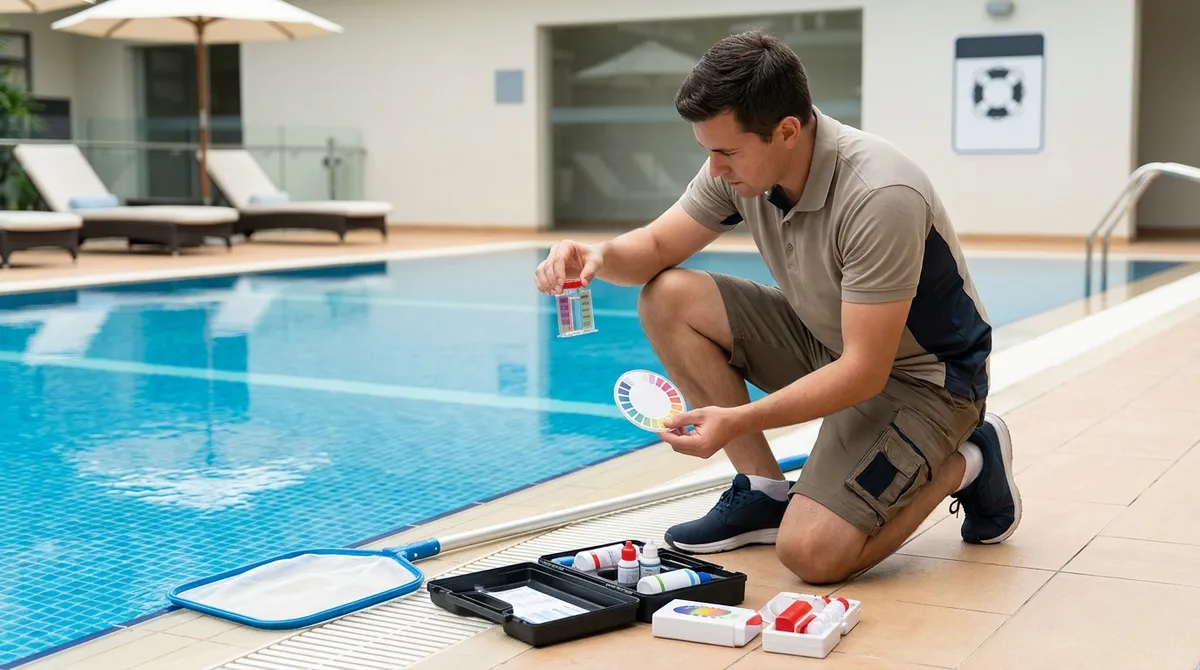
- Take the CPO exam, which includes 60–70 written questions in 90 minutes and 5 skills assessments in 30 minutes.
- Pass with a score of 70–80% to earn your certification.
- Receive your CPO card, which is valid for 2–5 years depending on your state.
The total training commitment is typically between 75 and 120 hours, including self-study and classroom time. The virtual class portion runs about 5 hours, and the exam itself takes 3 hours. It’s an investment of time, but one that pays off in a big way for your career and your clients’ safety.
6. How Long Is CPO Certification Valid?
Your CPO certification doesn’t last forever — and that’s actually a good thing! The pool industry evolves, and staying current keeps professionals sharp. Here’s what you need to know about certification timelines:
- Certification is typically valid for 2–5 years, depending on the state.
- Recertification requires 12–24 continuing education (CE) hours.
- Professionals must document a minimum of 8 work hours annually during the certification period.
- Online and in-person recertification courses are both available.
Recertification keeps pool operators updated on new regulations, chemicals, and technologies. It’s like a regular tune-up for your knowledge — just like the routine maintenance your pool needs every week.
7. The Real Benefits of Hiring a CPO-Certified Pool Service
For homeowners and property managers, working with a CPO-certified pool cleaning company brings several clear advantages. Here’s why it matters for you:
- Legal compliance: Avoid costly fines and forced pool closures.
- Safer water: Properly balanced chemicals protect swimmers of all ages.
- Cost savings: Accurate chemical dosing reduces waste and prevents expensive repairs.
- Better equipment care: Trained technicians spot problems early before they become big headaches.
- Peace of mind: Know that a credentialed professional is on the job.
For Tampa families, retired adults, and luxury homeowners alike, these benefits translate into a pool that’s always ready to enjoy — without any of the stress. Industry organizations like the Florida Swimming Pool Association (FSPA) and the Independent Pool and Spa Service Association (IPSSA) both emphasize the importance of certified professionals in maintaining high service standards across the state.
8. CPO Certification and Commercial Pool Compliance in Tampa
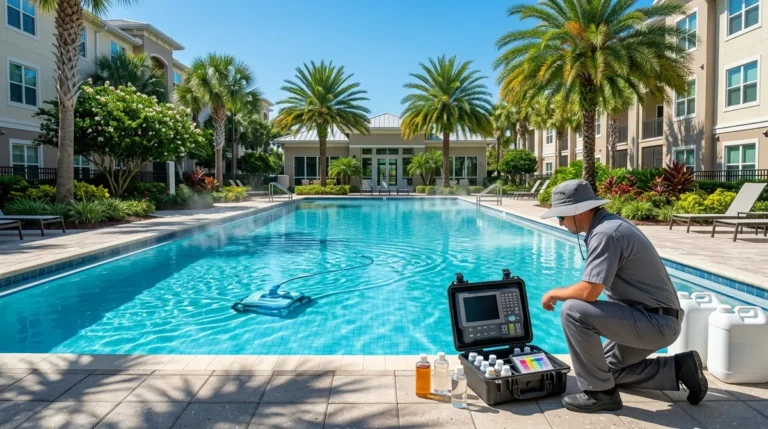
If you manage an apartment complex, hotel, or HOA in Tampa, CPO certification isn’t just helpful — it can be essential for staying compliant with state and local health codes. Florida has strict rules around public pool operations, and violations can lead to immediate pool closures.
Having a certified pool operator on your team — or partnering with a certified pool cleaning company — helps you stay ahead of inspections and avoid surprise shutdowns. It also signals to your residents and guests that you take their safety seriously. That’s the kind of reputation that keeps tenants happy and businesses thriving.
9. Why Panther Pools Stands Out as a CPO-Certified Service
Here’s where things get exciting for Tampa pool owners. Panther Pools is a family-owned pool cleaning company that holds an active CPO credential (CPO 648855), meaning their team brings certified expertise to every single visit. Whether you need pool cleaning services in Tampa or specialized commercial pool maintenance, Panther Pools delivers the kind of professional, knowledgeable care that only comes with real CPO-level training.
Their technicians are courteous, on-time, and never rush through a job. They offer free estimates, seven-days-a-week customer support, and monthly service packages that make pool ownership genuinely stress-free. From routine cleaning to equipment repairs, Panther Pools handles it all with the confidence and expertise that CPO certification provides. If you’re looking for pool maintenance in West Chase or Westchase pool service, their team is ready to help.
Quick Comparison: CPO vs. Non-Certified Pool Cleaning
| Feature | CPO-Certified Service | Non-Certified Service |
|---|---|---|
| Water chemistry expertise | ✅ Advanced | ❌ Basic or limited |
| Regulatory compliance | ✅ Fully trained | ❌ May miss requirements |
| Equipment troubleshooting | ✅ Comprehensive | ⚠️ Hit or miss |
| Safety protocols | ✅ CDC-aligned | ❌ Not guaranteed |
| Liability protection | ✅ Higher protection | ❌ Greater risk |
Final Thoughts
A certified pool operator isn’t just someone who knows how to clean a pool. They’re a trained professional who understands water chemistry, safety regulations, equipment systems, and compliance requirements at a deep level. Whether you’re a busy parent in the Tampa suburbs, a property manager overseeing a commercial facility, or a new homeowner falling in love with your backyard oasis, working with CPO-certified professionals makes a real difference.
Don’t leave your pool’s health to chance. Work with people who have the training, credentials, and passion to keep your water safe, sparkling, and swim-ready all year long. Get in touch with the Panther Pools team today and experience what certified pool care really looks like.
FAQs
Q: What is a certified pool operator and why does it matter?
A: A certified pool operator (CPO) is a trained professional who has completed PHTA-approved courses covering water chemistry, safety, filtration, and pool regulations. It matters because CPO-certified technicians keep your pool safer, more efficient, and fully compliant with local health codes — giving you total peace of mind every time you swim!
Q: Do I need a certified pool operator for my residential pool in Tampa?
A: While CPO certification is most commonly required for commercial pools, hiring a CPO-certified pool cleaning company for your home pool is always a great idea. You get expert-level water balancing, early equipment diagnosis, and the confidence of knowing a true professional is caring for your backyard oasis.
Q: How long does CPO certification last?
A: CPO certification is typically valid for 2–5 years, depending on your state’s requirements. Recertification involves completing 12–24 continuing education hours to stay current with the latest pool safety standards and regulations — so you know your pool pro is always up to date!
Q: Can CPO-certified pool services help with commercial pool compliance in Florida?
A: Absolutely! Florida has strict health codes for public and commercial pools, and a CPO-certified pool service helps you stay fully compliant, avoid fines, and prevent unexpected pool closures. It’s one of the smartest investments a property manager or HOA can make.
Q: What topics does CPO training cover?
A: CPO training covers water chemistry (30% of the exam), pool maintenance and equipment, safety regulations based on the CDC Model Aquatic Health Code, pool volume calculations, and hands-on troubleshooting. It’s a thorough program that turns good technicians into truly great pool care professionals!